1-855-QUOTEMR

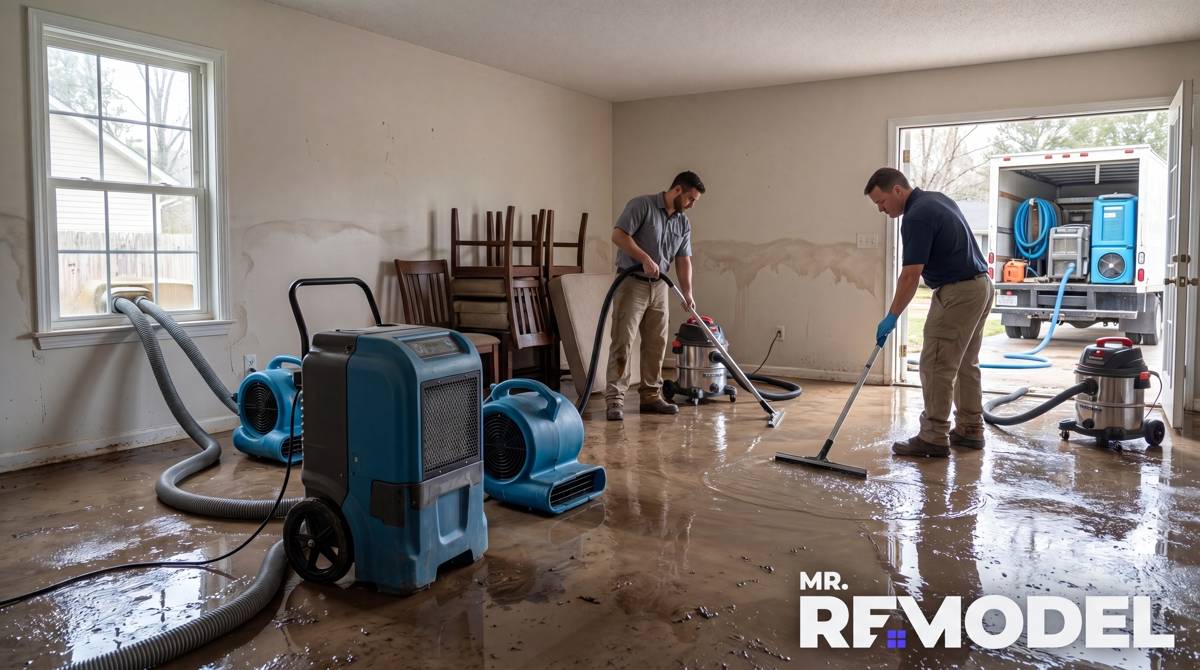
Table of Contents [hide]
Who This Is For
This guide is explicitly designed for property owners experiencing an active water intrusion crisis. It provides immediate, step-by-step triage actions, professional safety protocols, and transparent structural drying timelines to help protect investments and restore home safety.
Key Takeaways
- Immediate Triage Actions: Shut off your main water valve and cut off circuit breakers instantly if water threatens electrical outlets.
- The 48-Hour Boundary: Mold colonization begins within 24 to 48 hours of initial exposure on porous structural elements.
- Call vs. Click Metrics: Local data proves 100% of homeowners in an emergency choose phone calls over online forms for rapid relief.
- Professional Intervention Thresholds: Any standing water deeper than one inch or covering over 100 square feet requires specialized extraction equipment.
- Cost Variables: Total restoration pricing scales rapidly based on category classification, drying hours, and structural material destruction.
Active water infiltration requires instantaneous stabilization to limit severe structural degradation. What you choose to execute during the first hour dictates your overall financial liability. According to industry emergency data, proper triage reduces total property structural destruction by up to 40%.
Step 1: Source Elimination
Locate your main utility shut-off valve immediately to stop the incoming supply completely. If the source originates from a municipal supply line failure, contact local utilities instantly. For structural or environmental leaks, trace secondary isolation valves located behind plumbing fixtures.
Step 2: Electrical Hazard Abatement
Never cross standing fluids if the water line reaches baseboards or wall outlets. Navigate to your main electrical panel and disable circuit breakers servicing the impacted zones. If the panel resides in a damp basement, request emergency utility disconnection before entering.
Step 3: Fast-Track Communication
Data compiled across the restoration sector shows that timing dictates success. Property owners facing sudden floods never submit digital web forms. According to historical metrics from Mr. Remodel, 100% of crisis interactions occur via phone calls due to extreme urgency.
Understanding the specific contamination profile of incoming fluids is essential for proper health management. Professional mitigation technicians classify water into three strict structural categories.
Category 1: Clean Water
This origin involves sanitary sources like broken supply lines or falling rainwater. While category one fluid poses minimal health risks initially, it degrades rapidly if left stagnant. Immediate extraction prevents clean water from transitioning into dangerous classifications.
Category 2: Grey Water
Grey water contains significant chemical or physical contaminants that can cause discomfort or sickness if consumed. Common examples include washing machine overflows, dishwasher discharge, or sump pump failures. This classification requires aggressive chemical sanitization protocols during the structural drying phase.
Category 3: Black Water
This highly hazardous category includes unsanitary sewage backups, river flooding, and standing surface water. Black water carries pathogenic bacteria, toxic chemicals, and dangerous fungi. The Environmental Protection Agency (EPA) recommends strict protective equipment and specialized disposal workflows for all category three disasters.
See Related: Water Damage Classes Explained (Class 1, 2, 3, 4)
The Architectural Drying Timeline: 24 to 72 Hours
True structural stabilization requires removing bound moisture locked within framing studs, subfloors, and ceiling joists. Surface drying is completely insufficient for long-term home preservation.
The Midnight Boundary
Microbial spores require minimal encouragement to begin active reproduction cycles. The American Lung Association emphasizes that mold colonization commences within 24 to 48 hours of initial water contact. Skipping rapid dehumidification ensures dangerous airborne contaminant proliferation.
Progressive Drying Framework
Industrial mitigation demands a balanced thermodynamic framework combining rapid evaporation with high-capacity refrigeration. Techs install commercial air movers to lift bound water molecules out of framing materials. Simultaneously, low-grain refrigerant dehumidifiers extract moisture from surrounding air to maintain ideal vapor pressure.
Advanced Assessment Tools
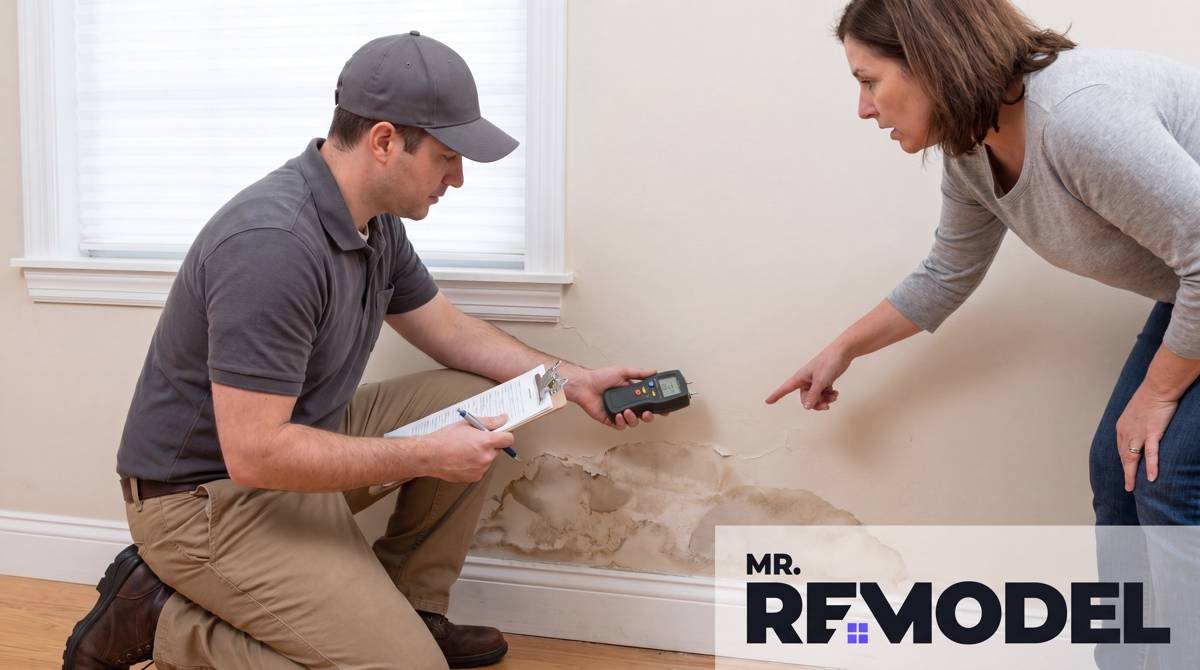
Technicians track structural drying using specialized diagnostic instruments instead of visual inspections. Deep-penetrating pin meters measure absolute moisture percentages hidden inside timber framing. Thermal imaging cameras detect hidden moisture pathways running down vertical wall cavities behind undamaged plasterboard.
See Related: Ventilation and Moisture Control for Efficiency: Protecting Your Home Investment
DIY Versus Professional Intervention Boundaries
Many homeowners struggle to determine when a project can be managed independently versus when it requires a certified crew. Minor leaks are manageable, but extensive flooding requires specialized tools.
When to Handle It Yourself
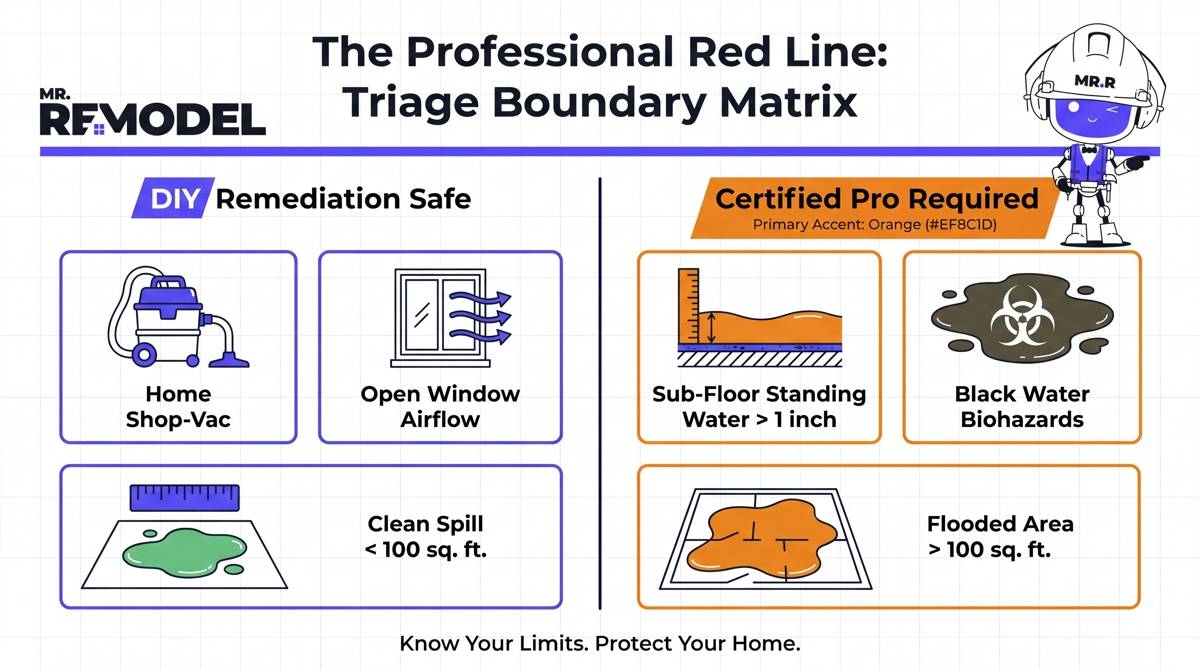
Self-contained clean water spills limited to small utility rooms are safe for independent remediation. If the fluid covers less than 100 square feet, home tools can manage it. You can deploy household wet-vacuums, residential fans, and open windows to clear minor moisture.
The Professional Red Line
When fluid spans multiple rooms, home equipment cannot match structural evaporation requirements. Any standing liquid deeper than one inch mandates commercial-grade submersible pumps. Furthermore, any suspected black water or sewage backup requires certified biohazard technicians to guarantee safety.
Precise Demolition Cut Lines
When fluid migrates vertically up interior partitions, drywall cores absorb moisture like a sponge. The Washington State Department of Health dictates removing saturated plasterboard to at least 4 inches above the visible water line. This strategic flood cut eliminates trapped pockets of biological growth.
See Related: Bathroom Water Damage: What to Do and How to Save Your Home
Localized Environmental Risk Factors & Seasonality
Water intrusion hazards are not distributed equally throughout the calendar year or across geographical boundaries. Regional climate patterns dictate distinct emergency profiles.
Peak Volumetric Seasonality
National mitigation statistics show extreme spikes in emergency response during specific autumn months. Internal analysis from Mr. Remodel indicates that October is the most hazardous timeframe. October captures 60.57% of total annual emergency volume, while September and November account for 16.3% each.
Coastal vs. Urban Hardship Zones
Geographical environmental conditions create highly specific emergency profiles across our target infrastructure footprints. Local market samples show unique regional challenges across the country:
- California Markets: Comprise 12.5% of emergency responses, driven by sudden atmospheric river events.
- Florida & New York Regions: Account for 8.65% each, battling coastal storm surges and aging utility mains.
- Metropolitan Chicagoland: Responsible for 2.88% of urban distinct city volume due to deep sub-zero plumbing bursts.
Foundation Defense Best Practices
Preventing recurring baseline water damage requires addressing external structural vulnerabilities. The University of Nebraska-Lincoln Extension recommends maintaining a 5% to 10% ground slope away from foundation walls. This slope ensures surface water flows harmlessly away from basements.
See Related: 7 Signs You Need New Gutters Before Major Damage Happens
Comprehensive Water Damage Repair Cost Breakdown
Total project costs depend heavily on the total square footage impacted, fluid classification, and the required drying time.
Average Mitigation Fees
A standard residential room requiring professional drying and sanitization typically ranges from $1,500 to $4,500. This fee covers immediate extraction, equipment placement, and antimicrobial treatments. If category three sewage is present, baseline costs increase significantly due to specialized protective equipment requirements.
Structural Renovation Pricing
After achieving certified structural dryness, property owners must address ruined finish materials. Replacing standard water-damaged subflooring and framing elements usually averages between $2,500 and $7,000, depending on the layout. High-end finishes or extensive reconstruction can easily push these figures higher.
Material Selection Strategy
Selecting resilient structural elements during the rebuilding phase helps mitigate future water damage risks. While traditional materials quickly suffer from moisture exposure, modern engineered options offer excellent resilience. Investing in high-performance waterproof systems helps protect your home from future plumbing failures.
See Related: Water Damage Restoration: Emergency Extraction, Remediation, and Repair Costs
Insurance Navigation & Evidence Preservation
Securing coverage for an active restoration project requires strict compliance with insurance protocols. You must thoroughly document the damage before changing the scene.
Documenting the Damage
Capture high-definition photographs and video footage of all damaged property before starting extraction. Document the source leak, standing fluid lines, and compromised personal items carefully. This visual proof forms the foundation of your insurance reimbursement claim.
The Mitigation Mandate
Standard homeowner policies require you to take immediate action to prevent secondary damage. Leaving water standing for days while waiting for an adjuster can lead to claim denials. Hiring certified professionals to extract water immediately shows you are fulfilling your policy duties.
Navigating Claim Approvals
Keep an itemized log of every communication with your insurance provider. Save all receipts, drying logs, and disposal manifests from your mitigation team. Having clean documentation ensures a smoother process when submitting final structural repair estimates.
See Related: Insurance Coverage for Water Damage
Emergency Water Damage FAQs
How long does the structural drying process take?
A standard residential structure requires between three and five days to achieve certified dryness. Thick materials like hardwood subfloors, concrete slabs, and heavy framing timber may need extra drying time.
Will home insurance cover emergency mitigation fees?
Standard policies usually cover sudden plumbing bursts, water heater failures, and accidental fixture overflows. However, damage caused by long-term maintenance neglect or external rising floodwaters typically requires specialized separate coverage.
See Related: How Long Does Water Damage Restoration Take?
Can I remain inside the home during structural drying?
Living onsite during clean category one drying is generally acceptable if noise is not an issue. However, category two or category three incidents require vacating the property due to microbial risks.
What are the main signs of hidden water damage?
Key indicators include peeling baseboard paint, soft spots on subfloors, musty odors, and sudden utility bill spikes. Persistent window condensation can also indicate underlying moisture issues.
See Related: Energy Efficient Bathroom Remodel Ideas: 2026 Guide to Water and Cost Savings
How do professional teams find hidden structural moisture?
Teams use advanced tools like infrared cameras and non-invasive moisture meters to map hidden migration pathways. These tools locate dampness behind drywall and under tile without tearing up rooms.
See Related: Mold Remediation Cost After Water Damage
Is a full replacement always required after a flood?
Not necessarily. If professional extraction and structural drying occur within the first 24 to 48 hours, many materials can be completely saved. Timely action determines whether you face simple drying or complete structural rebuilding.
See Related: Water Damage Repair vs Full Replacement
How do professional services accelerate my home recovery?
Services like Mr. Remodel help by matching you with vetted contractors who understand emergency protocols. This ensures your project meets safety requirements while streamlining communication with your insurance provider.
See Related: Water Saving Toilets and Fixtures Explained
Connect With Vetted Mitigation Professionals
Managing a sudden water crisis can feel overwhelming, but you do not have to handle it alone. Securing your property requires fast action from experienced professionals who have industrial tools. Relying on verified local help prevents costly secondary mold growth and ensures the structural integrity of your home remains secure.
Services like Mr. Remodel help protect your investment by connecting you directly with vetted, local contractors. Do not wait for mold growth to take hold or for structural framing to warp. Reach out right away to get a free, no-obligation quote from local water damage restoration experts.