1-855-QUOTEMR

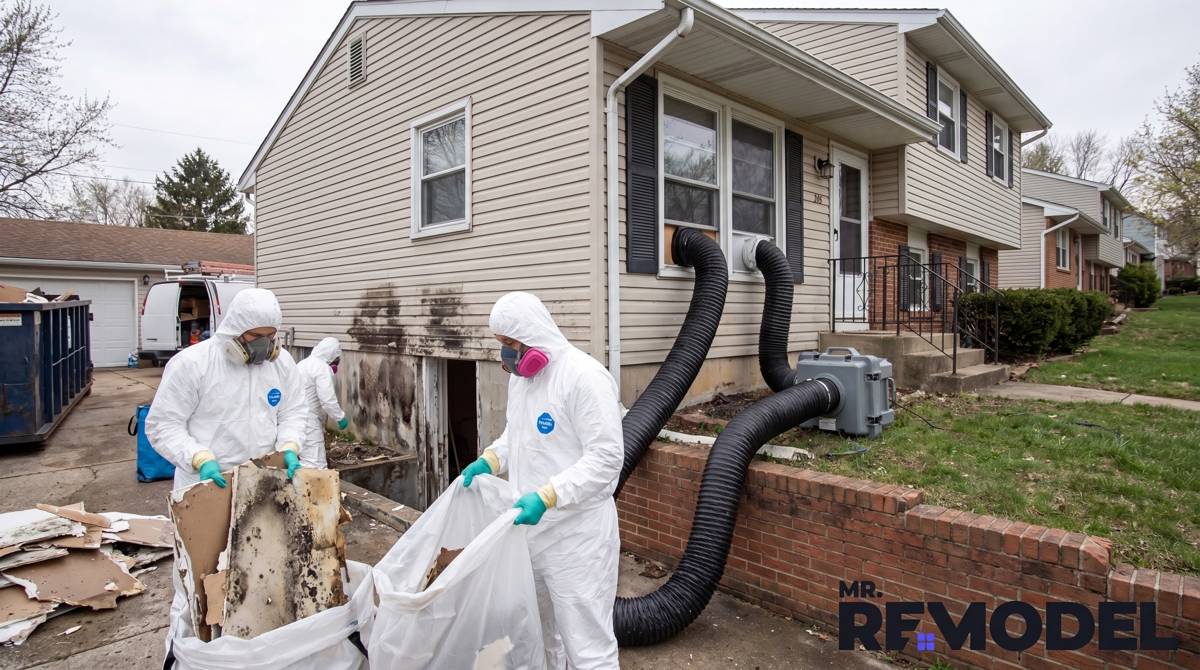
Table of Contents [hide]
Who This Is For
This guide is explicitly designed for property owners experiencing an active mold crisis following a water intrusion. It provides immediate, step-by-step cost data, regional pricing variables, and professional safety protocols to help protect home investments.
Key Takeaways
- The Critical 24-Hour Timeline: Fungal colonization begins on damp building elements within 24 to 48 hours of initial water contact.
- National Cost Frameworks: Remediation fees average between $1,500 and $4,500, depending on area size and contamination categories.
- Regional Risk Adjustments: High-humidity states like Florida experience aggressive post-water intrusion spore spread, driving localized repair bills.
- Insurance Mitigation Rules: Most standard policies exclude mold coverage if the property owner fails to execute immediate water extraction.
- Urgent Phone Communication: Local emergency data proves 100% of crisis-driven homeowners choose direct calls over online quote sheets.
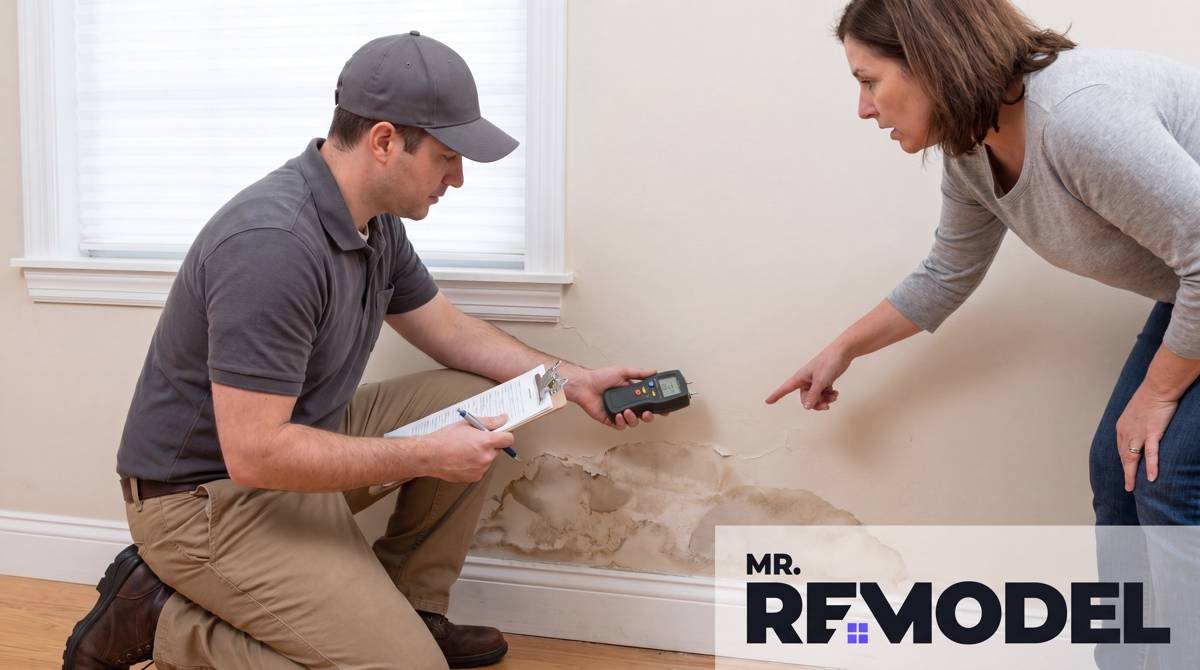
Dealing with indoor flooding introduces immediate structural dangers to your property. While drying the surface water seems like the final step, a hidden threat develops behind your baseboards. Fungal spores require very little encouragement to begin a destructive colonization process.
Data tracked by the Consumer Affairs Division shows that standard household water damage and freezing claims average over $12,500 per incident. A significant portion of this financial burden stems from secondary mold growth that was left unmanaged during the initial crisis.
The 24-Hour Colonization Boundary
Microbial colonization begins much faster than most property owners realize. The U.S. Environmental Protection Agency (EPA) warns that mold spores germinate on damp organic building elements within 24 to 48 hours. Any delay in professional extraction ensures exponentially higher repair bills later.
Why Surface Wiping Fails
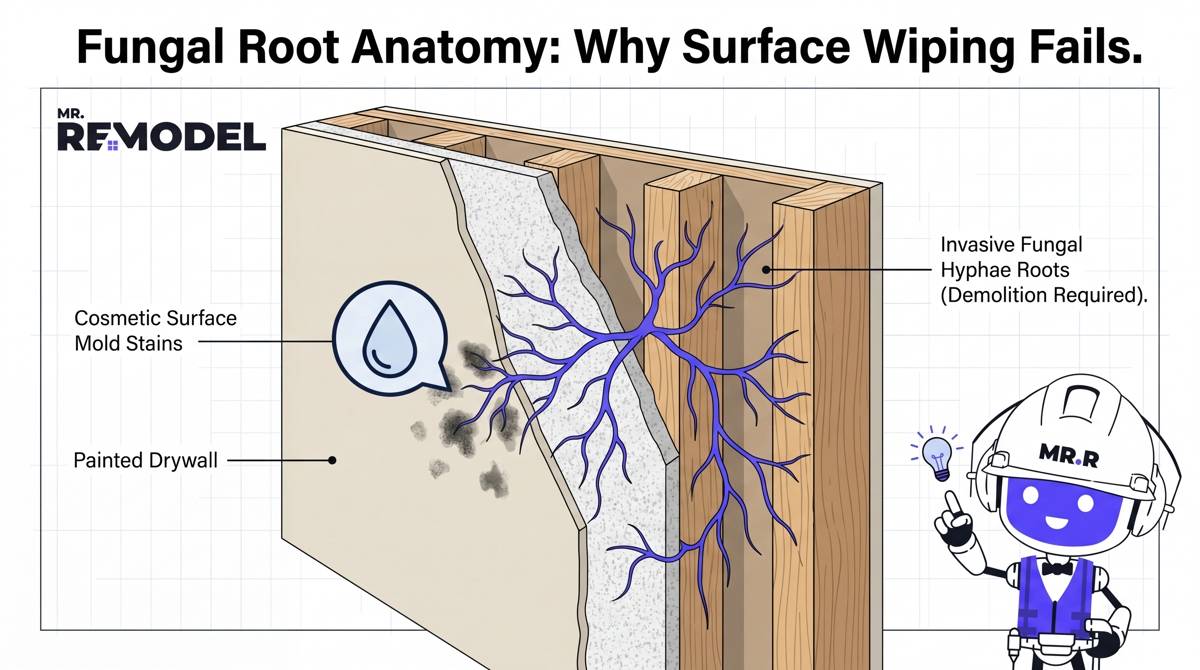
Wiping down visible stains does not solve an active mold problem. Fungal roots grow deep into porous structural elements like timber framing studs, drywall cores, and plywood subflooring. True remediation requires specialized containment and air filtration machinery to protect your living space.
The Conversion Reality
Property owners facing active mold growth require immediate, clear guidance. Internal operational metrics from Mr. Remodel demonstrate that 100% of emergency mitigation leads convert via direct phone calls rather than web forms. When structural integrity is threatened, homeowners skip typing online requests.
See Related: Emergency Water Damage Cleanup Guide
National Average Remediation Cost Structure
Calculating your total financial liability requires looking at the actual footprint of the affected space. National averages provide a starting baseline, but local structural factors dictate final cleanup invoices.
|
|
Small Footprint Containments
Minor plumbing leaks behind a single sink vanity usually require limited containment. Cleaning a space under 10 square feet ranges from $500 to $1,500. This scope involves surface detailing, minor drywall removal, and targeted application of professional antimicrobial solutions.
Medium Structural Operations
When water spreads across an entire residential bathroom or kitchen workspace, the remediation scope expands. Cleanups spanning 10 to 100 square feet average between $1,500 and $3,500. Technicians must erect physical plastic isolation barriers and run high-efficiency particulate air scrubbing machines.
Whole-Home Biohazard Scopes
Severe pipe bursts that flood multiple floors create major property hazards. Whole-home remediation projects easily scale from $7,000 to $20,000 or more. This comprehensive scope includes major structural demolition, prolonged chemical treatment cycles, and intensive post-remediation air clearance testing protocols.
See Related: Water Damage Restoration Cost Guide
Regional Pricing: Architecture and Local Environmental Risks
A national average does not accurately reflect what you will pay in your neighborhood. Local labor rates, building ages, and ambient humidity modify the cost structure.
The Five Core State Footprints
Different geographical territories present unique structural threats that alter remediation timelines and project complexity.
- California Markets: Comprise 12.5% of emergency volumes, driven by prolonged moisture tracking and sudden internal plumbing failures.
- New York Infrastructure: Accounts for 8.6% of cases, battling seasonal transitions, aging urban utilities, and hidden masonry leaks.
- Florida Environments: Drive 8.6% of local cases, where persistent ambient humidity accelerates aggressive post-water spore spread.
- North Carolina Corridors: Represent 7.6% of volume, dealing with heavy hurricane path hazards and coastal storm runoff.
- Illinois Substrates: Responsible for 6.7% of emergencies, handling intense Midwest seasonal shifts and deep basement flooding.
Ambient Humidity Compounding
In high-humidity markets like Florida, fungal reproduction occurs at an accelerated pace. A delay that causes minor issues in a dry climate can lead to total structural saturation in coastal zones. This fast degradation forces technicians to remove complete wall assemblies.
Urban Infrastructure Hurdles
Densely built metropolitan zones, such as New York, present additional logistical challenges for remediation crews. Multi-layer lath and plaster walls trap moisture much longer than modern drywall. Removing these complex assemblies requires more labor hours, which drives up local cleanup invoices.
The Compounding Cost of Delay: A Critical Warning
The total price of mold remediation increases with every day you postpone professional intervention. What starts as a simple drying project can quickly turn into a major structural rebuild.
Day 1 to Day 2: Surface Contamination
During the first 48 hours, spores stick mostly to surface finishes. The Centers for Disease Control and Prevention (CDC) notes that stopping water quickly keeps cleanup areas small. Prompt drying allows technicians to preserve structural wall framing.
Day 3 to Day 7: Structural Penetration
By day three, moisture migrates deep into dense timber framing and subfloor layers. Fungal roots begin breaking down the organic fibers of the wood. At this stage, simple cleaning is no longer effective, and expensive demolition becomes necessary.
Week 2 and Beyond: Total Material Losses
Leaving a property damp for two weeks usually results in a total loss of porous finishes. Drywall loses its structural strength, insulation sags, and subfloors begin to delaminate. The cost shifts from basic remediation to full architectural reconstruction.
If you are dealing with active water damage, do not wait for mold to appear. Ready local crews can deploy industrial drying equipment immediately. Contact Mr. Remodel and connect with experts who provide fast responses, helping to stop a minor leak from turning into an expensive biohazard project.
Cost Breakdown of Essential Materials and Labor
Understanding where your money goes helps you evaluate professional quotes. True mold remediation requires specialized equipment and safety gear.
Industrial Equipment Fees
Certified remediation crews deploy commercial negative air machines to prevent cross-contamination. Renting and operating these high-capacity HEPA scrubbers typically adds $200 to $500 per day to a project invoice. These systems ensure contaminated air is safely filtered and exhausted outdoors.
Hazardous Material Disposal
Saturated drywall and carpeting cannot go into standard municipal waste streams. Protective transport and hazardous disposal fees add $150 to $400 per truckload. Crews must package contaminated items in heavy-duty poly bags to protect the rest of the home.
Professional Clearance Testing
Independent post-remediation verification testing ensures your indoor air is safe. Third-party laboratories charge between $300 and $600 to run these air cassettes. Having an official clearance certificate is essential for maintaining your property value.
See Related: How Long Does Water Damage Restoration Take?
Insurance Navigation: Securing Your Payout
Navigating a property insurance claim requires following exact documentation steps. Missing these details can leave you paying for remediation out of pocket.
The Sudden Loss Requirement
Homeowner policies are built to cover sudden, accidental water losses, like a washing machine hose bursting. If a claim is approved, the associated mold cleanup is typically covered as well. However, slow, hidden leaks that show signs of long-term neglect are usually denied.
The Failure to Mitigate Risk
Insurance companies expect you to take immediate steps to reduce ongoing damage. If you leave water standing for days before taking action, your claim may be compromised. Adjusters use moisture readings to determine if mold grew because a homeowner delayed cleanup.
See Related: Insurance Coverage for Water Damage
The Hidden Health Risks of Delayed Action
Ignoring indoor mold growth can lead to serious respiratory issues and building safety hazards. Protecting your property requires addressing these invisible threats.
Respiratory Health Hazards
Living around active indoor mold colonies presents real wellness risks for sensitive individuals. The CDC connects persistent dampness with chronic coughing, upper respiratory irritation, and asthma flares. Sufferers should avoid contaminated areas until certified clearance is achieved.
Invasive Biological Concerns
In intense saturation cases, advanced fungal growth can release volatile organic compounds into your living spaces. Sufferers with compromised immune systems face serious risks from prolonged exposure. Professional containment blocks these airborne particles from spreading through home ventilation systems.
See Related: Water Damage Repair vs Full Replacement
Mold Remediation Frequently Asked Questions
Can I handle a household mold cleanup project on my own?
The EPA recommends professional remediation for any contaminated area larger than 10 square feet. Standard home tools cannot prevent invisible spores from spreading to clean rooms. Certified crews use proper containment barriers to keep your family safe.
How long does a standard mold remediation project take?
Most residential projects require between three and five days of active containment. This timeline allows for demolition, chemical treatments, and structural drying. Final air clearance testing requires an additional 24 to 48 hours for laboratory analysis.
Will bleach eliminate deep mold growth?
No, retail bleach is an ineffective tool for treating porous building materials like wood or drywall. Bleach kills surface stains but leaves the root structure alive inside the substrate. Professional crews use specialized biocide solutions to neutralize growth completely.
Does standard home insurance cover mold remediation costs?
Coverage applies if the mold is a direct result of a covered, sudden water emergency. If the mold stems from long-term maintenance neglect or poor ventilation, the repair costs are typically excluded.
How do professional services speed up home mold recovery?
Services like Mr. Remodel support your recovery by matching you with vetted local professionals. This matching process ensures your project receives the right industrial equipment while simplifying the path to a clean home.
Connect with Certified Local Remediation Experts
Managing an active mold problem can feel overwhelming, but taking fast action protects your property investment. Leaving moisture inside wall cavities leads to structural wood rot and expensive drywall replacement. Securing certified support is the safest way to restore your home to a clean baseline.
Platforms like Mr. Remodel help protect your home by connecting you directly with vetted, local contractors. Do not wait for fungal colonies to spread through your family living spaces. Reach out right away to get a free, no-obligation quote from dependable remediation specialists in your neighborhood today.