1-855-QUOTEMR

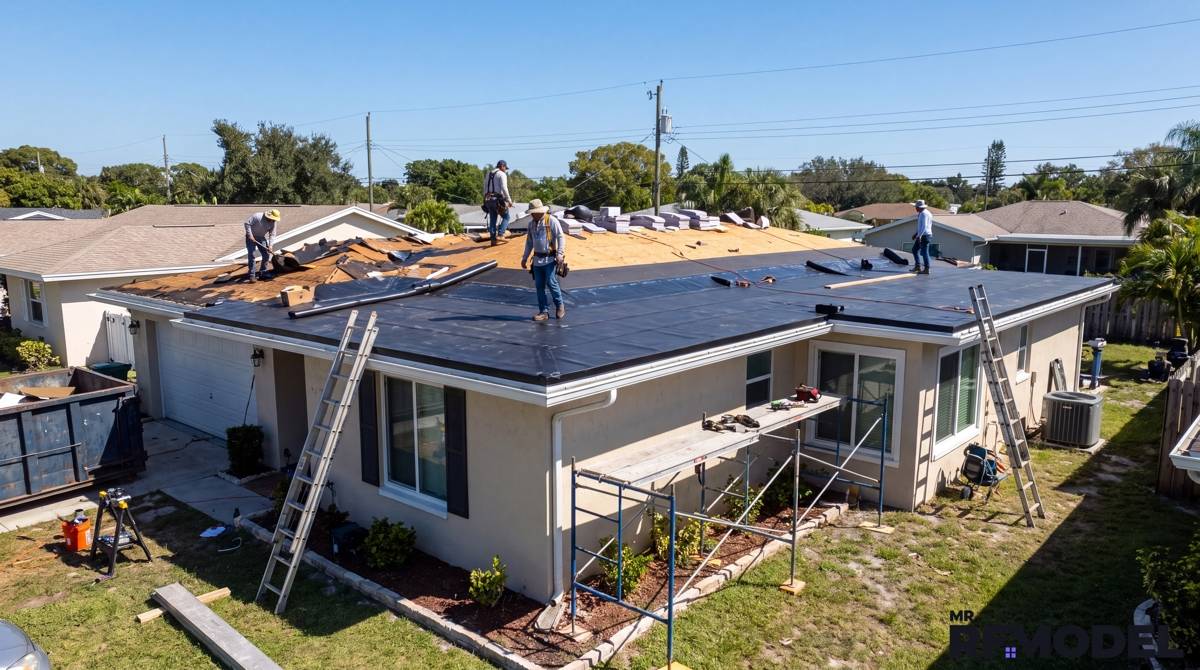
Table of Contents [hide]
Who This Is For
This guide is designed for residential and commercial property owners evaluating flat or low-slope roof systems, dealing with persistent leaks, and seeking transparent data on repair viability versus complete membrane replacement.
Key Takeaways
- Replacement Bias: Network benchmark data reveals 98.1% of flat roofing projects require a complete tear-off rather than minor repairs.
- Cost Expectations: The average national network replacement cost sits at $25,307, varying by membrane material and insulation tapering.
- Membrane Standards: Single-ply materials like TPO, EPDM, and PVC offer distinct longevity, chemical resistance, and installation methods.
- Code Compliance: Low-slope roofs below a 3:12 pitch require strict adherence to drainage codes and specialized heat-welding techniques.
Low-slope and flat roofing systems present unique structural demands compared to traditional pitched roofs. Water does not shed off flat surfaces as quickly, making water tightness essential.
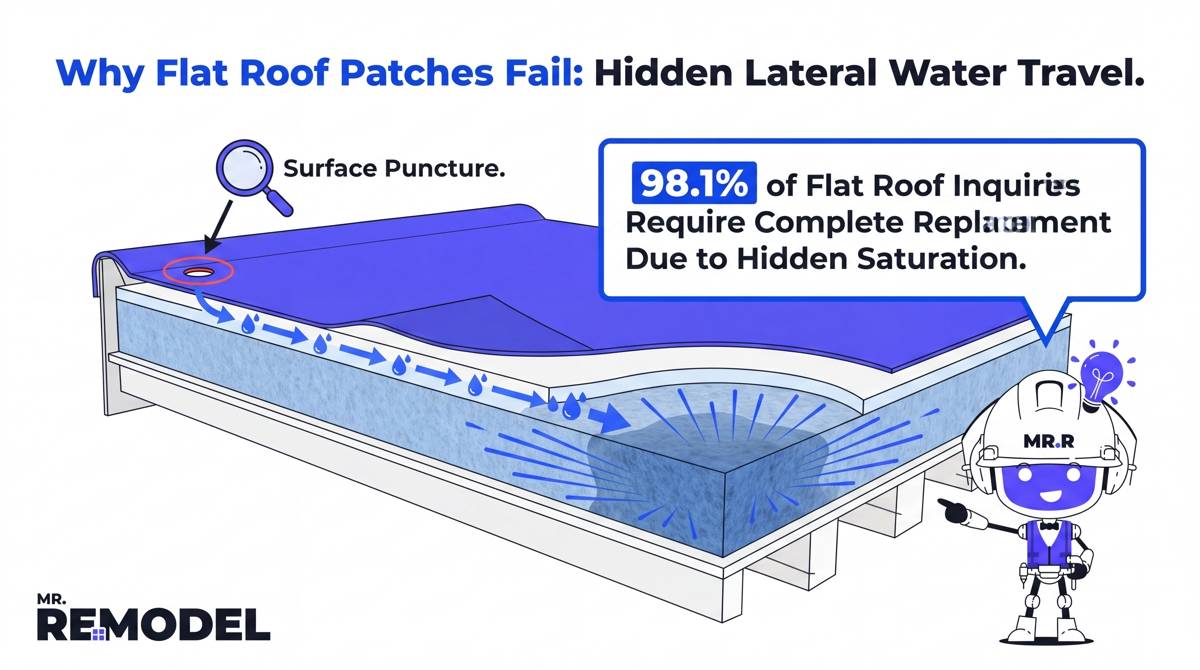
When a flat roof membrane breaches, moisture spreads laterally beneath the insulation layer before penetrating the ceiling below. Understanding the mechanics of low-slope systems helps property owners make cost-effective decisions when water damage occurs.
The Data Behind Flat Roof Replacement vs Repair
Property owners often attempt localized patch repairs on flat surfaces to save money. However, actual project statistics demonstrate that minor repairs rarely resolve underlying membrane failures.
Proprietary network data from Mr. Remodel indicates that 264 out of 269 flat roof projects required complete system replacements. That represents a 98.1% full replacement bias.
Because water travels sideways underneath low-slope membranes, isolated surface leaks usually indicate widespread substrate saturation.
See Related: Roof Repair vs Replacement: Cost, Lifespan & Decision Guide
Why Low-Slope Systems Fail Differently Than Pitched Roofs
Steep-slope roofs rely on gravity to shed precipitation over overlapping shingles. Flat roofs, by contrast, act as sealed waterproof trays that must hold standing water without leaking.
When a shingle breaks on a sloped roof, water damages only the area immediately beneath the break.
On a low-slope surface, trapped moisture degrades insulation boards and weakens structural decking across large areas.
Pitch Definitions and Technical Safety Standards
According to technical low-slope guidelines from the ANSI Blog, any roof system with a slope under 3:12 is categorized as low-sloped.
These systems demand continuous waterproof membranes, precision seam welds, and specialized safety protocols during installation.
The Danger of Standing Water
Ponding water occurs when precipitation remains on a flat roof for longer than 48 hours.
Structural maintenance reports from Rebuilding Together Central Ohio emphasize that ponding water accelerates membrane breakdown, dissolves adhesives, and causes structural sagging.
See Related: Roof Tear-Off vs Overlay Cost Comparison
Comparing Modern Flat Roof Membrane Materials
Selecting the right replacement material determines how well your building envelope withstands UV exposure, temperature swings, and severe weather.
Professional flat roof replacement specialists evaluate three primary single-ply membrane options for low-slope installations.
TPO Single-Ply Membranes
Thermoplastic Polyolefin is currently the most popular choice for commercial and residential flat surfaces. Its white surface reflects solar heat, lowering cooling costs during summer months.
Hot-air welded seams fuse TPO sheets, forming a continuous physical bond stronger than the membrane itself.
EPDM Synthetic Rubber Systems
EPDM is a durable synthetic rubber membrane frequently manufactured in dark gray or black sheets. It handles freeze-thaw cycles exceptionally well due to its flexible rubber composition.
As noted in membrane technical guides from the Chicago Roofing Contractors Association, EPDM remains highly resistant to impact damage from hail and falling tree limbs.
PVC High-Performance Membranes
Polyvinyl Chloride membranes deliver outstanding durability in harsh environments. PVC naturally resists oils, chemicals, and animal fats, making it the top choice for commercial kitchens.
Hot-air welded seams keep PVC roofs watertight even when exposed to standing water.
See Related: Metal Roofing: Cost, Energy Efficiency & Durability
Understanding Flat Roof Replacement Costs in 2026
Budgeting for a flat roof installation requires accounting for material costs, insulation board thickness, structural tear-off labor, and perimeter flashing detailing.
See Related: Roof Replacement Cost (2026): Materials, Labor, Regional Pricing & ROI
Key Cost Factors for Low-Slope Projects
- Existing Decking Condition: Replacing rotted plywood or OSB sheets increases total labor and material expenses.
- Tapered Insulation Systems: Adding sloped polyisocyanurate foam boards creates artificial drainage, preventing future ponding water.
- Membrane Thickness: Upgrading from 45-mil to 60-mil or 80-mil material improves puncture resistance and extends manufacturer warranties.
- Parapet Wall Detailing: Flashing membranes up parapet walls and securing termination bars requires extra time and craftsmanship.
Connecting with experienced specialists ensures your low-slope system meets strict building codes. Get transparent pricing and a free quote for your project through Mr. Remodel.
See Related: Roof Replacement Cost by Size (1,500, 2,000, 3,000+ Sq Ft)
Essential Steps in the Flat Roof Replacement Process
Understanding the replacement sequence helps property owners monitor project progress and verify quality workmanship.
Substrate Preparation and Insulation Board Laydown
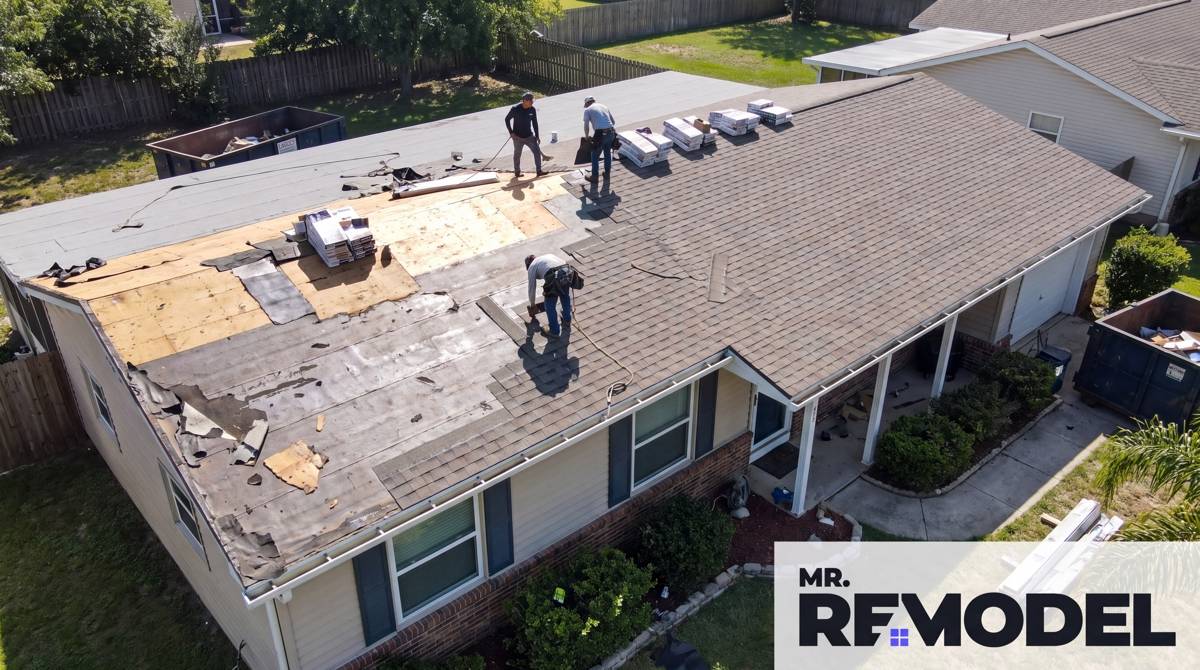
Installers first strip all old membrane layers down to the bare wooden or metal deck.
Next, contractors secure rigid polyisocyanurate insulation boards using mechanical fasteners or specialized low-rise adhesive foam.
Seam Welding and Edge Detailing
For TPO and PVC systems, technicians use hot-air welding tools set to exact temperature thresholds to melt overlapping membrane edges together.
Properly welded seams form an airtight bond that prevents wind uplift during severe storms.
See Related: Roofing Permits & Code Requirements (What to Expect)
How to Select the Right Flat Roofing Specialist
Working with specialized contractors protects your investment and ensures your warranty stays valid.
Verify Specialized Certifications
Flat roof installation requires specialized heat welding equipment and material training. Ensure your contractor holds active manufacturer certifications for the specific membrane brand being installed.
Hiring a certified local roofing company guarantees compliance with regional building codes and wind rating requirements.
Request Itemized Scope and Warranty Details
Review written proposals carefully before work begins. Your bid should separate tear-off disposal fees, insulation thickness specs, membrane brand names, and warranty coverage terms.
Comparing comprehensive roofing services enables you to choose the best material thickness for your property needs.
Frequently Asked Questions
Why do flat roof replacement specialists recommend full tear-offs instead of overlays?
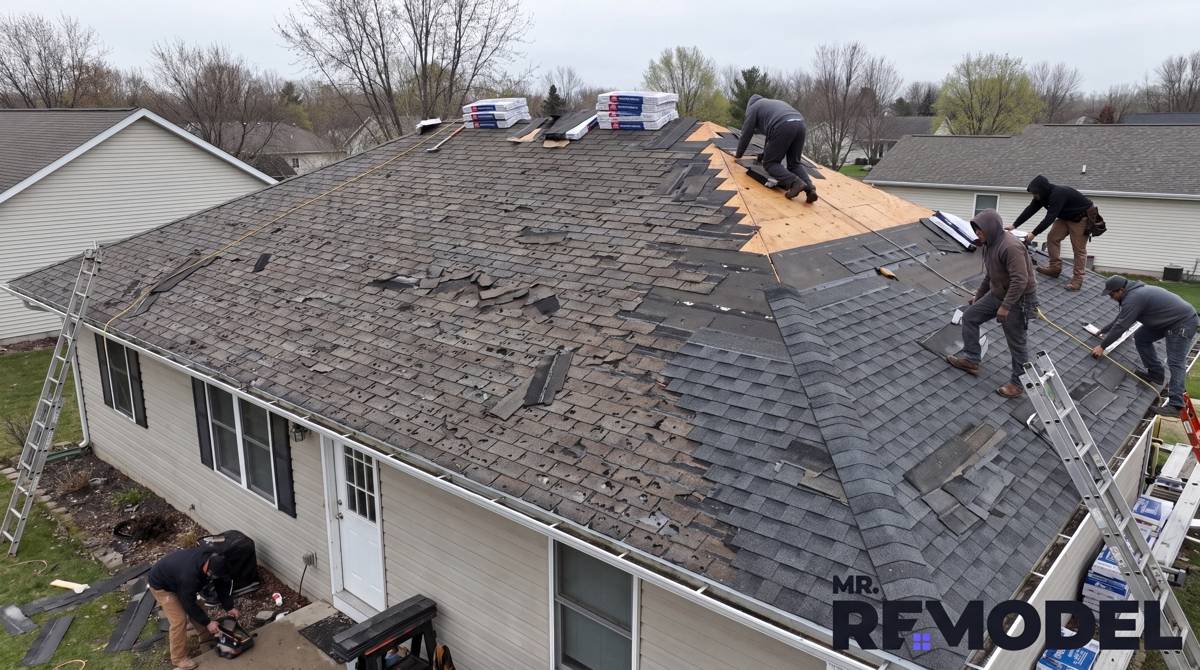
Overlays trap moisture inside old insulation layers, leading to wood rot and structural weakening. Complete tear-offs allow contractors to inspect underlying decking, repair hidden damage, and install proper slope insulation.
How long does a modern flat roof membrane last?
A professionally installed TPO or PVC flat roof lasts between 15 and 25 years. EPDM rubber membranes can last up to 30 years when properly maintained and kept free of standing debris.
What is the average cost to replace a flat roof in 2026?
Average roof replacement investments across national network data sit at $25,307. Final flat roof costs depend on square footage, membrane material thickness, and whether tapered insulation is needed.
How do services like Mr. Remodel help property owners with flat roof replacement?
Services like Mr. Remodel help property owners by connecting them directly with prescreened, licensed local contractors. Homeowners receive free quotes, expert material advice, and competitive bids from vetted specialists.
What causes flat roofs to leak most frequently?
Flat roofs leak primarily due to failed seam adhesives, punctured membranes, clogged interior drains, and flashing breakdown around roof penetrations. Regular inspections help identify small punctures before major leaks occur.
Protect Your Investment with Verified Flat Roof Specialists
Replacing a failing flat roof requires specialized craftsmanship, high-quality membrane materials, and precise drainage design. Attempting minor patch repairs on saturated substrates only delays necessary replacements while risking severe structural water damage.
Take control of your property maintenance today. Connect with trusted, vetted contractors in your area through Mr. Remodel to get free, no-obligation quotes and secure expert installation for your low-slope roof.