1-855-QUOTEMR

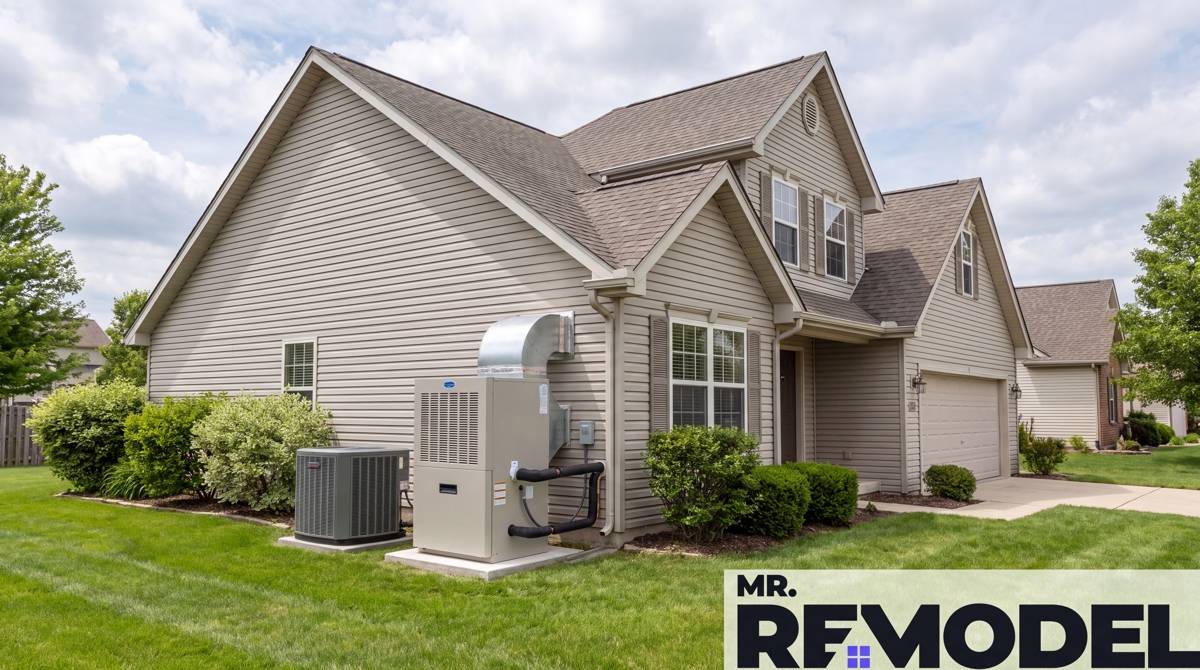
Table of Contents [hide]
Who This Is For
This operational guide is designed for homeowners looking to permanently resolve sticky indoor air, musty odors, and structural moisture risks by integrating high-capacity, central dehumidification equipment into their home's framework.
Key Takeaways
- Integration Cost: Professional installation of an in-duct central dehumidifier ranges from $1,500 to $2,800, depending on system capacity and duct configuration.
- Cooling ROI: Lowering relative humidity speeds up natural body cooling. This allows you to raise your thermostat by 2°F and slash summer cooling bills by up to 10%.
- Remediation Mitigation: Proactive humidity management eliminates the environmental conditions that cause structural mold and wood rot, helping you avoid remediation bills that often range from $3,000 to over $10,000.
- Air Quality Balance: For comprehensive respiratory protection, whole-home moisture controllers should be paired with deep-media air purification systems to eliminate both chemical irritants and biological spores.
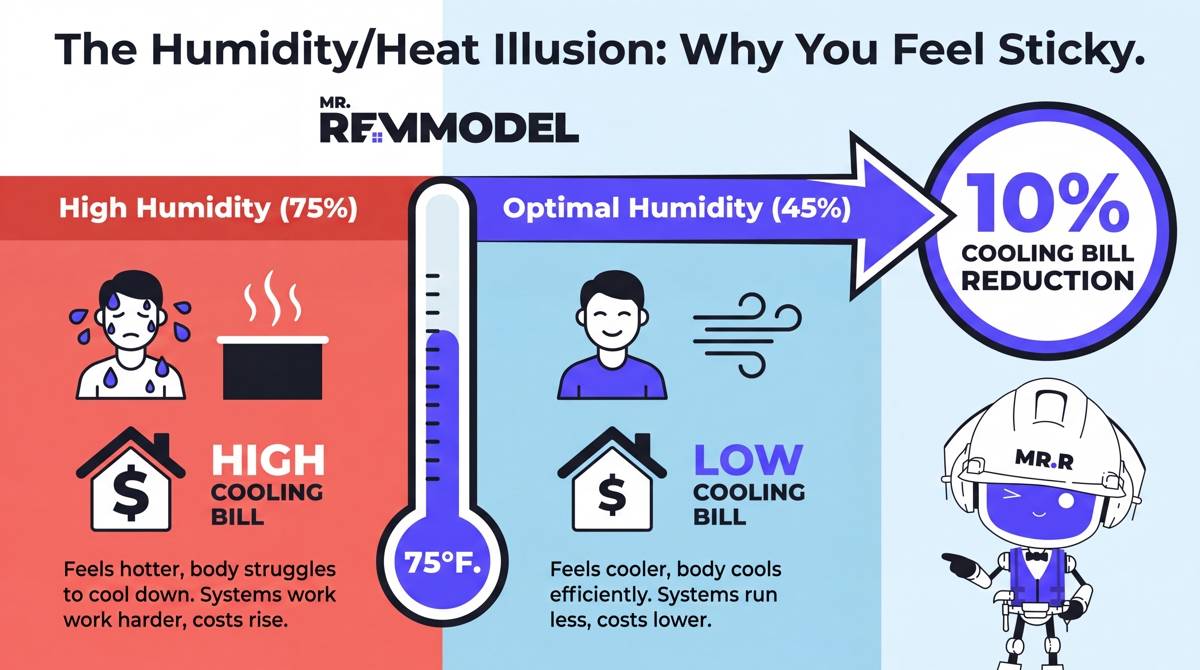
High indoor humidity turns a warm summer day from a minor inconvenience into a costly home comfort and maintenance challenge. When indoor air retains excessive moisture, your body's natural cooling mechanism is disrupted. This makes living spaces feel sticky and significantly warmer than the actual room temperature.
While small, portable dehumidifiers can manage a single room, they require manual emptying, consume valuable floor space, and lack the capacity to treat a home's entire volume. Upgrading to a central, whole-home system addresses this issue directly by pulling excess moisture out of every room simultaneously.
Data compiled by Mr. Remodel indicates that managing whole-house relative humidity protects your property's structure while lowering operating costs for your primary cooling equipment.
Structural Signs and Physical Triggers of Excess Moisture
Many homeowners only begin researching inline dehumidification arrays after noticing clear warning signs or physical structural symptoms. Recognizing the early indicators of elevated indoor humidity prevents deep moisture retention from damaging your home's framework.
See Related: Signs of Poor Indoor Air Quality
When indoor spaces consistently exceed healthy moisture thresholds, high humidity shows up as fogged or sweating windows, sticky hardwood flooring, a damp basement environment, or a persistent musty smell near your air registers. If left unmanaged, this ambient moisture can cause structural drywall seams to sag, wallpaper to peel, and organic finishes to warp.
To understand how your building envelope manages external stresses, it helps to review foundational indoor climate and airflow principles.
See Related: Indoor Air Quality Guide - Home Costs, Health & ROI
2026 Installation Costs by Dehumidifier Configuration
Whole-home dehumidifiers are tied directly into your central air conditioning return plenum or configured as a dedicated air-pumping station.
They feature a permanent plumbing connection to automatically route condensed water into your home's drainage line, removing the need for manual emptying. The total cost of the project is determined by the system's size and physical location.
- Standalone Basement / Crawl Space Unit: $1,200 to $2,200
- Central In-Duct Dedicated HVAC Integration: $1,500 to $2,800
Central In-Duct Dehumidifiers
Central in-duct units are integrated directly into your existing forced-air heating and cooling ductwork. These systems pull damp air through a dedicated return, lower the moisture content over internal cooling coils, and send the drier air back through your home's supply grilles.
This configuration treats all living areas evenly. The standard cost to install an in-duct dehumidifier runs between $1,500 and $2,800, which includes custom sheet metal transitions, professional electrical hookups, and primary plumbing line integration.
Standalone Basement and Crawl Space Units
Standalone systems are heavy-duty, high-capacity dehumidifiers designed specifically for unconditioned spaces like basements or encapsulated crawl spaces. While they can function without being tied directly into your upper-floor ducts, they play a critical role in stopping moisture from rising into your living areas.
A professional standalone crawl space installation typically costs between $1,200 and $2,200, which includes establishing proper gravity drainage lines or a dedicated condensate pump.
The Financial Return: Thermostat Adjustments and Energy Savings
While installing a central dehumidifier requires an upfront investment, the system delivers immediate financial returns by changing how you manage your home's cooling load.
Dry air speeds up moisture evaporation from your skin, which lowers your perceived temperature and makes you feel significantly cooler at a higher room temperature setting.
Guidelines from the U.S. Department of Energy indicate that optimizing indoor relative humidity allows your central air conditioner to operate much more efficiently. According to data tracked by Mr. Remodel, homeowners save roughly 4% to 5% on electric costs for every degree they raise their thermostat.
By keeping relative humidity at a comfortable 40% to 50%, you can comfortably raise your summer thermostat setting by 2°F, which reduces your seasonal cooling bills by up to 10%.
Protecting Your Home Investment: Avoiding Mold Remediation Bills
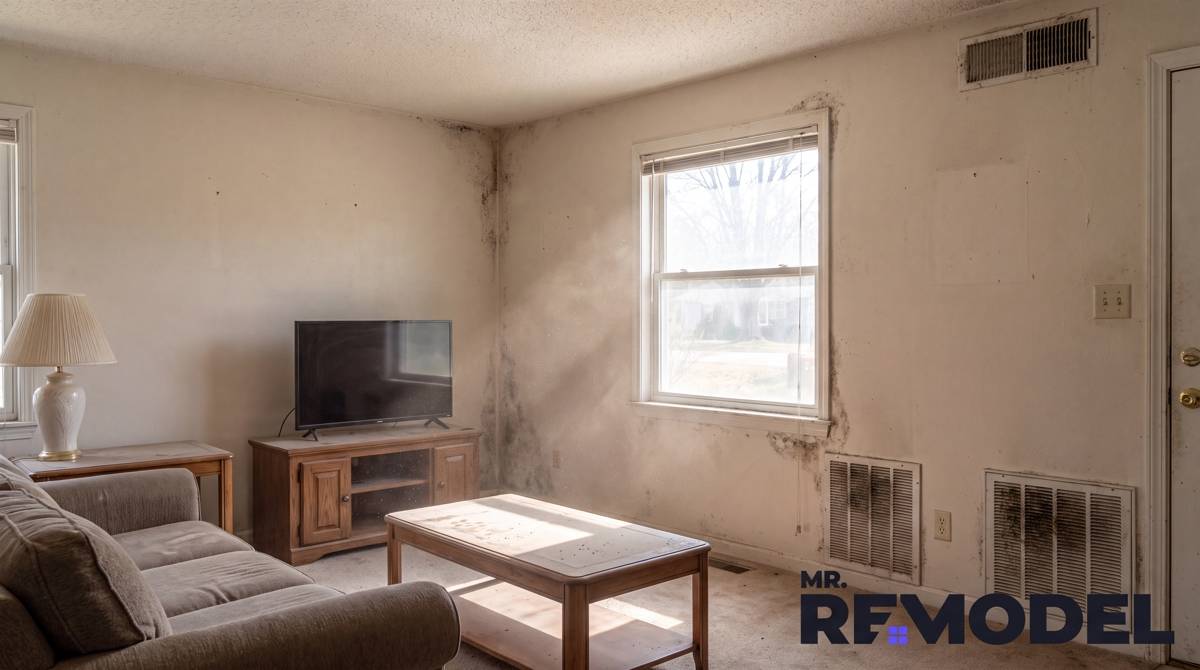
Beyond monthly energy savings, a whole-home dehumidifier serves as an effective defense against property damage. High relative humidity (above 60%) creates an ideal environment for mold spores, wood rot, and dust mites to thrive inside wall cavities and carpet padding.
According to guidelines from the U.S. Environmental Protection Agency (EPA), keeping indoor relative humidity strictly between 30% and 50% is the most effective way to prevent indoor biological growth.
Investing in a proactive moisture management system allows homeowners to avoid professional mold remediation and structural rot repairs, which can easily cost between $3,000 and $10,000+ if hidden moisture goes unnoticed.
Balancing Air Purification and Humidity Systems
Achieving balanced indoor air requires your home's different mechanical systems to work together in harmony. While removing excess moisture prevents mold growth, managing air quality also requires clearing out floating particulates and chemical compounds.
If your home's air contains high counts of dust or pet dander, a damp environment can cause those particles to stick inside your ductwork. To prevent this, your dehumidifier should operate alongside a dedicated air purification array.
See Related: Whole-Home Air Purifiers - 2026 Costs & ROI Guide
Furthermore, indoor climate challenges change with the seasons. While summer requires heavy dehumidification to manage sticky air, winter heating can dry out your home, causing skin irritation and separated wood joints. Managing these seasonal shifts requires a balanced approach to indoor climate care.
See Related: Whole-Home Humidifiers - 2026 Costs & HVAC Integration Guide
DIY Limits vs. Professional Installation Requirements
Integrating a whole-home dehumidifier into your home's infrastructure involves precise technical work. The installation requires balancing airflow pressures, fabricating custom sheet metal plenums, cutting safe drain routes, and making electrical connections.
Installation Steps
- Return Air Tap: Cutting into existing sheet metal ductwork.
- Dedicated Power: Running separate line-voltage circuits.
- Drainage Routing: Directing condensation safely to a floor drain.
- System Tuning: Balancing air pressures with the main AC fan.
To protect your home's warranty coverage and avoid performance drops, this type of system upgrade requires professional HVAC work. Experienced technicians ensure your dehumidifier is sized perfectly for your home's square footage, keeping your system running reliably through the heaviest summer heatwaves.
Frequently Asked Questions
What is the ideal indoor humidity level during the summer?
According to the EPA, residential indoor relative humidity should be kept between 30% and 50% year-round. In the summer, keeping humidity below 50% prevents mold growth, eliminates sticky air, and keeps dust mites under control.
Will a whole-home dehumidifier lower my air conditioner's workload?
Yes. Air conditioners naturally remove moisture as they cool, but handling heavy humidity drains a significant amount of energy. A dedicated whole-home dehumidifier removes moisture much more efficiently, allowing your primary air conditioner to focus on lowering the temperature while running shorter cycles.
How often does a central whole-home dehumidifier require maintenance?
Whole-home dehumidifiers are built for low-maintenance operation, typically requiring an internal air filter inspection and replacement once or twice per year. Additionally, a professional should inspect the condensate drain line annually to ensure water flows away safely.
Can I use a whole-home dehumidifier in a house without ductwork?
Yes. If your home uses ductless mini-splits or radiant heating, a high-capacity standalone dehumidifier can be installed in a basement or crawl space. These systems can be configured with dedicated wall grilles to pull damp air from living spaces without needing a full central duct system.
How long can I expect a whole-home dehumidifier to last?
With regular filter changes and annual maintenance inspections, a professional-grade whole-home dehumidifier typically operates reliably for 10 to 15 years.
Optimize Your Home's Climate and Comfort
Integrating an automated, whole-home dehumidification system into your home's mechanical framework is a reliable way to eliminate sticky air, protect your home from mold risks, and lower your summer energy expenses.
Ready to improve your home's summer comfort? Reach out to Mr. Remodel to get a free, no-obligation quote and connect with reliable local HVAC professionals who can design the perfect moisture control system for your home.