1-855-QUOTEMR

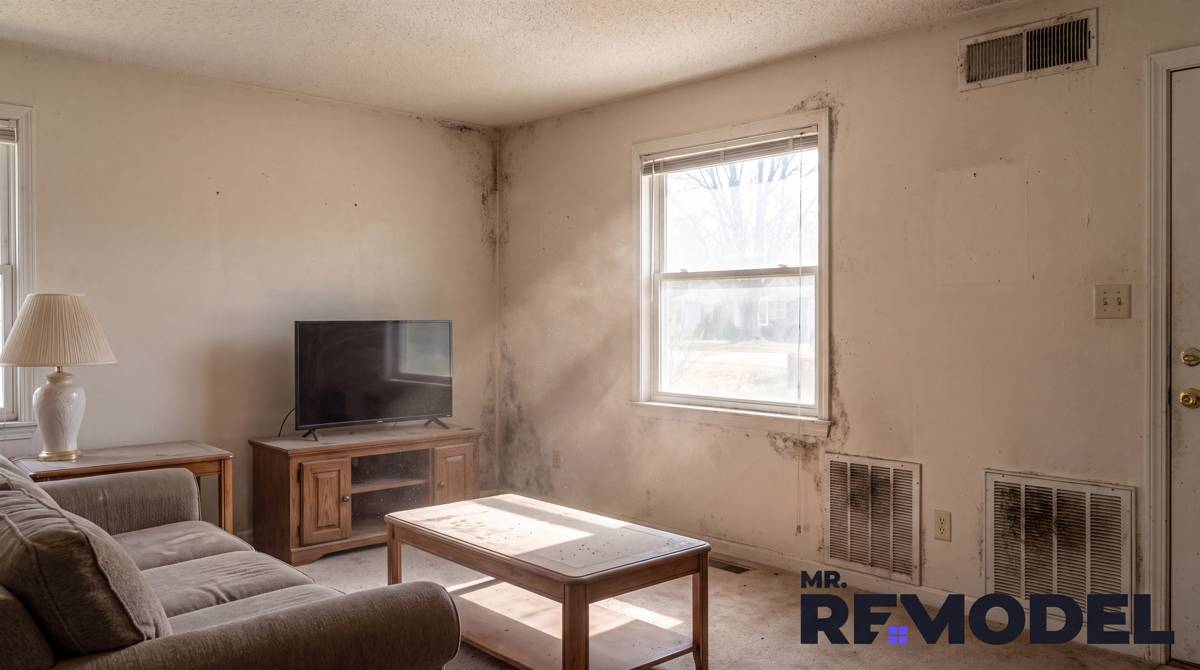
Table of Contents [hide]
Who This Is For
This guide is created for homeowners who want to identify hidden air quality issues in their living spaces, understand the connection between indoor pollutants and property damage, and discover long-term solutions that lower utility costs.
Key Takeaways
- Substantial Efficiency Gains: Resolving poor indoor air quality through systematic HVAC optimization and proper maintenance can restore up to 20% in system efficiency, leading to immediate energy savings.
- Rapid Tech Adoption: Over 46% of modern households have transitioned to smart indoor air quality tech, utilizing real-time automated sensors to monitor and correct airborne pollutants.
- The Valuation Context: The global residential indoor air care sector has grown into a $15.7 billion market, reflecting a major shift toward treating home air quality as a vital structural investment.
- Interconnected Systems: Safeguarding indoor air quality requires a balanced approach that combines deep media purification, proper ventilation, and precise humidity management.
Many homeowners mistake indoor air pollution for simple seasonal allergies or standard household dust. In reality, the air inside a typical residential property can be up to five times more polluted than outdoor air. Because modern homes are built with tight seals to maximize energy efficiency, they often trap airborne irritants, chemical compounds, and biological spores inside the building envelope.
Ignoring the warning signs of degraded air quality does more than cause physical discomfort. It can also introduce serious mechanical issues to your central heating and cooling equipment.
Data tracked by Mr. Remodel reveals that addressing air purity issues through proper ventilation and advanced filtration can deliver an efficiency recovery of up to 20% in savings on monthly utility bills. Treating your home's air care as a vital long-term investment protects both your family's respiratory health and your property's market value.
Physical and Environmental Indicators of Compromised Air
Recognizing the early warning signs of a compromised indoor environment is essential to preventing minor issues from escalating into expensive structural repairs or prolonged health concerns.
See Related: Indoor Air Quality Guide - Home Costs, Health & ROI
1. Accelerated Dust Buildup on Household Surfaces
If a thick layer of grey dust accumulates on your countertops, shelving, and electronic equipment within days of a thorough cleaning, your HVAC system is failing to filter the air effectively. This constant settling indicates that fine particulates are continuously re-circulating through your ductwork instead of being trapped by your filtration system.
2. Persistent, Unexplained Odors
Musty, stale, or chemical odors that linger despite open windows or air fresheners are a clear sign of stagnant air. A musty scent typically points to biological growth within the drainage pans or unconditioned spaces, while chemical smells may stem from volatile organic compounds (VOCs) off-gassing from household furniture, carpeting, or building materials.
3. Visible Condensation on Window Panes and Surfaces
When moisture regularly collects on the inside of your windows, it indicates that indoor relative humidity has surpassed healthy levels. According to guidelines from the U.S. Environmental Protection Agency (EPA), high humidity creates an ideal environment for dust mites to multiply and mold spores to settle on porous drywall and wood trim.
- Tight Home Seals Trap Organic Moisture & Chemical Contaminants
- Relative Humidity Exceeds 60%, Creating Condensation on Glass
- Microscopic Particulates Settle Inside Hard-to-Reach Duct Spaces
- Airflow Resistance Weakens Mechanical HVAC Performance Levels
- Monthly Energy Costs Surge (+20% Efficiency Penalty)
Health-Related Red Flags
Your body often serves as the most sensitive indicator of poor indoor air quality. When multiple family members experience identical symptoms that improve when they leave the house, the building's air supply requires close inspection.
4. Chronic Congestion and Respiratory Irritation
Frequent sneezing, coughing, watery eyes, and runny noses outside of normal allergy seasons are common signs of high particulate counts. Microscopic dust, pet dander, and insect debris float invisibly in the air stream, irritating sensitive nasal passages and upper respiratory tracts.
5. Heightened Asthma Flare-Ups and Allergy Symptoms
An unmaintained ventilation system can trigger sudden, severe asthma attacks or intense allergy flare-ups indoors. When biological pollutants or fine particulate matter bypass basic filters, they settle deep into lung tissues, causing immediate inflammation.
6. Persistent Headaches, Dizziness, and Fatigue
Experiencing recurring headaches, morning dizziness, or constant fatigue that resolves when spending time outdoors can be tied to poor ventilation. When a building envelope lacks sufficient fresh air changes, carbon dioxide (CO2) and chemical off-gassing build up within living spaces, impacting cognitive comfort.
Mechanical and Structural Warning Signs
Poor air quality frequently leaves physical clues across your home's structural components and mechanical equipment.
7. Dark Discoloration Around Supply Registers
Take a close look at the drywall, ceiling tiles, or carpet fibers directly surrounding your supply vents. Dark streaks or grey shadows—often called ghosting—indicate that fine soot, dust, or microscopic pollutants are being forced through the system and sticking to surfaces via static electricity.
8. Hidden Mold Growth and Spore Settlement
Discovering black or dark green spotting on bathroom walls, kitchen backsplashes, or window frames is a serious structural issue. According to public health documentation from the Benton Franklin Health District, airborne mold spores require immediate attention to prevent deep moisture retention from damaging your framing.
9. Warping Wood Flooring and Separating Drywall Seams
Wood and drywall expand and contract based on ambient moisture levels. If your home shifts from sticky summer air to dry winter heat without proper regulation, you may notice hardwood floor planks buckling, baseboards pulling away from walls, or drywall seams splitting.
10. Frequent HVAC Component Failures
An HVAC system operating in a highly polluted environment will experience frequent mechanical breakdowns. Fine dust bypasses weak filters and coats internal fan blades, electrical contacts, and coil surfaces. This buildup forces motors to draw more power, leading to premature component burnouts.
Implementing Permanent Solutions: The HVAC Integration Framework
Resolving indoor air care challenges permanently requires moving past superficial temporary fixes like portable countertop purifiers. True, systemic improvement is achieved by integrating professional mechanical solutions directly into your central HVAC framework.
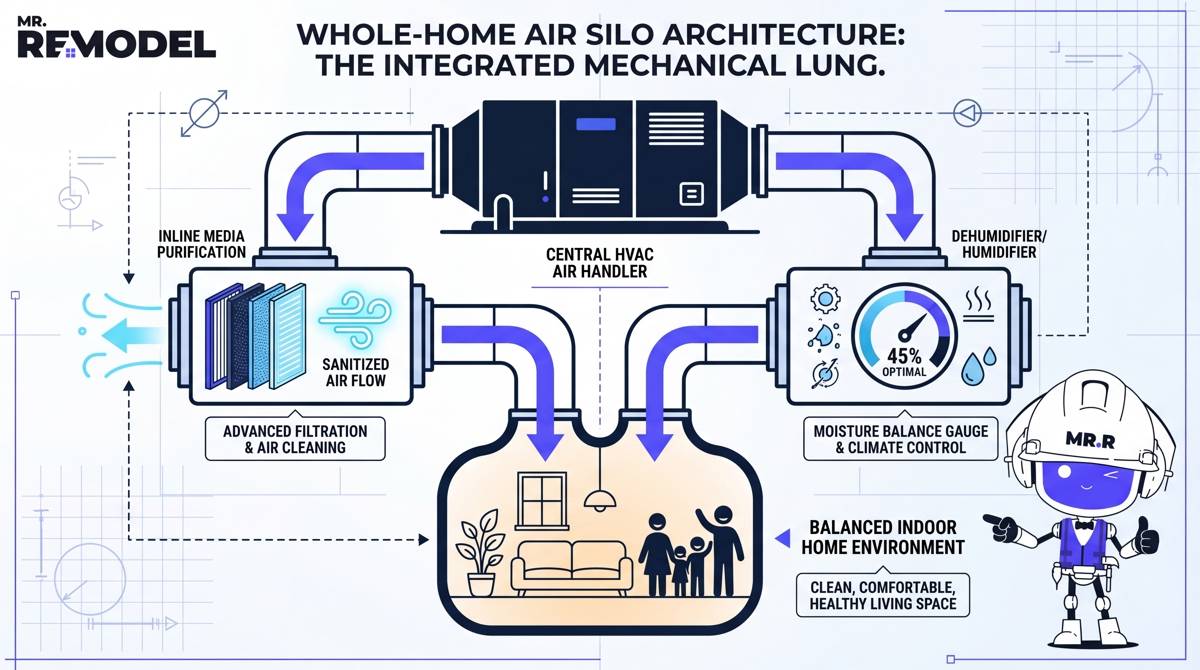
Dedicated Whole-Home Air Purification
Precise Moisture and Humidity Regulation
Managing air purity requires maintaining a balanced relative humidity level. Depending on your local climate, this may require a dual-action approach: adding controlled moisture during dry winter months or pulling out excess moisture during sticky summer heatwaves.
See Related: Whole-Home Humidifiers & Whole-Home Dehumidifiers
DIY Troubleshooting Boundaries vs. Professional Diagnostics
While homeowners can safely handle basic steps like checking filters or vacuuming surface grilles, diagnosing hidden indoor air pollution challenges requires specialized technical instrumentation. Certified experts utilize particle counters, relative humidity meters, and thermal imaging cameras to inspect unsealed duct systems and identify performance losses.
Technical Diagnostic Inspections
- Laser Particle Counting: Measuring microscopic airborne counts.
- Duct Static Testing: Evaluating airflow resistance levels.
- Moisture Mapping: Tracking hidden biological growth sources.
- Volatile Compound Scan: Locating toxic VOC off-gassing nodes.
According to technical standards from the National Organization of Remediators and Microbial Inspectors (NORMI), addressing complex moisture retention challenges early prevents expensive structural remediation down the road.
If your home shows signs of compromised air, seeking professional HVAC services ensures your system is evaluated accurately and calibrated for peak long-term efficiency.
Frequently Asked Questions
Can poor indoor air quality really cause my energy bills to rise?
Yes. When fine dust and airborne particulates pass through weak filters, they form a thick layer on your indoor evaporator coil and restrict airflow. This forces your system to run significantly longer to adjust home temperatures, introducing up to a 20% efficiency loss on your utility statement.
How do smart sensors assist in managing indoor air variables?
Modern smart monitoring systems utilize specialized automated sensors to track particulate counts, chemical compounds, and relative humidity in real time. These devices sync directly with smartphone apps, notifying you of air quality shifts and automatically adjusting your ventilation equipment.
Will opening my windows clean out trapped indoor air pollutants?
Opening windows can provide short-term ventilation, but it can introduce outdoor challenges like pollen, mold spores, industrial smog, or high humidity into your home. True, consistent air care requires a dedicated whole-home mechanical filtration and ventilation system.
What is volatile organic compound off-gassing?
Off-gassing refers to the steady release of airborne chemical vapors from everyday household items like manufactured wood furniture, synthetic carpeting, paints, and strong household cleaners. These vapors build up inside tightly sealed modern homes, requiring high-efficiency filtration to neutralize.
How do services like Mr. Remodel help resolve home air care challenges?
Services like Mr. Remodel simplify home improvements by connecting you with vetted local HVAC specialists. These certified professionals offer precise diagnostic testing and high-quality equipment integrations, ensuring your home's mechanical systems operate reliably and efficiently.
Restore Your Home's Environmental Health
Ignoring the warning signs of poor indoor air quality risks long-term property damage and unnecessary utility expenses. Taking a proactive approach to advanced filtration, systematic ventilation, and precise humidity management protects your family's comfort and your mechanical investment.
Ready to improve your home's air care? Reach out to Mr. Remodel to get a free, no-obligation quote and connect with reliable local specialists who can ensure your heating and cooling system operates cleanly and efficiently all year long.