1-855-QUOTEMR

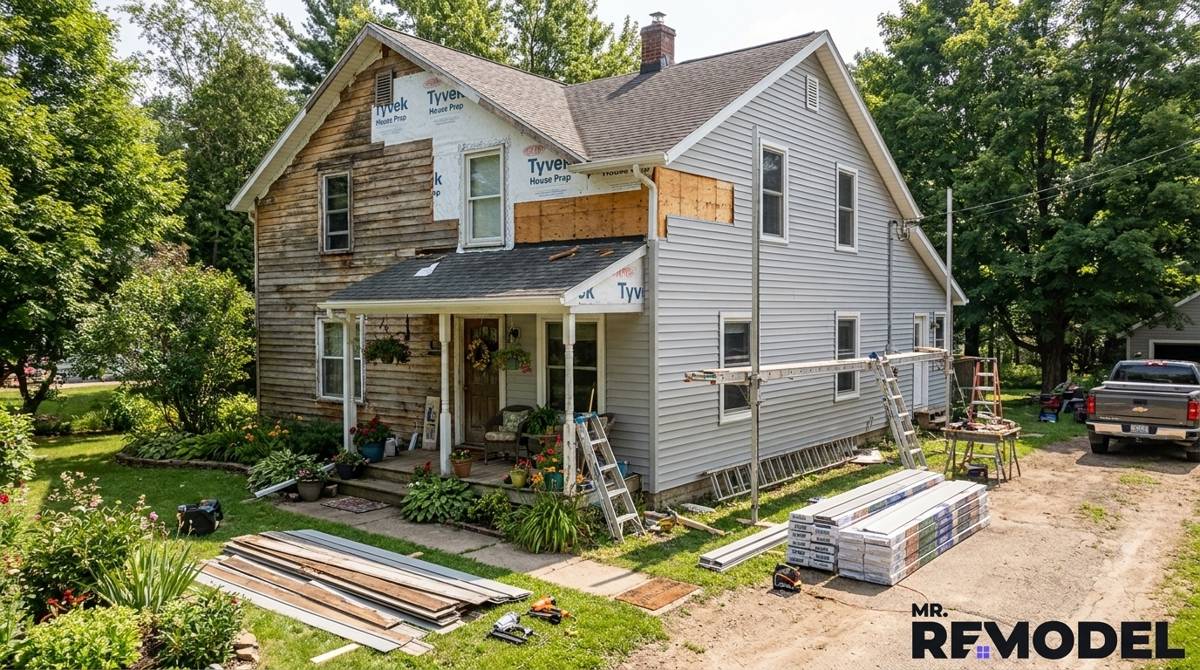
Table of Contents [hide]
Who This Is For
Homeowners replacing aging siding, buying an older home, comparing repair versus replacement, improving curb appeal, or looking for better protection, comfort, and long-term exterior performance.
Key Takeaways:
- Replacement Demand Is Strong: Siding installation accounts for about 92% of Mr. Remodel siding inquiries.
- Vinyl Leads Demand: Vinyl generated 4,057 siding inquiries, or about 69% of all siding requests.
- Costs Vary: Material, home size, labor, removal, trim, and hidden damage affect the final price.
- Replacement Can Protect the Home: New siding can help manage moisture, improve curb appeal, and protect the exterior envelope.
- Contractor Selection Matters: A clear quote and an experienced siding contractor are just as important as material choice.
Old siding does more than make a home look tired. When siding cracks, warps, rots, loosens, or lets moisture behind the exterior wall, it can affect comfort, curb appeal, and long-term protection.
This siding replacement guide explains when replacement makes sense, what it costs, which materials to compare, and how to hire the right contractor.
Mr. Remodel siding inquiry data shows that most homeowners are looking for larger siding projects rather than small repairs. Siding installation generated 5,462 inquiries, compared with 445 repair inquiries.
That means installation accounts for about 92% of siding inquiries, while repair accounts for about 8%. For many homeowners, siding replacement becomes the practical choice when damage is widespread, materials are aging, or repeated repairs no longer solve the problem.
What Is Siding Replacement?
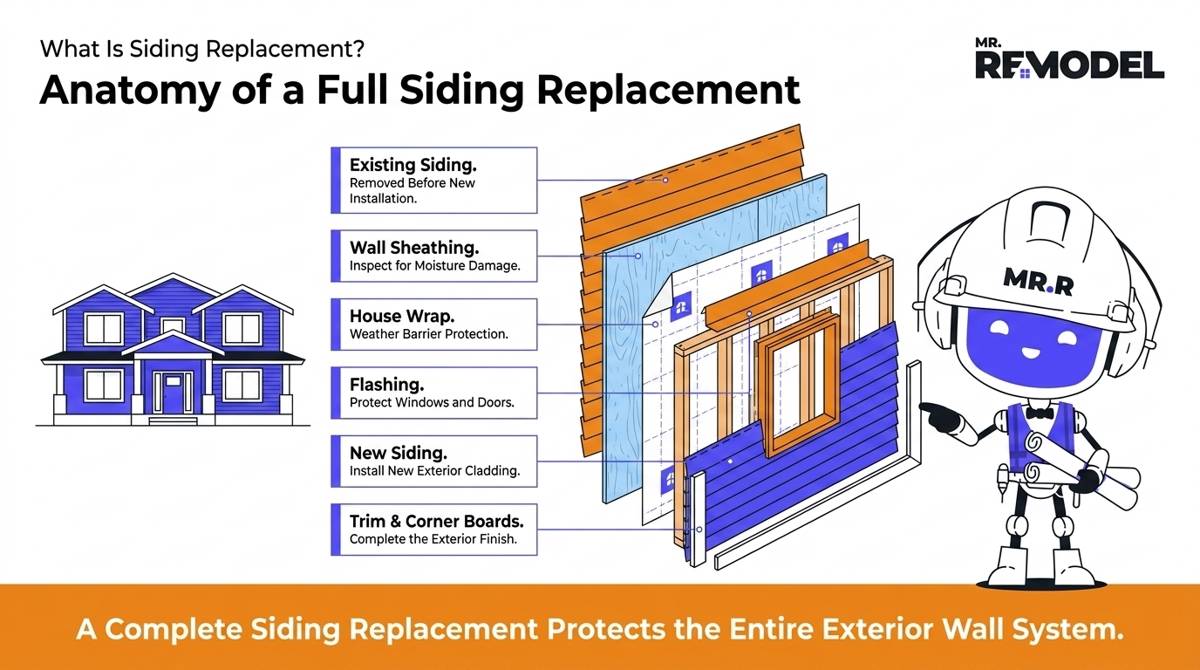
Siding replacement means removing old or failing siding and installing new exterior cladding on the home. In some cases, the project may involve replacing all siding. In others, it may focus on one side of the home, a damaged elevation, or sections affected by moisture or storm damage.
A full siding replacement may include removing old siding, inspecting the sheathing, installing or replacing house wrap, repairing damaged trim, adding flashing, and installing the new siding system.
Partial replacement may work when the damage is limited. However, matching color, texture, and profile can be difficult if the existing siding is old or discontinued.
The United States Department of Energy explains that a home’s exterior envelope affects comfort, insulation, and energy performance. Homeowners can learn more from the Department of Energy’s Energy Saver resources, which cover home efficiency and envelope improvements.
Siding replacement is not just a cosmetic upgrade. It is part of the system that helps shield the home from weather, moisture, wind, sun, and temperature changes.
Signs Your Home May Need New Siding
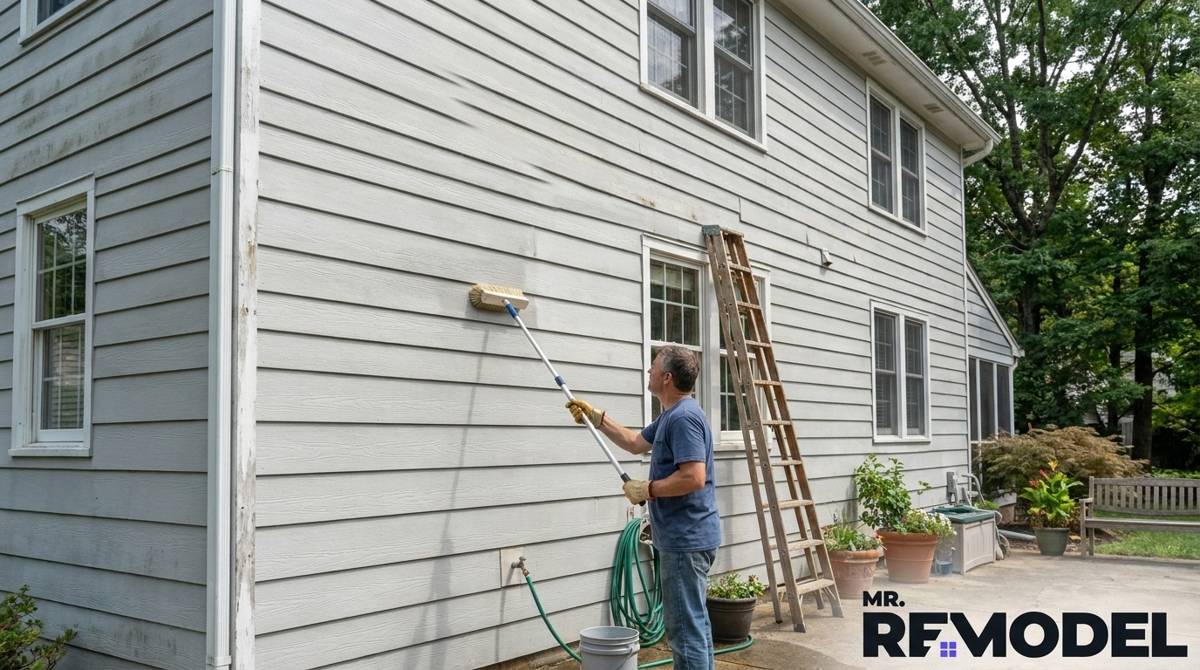
Some siding problems are easy to see. Others show up as moisture, drafts, or higher maintenance needs over time.
Common warning signs include:
- Cracked, warped, or loose siding
- Rotting wood siding
- Bubbling or blistering panels
- Faded or uneven color
- Gaps around seams or trim
- Water stains on interior walls
- Soft spots beneath siding
- Mold, mildew, or algae growth
- Pest damage
- Repeated repair needs
If one small section is damaged, repair may be enough. If problems appear across multiple areas, replacement may be more cost-effective.
The U.S. Environmental Protection Agency (EPA) offers information on healthy homes and moisture concerns, which is useful when thinking about water intrusion and long-term home protection.
Moisture behind siding can become more serious if it reaches sheathing, framing, insulation, or interior finishes. That is why homeowners should not ignore siding that looks swollen, soft, or separated from the wall.
See Related: Signs Your Home Needs New Siding
How Much Does Siding Replacement Cost?
Siding replacement cost depends on material, home size, labor, old siding removal, repairs, trim, house wrap, and installation complexity.
Industry-standard planning estimates include:
These ranges are not guaranteed quotes. A small single-story home with simple vinyl siding may cost much less than a large home with fiber cement, complex architecture, trim details, and sheathing repairs.
Major cost drivers include:
- Home size
- Number of stories
- Siding material
- Old siding removal
- Disposal fees
- House wrap
- Flashing
- Trim and corner boards
- Moisture damage
- Sheathing repairs
- Labor rates
- Permit requirements
- Architectural details
The lowest quote is not always the best choice. A detailed estimate should explain what is included, what is excluded, and what could change the final price.
Most Popular Siding Materials
Choosing the right siding material is one of the biggest decisions in the project. Material affects cost, maintenance, appearance, durability, and long-term performance.
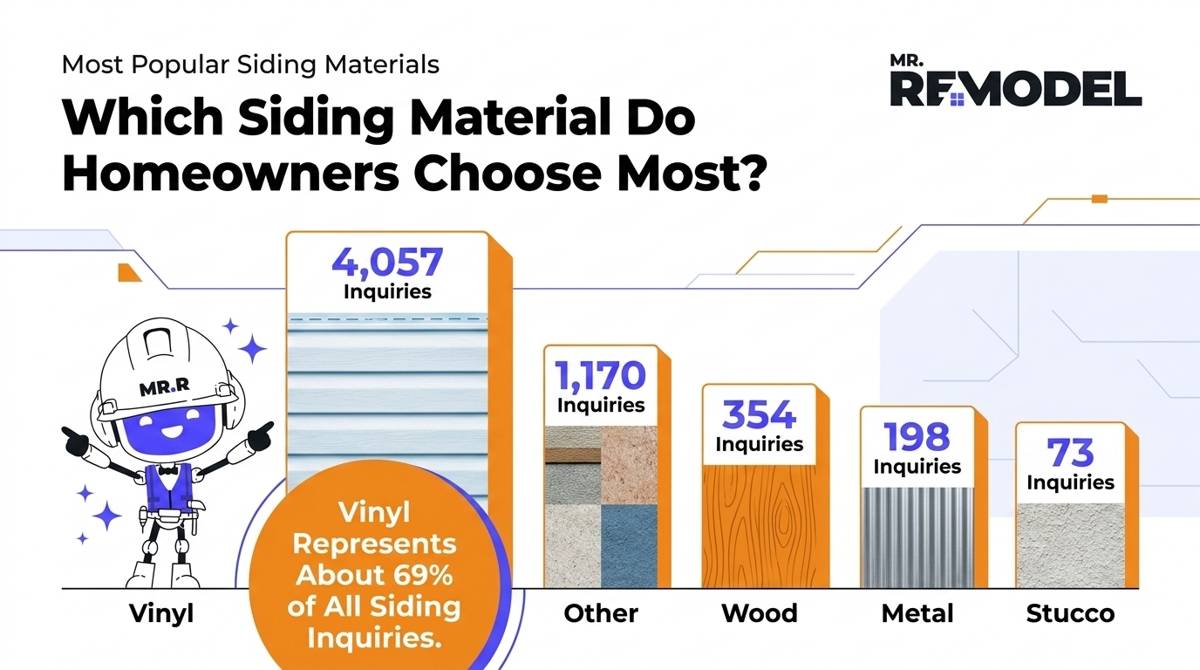
Mr. Remodel siding data shows that vinyl is the leading material category by far. Vinyl generated 4,057 inquiries, representing about 69% of all siding inquiries. Other materials generated 1,170 inquiries, wood generated 354, metal generated 198, and stucco generated 73.
Vinyl Siding
Vinyl siding is popular because it is affordable, widely available, and has lower maintenance than many other materials. It does not need painting, and it comes in many profiles and colors.
Vinyl may not be the best fit for every climate or design goal, but it remains one of the most common siding choices for homeowners who want value and easy upkeep.
Fiber Cement Siding
Fiber cement siding can offer strong durability and a wood-like look. It is often chosen by homeowners who want a more premium appearance than basic vinyl.
It usually costs more than vinyl and may require repainting over time. Installation can also be more labor-intensive because the material is heavier.
Engineered Wood Siding
Engineered wood siding is designed to offer a wood-like appearance with improved consistency and lower maintenance than traditional wood. It can be a good middle ground for homeowners who want warmth and texture.
Costs vary based on product type, finish, and installation details.
Wood Siding
Wood siding has a classic appearance and can work well on historic or custom homes. It can be painted or stained and offers a natural look.
However, wood requires more maintenance than vinyl or metal. It may need regular sealing, painting, or repairs to prevent rot, pests, and moisture problems.
Metal Siding
Metal siding, including steel or aluminum, can offer strength and a modern look. It may be used on contemporary homes, farmhouses, or properties where durability is a priority.
Costs vary by metal type, finish, profile, and installation complexity.
Stucco
Stucco is more common in certain climates and architectural styles. It can provide a clean, durable exterior when installed correctly.
However, stucco performance depends heavily on climate, drainage, and installation quality.
Siding Repair vs Replacement
Siding repair can make sense when damage is limited to a small section. A few cracked panels, loose pieces, or isolated storm damage may be repaired without replacing the entire exterior.
Replacement is usually smarter when damage is widespread, the siding is near the end of its lifespan, repairs keep repeating, or moisture has reached the materials behind the siding.
Mr. Remodel data supports this pattern. Installation generated 5,462 inquiries, while repair generated 445. That means installation demand is more than 12 times greater than repair demand.
For homeowners, that does not mean repair is never worthwhile. It means many siding problems eventually become large enough that homeowners look for a broader installation or replacement solution.
Repair may work when:
- Damage is isolated
- Matching material is available
- The rest of the siding is in good shape
- There is no hidden moisture damage
- The siding is not near the end of its lifespan
Replacement may be better when:
- Multiple walls are damaged
- Siding is warped, cracked, or loose in many places
- Wood siding is rotting
- Moisture damage is suspected
- Repairs are becoming frequent
- The siding looks outdated or faded
- The homeowner wants a major curb appeal upgrade
See Related: Siding Repair vs Replacement
Need help planning your siding project? Get a free quote from fully vetted local siding contractors and compare options for your home.
How Long Does Siding Last?
Siding lifespan depends on material, installation quality, climate, maintenance, and exposure. A shaded side of the home may age differently than a sunny or storm-facing side.
General lifespan expectations include:
These are general planning ranges. Homes in harsh climates, high-moisture regions, coastal areas, or storm-prone locations may need replacement sooner.
Maintenance matters too. Wood siding that is repainted and sealed on schedule may last much longer than neglected wood siding. Vinyl siding that is properly installed and cleaned may perform well for decades.
See Related: How Long Does Siding Last?
Does New Siding Increase Home Value?
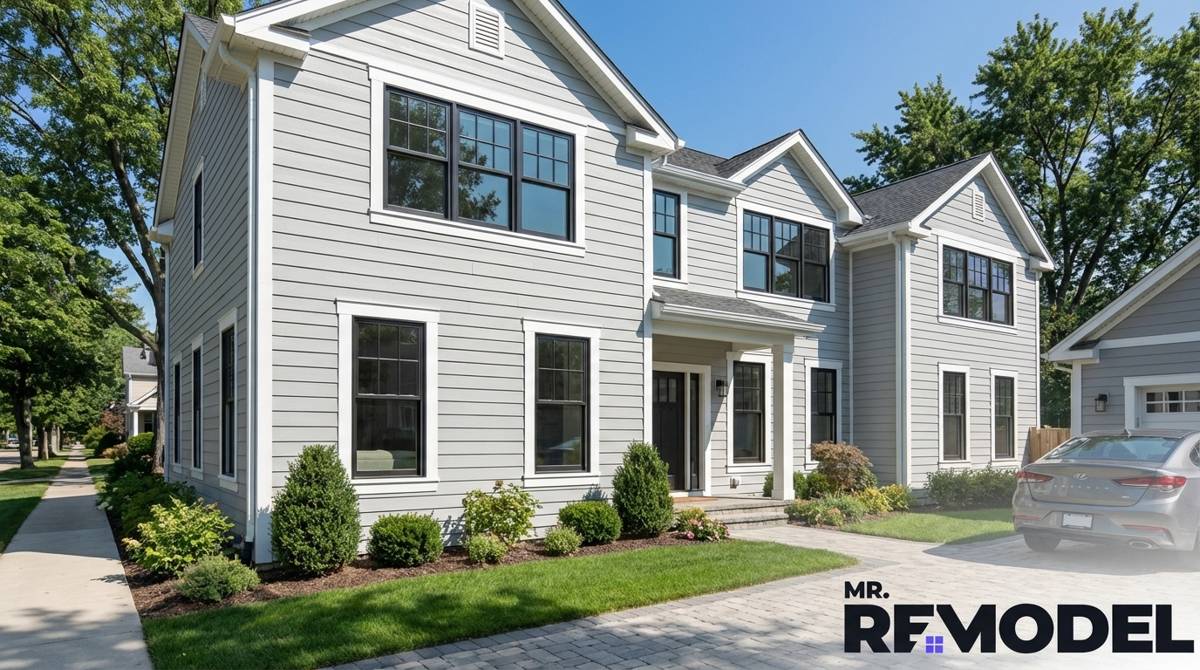
New siding can improve curb appeal, make a home look better maintained, and help buyers feel more confident about the exterior. It can also reduce visible wear that makes a home look older than it is.
However, homeowners should be careful with exact return on investment (ROI) claims unless they are backed by a current source. Resale value depends on local market conditions, material choice, home condition, buyer preferences, and installation quality.
Siding replacement may add value in several practical ways:
- Cleaner exterior appearance
- Better curb appeal
- Reduced maintenance concerns
- Improved buyer confidence
- Better moisture protection
- Updated style and color
- Stronger exterior performance
Energy efficiency may also improve when siding replacement includes house wrap, air sealing, insulation upgrades, or repairs to damaged exterior materials. The Department of Energy’s Energy Saver resources are useful for understanding how exterior improvements can support home comfort.
See Related: Does New Siding Increase Home Value?
How Siding Replacement Works
A siding replacement project usually follows a clear process. The details vary by contractor and material, but homeowners can expect several common steps.
First, the contractor inspects the exterior and measures the home. They should identify existing siding material, wall conditions, trim details, access issues, and possible repairs.
Next, the homeowner chooses material, color, profile, and trim options. A written estimate should explain removal, disposal, house wrap, flashing, labor, warranty, and repair allowances.
Once work begins, the crew removes old siding and checks the surface behind it. This is where hidden issues may appear, including moisture damage, soft sheathing, insect damage, or failed flashing.
After repairs and prep work, the contractor installs house wrap or a moisture barrier as needed. Flashing is added around windows, doors, corners, and other vulnerable areas.
Then the new siding is installed according to product requirements. Trim, corners, soffit transitions, and finishing details are completed before cleanup.
A final walkthrough should confirm that seams, trim, caulking, cleanup, and warranty information are complete.
How to Choose a Siding Contractor
The right siding contractor should understand material handling, moisture management, flashing, trim, and local weather conditions. Siding is not just surface decoration. Poor installation can allow water behind the wall, cause buckling, void warranties, or shorten material life.
Before hiring, ask practical questions:
- Are you licensed where required?
- Can you provide proof of insurance?
- What siding materials do you install most often?
- Is old siding removal included?
- Is disposal included?
- Is house wrap included?
- Is flashing included?
- How do you handle hidden moisture damage?
- Is trim replacement included?
- What warranty covers labor?
- What warranty covers the siding product?
- Are permits required?
- How long will the project take?
- Who will supervise the work?
- What could change the final price?
A good estimate should be specific. It should not just say “new siding.” It should list the material, profile, color, square footage or scope, trim details, removal, prep work, repairs, and warranty terms.
Homeowners should compare at least two or three quotes when possible. Look for differences in scope, not just price.
Frequently Asked Questions
How much does siding replacement cost?
Siding replacement often costs about $8,000 to $25,000 or more, depending on home size, material, labor, old siding removal, trim, house wrap, repairs, and local pricing. Vinyl siding is usually one of the more affordable options, while wood, fiber cement, and premium materials often cost more.
When should siding be replaced instead of repaired?
Siding should usually be replaced instead of repaired when damage is widespread, repairs keep repeating, moisture has reached the materials behind the siding, or the existing siding is near the end of its lifespan. Small isolated damage may still be repairable if matching material is available.
What is the best siding material?
The best siding material depends on budget, climate, maintenance goals, and home style. Vinyl is popular for affordability and low maintenance; fiber cement is often chosen for durability and appearance; wood offers a classic look, and metal can work well for strength and modern design.
How long does new siding last?
New siding can last anywhere from 20 to 50 years or more, depending on the material, installation quality, climate, and maintenance. Vinyl often lasts 20 to 40 years, while fiber cement, metal, and stucco may last longer when properly installed and maintained.
Is replacing siding worth the investment?
Replacing siding can be worth the investment when old siding is damaged, outdated, hard to maintain, or causes moisture concerns. It can improve curb appeal, exterior protection, buyer perception, and long-term maintenance, but the exact resale value depends on the home, material, market, and installation quality.
Siding Replacement Guide: Final Takeaway
Siding replacement can protect the home, improve curb appeal, reduce maintenance concerns, and give an older exterior a cleaner, more updated look. The biggest decisions are when to replace, which material to choose, and which contractor to trust.
The data shows that homeowners are far more likely to request installation than repair, and vinyl remains the most requested siding material. Before starting, compare materials, review cost drivers, ask about hidden damage, and request detailed written estimates.
To move forward, connect with fully vetted local siding contractors from Mr. Remodel who can help you plan the right siding replacement for your home.