1-855-QUOTEMR

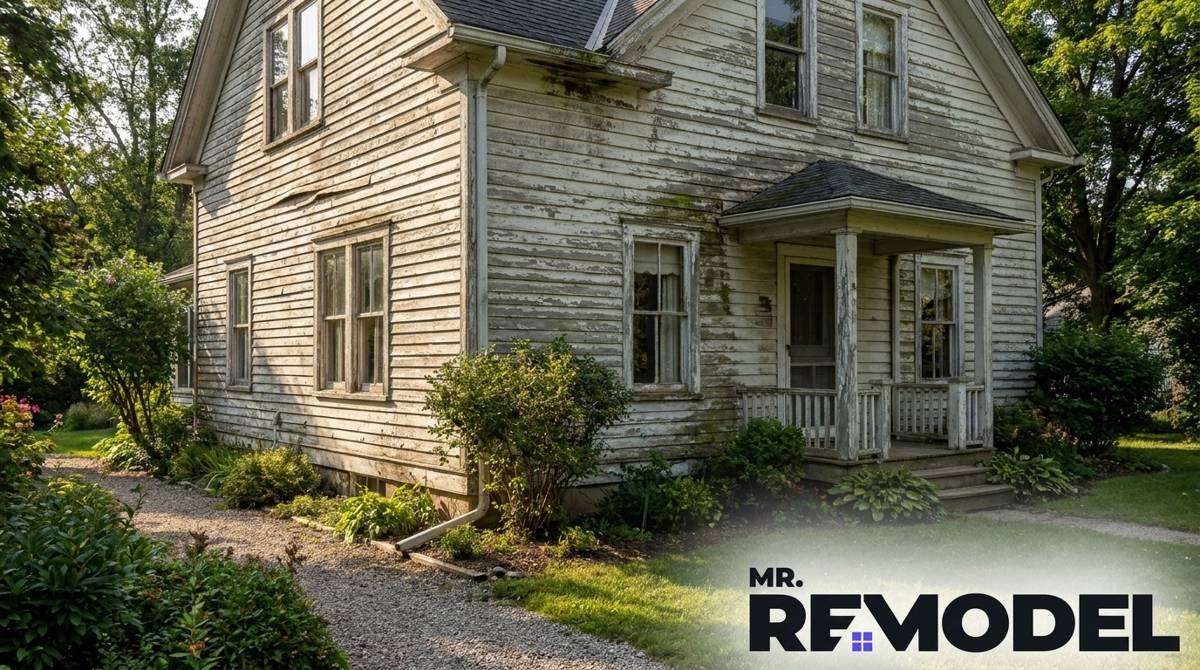
Table of Contents [hide]
Who This Is For
Homeowners with older homes, visible siding wear, rising maintenance needs, or plans for future exterior upgrades who want to understand siding lifespan and when replacement may be necessary.
Key Takeaways:
- Lifespan Varies: Siding lifespan depends heavily on material, climate, maintenance, and installation quality.
- Maintenance Helps: Cleaning, inspections, and early repairs can extend the life of many siding products.
- Moisture Is a Major Risk: Water intrusion can shorten siding life and damage materials behind it.
- Replacement Often Wins: Once deterioration becomes widespread, replacement may be more practical than repeated repairs.
- Vinyl Is Popular: Vinyl generated 4,057 siding inquiries, making it the most requested material in the dataset.
Siding can last for decades, but it will not protect your home forever. How long siding lasts depends on the material, weather exposure, maintenance, and whether it was installed correctly in the first place.
Most homeowners start asking about siding lifespan when they notice fading, warping, cracking, rot, or rising maintenance needs. If the damage is isolated, repair may be enough. If problems are spreading across the exterior, replacement may be the smarter long-term choice.
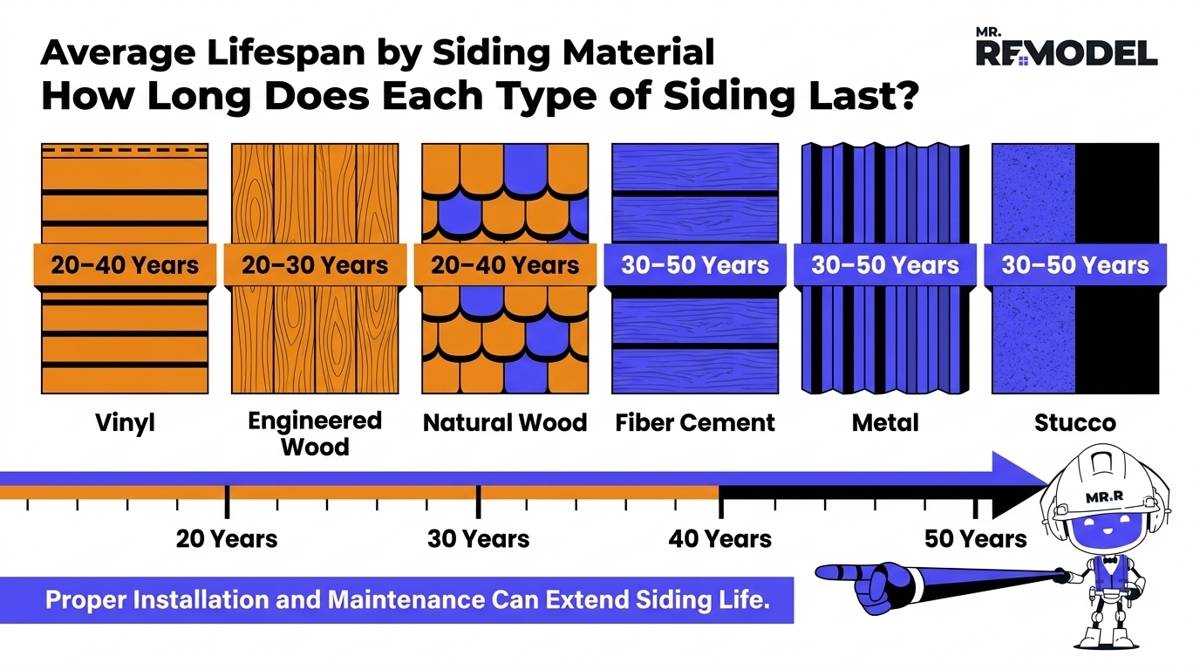
Average Lifespan by Siding Material
Siding lifespan depends on material, climate, care, product quality, and installation. These general planning ranges can help homeowners compare common siding options.
Vinyl siding is often chosen because it is affordable, widely available, and has lower maintenance. Fiber cement and metal may last longer in the right conditions, but they usually cost more.
Wood siding can last for decades, but it needs regular maintenance. If paint, stain, caulk, or sealing is neglected, moisture can shorten its service life.
Stucco can also last a long time, especially in suitable climates. However, cracks, drainage issues, or trapped moisture can create problems if repairs are delayed.
See Related: Siding Replacement Guide
What Affects How Long Siding Lasts?
Siding lifespan is not only about the material. The same product may last longer on one home than another because of climate, exposure, and installation quality.
The United States Department of Energy explains that the home exterior is part of the building envelope, which affects comfort and efficiency. Its Energy Saver resources can help homeowners understand how exterior systems contribute to home performance.
Moisture is one of the biggest threats to siding. The U.S. Environmental Protection Agency (EPA) explains that moisture control is important because moisture can contribute to mold and building damage.
Other factors that affect siding life include:
- Sun and ultraviolet exposure
- Heavy rain
- Snow and ice
- Freeze-thaw cycles
- Wind and storm damage
- Pest activity
- Poor installation
- Missing or failed flashing
- Clogged gutters
- Vegetation touching the siding
- Lack of cleaning or maintenance
Even durable siding can fail early if water gets behind it. That is why flashing, trim details, house wrap, and drainage matter.
Signs Your Siding Is Near the End of Its Life
Aging siding often shows warning signs before it fully fails. These signs may appear slowly, so homeowners should inspect the exterior at least once a year.
Common signs include:
- Cracked panels
- Warped or buckled siding
- Rotting wood
- Loose or missing sections
- Soft spots
- Fading or chalky surfaces
- Peeling paint inside exterior walls
- Mold, mildew, or algae growth
- Repeated repair needs
- Higher maintenance costs
- Water stains near windows or doors
The United States Department of Agriculture (USDA) Forest Products Laboratory provides research on wood, moisture, and decay, which is useful for understanding why damp exterior materials break down over time.
A few small problems may not mean replacement is required. But if cracking, warping, rot, or moisture issues appear across multiple areas, the siding may be nearing the end of its useful life.
See Related: Signs Your Home Needs New Siding
If your siding is showing signs of age, get a free quote from fully vetted local siding contractors.
Repair or Replace Aging Siding?
Repair can make sense when the damage is small, the siding is fairly new, and matching material is still available. For example, a few cracked vinyl panels or one storm-damaged section may be repairable.
Replacement usually makes more sense when damage is widespread, repairs keep repeating, or moisture has reached the materials behind the siding. At that point, patching the surface may not solve the real problem.
Mr. Remodel siding data includes 5,907 total siding inquiries. Installation generated 5,462 inquiries, or about 92%, while repair generated 445 inquiries, or about 8%.
Installation projects outnumbered repair projects by more than 12 to 1. This suggests homeowners often move toward replacement once siding deterioration becomes significant.
See Related: Siding Repair vs Replacement
Why Vinyl Continues to Be the Most Popular Replacement Material
Vinyl siding remains one of the most common replacement choices because it balances cost, maintenance, availability, and appearance. It does not require painting, and damaged sections can sometimes be replaced if matching panels are available.
In Mr. Remodel siding data, vinyl generated 4,057 inquiries, representing about 69% of all siding inquiries. That makes it the most requested siding material in the dataset.
Vinyl is not the only good option. Fiber cement may appeal to homeowners who want a more premium look and strong durability. Engineered wood can offer a wood-like appearance with less upkeep than traditional wood. Metal may fit homes where durability or modern design matters.
Still, vinyl often becomes the practical choice for homeowners who want a lower-maintenance exterior at a more accessible price point.
See Related: Siding Replacement Cost Guide
How to Help Your Siding Last Longer
Regular maintenance can help siding last longer, especially in areas with heavy rain, humidity, storms, or intense sun.
Start with an annual inspection. Walk around the home and look for cracks, gaps, loose panels, stains, soft spots, or areas where plants touch the siding.
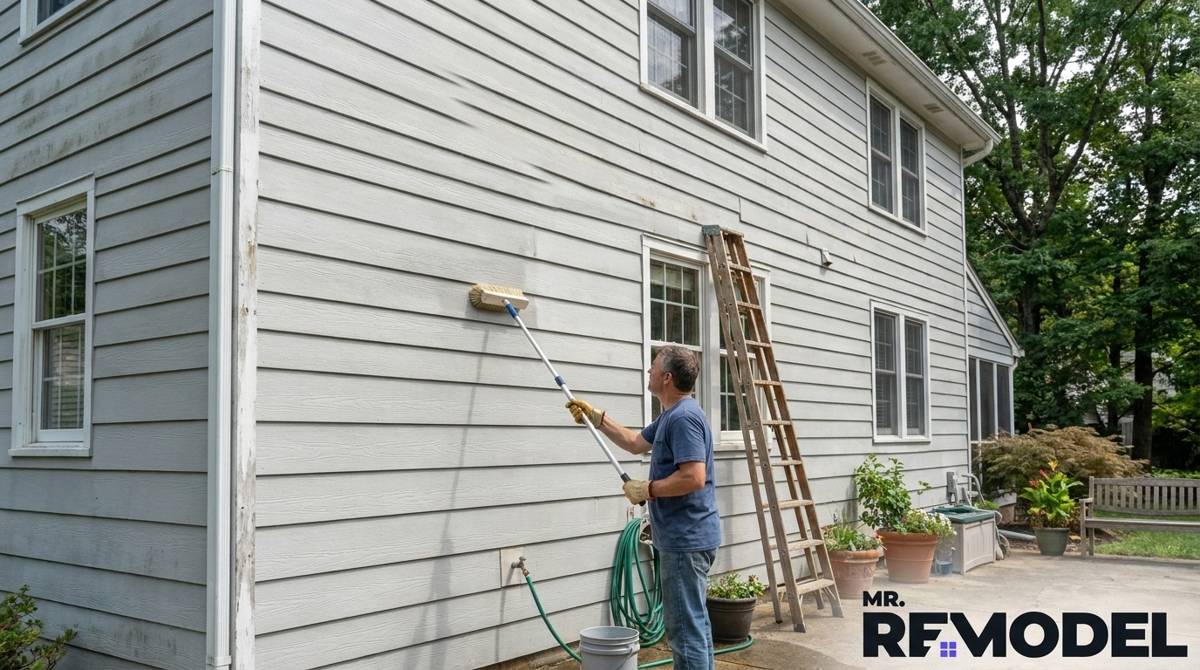
Clean siding according to the manufacturer’s instructions. Dirt, algae, and mildew can build up over time, especially on shaded walls.
Keep gutters clear so water does not overflow onto the siding. Poor drainage can shorten siding life and create moisture problems near walls, trim, and foundations.
Trim trees and shrubs away from the exterior. Branches can scrape siding, trap moisture, and give pests easier access.
Repair small problems early. A loose panel, failed caulk joint, or small crack can become more expensive if water gets behind the surface.
The National Association of Home Builders (NAHB) provides homeowner information, which can help homeowners think about maintenance and exterior systems as part of long-term home care.
Frequently Asked Questions
How long does vinyl siding last?
Vinyl siding often lasts about 20 to 40 years, depending on product quality, climate, installation, and maintenance. It may need replacement sooner if it becomes brittle, cracked, warped, badly faded, or repeatedly damaged.
How long does fiber cement siding last?
Fiber cement siding can often last about 30 to 50 years when properly installed and maintained. Its lifespan depends on paint condition, moisture exposure, climate, flashing details, and whether repairs are handled early.
Can siding last 50 years?
Yes, some siding materials can last 50 years or more under the right conditions. Fiber cement, metal, and stucco may reach that range when they are installed well, maintained properly, and protected from major moisture problems.
How do I know when my siding should be replaced?
Your siding may need replacement if it has widespread cracking, warping, rot, loose panels, moisture intrusion, repeated repairs, or visible aging across multiple sides of the home. A professional inspection can help confirm whether repair is enough or replacement is the better choice.
Does regular maintenance extend siding lifespan?
Yes, regular maintenance can extend siding lifespan by preventing small problems from becoming larger ones. Annual inspections, cleaning, gutter maintenance, vegetation trimming, and early repairs can all help siding perform longer.
How Long Does Siding Last? Final Takeaway
Siding lifespan varies by material, climate, maintenance, and installation quality. Vinyl may last 20 to 40 years, while fiber cement, metal, and stucco can often last longer when properly installed and maintained.
As siding ages, repairs may work for small problems. But when cracking, warping, rot, moisture, or repeated repairs become common, replacement may be the better long-term investment. To compare options, connect with fully vetted local siding contractors.