1-855-QUOTEMR

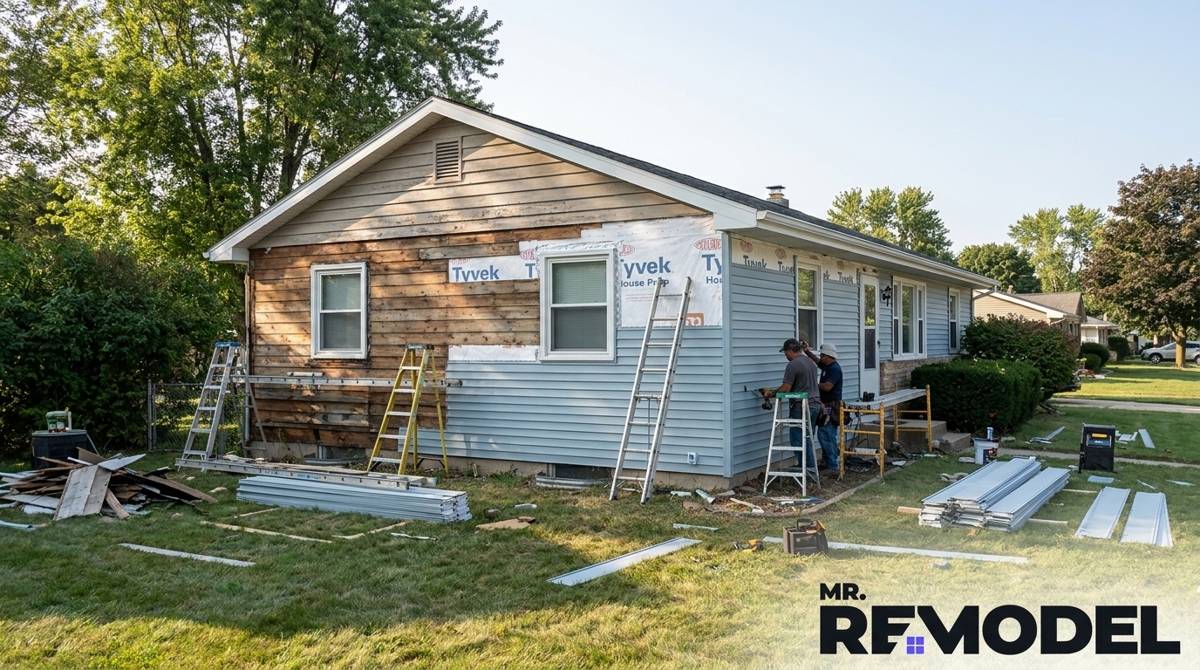
Table of Contents [hide]
Who This Is For
Homeowners discovering damaged siding, comparing repair costs with replacement, planning exterior renovations, or trying to extend the life of their current siding without spending more than necessary.
Key Takeaways:
- Small Damage Can Be Repaired: Isolated cracks, loose panels, or minor impact damage may not require full replacement.
- Widespread Damage Is Different: Rot, moisture, mold, and structural issues often point to replacement.
- Long-Term Costs Matter: Repeated repairs can become more expensive than replacing failing siding.
- Replacement Is More Common: Most Mr. Remodel siding inquiries are for installation rather than repair.
- Inspection Helps: A professional siding inspection can reveal hidden damage behind the surface.
Damaged siding can leave homeowners stuck between a quick repair and a full exterior upgrade. Siding repair vs replacement comes down to the age of the material, how much damage exists, whether moisture has reached the wall, and whether repairs will actually last.
A small cracked panel may be simple to fix. But when siding is warped, rotting, faded, loose, or repeatedly failing, replacement may protect the home better and save money over time.
When Siding Repair Makes Sense
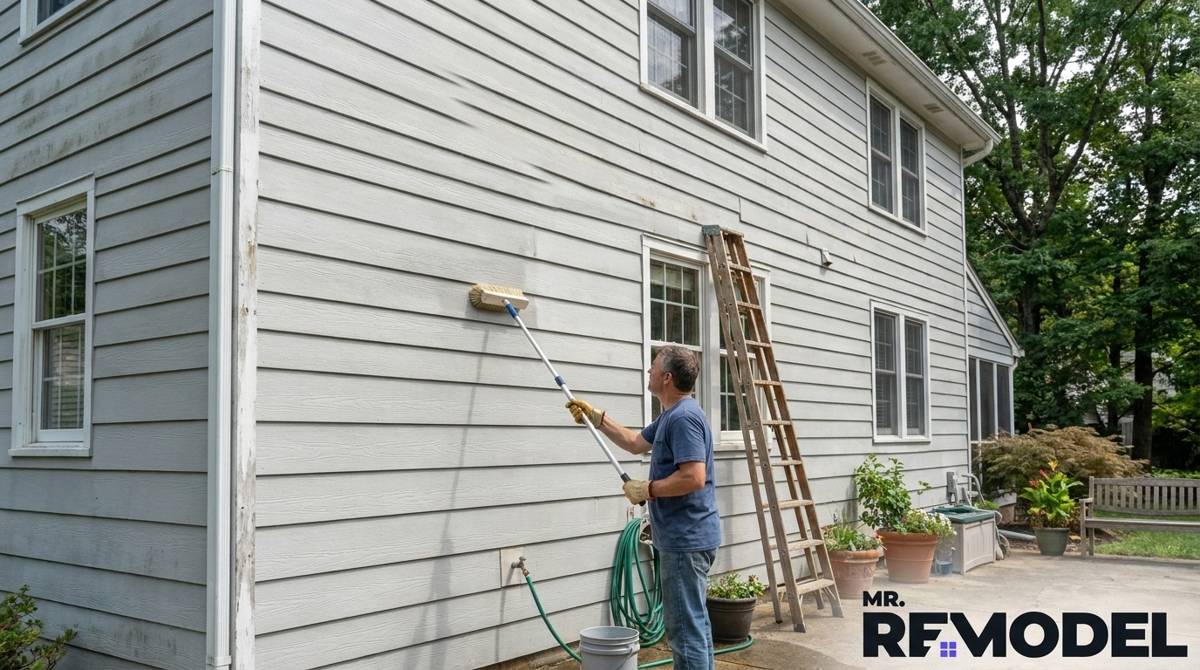
Siding repair usually makes sense when the problem is small, isolated, and easy to match. If only one section was damaged by impact, wind, or a minor storm, repair may be enough.
Repairs can work well for:
- A few cracked vinyl panels
- One loose or missing section
- Small impact damage
- Minor trim damage
- Limited moisture exposure
- Relatively new siding
- Matching material that is still available
Repair is also more practical when the rest of the siding is in good condition. If the color still matches, the siding is not brittle, and the wall behind it is dry, a contractor may be able to fix the issue without replacing the whole exterior.
The United States Department of Energy’s Energy Saver resources explain how the home envelope affects comfort and energy performance. That matters because siding damage can affect more than appearance when it creates gaps, air leaks, or moisture problems.
When Siding Replacement Is the Better Choice
Siding replacement is usually the better choice when damage is widespread, or the material is near the end of its useful life. At that point, repairs may only delay the inevitable.
Replacement may be smarter when you see:
- Widespread cracking
- Warped or buckled siding
- Rotting wood
- Mold or mildew near seams
- Soft spots beneath the siding
- Water stains inside exterior walls
- Repeated repairs
- Loose siding across multiple areas
- Outdated or faded material
- Hidden sheathing damage
The U.S. Environmental Protection Agency (EPA) explains that moisture control is important for healthy homes because moisture can contribute to mold and building damage. If water is getting behind the siding, replacement may be needed to fix the exterior system properly.
Mr. Remodel siding data shows that homeowners pursue larger installation projects far more often than small repairs. Siding installation generated 5,462 inquiries, compared with only 445 repair inquiries.
That means installation represented about 92% of siding inquiries, while repair represented about 8%. Homeowners pursued installation or replacement-type projects about 12 times more often than repair.
See Related: Siding Replacement Guide
Average Repair vs Replacement Costs
Siding repair usually costs less upfront, while replacement costs more because it covers a larger scope and may include removal, disposal, house wrap, trim, flashing, and hidden repairs.
Industry-standard planning estimates include:
Repair costs depend on the extent of damage, siding material, labor, accessibility, and whether matching panels are available. Replacement costs depend more on home size, material, removal, disposal, house wrap, trim, sheathing repairs, and labor.
A repair may cost less today. But if the siding keeps failing, the combined cost of repeated repairs can become harder to justify.
Not sure whether your siding should be repaired or replaced? Get a free quote from fully vetted local siding contractors.
How Siding Material Affects Your Decision
The siding material can strongly affect whether repair or replacement makes more sense.
Vinyl siding is often easier to repair if matching panels are available. It is also the most requested material in Mr. Remodel siding data, with 4,057 inquiries, or about 69% of all siding projects.
Fiber cement can be durable, but repairs may require careful matching and skilled installation. Engineered wood can offer a wood-like look, but damaged boards should be inspected for moisture exposure.
Traditional wood siding may be repairable when rot is isolated. However, widespread rot, peeling paint, or pest damage can make replacement the better option.
Metal siding can sometimes be repaired in sections, but dents, corrosion, or matching issues can complicate the decision. Stucco repairs can also be difficult to blend if the texture or color is hard to match.
The United States Department of Agriculture (USDA) Forest Products Laboratory shares research on wood, moisture, and decay, which can help homeowners understand why exterior materials break down when moisture is not controlled.
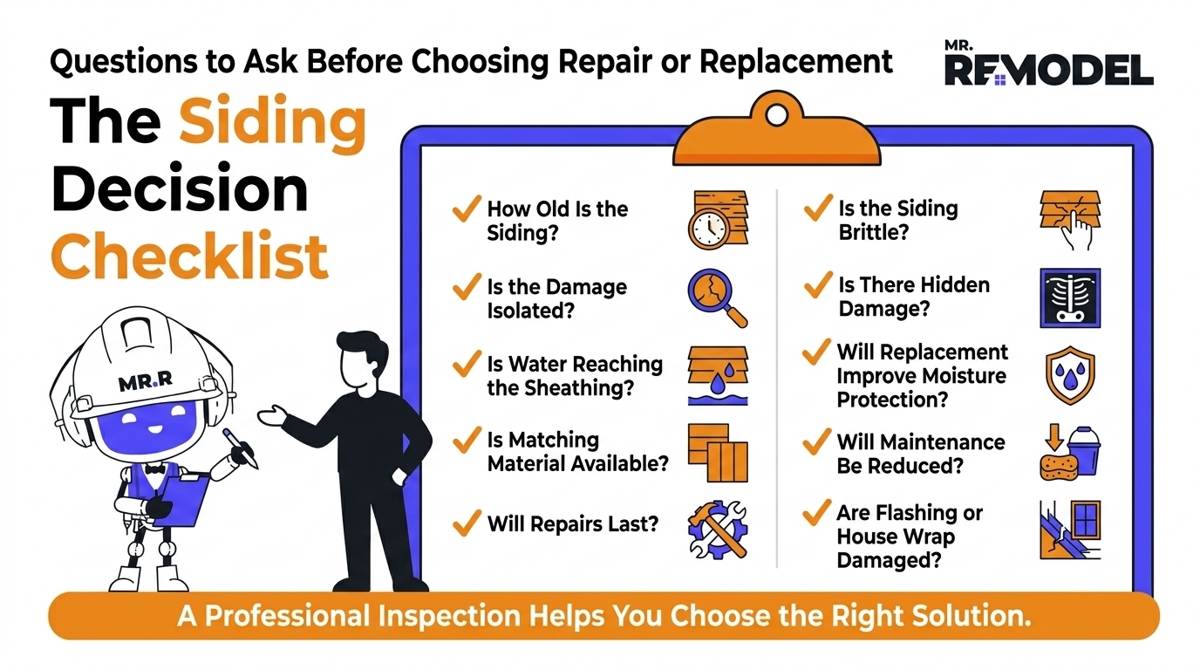
Questions to Ask Before Choosing Repair or Replacement
Before choosing the cheaper option, ask what the repair will actually solve. A siding contractor should inspect the surface and check whether damage extends behind it.
Ask these questions:
- How old is the siding?
- Is the damage isolated or widespread?
- Is water reaching the sheathing?
- Is matching material still available?
- Are repairs likely to last?
- Is the siding brittle or faded?
- Is there hidden damage beneath the siding?
- Will replacement improve moisture protection?
- Will new siding reduce maintenance?
- Are the trim, flashing, or house wrap damaged?
- What warranty applies to the work?
The National Association of Home Builders (NAHB) provides homeowner and housing resources that can help homeowners think about maintenance, exterior systems, and long-term home ownership.
A detailed inspection can prevent a common mistake: paying for a visible repair while hidden moisture keeps damaging the wall.
See Related: Signs Your Home Needs New Siding
Why Many Homeowners Ultimately Replace Their Siding
Many homeowners start by looking for a repair. That makes sense when the damage is small. But once siding problems spread, replacement often becomes the cleaner long-term solution.
Replacement can offer several advantages:
- More consistent appearance
- Better moisture protection
- Less repeated maintenance
- Updated material choice
- Improved curb appeal
- Better chance to repair hidden damage
- Opportunity to update house wrap and flashing
Mr. Remodel siding data supports this broader homeowner pattern. Out of 5,907 total siding inquiries, 5,462 were for installation, while only 445 were for repair.
This large gap suggests that homeowners often choose replacement-type projects when siding issues become extensive or when they want a more complete exterior upgrade.
Frequently Asked Questions
Is it cheaper to repair siding or replace it?
Siding repair is usually cheaper upfront, with minor repairs often costing $300 to $1,500 and moderate repairs costing $1,500 to $4,000. Full siding replacement costs more, often ranging from $8,000 to $25,000+, but it may provide better long-term value when damage is widespread.
How do I know if my siding can be repaired?
Your siding may be repairable if the damage is limited to one area, the material is still available, the wall behind it is dry, and the rest of the siding is in good condition. A contractor should inspect for hidden moisture, rot, and sheathing damage before confirming repair is enough.
Can only one section of siding be replaced?
Yes, one section of siding can often be replaced if the damage is isolated and matching material is available. Matching older siding can be difficult because color, fading, texture, and profile may no longer match perfectly.
Does homeowners' insurance cover siding replacement?
Homeowners insurance may cover siding replacement if the damage is caused by a covered event, such as certain storms or impact damage. Coverage varies by policy, cause of damage, deductible, and insurer, so homeowners should review their policy and contact their insurance provider before assuming coverage.
What siding material is easiest to repair?
Vinyl siding is often one of the easier materials to repair when matching panels are available. Wood can also be repaired in sections, but it may require more maintenance, painting, or rot repair depending on the damage.
Siding Repair vs Replacement: Final Takeaway
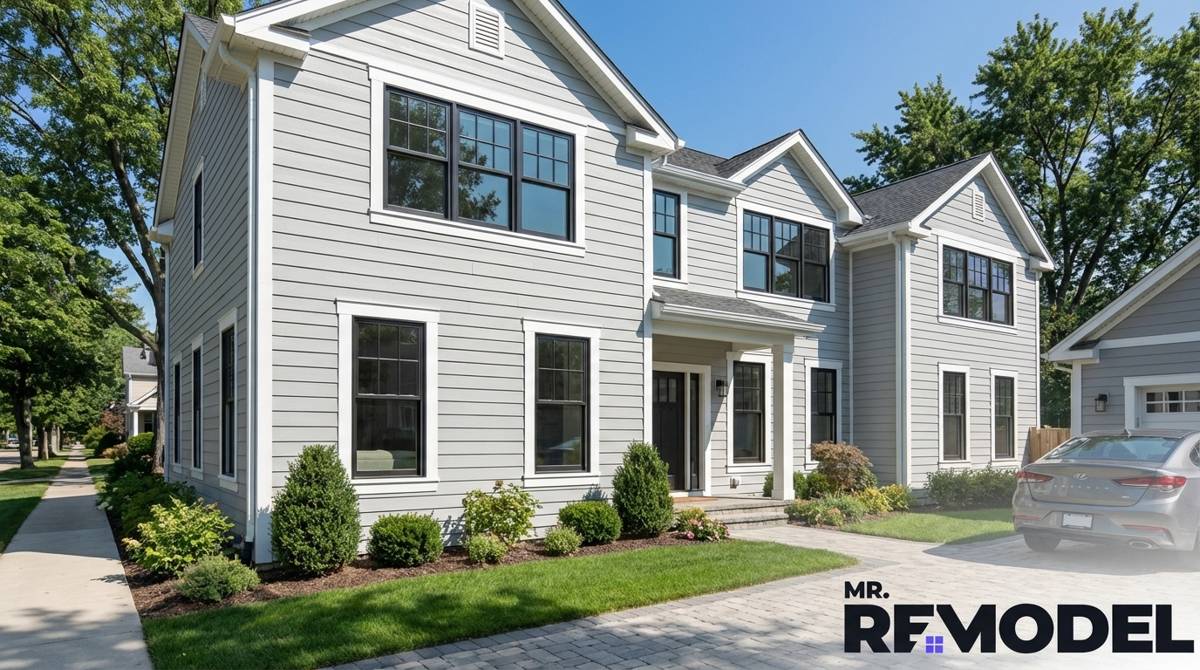
Siding repair can be the right choice when the damage is small, the siding is still in good condition, and the repair will solve the problem. It is often the lower-cost option for isolated cracks, loose panels, or minor storm damage.
Replacement makes more sense when the siding is old, damaged in multiple areas, affected by moisture, or requiring frequent repairs. To compare both options for your home, connect with fully vetted local siding contractors.