1-855-QUOTEMR

Table of Contents [hide]
Who This Is For
Homeowners planning to sell within the next few years, deciding between siding repair and replacement, improving curb appeal, or trying to make a smart exterior investment before starting a siding project.
Key Takeaways:
- Curb Appeal Matters: New siding can improve first impressions and buyer confidence.
- ROI Varies: Resale value depends on material, installation quality, market conditions, and home condition.
- Vinyl Is Popular: Vinyl generated 4,057 Mr. Remodel siding inquiries, making it the most requested material.
- Replacement Can Beat Repeated Repairs: Severely damaged siding may hurt resale appeal if left unresolved.
- Installation Quality Counts: Professional installation helps siding perform better and look more complete.
Replacing siding can make a home look newer, cleaner, and better maintained. So, does new siding increase home value? In many cases, it can support stronger curb appeal and buyer confidence, but the actual return depends on the home, market, material, and quality of installation.
Siding is one of the first things buyers see. If it is cracked, faded, warped, rotting, or patched in several places, buyers may wonder what other maintenance issues are hiding behind the exterior.
Does New Siding Really Increase Home Value?
New siding can help improve home value by making the exterior look more attractive and better maintained. It can also reduce buyer concerns about future exterior repairs.
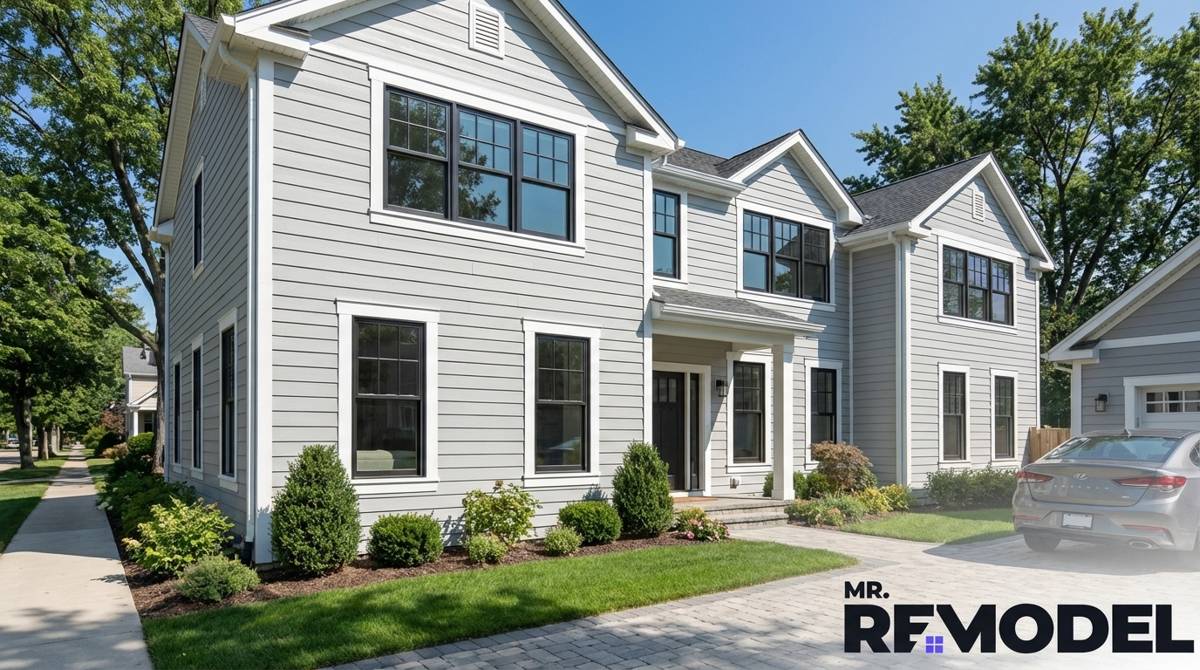
Curb appeal matters because buyers often form an opinion before they step inside. Fresh siding can make the home look newer, cleaner, and more move-in ready.
The Remodeling Magazine Cost vs. Value Report tracks remodeling projects and resale value estimates by project type. Homeowners can use this type of industry research as general context, but actual resale impact varies by local market and project quality.
The National Association of Realtors Remodeling Impact Report also looks at how remodeling projects affect homeowner satisfaction and resale considerations. These reports are helpful, but they should not be treated as a guaranteed return for every home.
New siding may support value by improving:
- Exterior appearance
- Buyer confidence
- Perceived maintenance
- Weather protection
- Energy-efficiency potential
- Long-term durability
- Overall listing presentation
However, siding replacement should not be viewed only as a resale project. It is also a protection project that helps shield the home from weather, moisture, and exterior wear.
What Factors Affect Siding ROI?
Siding return on investment (ROI) depends on several factors. The same project may perform differently in two neighborhoods because buyer expectations and market conditions vary.
Material choice matters. A premium material may improve appearance and durability, but it can also raise the project cost. A more affordable material may offer a stronger practical value if it fits the home and neighborhood.
Installation quality matters too. Poorly installed siding can warp, buckle, trap moisture, or look unfinished. A clean installation with good trim, flashing, and detail work usually creates a stronger final impression.
Other factors include:
- Home age
- Existing siding condition
- Neighborhood standards
- Local climate
- Buyer expectations
- Material durability
- Maintenance needs
- Color and style choice
- Whether repairs are needed behind the siding
The United States Department of Energy’s Energy Saver resources explain how the home envelope affects comfort and efficiency. Siding replacement may support comfort when paired with proper house wrap, air sealing, insulation upgrades, or repairs to damaged exterior materials.
Which Siding Materials Offer the Best Value?
The best siding material depends on your budget, climate, maintenance goals, and home style. There is no single best choice for every home.
Vinyl siding is often selected because it is affordable, widely available, and low-maintenance. In Mr. Remodel siding data, vinyl generated 4,057 inquiries, or about 69% of all siding inquiries. That makes it the most requested siding material in the dataset.
Fiber cement is often chosen by homeowners who want durability and a more premium look. It usually costs more than vinyl but may appeal to buyers who prefer a heavier, wood-like exterior.
Engineered wood can offer a warm appearance with less maintenance than traditional wood. Natural wood siding has strong design appeal, especially on historic or custom homes, but it requires more upkeep.
Metal siding can fit modern homes or properties where durability is a priority. It may not be the right style for every home, but it can work well in the right setting.
The National Association of Home Builders (NAHB) provides housing and homeowner resources that can help homeowners think about materials, maintenance, and long-term home performance.
Thinking about replacing your siding? Get a free quote from fully vetted local siding contractors.
Repair vs Replacement: Which Adds More Value?
Siding repair can make sense when damage is limited. A few cracked panels, one loose section, or minor storm damage may not require full replacement.
Replacement is usually more compelling when siding damage is widespread, moisture is present, repairs keep repeating, or the exterior looks outdated. Buyers may notice patched, mismatched, or failing siding during a showing.
Mr. Remodel siding data shows strong homeowner interest in larger siding projects. The dataset includes 5,907 siding inquiries, with 5,462 installation inquiries and 445 repair inquiries.
Installation represents about 92% of siding inquiries, while repair represents about 8%. That means installation projects outnumber repairs by more than 12 to 1.
For homeowners, that suggests many people choose a more complete siding project once deterioration becomes significant.
See Related: Siding Repair vs Replacement
Why So Many Homeowners Invest in New Siding
Homeowners replace siding for more than resale value. Many are trying to solve practical problems with age, damage, moisture, maintenance, or appearance.
New siding can make a home look more current. It can also reduce the need for frequent touch-ups, patching, painting, or temporary fixes.
For older homes, siding replacement may also reveal hidden damage. Contractors may find deteriorated sheathing, failed flashing, rot, or moisture problems after old siding is removed.
Replacing siding can also help homeowners prepare for resale. A clean exterior can make listing photos stronger, improve showings, and reduce buyer concerns during inspection.
See Related: Siding Replacement Guide
Is New Siding Worth the Investment?
New siding may be worth the investment when the current siding is visibly damaged, outdated, high-maintenance, or hurting curb appeal. It can also make sense before selling if the exterior is one of the home’s weakest features.
Replacement may offer stronger value when:
- Siding is cracked, warped, or rotting
- Repairs are becoming frequent
- Old siding looks faded or mismatched
- Moisture damage is suspected
- The home will be listed soon
- The exterior does not match neighborhood standards
- The homeowner wants less maintenance
Repair may still make sense when the damage is small, matching material is available, and the rest of the siding is in good condition.
See Related: How Long Does Siding Last?
Frequently Asked Questions
Does replacing siding increase resale value?
Replacing siding can help increase resale appeal by improving curb appeal, reducing visible maintenance concerns, and making the home look better cared for. Actual resale value depends on the material, installation quality, local market, home condition, and buyer expectations.
Which siding material has the best ROI?
The best siding material for ROI depends on the home, market, and project cost. Vinyl is often popular because it balances affordability and low maintenance, while fiber cement may appeal to buyers who want a more premium look and long-term durability.
Is vinyl siding a good investment?
Vinyl siding can be a good investment for homeowners who want a lower-maintenance and cost-conscious exterior upgrade. In Mr. Remodel siding data, vinyl generated 4,057 inquiries, representing about 69% of all siding inquiries.
Should I replace siding before selling my house?
Replacing siding before selling may make sense if the current siding is damaged, faded, warped, rotting, or creates a poor first impression. If the siding only has minor isolated damage, repair may be enough before listing.
Is repairing siding better than replacing it?
Repairing siding is better when the damage is small, the rest of the siding is in good condition, and matching material is available. Replacement is usually better when damage is widespread, repairs keep repeating, or the siding is near the end of its lifespan.
Does New Siding Increase Home Value? Final Takeaway
New siding can support home value by improving curb appeal, buyer confidence, exterior protection, and the overall impression of the home. However, ROI is not automatic. It depends on material choice, installation quality, local market conditions, and the condition of the home before replacement.
The strongest case for replacement is usually when old siding is damaged, high-maintenance, or visibly hurting the home’s appearance. To compare options, connect with fully vetted local siding contractors.