1-855-QUOTEMR

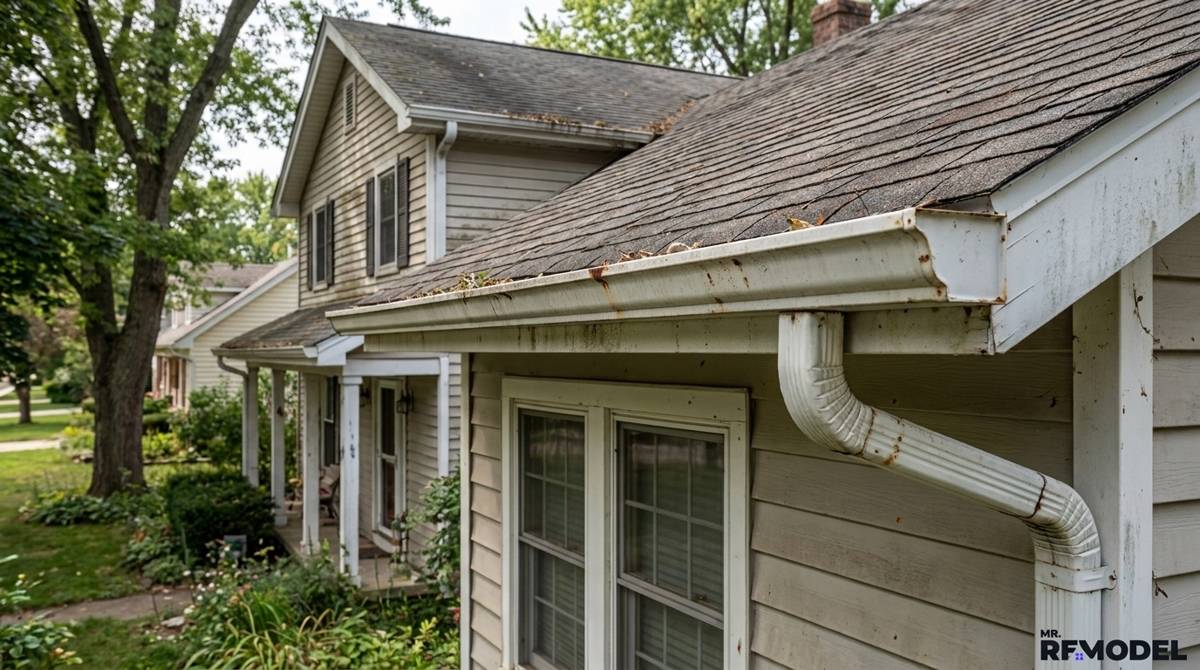
Table of Contents [hide]
Who This Is For
This guide is for homeowners trying to determine whether their gutters are nearing the end of their useful life. It will help you understand gutter lifespan by material, what affects replacement timing, and which warning signs may mean repairs are no longer enough.
Key Takeaways
- Material Lifespan: Different gutter materials have different expected lifespans.
- Maintenance Matters: Cleaning and repairs can help gutters last longer.
- Top Service: Replacement is the most common gutter service category in Mr. Remodel data.
- Condition First: Gutter condition often matters more than age alone.
- Water Risk: Delaying replacement can increase water-management risks.
Old gutters do not always fail on schedule, but they do give warning signs when they are near the end. If you are asking how often gutters should be replaced, the best answer depends on the material, maintenance, installation quality, and current condition.
Some gutters last for decades with routine care. Others fail earlier because of clogs, poor drainage, storm damage, bad slope, or repeated leaks that make replacement more practical than another repair.
How Long Do Gutters Typically Last?
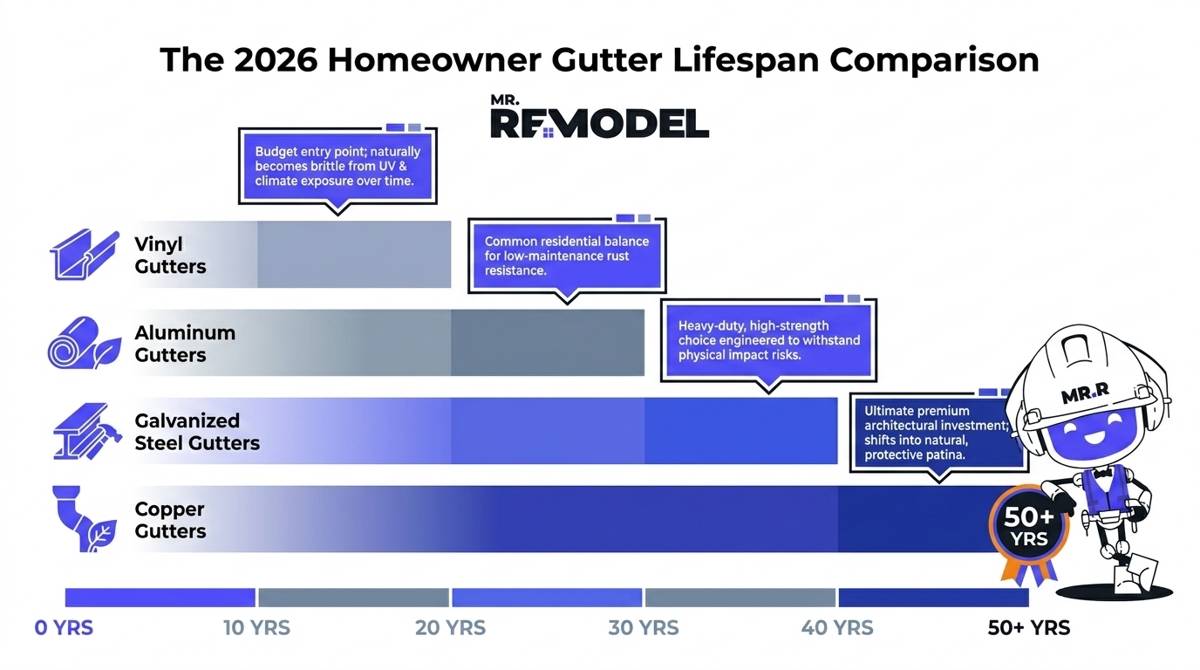
Most gutters last 10 to 50 years or more, depending on the material and care. A newer system can fail early if it is poorly installed, while an older system may keep working if it drains well and is maintained.
The National Association of Home Builders (NAHB) provides general lifespan guidance for gutter systems and related exterior components in its Study of Life Expectancy of Home Components. Actual lifespan depends on material, installation quality, maintenance, weather exposure, and drainage performance.
Gutter Lifespan by Material
Vinyl Gutters
Vinyl gutters usually have the shortest lifespan. They are lightweight and affordable, but they may become brittle over time.
They can be a practical choice for some homes, but homeowners should watch for cracks, sagging, and separation.
Aluminum Gutters
Aluminum gutters are common because they strike a balance among cost, durability, and rust resistance. They often last about 20 to 30 years with good maintenance.
They can dent more easily than steel, so storm damage and ladder impacts should be checked for.
Steel Gutters
Galvanized steel gutters are stronger than aluminum and may last about 20 to 40 years. They are often chosen when added strength matters.
Steel may need more attention if corrosion begins. Rust in several areas can signal that replacement is near.
Copper Gutters
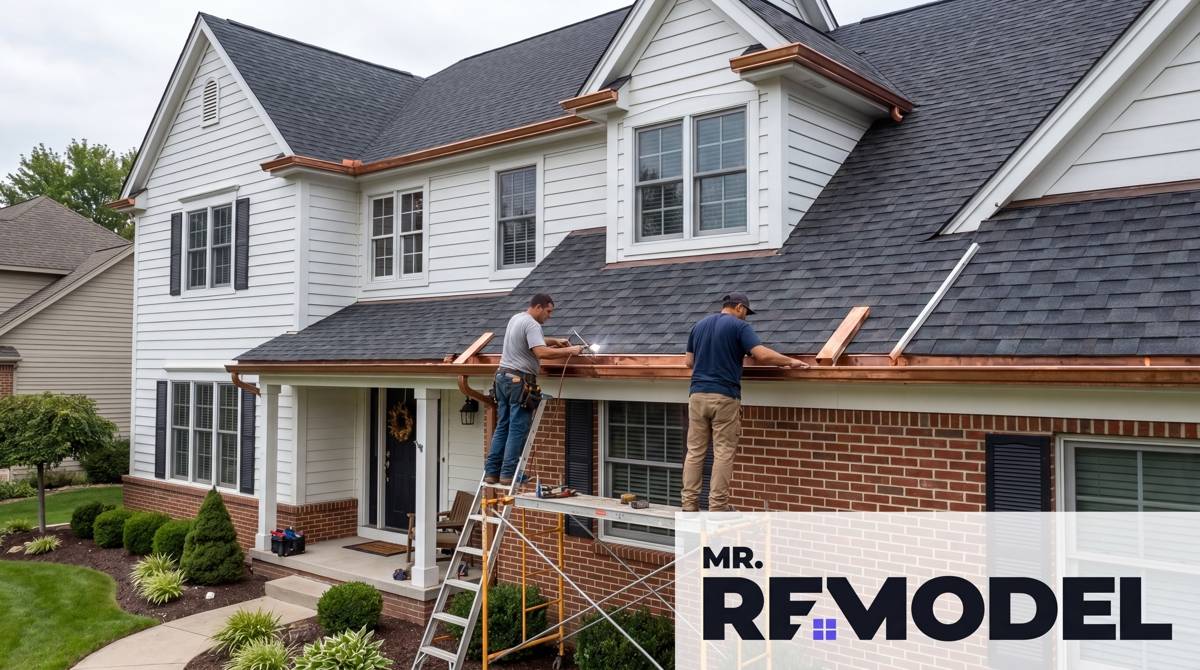
Copper gutters are a premium option and may last 50 years or more. They are often chosen for historic homes, high-end curb appeal, and long-term durability.
They cost more upfront, but their long lifespan can make sense for homeowners with long-term plans.
What Affects Gutter Lifespan?
Age matters, but it is not the only factor. A 15-year-old gutter system with poor drainage may be in worse condition than a 25-year-old system that has been maintained well.
The National Institute of Building Sciences (NIBS) Whole Building Design Guide explains that water management is important to long-term building performance.
Maintenance
Cleaning helps gutters drain properly. Leaves, roof grit, twigs, and nests can block water flow and add weight to the system.
A clogged gutter can sag, overflow, or pull away from the home. Routine maintenance can help prevent those problems.
Climate Exposure
Weather exposure can shorten gutter life. Heavy rain, strong wind, freeze-thaw cycles, heat, and storms can all add stress.
Regional replacement timing depends on local weather, tree coverage, material choice, and maintenance habits. Homeowners in harsher climates may need more frequent inspections.
Tree Coverage
Homes near trees often need more frequent gutter cleaning. Leaves, needles, seeds, and branches can collect in the trough and downspouts.
If debris builds up frequently, gutter guards or a more frequent cleaning schedule may help.
Installation Quality
Poor installation can shorten gutter lifespan. Bad slope, weak hangers, undersized downspouts, or poor drainage layout can cause water to sit in the system.
A properly installed system should move water toward downspouts and away from the home.
When Should Gutters Be Replaced Instead of Repaired?
Gutters should be repaired when problems are small and isolated. Replacement makes more sense when damage is widespread or recurring.
Gutter repair and replacement cost guide:
- Minor gutter repair: $200 to $600
- Major gutter repair: $600 to $1,200
- Full gutter replacement: $1,200 to $5,200
- Premium replacement systems: $5,000 to $10,000 or more
See Related: Gutter Replacement Cost Guide
Localized Damage
Localized damage affects one small part of the system. One loose hanger, one leaking seam, or one clogged downspout may not require replacement.
If the rest of the gutter system is secure and drains well, repair may be the first step.
Widespread Deterioration
Widespread deterioration is different. Multiple leaks, long sagging sections, rust, cracks, or gutters pulling away from the fascia can indicate system failure.
At that point, repairs may only delay the same problem.
Recurring Repairs
Recurring repairs are one of the strongest signs that replacement may be smarter. If gutters need service again and again, the system may be aging out.
See Related: Common Gutter Problems and Solutions
Ready to compare repair and replacement options? Mr. Remodel connects homeowners with fully vetted local contractors. You can use Mr. Remodel to find local gutter contractors and request a free, no-obligation quote.
Warning Signs That Replacement May Be Needed
Some warning signs are more serious than age alone. Homeowners should look at how the gutters perform during rain.
Common replacement signs include:
- Sagging gutter sections
- Leaks in several areas
- Rust, corrosion, cracks, or holes
- Gutters pulling away from the house
- Water overflowing after cleaning
- Standing water inside the gutters
- Water pooling near the foundation
- Repeated repairs
- Damaged fascia near the gutter line
The Environmental Protection Agency (EPA) explains, through its Soak Up the Rain program, that homeowners can help manage stormwater runoff by taking steps such as redirecting downspouts, using rain barrels, planting rain gardens, and improving drainage around the property. If gutters cannot manage runoff, replacement may be worth considering.
See Related: Signs You Need New Gutters
Why Homeowners Replace Gutters So Frequently
Mr. Remodel data shows that gutter replacement generated 6,273 inquiries, while gutter repair generated 1,924 inquiries, and new gutter installation generated 2,847 inquiries.
Combined repair and replacement activity generated 8,197 inquiries. Replacement accounts for about 57% of all gutter inquiries and exceeds repair demand by about 227%.
That does not mean every gutter problem needs replacement. It does show that many homeowners eventually reach a point where replacement becomes more practical than continued repairs.
See Related: Complete Homeowner's Guide to Gutters
What Happens If You Wait Too Long?
Delaying replacement can allow water problems to continue. Gutters that overflow, sag, or drain poorly can send water toward areas that need protection.
The Federal Emergency Management Agency (FEMA) discusses water intrusion, drainage, and moisture-related risks in its Homeowner’s Guide to Retrofitting. Repeated unmanaged water around a home should be taken seriously.
Foundation and Drainage Concerns
Bad gutters can allow water to collect near the foundation. Over time, that can contribute to erosion and moisture concerns.
See Related: How Gutters Protect Your Foundation
Exterior Maintenance Concerns
Failing gutters can also affect siding, fascia, trim, landscaping, and walkways. Water that spills over the gutter edge can create stains and repeated maintenance issues.
Replacing the system before damage spreads can help protect more than the gutters themselves.
Frequently Asked Questions
How long do gutters usually last?
Most gutters last 10 to 50 years or more, depending on the material. Vinyl often lasts 10 to 20 years, aluminum 20 to 30 years, steel 20 to 40 years, and copper 50 or more years. Maintenance and installation quality can shorten or extend those timelines.
Should gutters be repaired or replaced?
Repair may be enough for one small leak, one loose hanger, or one clogged downspout. Replacement may be better when problems are widespread, recurring, or affecting drainage performance.
What is the longest-lasting gutter material?
Copper is generally the longest-lasting gutter material, placing it at 50 years or more. It costs more than vinyl, aluminum, or steel, but it may make sense for long-term homeowners.
How can I make my gutters last longer?
Clean gutters regularly, clear downspouts, check slope, repair small leaks early, and watch for sagging or separation. A well-maintained system usually lasts longer than one that stays clogged or overloaded.
Planning for Gutter Replacement Before Problems Develop
So, how often should gutters be replaced? The better question is whether your gutters still move water safely away from your home. Age helps guide planning, but condition is the real deciding factor.
If your gutters leak, sag, overflow, rust, or need repeated repairs, it may be time to compare replacement options. Connect with local gutter contractors through Mr. Remodel and request a free, no-obligation quote.