1-855-QUOTEMR

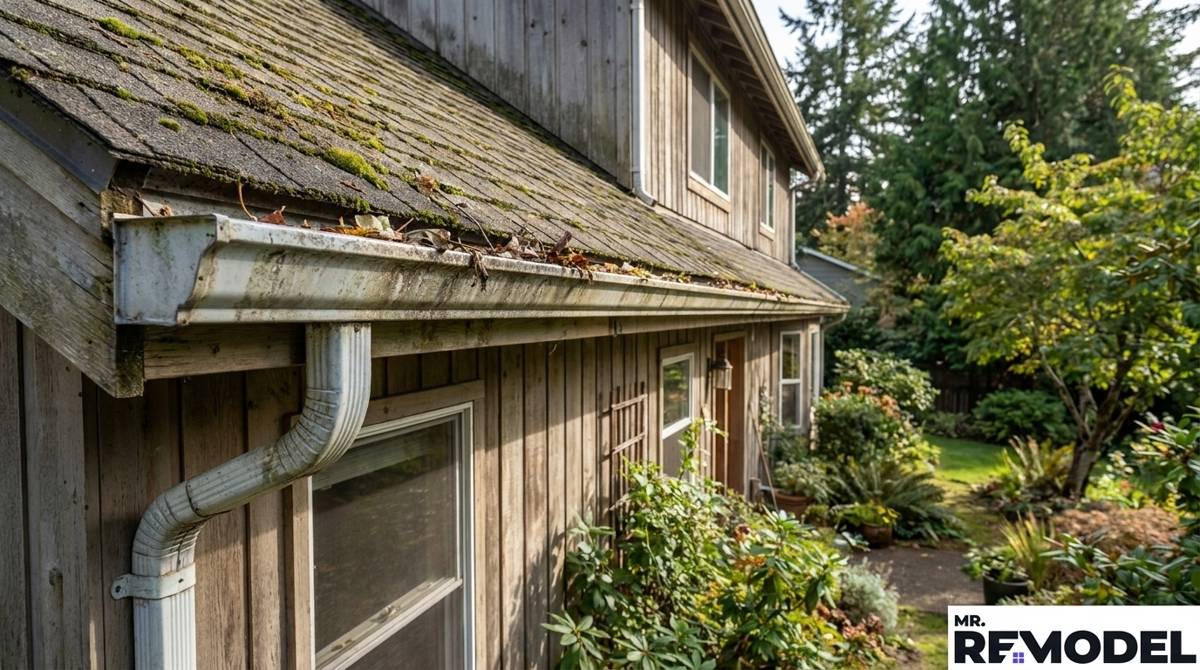
Table of Contents [hide]
Who This Is For
This guide is for homeowners looking for a complete understanding of gutter ownership, maintenance, repairs, and replacement. It will help you understand how gutters work, why they matter, how to maintain them, when repairs may be enough, and when replacement becomes the smarter choice.
Key Takeaways
- Water Control: Gutters help move roof runoff away from the foundation, roofline, siding, and landscaping.
- Top Inquiry: Gutter replacement is the most common gutter-related inquiry in Mr. Remodel data.
- Regular Maintenance: Cleaning, inspections, and small repairs can help gutters perform better for longer.
- Repair Timing: Some gutter problems can be repaired before full replacement is needed.
- Replacement Signs: Sagging, leaks, rust, overflow, and repeated problems may signal the need for new gutters.
A neglected gutter system can quietly create expensive problems around your foundation, roofline, siding, and landscaping. This complete homeowner's guide to gutters explains how gutters work, why they matter, how to maintain them, when to repair them, and when replacement becomes the smarter choice.
Gutters are simple in concept, but they play a major role in protecting a home from water damage. A strong gutter system collects rainwater at the roof edge, moves it through downspouts, and directs it away from the most vulnerable parts of the property.
What Do Gutters Actually Do?
Gutters collect water that runs off the roof and guide it away from the home. Without gutters, rainwater can fall directly beside the foundation, splash against siding, erode landscaping, and collect near walkways or crawl spaces.
The Environmental Protection Agency (EPA) explains, through its Soak Up the Rain program, that homeowners can help manage stormwater runoff by redirecting downspouts, using rain barrels, planting rain gardens, and improving drainage around the property. Gutters are one of the main ways homeowners manage roof runoff.
How Gutters Manage Water
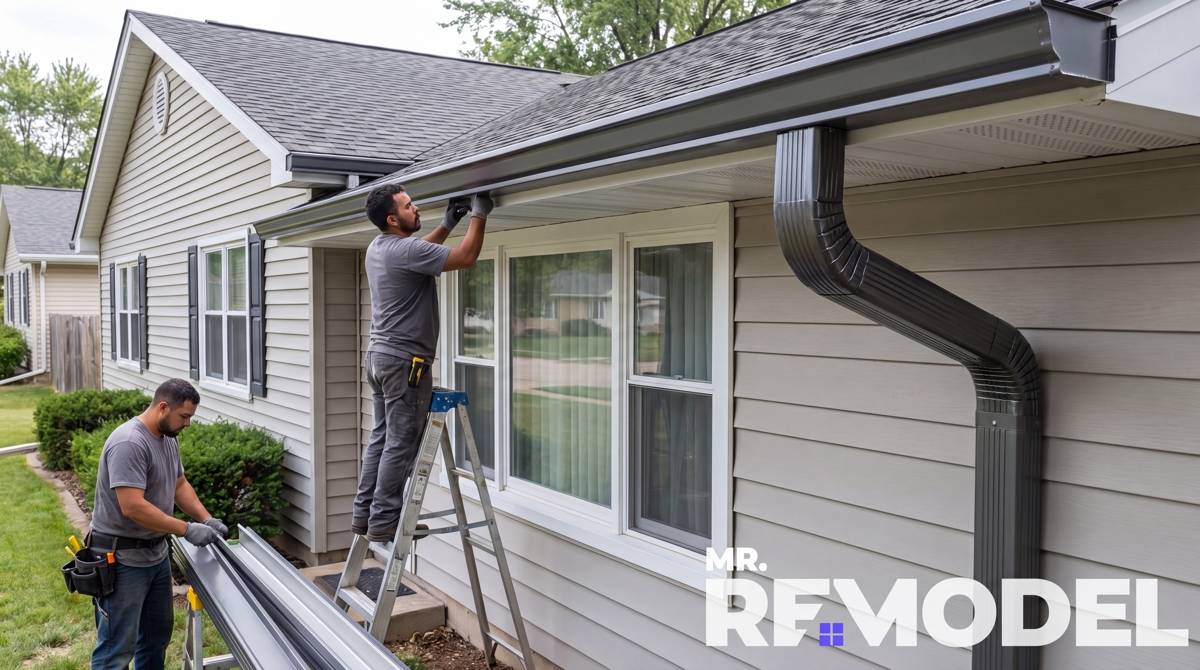
A gutter system consists of several parts that work together. The horizontal gutter runs to catch water from the roof. Downspouts move water from the gutter to the ground. Elbows, outlets, and extensions help direct that water away from the home.
Slope also matters. Gutters need a slight pitch so that water flows toward the downspouts rather than sitting in the trough. When the pitch is wrong, water can pool, spill over, or create heavy sections that pull away from the fascia.
Why Gutters Matter
Gutters matter because water damage often starts slowly. A little overflow near the same corner of the house may not seem serious at first. Over time, repeated moisture can affect soil, wood trim, siding, basement walls, crawl spaces, and landscaping.
The Federal Emergency Management Agency (FEMA) discusses water intrusion, drainage, and moisture-related risks in its Homeowner’s Guide to Retrofitting. A working gutter system helps reduce those risks by moving water before it collects in the wrong place.
What Happens When Gutters Are Missing?
Homes without gutters may still handle light rain, but heavy or repeated storms can create problems. Water can fall in sheets from the roof edge and land close to the foundation.
That can lead to mulch washout, soil erosion, basement moisture, crawl space dampness, stained siding, or soft ground near the home. Installing gutters can help control where that water goes.
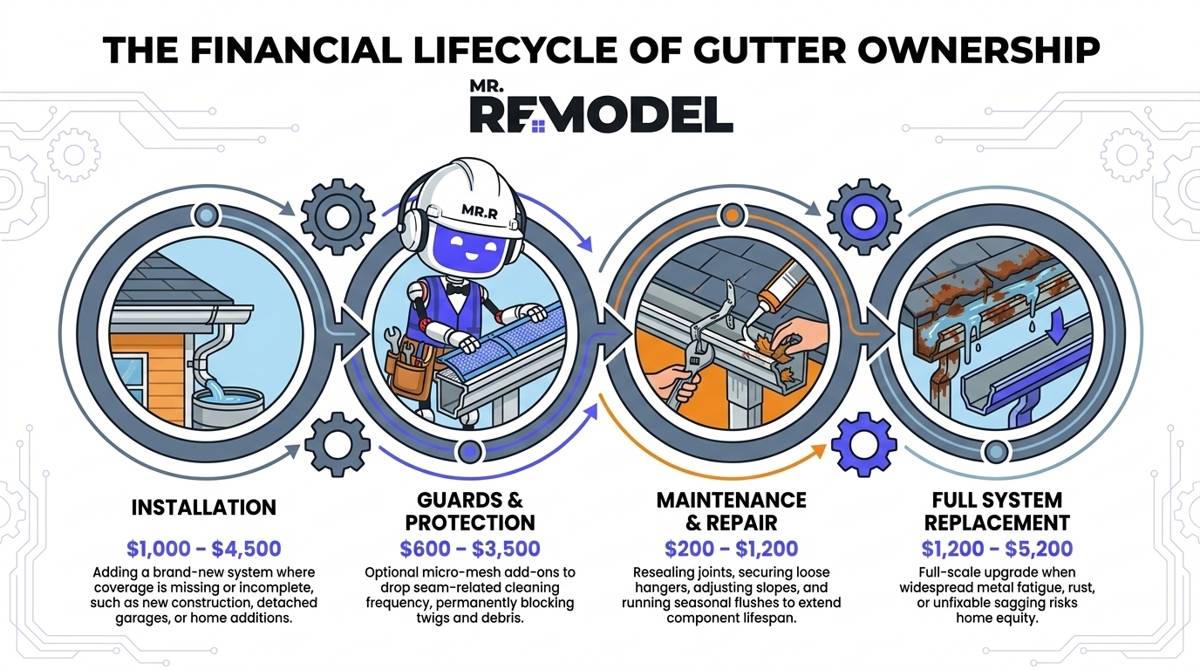
The Homeowner Lifecycle of Gutter Ownership
Every gutter system moves through a lifecycle. It starts with installation, continues with maintenance and repairs, and eventually reaches replacement.
Approved-brief cost benchmarks place gutter repair around $200 to $1,200. New gutter installation typically costs $1,000 to $4,500, while gutter replacement typically costs $1,200 to $5,200. Gutter guards often range from $600 to $3,500.
Installation
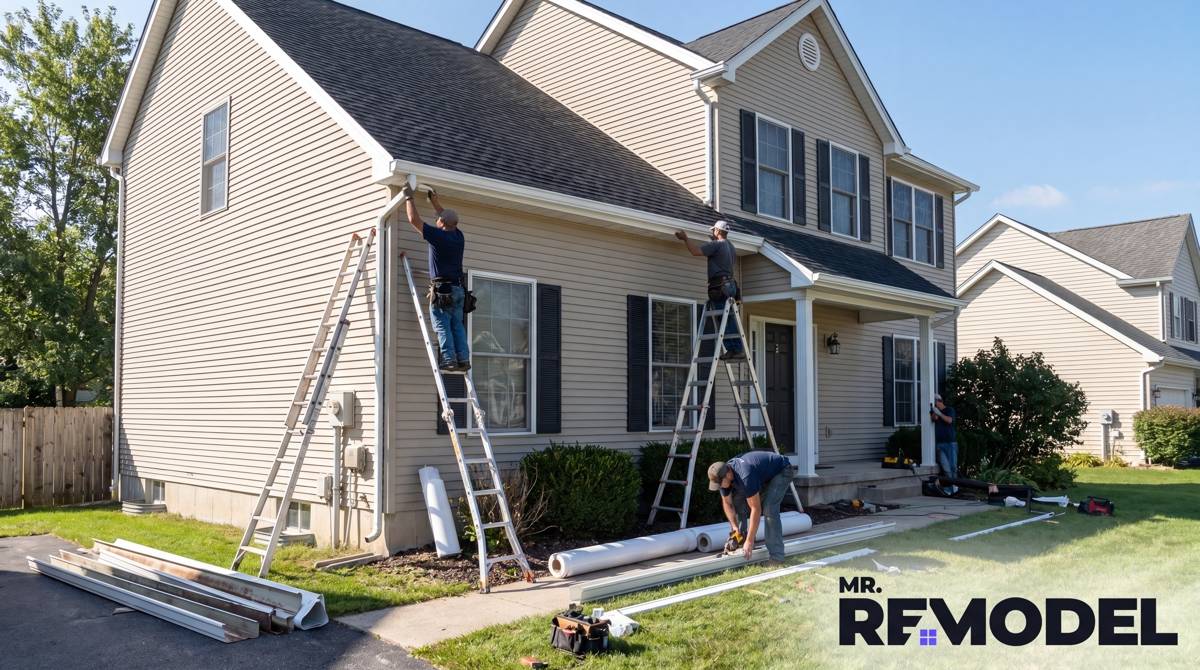
Gutter installation usually applies to homes without a complete system. This may include new construction, older homes without gutters, detached garages, additions, porches, or homes with partial gutter coverage.
A good installation plan should consider roofline length, roof pitch, downspout placement, drainage extensions, and where water should exit. The goal is not just to add gutters. The goal is to move water away safely.
Maintenance
Gutter maintenance helps the system keep working. Basic maintenance includes removing leaves, clearing downspouts, checking for sagging, and looking for leaks during rain.
Homes near trees may need more frequent cleaning. Homes with little tree coverage may need less frequent service, but they should still be inspected for loose fasteners, nests, shingle grit, and downspouts blocked by debris.
Repair
Gutter repair may be enough when the issue is limited. A contractor may be able to reseal a joint, replace one damaged section, reattach loose hangers, adjust the slope, or clear a clogged downspout.
Repair is often the best first step when the rest of the system is still in good condition. However, repairs can become wasteful if the gutters are old, rusted, sagging, or failing in several places.
Replacement
Gutter replacement makes sense when the system no longer moves water properly. Common reasons include repeated leaks, major sagging, cracked sections, rust, poor slope, or gutters pulling away from the fascia.
The National Association of Home Builders (NAHB) provides general lifespan expectations for gutters and other exterior components in its Study of Life Expectancy of Home Components. Actual lifespan depends on material, installation quality, maintenance, and weather exposure.
See Related: Gutter Replacement Cost Guide
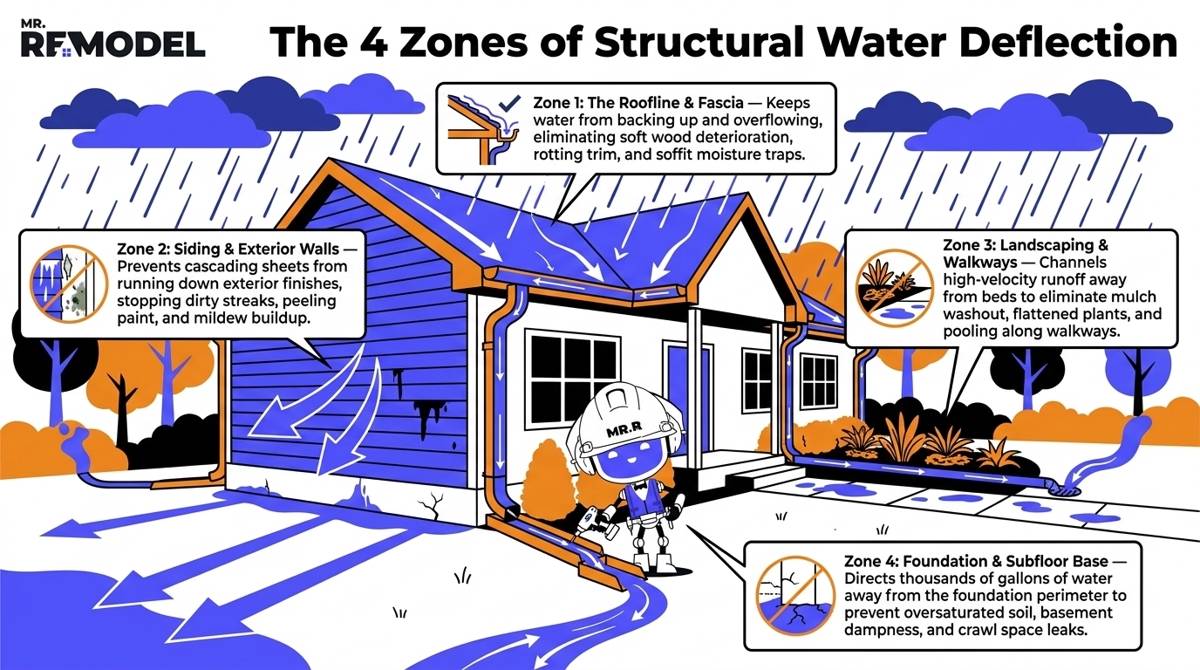
How Gutters Protect Your Home
Gutters help protect multiple parts of the home. They support the foundation, roofline, siding, fascia, landscaping, and exterior walkways.
A gutter system does not need to be expensive to be valuable. It needs to be properly sized, correctly sloped, and routed so water moves away from vulnerable areas.
Foundation Protection
Foundation protection is one of the biggest reasons gutters matter. When roof runoff falls directly beside the home, the soil near the foundation can become oversaturated.
That does not guarantee foundation damage, but it can create moisture concerns. Water may pool in low spots, enter crawl spaces, contribute to dampness in basements, or cause soil erosion near the home.
See Related: How Gutters Protect Your Foundation
Roof Protection
Gutters also help protect the roof edge. When gutters clog or sag, water may overflow near fascia boards, soffits, and lower roofline materials.
Over time, wet fascia and nearby wood components may deteriorate. Ice, debris, and standing water can also make gutter problems worse in some climates.
See Related: How Gutters Prevent Roof Damage
Siding and Trim Protection
Overflowing gutters can send dirty water down the siding. This may leave stains, streaks, and mildew-prone areas.
Wood trim and fascia are also vulnerable to repeated exposure to moisture. The United States Department of Agriculture Forest Service (USDA Forest Service) explains in its Wood Handbook how moisture conditions affect wood and wood-based materials.
Landscaping and Walkway Protection
Gutters help protect landscaping by directing roof runoff away from beds, mulch, and soil. Without good drainage, water can wash out mulch, flatten plants, and create puddles near walkways.
Downspout extensions can help move water farther from the home. In some cases, homeowners may also need drainage improvements beyond the gutter system.
Common Gutter Problems Homeowners Face
Most gutter problems start small. A clogged downspout, loose hanger, or minor leak may not look urgent at first. But during heavy rain, small issues can turn into overflow, pooling, or exterior damage.
The most common gutter problems include clogs, leaks, sagging, poor slope, loose fasteners, disconnected downspouts, and drainage that ends too close to the foundation.
Clogged Gutters
Clogs occur when leaves, twigs, seed pods, roof grit, or other debris block the flow of water. When gutters clog, water can spill over the front edge or back up near the roofline.
Cleaning may solve the issue if the gutter is otherwise healthy. If clogs happen constantly, homeowners may need to check tree coverage, downspout size, or whether gutter guards make sense.
Leaks and Holes
Leaks can form at seams, corners, end caps, or damaged sections. Small leaks may be repairable with sealing or section replacement.
If leaks appear in many areas, the system may be aging out. Widespread leaks often point to replacement rather than another patch.
Sagging Gutters
Sagging gutters may be caused by debris weight, standing water, loose hangers, or poor installation. A sagging gutter cannot move water correctly.
If the gutter is still in good shape, a contractor may resecure it. If the material is bent, cracked, or pulling away badly, replacement may be needed.
Poor Downspout Drainage
A gutter system can collect water correctly and still fail if the downspouts empty too close to the home. Downspouts should move water away from the foundation.
Short extensions, disconnected elbows, or poor grading can cause water to pool near the house. This is why contractors often review the full drainage path, not just the gutter run.
See Related: Common Gutter Problems and Solutions
Signs You May Need New Gutters
Knowing when to replace gutters can help homeowners avoid repeated repair costs. Some warning signs are visible from the ground, while others show up during a storm.
A single issue may be repairable. Several problems at once often suggest the system is failing.
Visible Warning Signs
Look for gutters that sag, separate from the home, rust through, crack, or show obvious holes. Also watch for peeling paint, stained siding, or soft fascia near the gutter line.
Water marks under the gutters can also point to overflow or leaks. If stains return after cleaning, the problem may be more than simple debris.
Performance Warning Signs
During rain, watch how water moves. Gutters should carry water toward downspouts without spilling over in several places.
Signs of poor performance include water pouring over the edge, pooling near the foundation, downspouts that do not discharge, or water running behind the gutter.
Repair vs Replacement Warning Signs
Repair may work for one loose hanger, one leaking corner, or one blocked downspout. Replacement may be better when problems are widespread.
If gutters need service again and again, the cost of repairs can add up. At that point, a new system may be the more practical investment.
Ready to compare your options? Mr. Remodel connects homeowners with fully vetted local contractors. You can use Mr. Remodel to find local gutter contractors and request a free, no-obligation quote.
See Related: Signs You Need New Gutters
How Long Do Gutters Last?
Gutters typically last 20 to 50 years or more, depending on material, installation quality, maintenance, and exposure. Aluminum, steel, copper, and other materials all age differently.
Maintenance plays a major role. A gutter system that is cleaned, inspected, and repaired early can last longer than one that sits clogged for years.
Material Matters
Aluminum is common because it offers a practical mix of cost, rust resistance, and performance. Steel can offer strength, but it may need more maintenance depending on the finish and exposure.
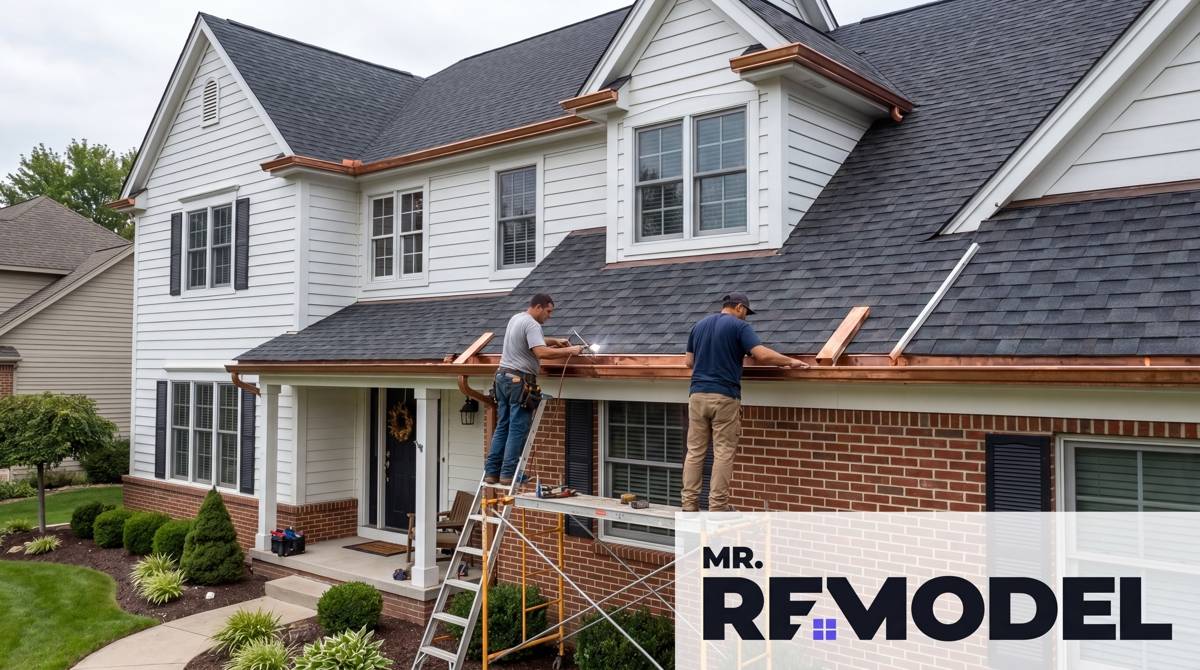
Copper usually costs more, but it can last longer and offers a premium appearance. The right choice depends on budget, home style, and maintenance goals.
Maintenance Affects Lifespan
Clogged gutters hold water and debris. That extra weight can strain hangers and cause sagging.
Standing water can also speed up wear. Keeping gutters clear helps reduce stress on the system and makes problems easier to spot.
Replacement Timing
Gutters should be replaced when they no longer move water safely away from the home. Age alone is not the only factor.
A younger gutter system may need replacement if it was poorly installed or badly damaged. An older system may still perform well if it has been maintained.
See Related: How Often Should Gutters Be Replaced?
What Mr. Remodel Data Reveals About Gutter Inquiries
Mr. Remodel data shows strong homeowner demand for gutter improvements. Across the dataset, gutter-related activity generated 11,044 inquiries.
Combined installation and replacement activity generated 9,120 inquiries. That means installation and replacement account for about 83% of all gutter inquiries in the dataset.
Replacement Demand
Gutter replacement generated 6,273 inquiries, making it the largest gutter category in the dataset. Replacement demand is more than twice the volume of new gutter installation demand.
It is also more than three times the volume of demand for gutter repairs. This suggests many homeowners are not just patching small problems. They are planning full-system upgrades when gutters no longer perform well.
Installation Demand
New gutter installation generated 2,847 inquiries. This category includes homeowners adding gutters to a home, an addition, a porch, a garage, or a new structure.
Installation demand shows that many homeowners are still adding water management systems where coverage is missing or incomplete.
Repair Demand
Gutter repair generated 1,924 inquiries. Repair is still important because not every gutter issue requires replacement.
The key is knowing the difference between a repairable issue and a failing system. A contractor can inspect the system, check the slope, review the downspouts, and explain whether repair or replacement makes more sense.
How to Maintain Gutters Throughout the Year
A simple maintenance routine can help homeowners avoid bigger gutter problems. The goal is to keep water moving and catch damage early.
A good routine includes cleaning, inspections, downspout checks, and storm monitoring.
Seasonal Cleaning
Many homeowners clean gutters in spring and fall. Spring cleaning removes winter debris, while fall cleaning removes leaves before heavy rain or cold weather.
Homes with heavy tree coverage may need more frequent cleaning. After major storms, it is also smart to check for branches, shingle grit, and blocked downspouts.
Downspout Checks
Downspouts should be clear from top to bottom. If water backs up during rain, the downspout may be clogged.
A downspout should also discharge away from the home. If water exits too close to the foundation, an extension may help.
Storm Inspections
Rainy weather can reveal problems that are hard to spot on dry days. Homeowners should watch for overflow, leaks, sagging, or water running behind the gutter.
After the storm, check for soil erosion, washed-out mulch, or new stains on siding.
Choosing a Gutter Contractor
A good gutter contractor should consider the entire water management system, not just the gutter length. That includes roofline shape, downspouts, drainage paths, fascia condition, and access.
Homeowners should ask what is included in the estimate. Removal, downspouts, gutter guards, fascia repairs, and drainage extensions can affect the total cost.
What to Ask Before Hiring
Before choosing a contractor, ask clear questions about materials, system type, warranties, and scope.
Helpful questions include:
- What gutter material do you recommend for this home?
- Are seamless or sectional gutters better for this roofline?
- How many downspouts are included?
- Where will the water discharge?
- Does the estimate include the removal of old gutters?
- Are fascia repairs needed?
- Are gutter guards worth considering?
A clear estimate helps homeowners compare options fairly.
Frequently Asked Questions
How often should gutters be cleaned?
Most homeowners should check gutters at least twice a year, often in spring and fall. Homes near trees may need more frequent cleaning. It is also smart to inspect gutters after major storms.
How long do gutters last?
Many gutter systems last 20 to 50 years or more, depending on material, installation quality, maintenance, and weather exposure. If gutters sag, leak repeatedly, or no longer drain correctly, replacement may be needed sooner.
Can gutters damage a foundation?
Gutters can contribute to foundation concerns when they fail to move water away from the home. Overflowing gutters, missing downspouts, and short extensions can allow water to pool near the foundation. A working gutter system helps reduce that risk.
How do I know if my gutters need replacement?
You may need replacement if gutters sag, pull away, rust through, crack, leak in several areas, or overflow even after cleaning. Repeated repairs can also be a sign that replacement is more practical.
Protecting Your Home With a Well-Maintained Gutter System
This complete homeowner's guide to gutters provides a comprehensive overview of gutter installation, maintenance, repair, replacement, and long-term protection. Gutters may seem simple, but they help protect the foundation, roofline, siding, landscaping, and the overall condition of the home.
A strong gutter system starts with good design and continues with regular care. If your gutters are leaking, sagging, clogged, or no longer moving water safely away, compare local gutter contractors through Mr. Remodel. You can connect with fully vetted local contractors and request a free, no-obligation quote.