1-855-QUOTEMR

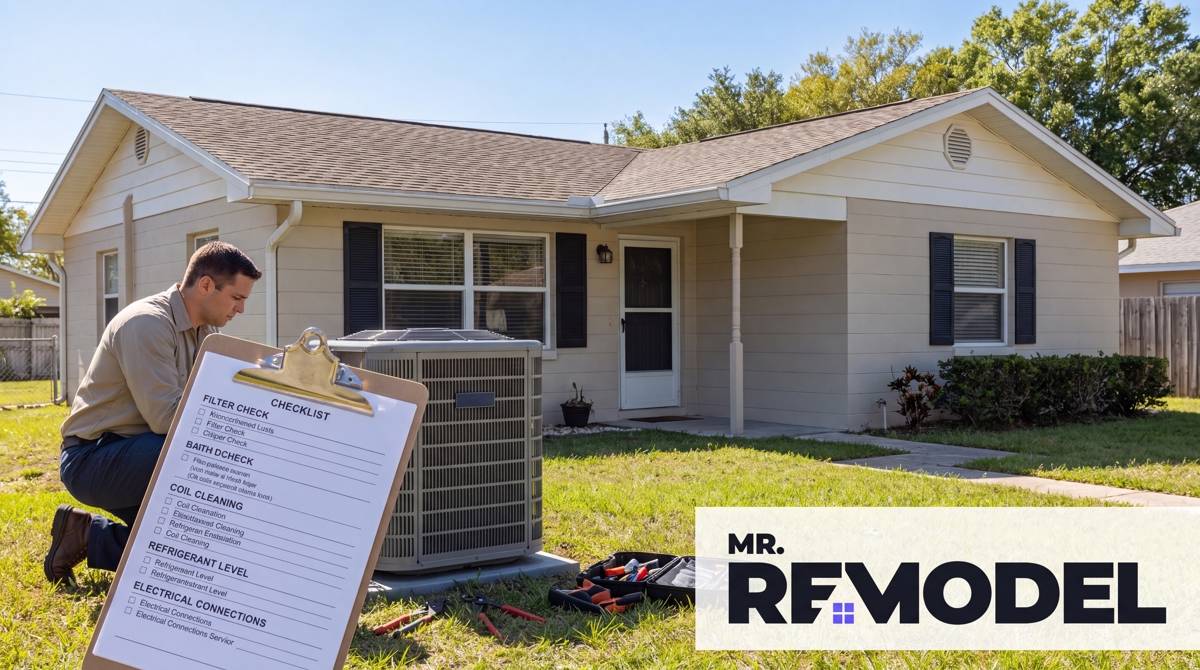
Table of Contents [hide]
Who This Is For
This checklist is built for homeowners who want a practical, step-by-step strategy to maintain peak indoor air quality, keep energy bills low, and protect their system warranty through targeted DIY tasks and timely professional inspections.
Key Takeaways
- Filter Impact: Replacing a clogged filter can reduce heating and cooling energy consumption by up to 15%.
- Warranty Protection: Over 70% of major HVAC equipment manufacturers require proof of annual professional maintenance to keep warranty coverage valid.
- System Longevity: Following a consistent maintenance checklist can extend your equipment's operational lifespan by up to 25%.
- Cost Management: Catching refrigerant micro-leaks early prevents costly recharge bills, especially as R-410A prices rise under 2026 environmental regulations.
Maintaining your heating, ventilation, and air conditioning (HVAC) system is not just about staying warm in the winter and cool in the summer. It is a fundamental strategy for controlling monthly energy expenses and avoiding unexpected equipment failures. A well-executed maintenance routine ensures every component operates at peak efficiency year-round.
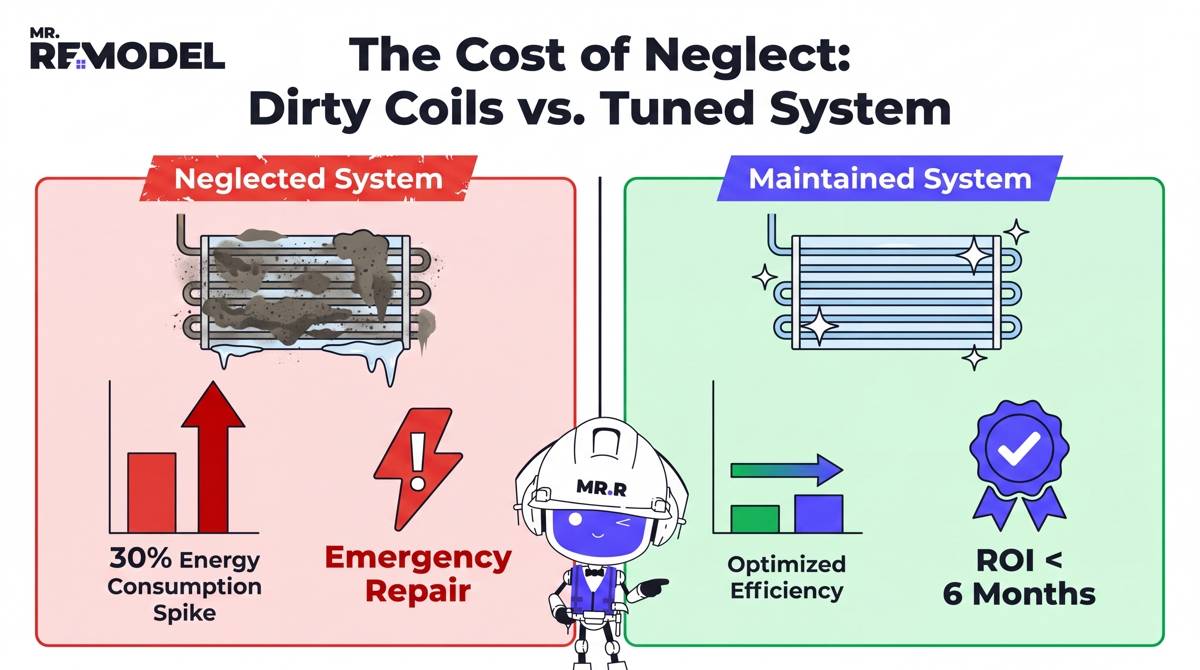
When a system is allowed to accumulate dust, run on restricted airflow, or operate with worn parts, utility expenses rise rapidly. According to data from Mr. Remodel, consistent maintenance extends system lifespan by up to 25%, turning simple seasonal tasks into high-ROI home care.
The True Cost of Skipping Upkeep
Ignoring routine system checks can lead to serious financial surprises. Beyond higher monthly utility bills, neglecting basic steps like filter replacements and coil cleaning puts unnecessary stress on the blower motor and compressor. Over time, this wear leads to component failure long before the expected end of the unit's lifecycle.
Furthermore, many homeowners are unaware that major HVAC manufacturers explicitly require documented annual maintenance to honor warranty claims. If a major component fails due to lack of standard upkeep, you could be left covering the entire replacement out of pocket.
See Related: Why Is My Energy Bill So High?
Monthly & Quarterly DIY Checklist
While complex technical evaluations belong in the hands of trained technicians, taking control of simple DIY checks prevents the vast majority of common system issues.
- Inspect Air Filters: Check for dirt buildup; replace if clogged.
- Clear Condenser Zone: Remove debris within 2 feet of outdoor unit.
- Verify Vent Flow: Keep indoor supply/return vents unobstructed.
- Test Thermostat: Ensure precise temperature reading and control.
- Clean Drain Line: Flush condensate drain line with vinegar.
Air Filter Replacement
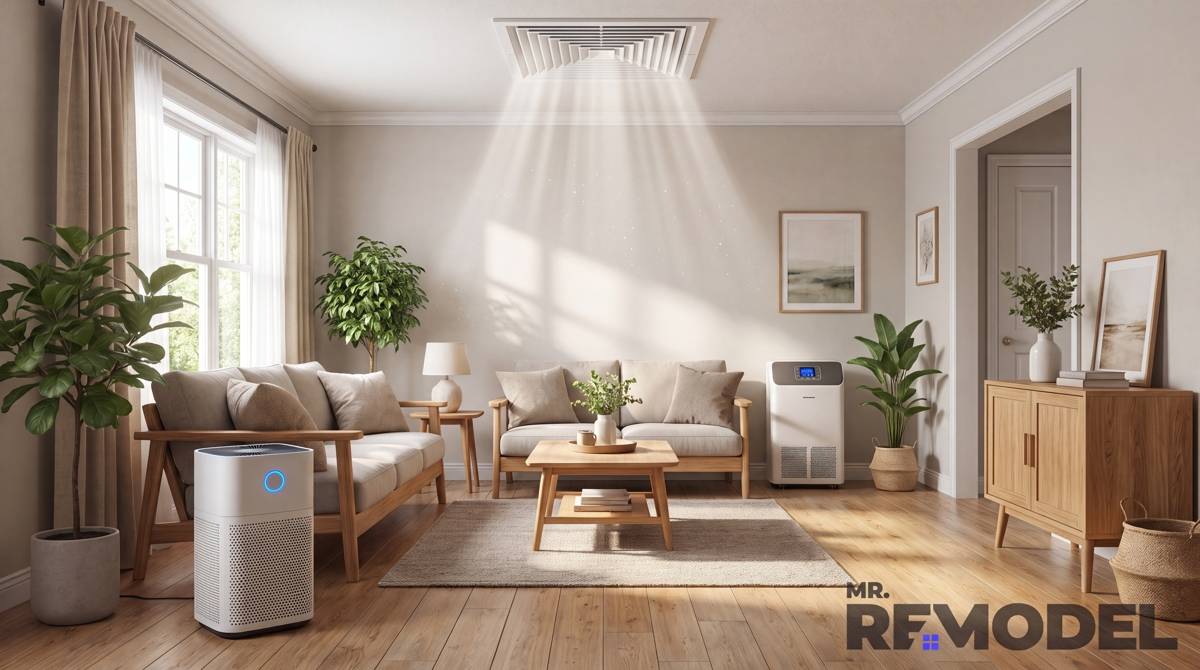
The single most important DIY task is checking your air filter monthly. A dirty, clogged filter restricts airflow, forcing the system to run longer to reach your set temperature. Guidance from the U.S. Department of Energy shows that replacing a dirty filter with a clean one can lower your system's energy consumption by 5% to 15%.
During high-pollen seasons or in homes with pets, filter replacement should happen every 30 to 60 days. The U.S. EPA Air Cleaners Guide suggests using high-efficiency filters (MERV 8–13) to better trap microscopic particulates and safeguard indoor air quality.
Clearing Outdoor Condenser Debris
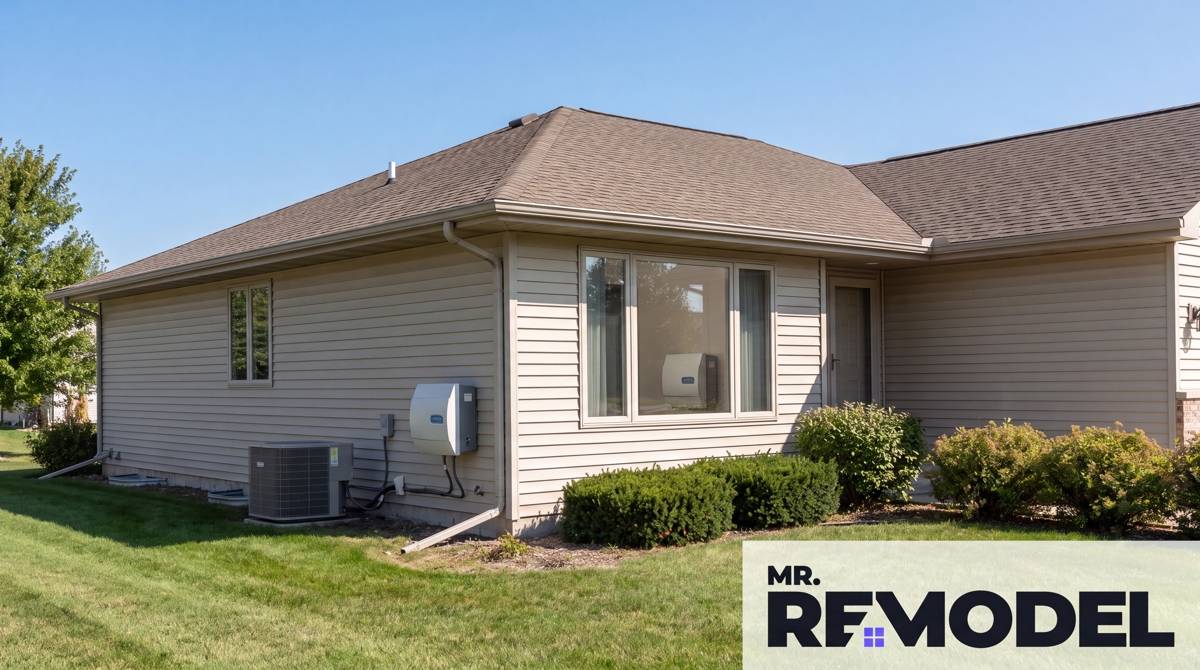
Your outdoor unit requires uninterrupted airflow to discharge heat efficiently. Inspect the perimeter around the unit every few weeks. Clear away falling leaves, grass clippings, twigs, and overgrown shrubs to maintain a clear two-foot clearance zone.
If you live near the coast, salt spray can accelerate rust and fins corrosion. A light, low-pressure rinse with a garden hose every couple of months helps keep coastal units free from destructive salt deposits.
Inspecting Vents and Return Grilles
Ensure furniture, rugs, or drapes are not blocking indoor supply and return air vents. Blocked vents disrupt system balance, increase duct static pressure, and impair overall comfort.
See Related: Ventilation and Moisture Control for Efficiency: Protecting Your Home Investment
Spring and Summer AC Prep
Before hot summer temperatures arrive, perform a complete cooling system check to verify your air conditioner or heat pump is prepared for high-demand operation.
- Test Thermostat Responsiveness: Switch your thermostat to cooling mode and set it a few degrees below the room temperature to verify the outdoor compressor engages cleanly.
- Flush Condensate Drain Lines: Algae and debris can block the condensate line, leading to water overflows and ceiling damage. Pour a cup of regular white vinegar down the condensate line access pipe to clear minor buildup.
- Inspect Insulation on Refrigerant Lines: Check the foam insulation wrapping the outdoor copper lines. Damaged or degraded insulation reduces cooling capacity and wastes energy.
See Related: Energy Savings by Roofing Material
Fall and Winter Heating Prep
As temperatures drop, switch your focus to furnace and heating components to ensure safe, dependable warmth.
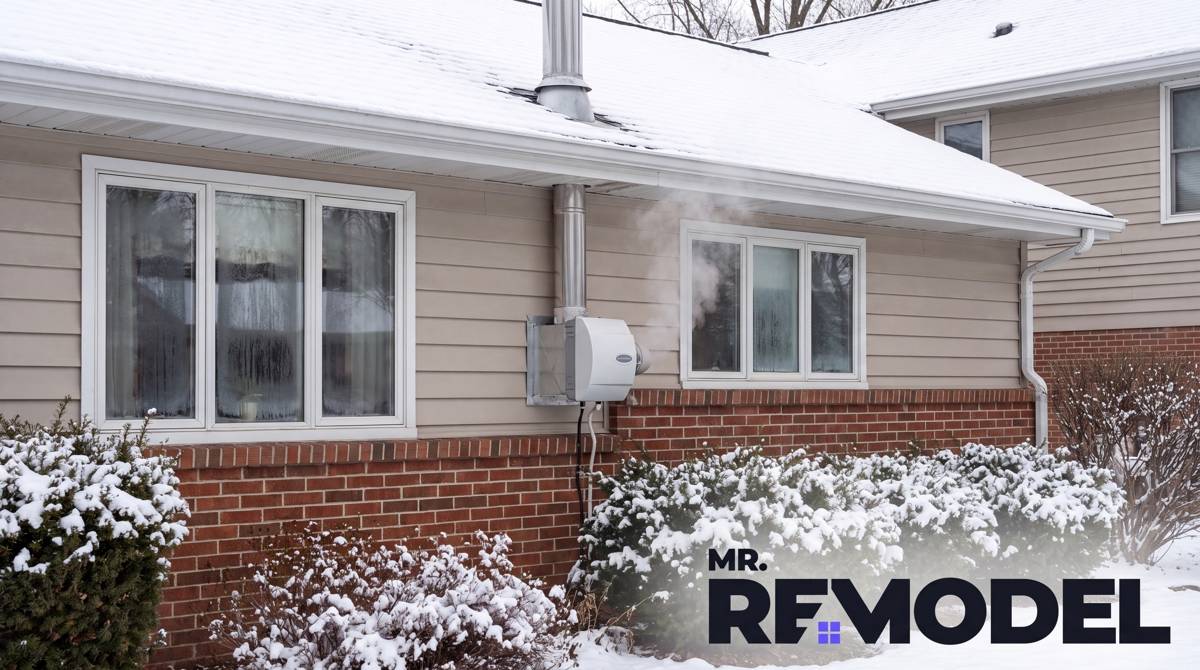
- Examine Furnace Flue & Exhaust: Inspect venting pipes for visible corrosion, disconnections, or blockages to prevent dangerous exhaust build-up.
- Inspect Heat Exchanger (Gas Systems): Cracks in a heat exchanger can allow carbon monoxide to enter living spaces. Have a technician inspect this critical safety component annually.
- Test Igniter & Pilot Assembly: Ensure the burner assembly ignites smoothly without delayed ignition clicks or flame sputtering.
- Test Carbon Monoxide & Smoke Detectors: Replace batteries and run functional tests on all home safety detectors prior to turning on gas heating.
See Related: HVAC Maintenance Tips by Season
When to Schedule a Professional Tune-Up
Some aspects of system maintenance require specialized equipment and safety credentials. A professional tune-up typically costs between $100 and $250, serving as an essential investment in home safety and reliability.
Professional visits follow structured standards like the ENERGY STAR Maintenance Checklist, covering deep coil cleaning, electrical terminal tightening, electrical draw testing, and exact refrigerant balance checks.
Addressing small refrigerant micro-leaks early is particularly important under 2026 environmental standards, as phased-out refrigerants like R-410A are significantly more expensive to recharge than in previous years.
See Related: HVAC Maintenance Guide
Regional & Environmental Upkeep Considerations
Different climates subject heating and cooling equipment to unique operational stresses:
- Sunbelt & Heavy Cooling Zones: Systems operating 9–10 months out of the year require two professional inspections per year (spring and fall) to offset continuous operational wear.
- High Pollen & Wildfire Regions: Smoke particulate and heavy pollen clog fine filter media rapidly. Check filters every 30 days and replace them as soon as surface discoloration appears.
- Coastal Environments: Salt air corrodes aluminum fins and cabinet hardware. Wash down exterior casing surfaces regularly and consider specialized anti-corrosion coatings.
Frequently Asked Questions
How often should I go through this HVAC maintenance checklist?
Check your air filters monthly and complete DIY tasks every spring and fall. Schedule a certified professional inspection once per year (or twice for dual-season heat pumps).
Can I do all HVAC maintenance myself to save money?
No. While homeowners should handle filter replacements and basic cleaning, electrical tests, heat exchanger safety inspections, and refrigerant adjustments require licensed professional tools and training.
How much does a routine professional HVAC tune-up cost?
A standard multi-point inspection and tune-up typically costs between $100 and $250. Catching minor wear early prevents unexpected after-hours repair bills that can run significantly higher.
Does regular maintenance affect my equipment warranty?
Yes. Most major HVAC equipment manufacturers state in their warranty terms that regular, professional maintenance is required to keep warranty coverage valid for major component replacements.
What MERV rating filter should I choose for my system?
For most residential systems, a MERV rating between 8 and 11 balances strong particulate capture with efficient system airflow. Higher MERV filters (13+) should only be used if your system's blower motor is rated to handle the increased airflow resistance.
Keep Your System Running Strong
Following a structured seasonal checklist protects your equipment, keeps utility bills manageable, and preserves indoor comfort in every season.
Whether you need a quick pre-season check or a complete system evaluation, Contact Mr. Remodel to get a free, no-obligation quote and a skilled HVAC professional who ensures your home heating and cooling system runs reliably year after year.