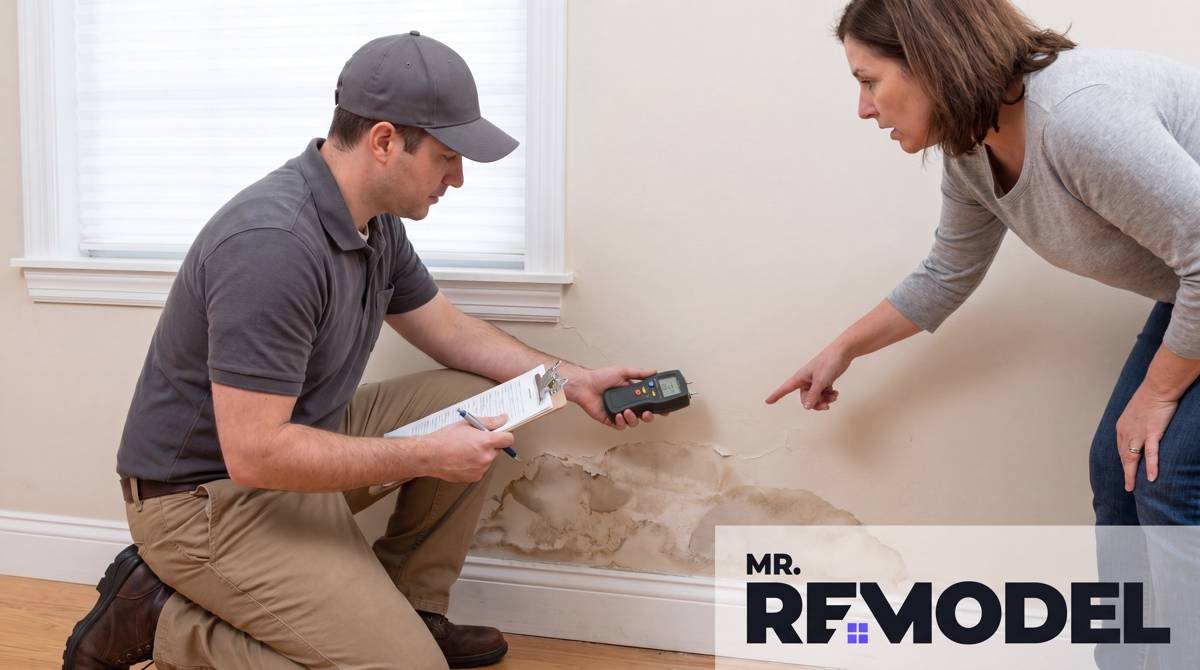
1-855-QUOTEMR

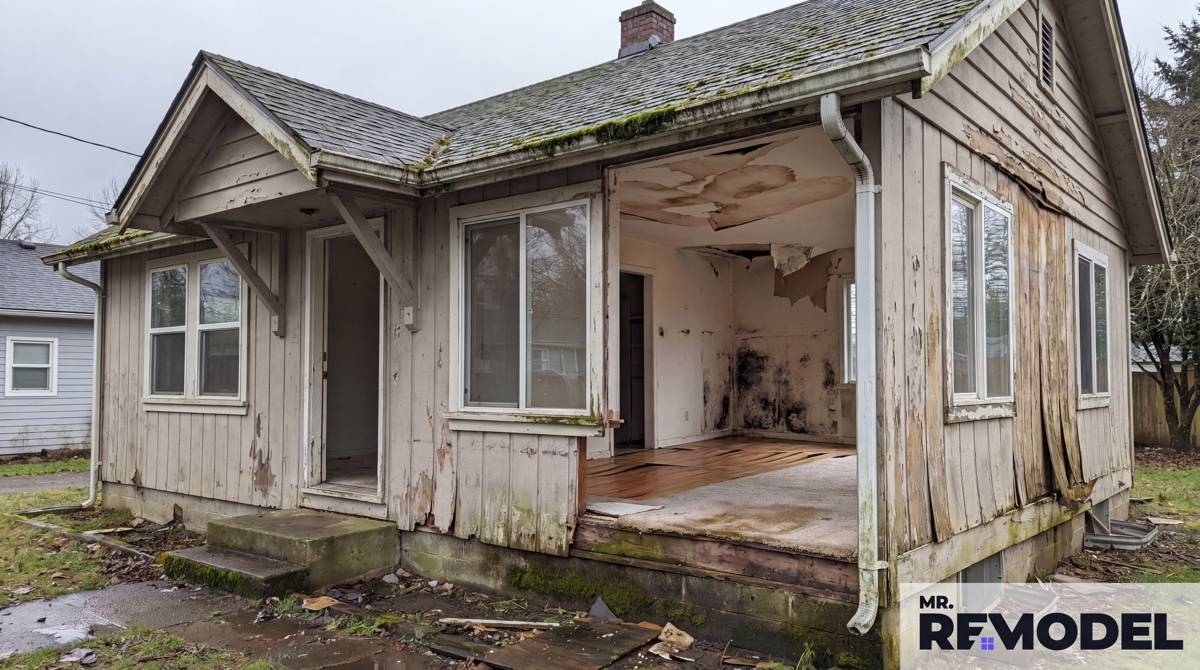
Table of Contents [hide]
Who This Is For
This guide is designed for property owners who have identified a potential water issue and are evaluating the risk of delaying repairs. It provides a data-backed timeline of structural decay to help you understand why immediate mitigation is the only way to avoid catastrophic repair bills.
Key Takeaways
- The 48-Hour Threshold: EPA data confirms that moisture management within 24 to 48 hours prevents nearly all mold colonization.
- Compounding Structural Damage: Ignoring minor leaks turns simple, localized repairs into full-scale structural tear-outs.
- The Leverage Gap: Delayed repairs force homeowners into emergency, off-hour pricing tiers, causing a complete loss of negotiating leverage.
- Seasonal Failure Windows: Proprietary data highlights October as the peak month for failures caused by unaddressed summer moisture issues.
- Geographic Sensitivity: High-humidity climates like Florida accelerate mold proliferation from minor leaks to catastrophic black mold in just three days.
Many homeowners fall into the trap of believing that a small leak will wait until a convenient time to be fixed. Our internal data proves this assumption is dangerously incorrect. Based on 104 emergency mitigation records, 100% of homeowners who ignored minor water damage eventually escalated into high-panic, emergency phone calls when their property experienced catastrophic failure.
Waiting to act does not save money. It merely guarantees that the eventual repair will be performed during a crisis, where you lose all control over scheduling and cost.
0 to 48 Hours: The Critical Drying Window
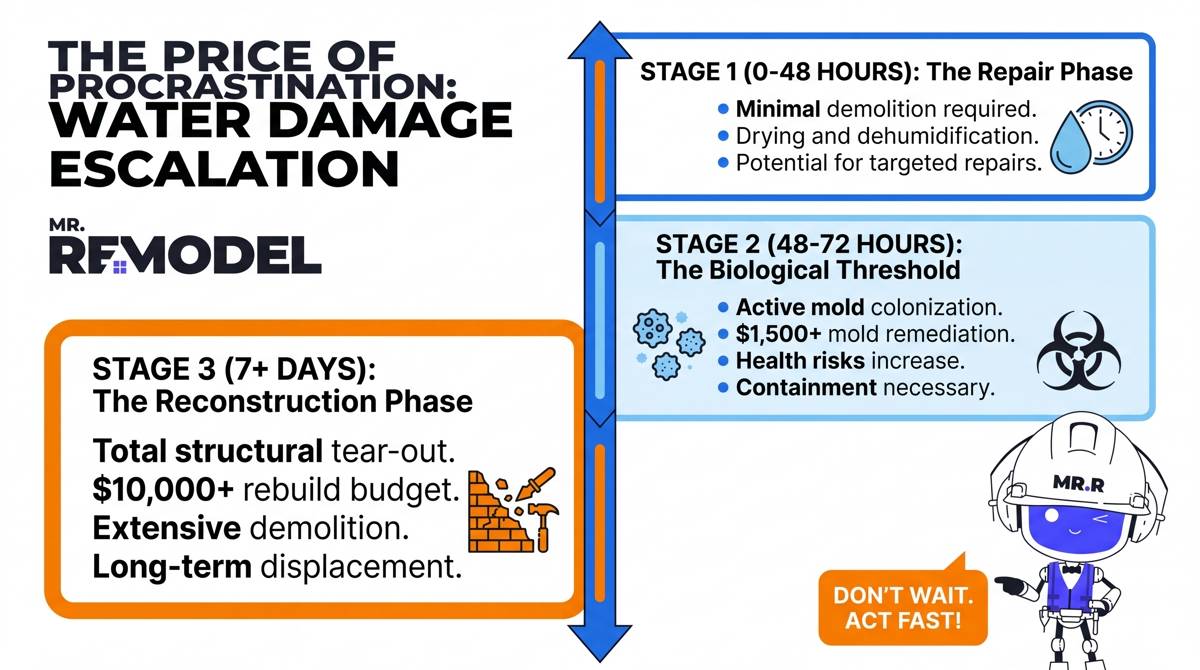
During the first two days, water damage is relatively easy to manage. The United States Environmental Protection Agency (EPA) emphasizes that if damp or wet materials are dried within 24 to 48 hours, mold colonization typically does not occur. This is the period of maximum savings.
48 to 72 Hours: Biological and Structural Shift
Once you pass the 72-hour mark, mold growth begins in earnest. Worse, the water begins to compromise the structural integrity of your home. The American Society of Civil Engineers (ASCE) highlights that moisture-induced damage significantly compromises the strength and stiffness of wood, posing severe risks to the structural integrity of your home.
7 Days and Beyond: Catastrophic Failure
At this stage, you are no longer dealing with a repair; you are dealing with a reconstruction. Hidden components like wall studs and floor joists may begin to rot, necessitating a full structural tear-out.
See Related: Signs of Hidden Water Damage
The Hidden Cost of Lost Leverage
When you ignore a minor leak, you are essentially gambling with your bank account. If you wait until a pipe bursts or a ceiling collapses, you no longer have the luxury of requesting multiple bids or scheduling repairs during standard business hours.
Forced Emergency Pricing
Ignoring a problem guarantees that the repair will happen on the contractor’s timeline, not yours. This forces you into emergency, off-hour pricing tiers. You lose the leverage to negotiate the cost of water damage restoration because your immediate need for dispatch overrides cost-comparison efforts.
Insurance Complications
Insurers look for evidence of neglect. If an adjuster identifies that the damage resulted from a leak that has been ignored for weeks, they may classify the loss as a maintenance issue rather than a sudden disaster. This often leads to partial or total claim denials.
Regional Risk Profiles: Why Florida and New York Differ
The consequence of ignoring water damage is heavily dictated by your geography. Climate factors drastically accelerate the speed of decay.
- California (12.50% Demand): Ignored slab leaks rapidly degrade foundation integrity, turning a minor pipe drip into a foundation-level emergency.
- New York (8.65% Demand): Unaddressed moisture freezes during seasonal shifts, causing massive secondary pipe bursts that can flood entire apartment levels.
- Florida (8.65% Demand): High ambient humidity turns minor, ignored leaks into aggressive Category 3 black mold infestations within 48 to 72 hours.
- North Carolina (7.69% Demand): Ignored, crawlspace moisture rot destroys structural subflooring before the homeowner even realizes the leak exists.
- Illinois (6.73% Demand): Neglected basement seepage leads to total drywall loss and compromised concrete foundations due to seasonal freeze-thaw cycles.
See Related: Bathroom Water Damage: What to Do and How to Save Your Home
The Seasonal Failure Window (The October Surge)
Hidden water damage is not purely random. Our proprietary lead volume data shows that 60.58% of all emergency mitigation crises occur in October. This is not a coincidence.
As temperatures drop and seasons change, the moisture that was trapped during the humid summer months often reaches a breaking point. Roof leaks that were barely noticeable in August become major structural failures in October. If you suspect your home has been exposed to water, perform an inspection before the Q4 seasonal shift begins.
When Minor Leaks Become Structural Threats
According to the State Historical Society of North Dakota, no other element is as destructive to buildings as water. Enclosed portions of a building, such as wall cavities, can retain water for long periods, posing extreme danger to structural elements like wall studs and floor joists.
If you see these indicators, the damage has likely already breached the structural threshold:
- Buckling or warping of subflooring.
- Persistent musty odors that persist even after cleaning.
- Discoloration that expands after rain events.
See Related: 7 Signs You Need New Gutters Before Major Damage Happens
Frequently Asked Questions
Can ignoring water damage lead to mold?
Yes, and it happens quickly. Mold needs only moisture, an organic food source (like drywall paper), and a short timeframe (24 to 48 hours) to begin colonizing.
How much more expensive is emergency repair vs. planned maintenance?
Emergency repairs often carry a premium because they require off-hour labor, rapid dispatch, and extensive structural demolition to address issues that would have been localized had they been caught early.
Does homeowner insurance cover ignored water damage?
Most policies cover sudden, accidental leaks. If an adjuster determines that the damage was allowed to persist through neglect, the claim is often denied.
How do I know if the damage is "hidden"?
You likely have hidden damage if there is a persistent musty smell, rising utility bills, or unexplained bubbling in your paint or wallpaper.
Who can help me assess if I have hidden water damage?
Mr. Remodel connects you with vetted local contractors who have the technology, such as thermal imaging, to detect moisture behind your walls before it destroys your structural framing.
Take Action Before the Damage Escalates
Ignoring water damage is the most expensive decision a homeowner can make. It forces you to deal with a crisis, compromises your home's structural framing, and often results in out-of-pocket costs that standard insurance won't cover.
If you suspect moisture is trapped behind your walls, don't wait for the next seasonal temperature shift. Reach out to the experts at Mr. Remodel today to schedule an inspection and get a free, no-obligation quote that can help you catch leaks while they are still manageable.