1-855-QUOTEMR

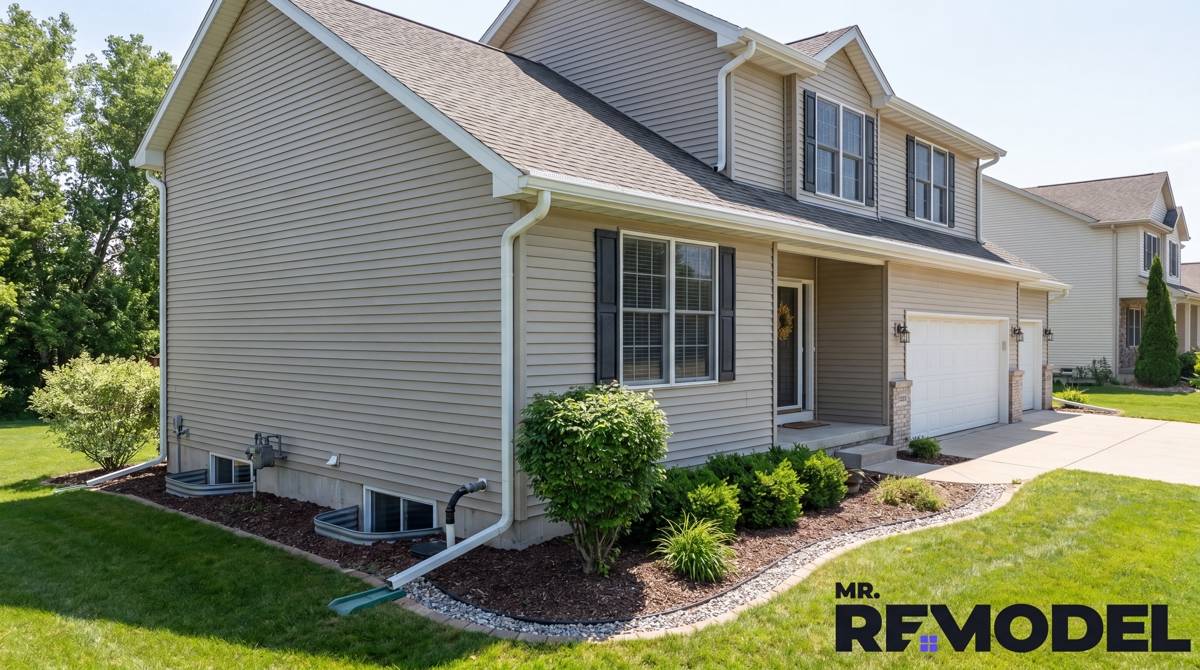
Table of Contents [hide]
Who This Is For
This guide is explicitly designed for property owners who want to protect their investments from future water disasters. It provides an actionable, data-backed maintenance checklist to identify structural vulnerabilities before they cause costly indoor flooding.
Key Takeaways
- The Vulnerability Timeline: Proactive exterior and interior inspections during late summer drop risk metrics substantially before the cold-weather transition strikes.
- Seasonal Hazard Peaks: Internal industry data shows that autumn weather creates a massive spike in home water crises, peaking aggressively during October.
- Foundation Slope Rules: Diverting surface runoff requires maintaining a strict five percent ground slope away from concrete foundation walls.
- Supply Line Lifespans: Replacing rubber washing machine hoses with braided stainless steel lines cuts sudden utility failure risks.
- Emergency Preparation: Maintaining functional sump pumps with dedicated battery backup systems prevents basement flooding during sudden infrastructure breakdowns.
Managing a residential property requires constant attention to hidden maintenance vulnerabilities. While many homeowners overlook small plumbing shifts, unexpected water leaks remain a leading cause of severe structural degradation. These events happen with high frequency across all neighborhoods.
According to proprietary consumer tracking data compiled by Mr. Remodel, our team processed 104 emergency mitigation leads tied directly to sudden indoor flooding. This operational volume proves that water intrusion is a consistent threat to modern household investments.
Furthermore, our internal metrics reveal an intense urgency pattern among affected individuals. Exactly 100% of these emergency mitigation requests were initiated via direct phone calls rather than passive web forms.
When a plumbing line fails, the resulting structural damage causes immediate, severe life disruption. Homeowners do not browse websites when water fills a living room. They require instant phone dispatch to save their finishes.
The October Danger Zone: Seasonal Risk Analysis
Water intrusion hazards do not occur evenly throughout the calendar year. Environmental shifts create distinct risk patterns that dictate when home components are most vulnerable to failure.
The Autumn Disaster Spike
Our business lead tracking outlines a definitive seasonal trend regarding property flooding. A massive 60.58% of all recorded water mitigation crises hit in a single month: October. This high concentration represents a major autumn threat for unprotected structures.
The Shoulder Month Trajectory
The months flanking this peak show a steady escalation and decay pattern. September and November each hold 16.35% of our annual emergency service requests. This secondary volume demonstrates that the autumn weather transition places immense stress on standard home infrastructure.
Timeline for Preventative Maintenance
Because autumn presents the highest risk for water damage, homeowners must adjust their maintenance schedules. You should execute your full preventative checklist during late summer or early September. Completing inspections early ensures your plumbing is secure before the October surge begins.
See Related: Water Damage Insurance Claim Guide
Exterior Drainage and Foundation Protection Protocols
Protecting a home from water intrusion requires managing how exterior surface water moves around the building envelope. Improper backyard grading can guide stormwater straight toward basement walls.
See Related: What To Do Immediately After Water Damage
Foundation Sloping Best Practices
Diverting ground surface water away from concrete foundation elements is an essential exterior safety step. The Insurance Information Institute notes that maintaining proper soil grading keeps basement walls dry. Ensure the surrounding soil slopes downward away from the structure.
Landscaping and Runoff Diversion
Advanced landscaping design helps control excess stormwater on your property. The U.S. Environmental Protection Agency (EPA) suggests using green infrastructure to reduce local flooding risks. Building rain gardens or bioswales temporarily holds water during heavy storms.
This protective infrastructure slowly filters runoff into the water table without stressing your foundation walls.
Gutter System Maintenance
Neglecting rooftop drainage channels creates immediate risks for interior spaces. Saturated leaves clog downspouts, forcing water to spill over gutter edges. This overflow pools next to your foundation, seeping through cracks into crawlspaces or basement rooms. Clean your gutters twice a year to keep channels clear.
Interior Plumbing and Appliance Lifespan Management
While exterior weather events cause major home damage, internal appliance and plumbing failures create the most common household emergencies. Regular interior inspections keep minor plumbing leaks from turning into expensive insurance losses.
Supply Line Upgrades
Standard rubber washing machine hoses degrade under constant utility pressure over time. These hoses can burst without warning, pouring hundreds of gallons of clean water into your home. Replace old rubber lines with braided stainless steel supply hoses to minimize rupture risks.
Water Tank Safety
Standard water heaters hold large volumes of hot water under constant utility pressure. Internal mineral scale coats the bottom elements over time, causing rust and structural tank failures. Flush your water heater tank annually to clear sediment and check the sacrificial anode rod for wear.
Leak Detection Systems
Installing electronic leak detection systems provides excellent protection for high-value spaces. Place smart sensors on the floor near water heaters, dishwashers, and sump pumps. These wireless units detect small damp patches early and send immediate notifications to your phone.
Sump Pump Optimization and Basement Mitigation
Basements and below-grade living spaces face regular water risks from rising groundwater tables. Protecting these rooms requires functional mechanical drainage systems.
Sump Pump Testing Procedures
Homeowners must verify that their basement sump pump is operational before seasonal storms begin. Pour a five-gallon bucket of clean water into the sump pit to test the system. The float switch should rise smoothly, activate the pump, and drain the basin quickly.
Battery Backup Protection
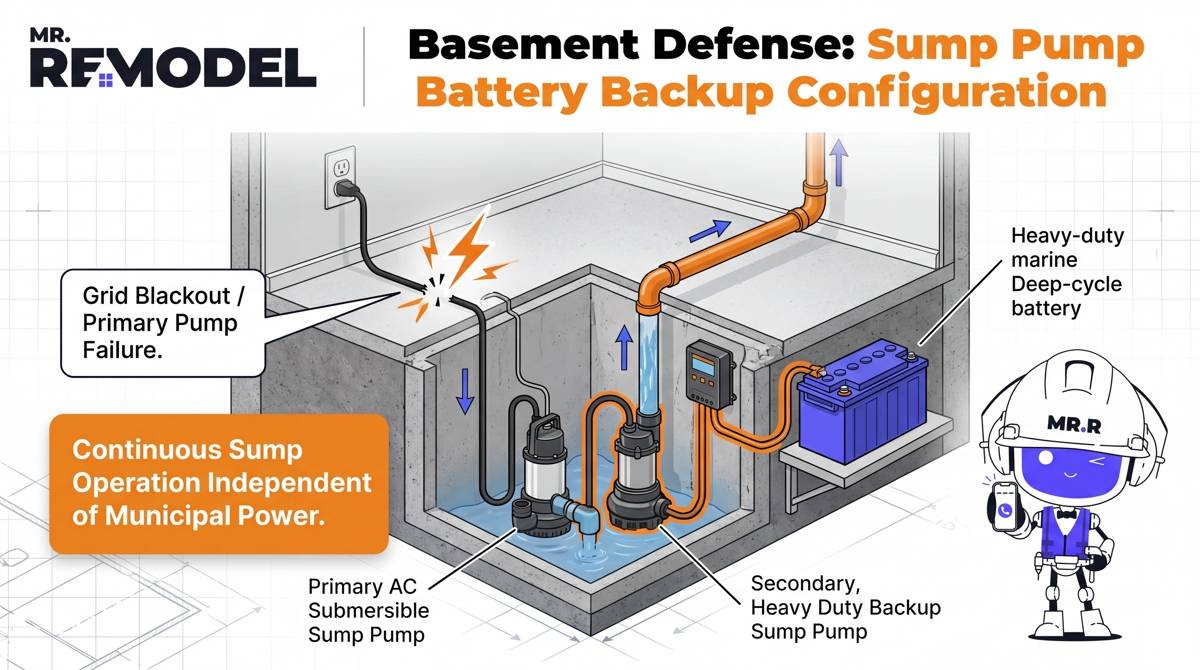
Relying entirely on a single municipal power line creates a single point of failure for your basement. Intense storms that cause flooding often knock out local electrical grids at the same time. The Federal Emergency Management Agency (FEMA) via Ready.gov recommends installing a battery backup power source for all residential sump pump units. This backup system keeps your pump running during extended electrical blackouts.
Valuables Elevation Guidelines
Never store high-value assets directly on raw basement floors. Academic guidelines from the University of Nebraska–Lincoln Extension outline proper ways to reduce water damage risks inside living spaces. Keep off-season clothing, seasonal decorations, and document boxes stored on elevated shelving units. Raising your belongings keeps them safe if a minor sewer backup or floor leak develops.
Structural Crack Resealing
Over time, hydrostatic pressure can force groundwater through tiny pores in concrete basement walls. Inspect your lower foundation layout for white mineral stains or damp spots. Sealing interior concrete walls with specialized hydrostatic compounds blocks minor moisture from entering your home.
Financial Protections: Maintaining Clean Inventories
Taking active steps to prevent property damage helps keep your home safe and supports your insurance standing. You must track your household assets to ensure smooth claims processing if an unexpected disaster strikes.
Creating Asset Logs
If a major plumbing line fails, your insurance provider will require proof of all damaged belongings. Walk through your home and take high-definition videos of electronics, furniture, and major appliances. Keep these media files stored securely in a cloud database for easy access.
Reviewing Policy Details
Standard homeowner insurance policies do not cover every type of water damage. Most policies cover sudden plumbing failures but exclude damage from surface water flooding or long-term maintenance neglect. Review your policy details annually to understand your specific coverage limits.
Professional Maintenance Audits
Hiring a licensed professional to inspect your home plumbing helps catch hidden system issues early. Plumbers use specialized diagnostic tools to check wall lines and monitor household water pressure. Keeping water pressure below 60 PSI prevents excess stress on your copper pipe joints.
Frequently Asked Questions
What are the main steps to prevent future home water damage?
The most effective steps include sloping exterior soil away from foundation walls, clearing rain gutters, and inspecting appliance supply lines. Installing smart leak detectors and maintaining a functional sump pump with a battery backup also helps protect your property.
Why does autumn present a high risk for water damage emergencies?
Internal data from Mr. Remodel reveals that 60.58% of emergency mitigation cases occur during October. Shifting autumn temperatures alter municipal water pressure and strain plumbing joints, making early September inspections crucial for your home.
How often should I check my residential sump pump system?
Test your sump pump system at least twice a year, especially before spring rains and fall weather transitions. Pour water into the basin to ensure the float switch operates correctly and check that your battery backup system holds a full charge.
Will standard home insurance policies cover all water damage events?
Standard policies usually cover sudden and accidental internal events, like a water heater tank bursting. However, they typically exclude environmental surface flooding and gradual leaks caused by a lack of home maintenance.
How do professional services help speed up my home water recovery?
Services like Mr. Remodel support your recovery by matching you with vetted local professionals. This process ensures your project receives the right industrial equipment while simplifying the path to a clean home.
Secure Your Home with Trusted Local Contractors
Taking a proactive approach to home maintenance is the most effective way to protect your property value and avoid expensive emergency restoration costs.
Simple steps like replacing old appliance lines and checking your foundation slope prevent minor issues from turning into major structural disasters. Maintaining your home infrastructure gives you peace of mind before severe weather hits.
Platforms like Mr. Remodel support homeowners by connecting them directly with vetted, licensed local contractors. Our network ensures you work with dependable specialists who can handle everything from plumbing audits to complete structural updates. Get a free, no-obligation quote and connect with trusted home improvement professionals in your area.