1-855-QUOTEMR

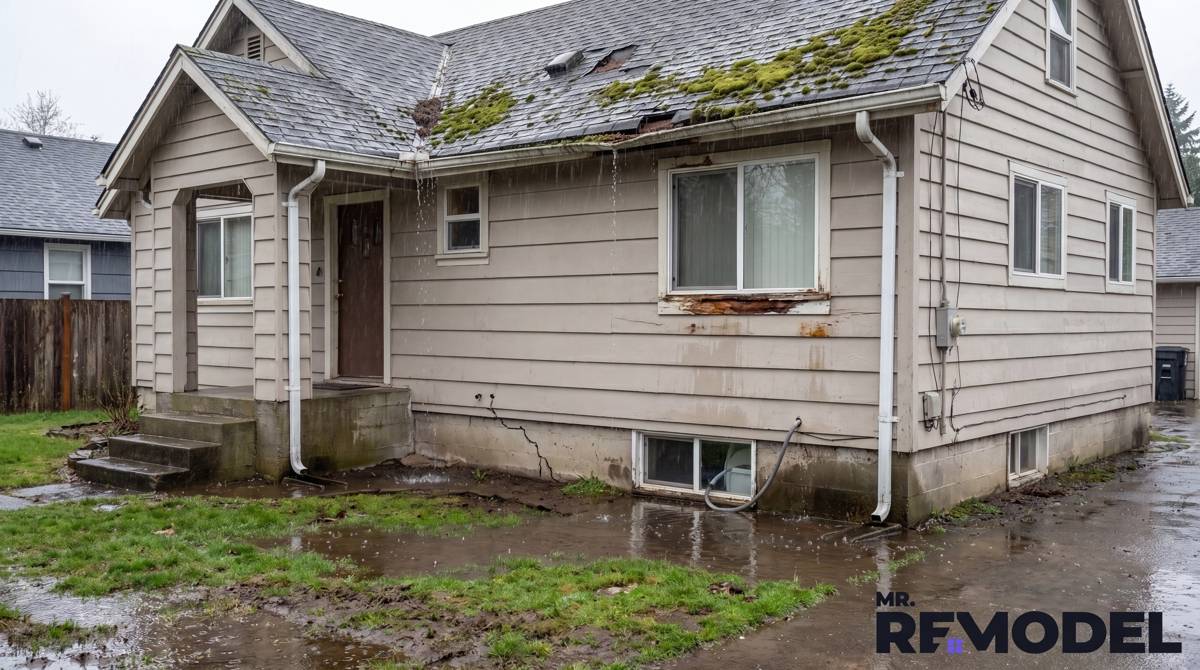
Table of Contents [hide]
Who This Is For
This guide is designed for homeowners who have spotted potential water issues and need to identify the source. It provides an actionable, data-backed breakdown of common failure points to help you catch leaks before they trigger a catastrophic home emergency.
Key Takeaways
- The 48-Hour Threshold: EPA data confirms that moisture management within 24 to 48 hours is the only way to prevent rapid, costly mold colonization.
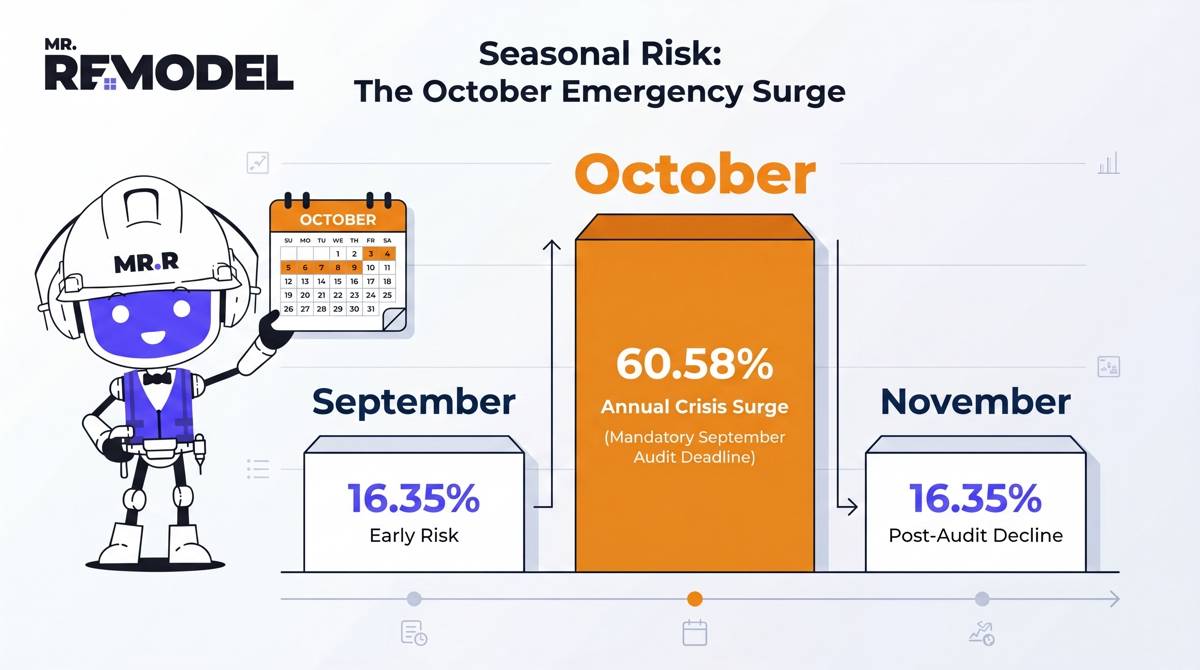
- Q4 Infrastructure Stress: Internal data highlights October as the highest-risk month for property failures due to seasonal temperature and humidity transitions.
- Infrastructure Age: HVAC and plumbing system failures account for nearly 47% of major residential water losses, often triggered by aging components.
- 100% Call Priority: Proprietary emergency metrics show that when homeowners identify the signs of water intrusion, they bypass web forms entirely for immediate phone-based dispatch.
- Localized Vulnerabilities: Geography dictates failure; for example, California homes face higher risks of internal slab leaks, while New York infrastructure is prone to frozen pipe bursts.
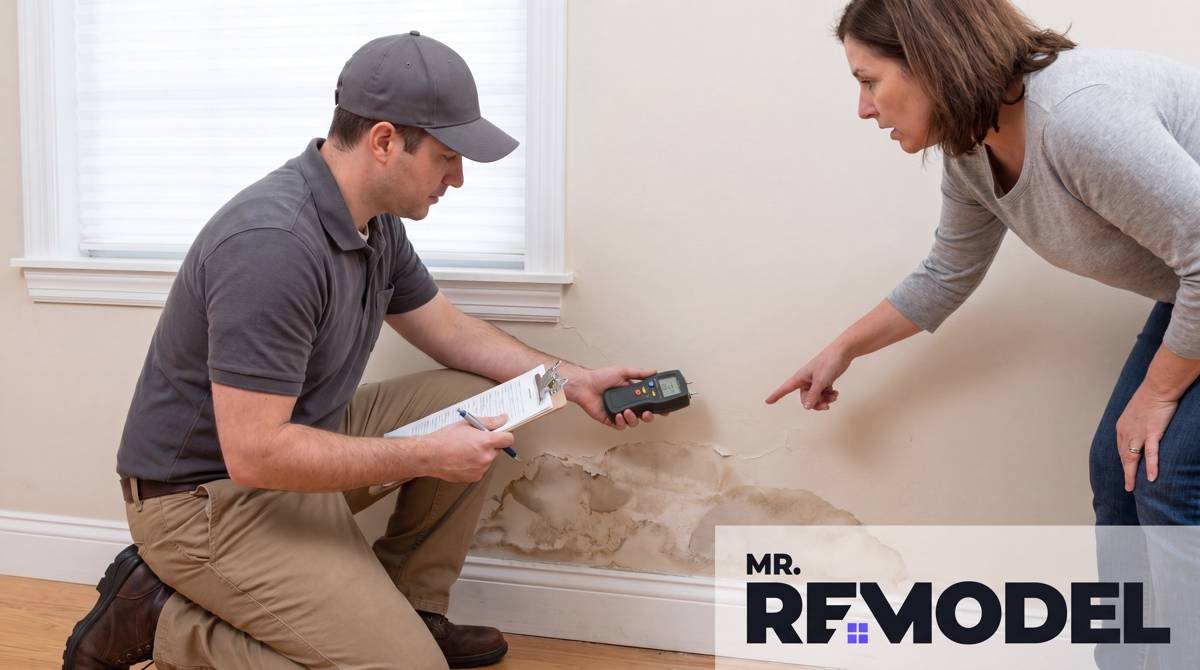
Water damage rarely begins as a major disaster. It starts as a slow drip behind a bathroom wall, a weeping pipe joint under a kitchen sink, or a failing seal in an HVAC unit. Most homeowners overlook these small indicators until they reach a breaking point.
Our internal data analysis of 104 emergency mitigation records reveals a sobering trend: when homeowners finally identify a "common cause" of water damage, the situation has already crossed the threshold from a minor maintenance task to an active, high-stress emergency.
In fact, 100% of the emergency interactions in our database originated from a direct phone call rather than a digital form. Once the cause is visible, the time for passive research is over; the time for immediate containment has arrived.
Top 5 Common Causes of Structural Water Intrusion
Understanding where your home is most likely to fail is the first step toward effective prevention. While every property is unique, the following five failure points represent the vast majority of our emergency service requests.
1. Plumbing and Supply Line Failures
Rubber supply lines for toilets, dishwashers, and washing machines degrade significantly over time. When these lines become brittle, they often rupture under utility pressure, pouring gallons of water into your home in minutes. Upgrading to braided stainless steel lines is a standard preventative measure.
2. HVAC Condensation and Leakage
Your air conditioning system is a major source of indoor moisture. If the condensate drain line becomes clogged with algae or debris, water will back up and overflow into your ceiling or interior wall cavities.
3. Water Heater Tank Degradation
Traditional tank-style water heaters have a limited lifespan, typically ranging from 8 to 12 years. As the tank ages, internal corrosion can cause pinhole leaks or sudden tank failure, flooding your basement or utility room floor.
4. Roof and Envelope Breaches
Roof leaks often go unnoticed in crawlspaces or attics until the water migrates down into your finished living areas. Breaches often occur around chimney flashing, vent pipes, or missing shingles that allow bulk water to enter the building envelope.
5. Sump Pump and Drainage Failure
If your home is in a flood-prone area or features a basement, your sump pump is your primary defense. If the pump is undersized, clogged, or lacks a battery backup, a single heavy storm event can lead to total basement inundation.
Seasonal and Regional Risk Profiling
Failure causes are rarely random. They follow specific patterns based on your location and the time of year.
The Q4 Infrastructure Threat
Our data shows a massive 60.58% volume spike in emergency water requests occurring in October. This peak correlates with the sharp transition in outdoor temperatures. As the seasons change, aging plumbing pipes and heating systems that were dormant all summer begin to fail under new pressures. We urge homeowners to inspect their sump pumps and pipe insulation annually in late September.
Hyper-Local Failure Trends
We categorized our emergency data to help homeowners identify the specific risks associated with their regional infrastructure:
- California (12.5% of Demand): High risk for internal slab leaks and plumbing degradation in aging residential tracts.
- New York (8.65% of Demand): High risk for frozen pipe bursts and radiator leaks during Q4 temperature drops.
- Florida (8.65% of Demand): High risk for roof leaks and moisture trapped inside walls, which accelerates aggressive mold growth.
- North Carolina (7.69% of Demand): Susceptible to crawlspace inundation and high-water-table seepage.
- Illinois (6.73% of Demand): High risk for basement flooding and foundation seepage caused by regional freeze-thaw cycles.
See Related: Signs of Hidden Water Damage
Preventing Secondary Biohazard Growth
One of the most destructive aspects of water damage is not the water itself, but the secondary biological growth it fosters.
The 24–48 Hour Critical Window
The EPA confirms that if wet materials are dried within 24 to 48 hours, mold colonization typically does not occur. Once you move past this window, the costs of cleanup scale exponentially because you are no longer just drying materials—you are performing biohazard remediation.
The Role of Humidity
Persistent moisture compromises the structural stability of wood materials. When wood remains saturated, it softens, rots, and becomes a direct food source for fungal colonies, which can compromise the integrity of your floor joists and framing.
Categorization: Why the "Type" of Water Matters
Professional contractors categorize water damage into three groups. Identifying these groups helps you understand the required speed of response.
- Category 1 (Clean Water): Water from a broken supply line. It is sanitary, but becomes Category 2 if it stands for too long.
- Category 2 (Grey Water): Water from appliances like dishwashers or washing machines. It contains contaminants that require specialized sanitation.
- Category 3 (Black Water): Sewage or surface flooding. This is highly hazardous and requires immediate professional containment and full removal of all porous materials.
Internal Mr. Remodel data highlights that the category of the water dictates how quickly a property can be safely salvaged.
See Related: What Happens if Water Damage Is Ignored?
Frequently Asked Questions
What should I do first if I spot a major leak?
Shut off your main water valve immediately to stop the flow. If water is near electrical outlets or appliances, cut the power at the main breaker before entering the room. Then, call for professional extraction.
Can I fix a "common cause" leak myself?
Minor issues like a loose connection under a sink can be tightened, but any leak that has saturated structural materials (drywall, wood, insulation) should be evaluated by a professional to ensure it is dried to standard.
How often should I inspect my plumbing?
Perform a visual inspection of all visible pipes, appliance hoses, and the water heater at least twice a year. Keep an eye out for corrosion, damp spots, or mineral buildup.
Why do plumbing systems fail more often in Q4?
Temperature shifts put stress on plumbing joints, pipe insulation, and older heating units. Our data shows a massive uptick in failures as homes adjust to the colder months of October and November.
How can I get professional help quickly?
If you have discovered an active issue, do not wait for it to worsen. Mr. Remodel matches you with vetted local contractors who provide expert water damage restoration to stop the damage at the source.
Don't Wait for an Infrastructure Failure
Ignoring a small leak rarely results in a self-resolving issue; it only leads to a more expensive structural failure later. By maintaining your plumbing, checking your sump pump, and monitoring your home for the early signs of moisture, you can avoid a high-stress Q4 emergency.
If you suspect your property is currently experiencing one of these common failure points, take immediate action. Connect with Mr. Remodel to find professional support today. Get your free, no-obligation quote and prevent these early signs in the single most effective way to protect your home and your financial investment.