1-855-QUOTEMR

Table of Contents [hide]
Who This Is For
This guide is designed for homeowners, real estate investors, and property managers planning a bathroom modernization in 2026. If you are deciding between a full room gut-job and a targeted high-impact upgrade, this data-heavy analysis will help you allocate your budget for the highest possible return on investment.
Key Takeaways
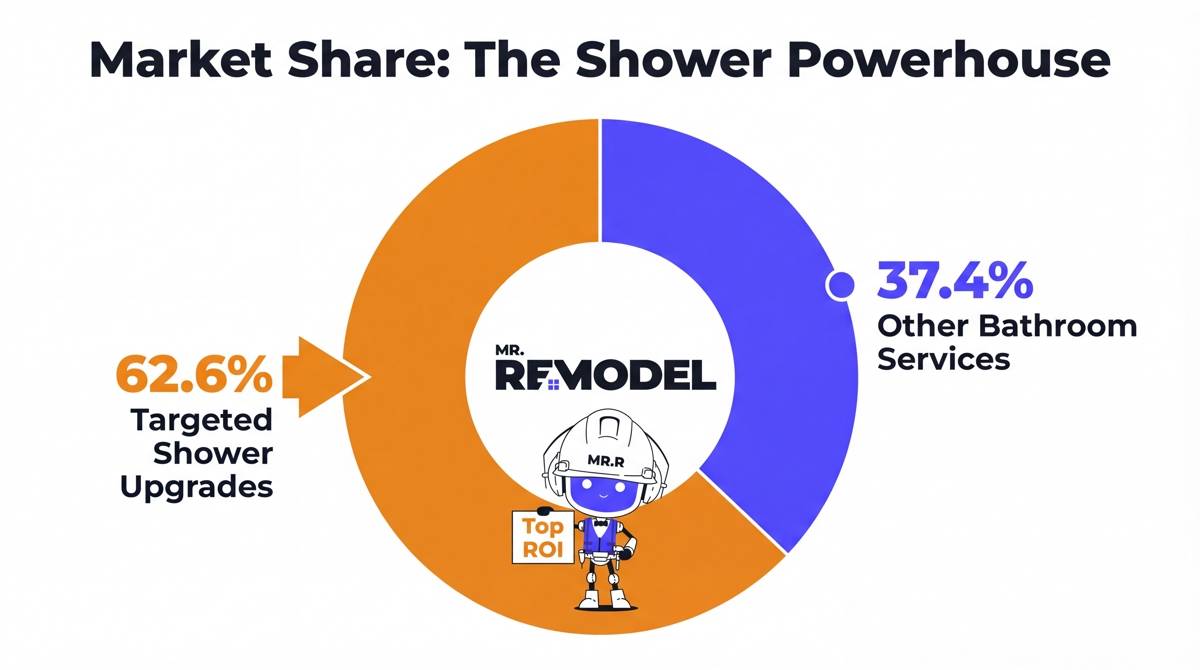
- Shower Dominance: Targeted shower upgrades now drive 62.6% of total bathroom remodeling revenue.
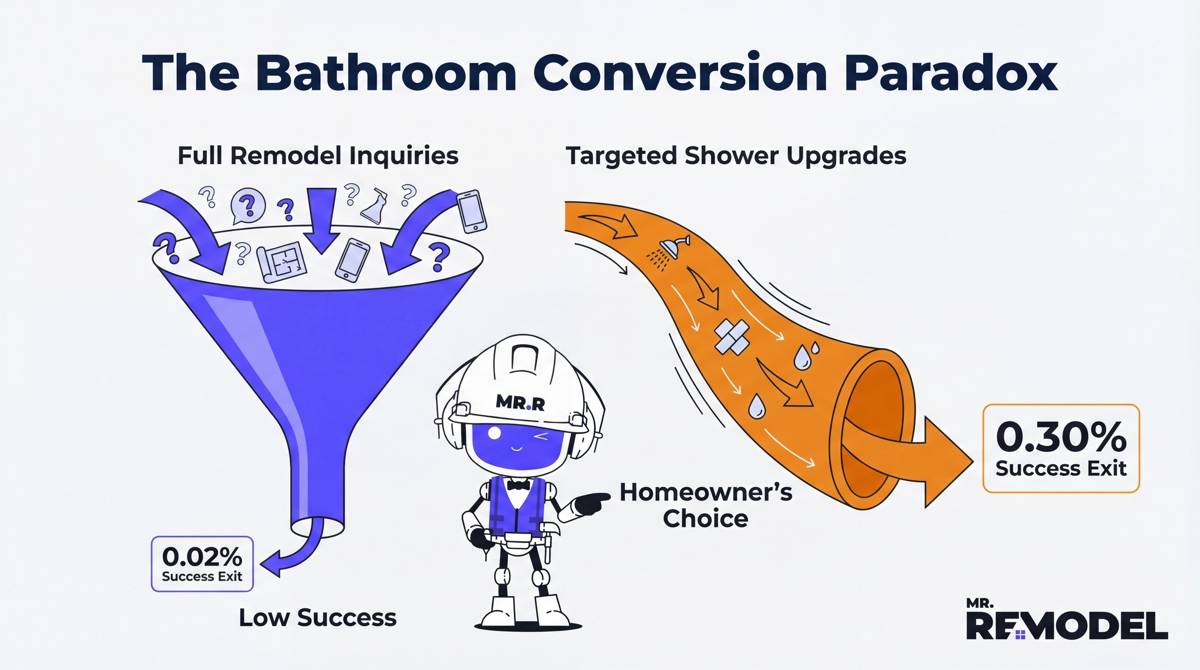
- Conversion Paradox: Complete bathroom remodels currently have the lowest conversion rate at just 0.02%.
- Strategic Spending: Tub-to-shower conversions command the highest average ticket price at $18,310.
- National Benchmarks: The national mid-range average for a bathroom project is $16,156.
- Resale Appeal: Functional, accessible wet area upgrades yield higher Joy Scores than purely aesthetic refreshes.
- Labor Reality: Specialized labor for curbless systems has seen a cost increase due to economic shifts.
The bathroom remodeling market has reached a fascinating turning point in 2026. For decades, the prevailing wisdom suggested that a total room renovation was the only way to secure a high resale value.
Homeowners are no longer interested in long, disruptive construction projects that gut the entire room. Instead, the market has shifted toward targeted modernizations. These projects focus on the most functional parts of the room. Specifically, the wet area is where the most value is created or lost.
Mr. Remodel data reveals a shocking trend. While many homeowners inquire about full renovations, the conversion rate for those projects is remarkably low at 0.02%. In contrast, specialized shower upgrades have a conversion rate of 0.30%.
This indicates that homeowners are looking for efficiency and high-impact functional changes rather than total overhauls.
Understanding the Costs: National Averages vs. Real-World Data
When planning a budget, most homeowners look at national averages. While these are helpful, they often fail to account for the specialization of the work. The U.S. Department of Housing and Urban Development reports that the age of home systems is a primary driver for renovation.
The cost of materials and specialized labor has stabilized, but it remains higher than pre-2024 levels. A mid-range bathroom project now averages around $16,156. This figure aligns perfectly with the current Mr. Remodel data for standard high-quality installations.
Cost Comparison by Project Type
The data shows that tub-to-shower conversions command a premium price. This is because they involve complex plumbing, waterproofing, and specialized drainage systems. Despite the higher cost, they remain the most requested service in the current market.
See Related: How Much Value a Bathroom Remodel Adds
The Shower Powerhouse: Why Wet Areas Drive Value
The shower is the focal point of the modern bathroom. Research from the University of South Alabama indicates that Millennials and Gen X homeowners prioritize walk-in showers over traditional bathtubs. This shift is driven by a desire for luxury, accessibility, and time-saving functionality.
The Tub-to-Shower Conversion Trend
A tub-to-shower conversion is the process of removing an existing bathtub and replacing it with a large walk-in shower. This project is the current MVP of the remodeling world. It drives 62.6% of total revenue for specialized contractors.
There are three main reasons why this specific upgrade outpaces all others:
- Accessibility: As the population ages, walk-in showers provide a safer environment for aging in place.
- Space Perception: Removing a bulky tub makes even a small bathroom feel significantly larger.
- Modern Aesthetics: Large-format tiles and seamless glass doors offer a high-end, spa-like feel that buyers crave.
Cost Factors for Shower Upgrades
Not all showers are created equal. The final price tag depends on several variables that homeowners must consider during the planning phase.
- Plumbing Relocation: Moving the drain or showerhead can add $1,500 to $3,000 to the budget.
- Waterproofing Systems: High-quality moisture barriers are essential for preventing long-term mold and structural damage.
- Material Selection: There is a significant price gap between acrylic liners and custom natural stone.
- Glass Enclosures: Frameless glass doors are more expensive but offer the highest aesthetic value.
See Related: Is a Bathroom Remodel Worth the Cost
Resale Value and the "Joy Score"
Value is not just about the dollar amount added to the home price. It is also about how much the homeowner enjoys the space. The National Association of REALTORS® publishes a Remodeling Impact Report that tracks Joy Scores.
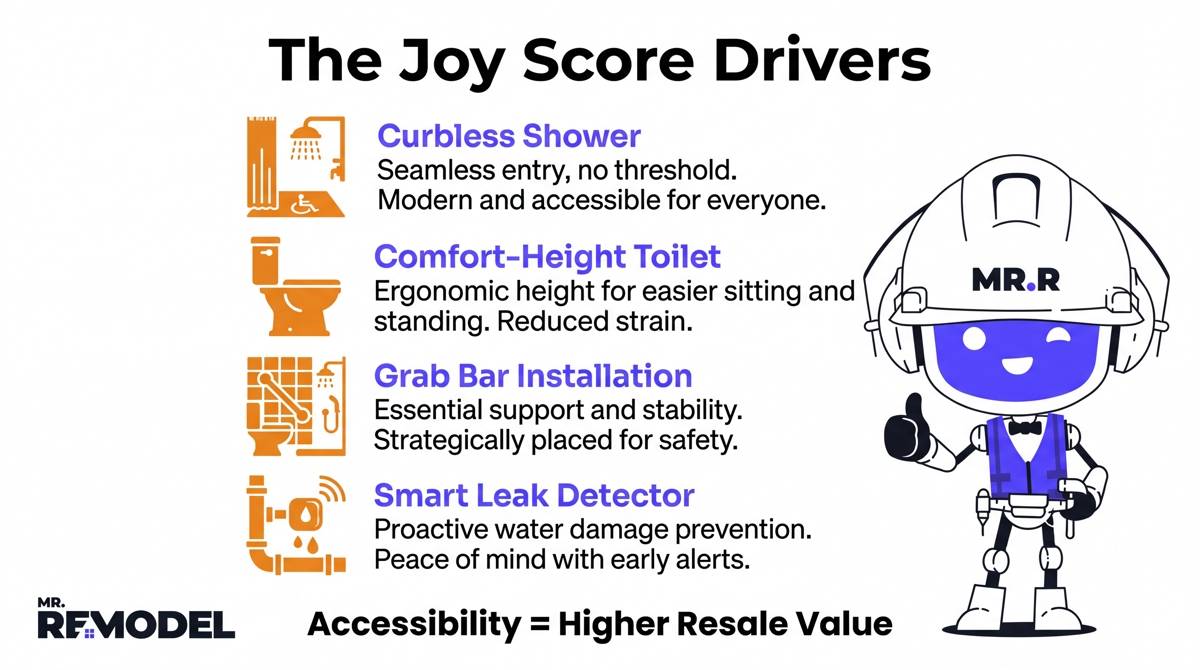
A Joy Score measures how happy a homeowner is with their project on a scale of 1 to 10. Bathroom renovations consistently score a 9.6 or higher. This suggests that even if a homeowner does not plan to sell immediately, the lifestyle improvement justifies the investment.
See Related: Bathroom Remodel Cost by Home Size
ROI by Material and Design
Data from Mr. Remodel indicates that homeowners are increasingly choosing premium acrylic and solid surface panels. These materials offer the look of stone without the maintenance of grout lines. This combination of beauty and ease of cleaning is a major selling point in the market.
If you are considering an upgrade with your bathroom materials, connect with a Mr. Remodel specialist to see samples and get a custom estimate.
Hidden Costs and Inflation Realities
While material costs have found a new baseline, labor remains a significant portion of any bathroom budget. Specialized labor accounts for roughly 45% to 55% of the total project cost. This is particularly true for curbless shower systems.
The Complexity of Curbless Systems
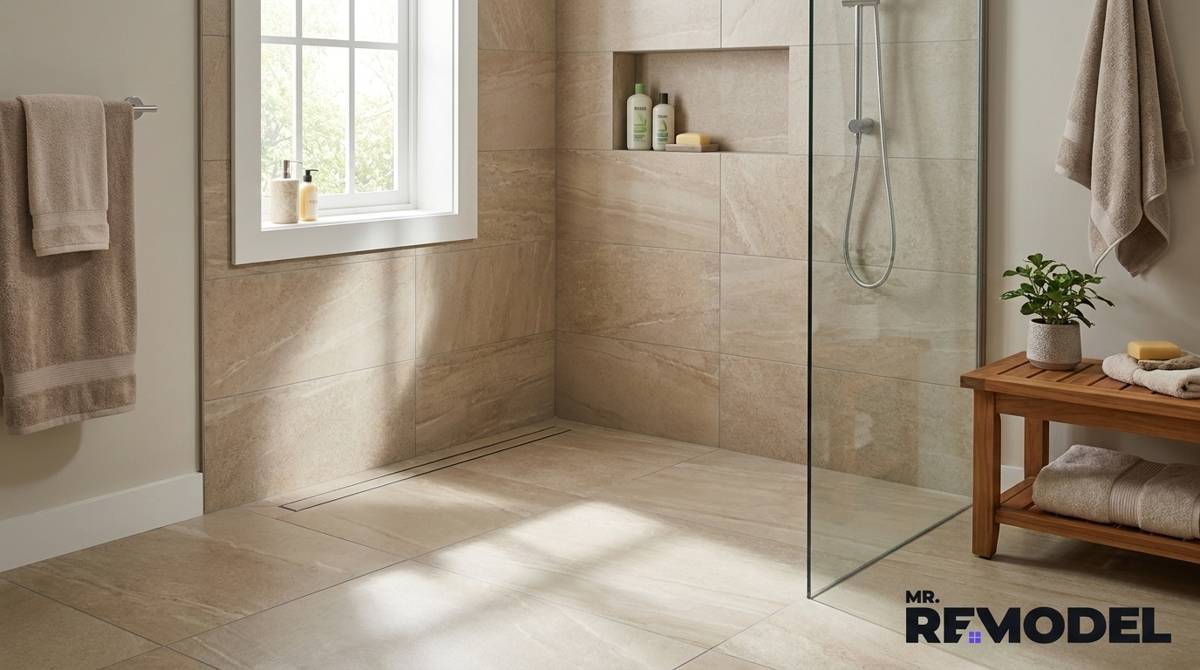
Curbless or walk-in showers require a recessed floor to ensure proper drainage without a step-up. This requires a structural assessment and often involves "notching" floor joists or using specialized pre-sloped pans.
Because this work requires a high level of expertise, the labor rates are higher. However, the investment is often recouped through the increased accessibility and modern appeal of the home.
Labor Breakdown
- Demolition: Removing old tubs, tile, and flooring ($1,000 to $2,500).
- Plumbing: Rough-in for new valves and drains ($2,000 to $4,500).
- Electrical: Upgrading lighting and adding ventilation fans ($800 to $1,500).
- Waterproofing and Tile: The most time-intensive phase ($4,000 to $8,000).
Regional Variations in Remodeling Costs
Costs are not uniform across the United States. Factors like local labor laws, shipping costs for materials, and regional demand play a role. According to the American Housing Survey, metropolitan areas on the coasts see costs that are 20% to 30% higher than the national average.
Regional Cost Multipliers
- Northeast: Higher labor costs and older home infrastructure lead to higher project totals.
- South: Growing demand for modern updates has increased local contractor rates.
- Midwest: Costs remain closest to the national average of $16,156.
- West Coast: Strict building codes and high material transport costs drive prices upward.
Despite these variations, the strategy remains the same. Focus on the wet area to ensure you are getting the most value for every dollar spent in your specific region.
See Related: Bathroom Remodel Cost by City
Accessibility: The New Luxury Standard
Accessibility is no longer seen as a clinical necessity. It is now viewed as a luxury feature. Universal Design principles ensure that a bathroom is usable by everyone, regardless of age or ability.
Features of Universal Design
- Curbless Entries: Eliminates tripping hazards and allows for wheelchair access.
- Grab Bars: Modern designs integrate these into towel bars or soap dishes for a sleek look.
- Comfort Height Toilets: Easier for individuals with mobility issues to use.
- Adjustable Showerheads: Handheld options provide flexibility for all users.
Mr. Remodel data shows that projects including at least two accessibility features have a 15% higher Joy Score than those that do not. Furthermore, these features are highly attractive to the growing demographic of homeowners looking to age in place.
Strategic Planning: How to Budget for Success
To avoid the common pitfalls of a bathroom remodel, homeowners should follow a structured planning process. A well-defined budget prevents scope creep and ensures the project remains focused on high-ROI upgrades.
The 5-Step Budgeting Process
- Define the Scope: Determine if you need a full remodel or a targeted wet area upgrade.
- Set a Hard Limit: Establish a maximum spend that includes a 10% contingency fund for unforeseen issues behind walls.
- Research Materials: Choose materials based on a balance of durability, aesthetics, and maintenance requirements.
- Get Multiple Quotes: Ensure you are comparing apples to apples by requesting detailed breakdowns from contractors.
- Focus on Function: Prioritize plumbing and waterproofing over decorative elements like expensive faucets or mirrors.
By following this process, you can align your project with the market trends that favor high-impact, efficient modernizations.
See Related: Financing a Bathroom Remodel
Frequently Asked Questions
What is the most expensive part of a bathroom remodel?
The most expensive part is usually the combination of plumbing and labor. Moving existing pipes or installing complex waterproofing systems for a walk-in shower requires specialized skills that command high hourly rates.
How much value does a new shower add to a home?
A high-quality shower upgrade can add significant value. Most homeowners see a return of 70% to 78% on their investment. It is often the deciding factor for buyers comparing two similar homes.
How long does a typical Mr. Remodel shower upgrade take?
Most targeted shower upgrades performed by Mr. Remodel take between 1 and 3 days. This is significantly faster than a full bathroom remodel, which can take weeks of construction and disruption.
Is a tub-to-shower conversion a good idea for a small bathroom?
Yes. Removing a tub and installing a walk-in shower is one of the most effective ways to make a small bathroom feel more spacious and modern. It maximizes the room's footprint without altering the walls.
Does Mr. Remodel offer financing for bathroom projects?
Yes. Mr. Remodel works with various partners to offer flexible financing options. This allows homeowners to start their high-ROI projects immediately while spreading the cost over manageable monthly payments.
Why is the conversion rate for full remodels so low?
Data suggests that homeowners are wary of the long timelines and high costs associated with gutting a room. They prefer the speed and guaranteed results of specialized services like those offered by Mr. Remodel.
Can I do a bathroom remodel myself to save money?
While some cosmetic changes are DIY-friendly, plumbing and waterproofing are not. Mistakes in these areas can lead to thousands of dollars in water damage. Hiring a professional like Mr. Remodel ensures the job is done correctly and backed by a warranty.
What are the best colors for bathroom resale value in 2026?
Neutral tones continue to lead the market. Light grays, soft whites, and natural wood textures create a clean, spa-like environment that appeals to the widest range of potential buyers.
Securing Your Investment
The bathroom remodeling market is defined by precision and purpose. Homeowners are moving away from the "gut everything" approach and moving toward the "Shower Powerhouse" strategy. By focusing on the wet area, you can achieve a higher project value, better business efficiency, and a more functional home.
The data is clear. Targeted modernizations, particularly tub-to-shower conversions, offer the highest ticket prices and the best conversion rates. Whether you are looking to increase your home's resale value or simply want to improve your daily quality of life, focusing on high-impact upgrades is the smartest path forward.
Ready to start your journey toward a better bathroom? Mr. Remodel provides free quotes and connects you with the best local contractors in your area.