1-855-QUOTEMR

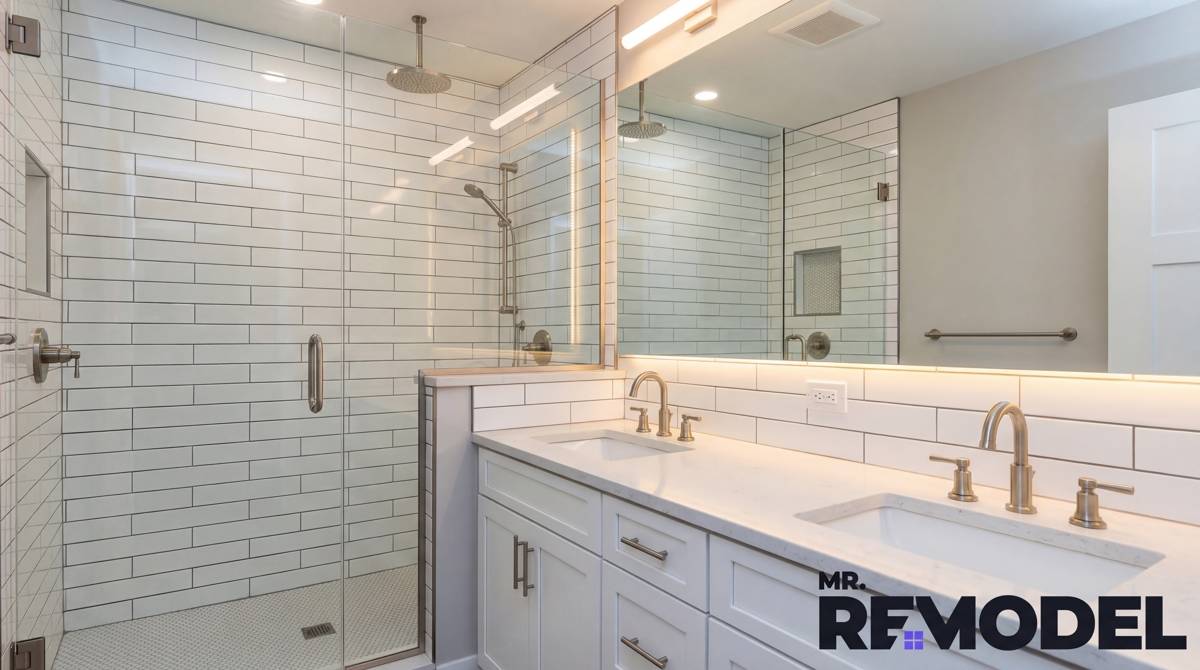
Table of Contents [hide]
Who This Is For
This guide is designed for homeowners who are currently weighing the high upfront costs of a bathroom renovation against the potential increase in home equity and daily quality of life.
Key Takeaways
- The average bathroom remodel investment currently sits at approximately $16,248.91 based on recent project data.
- Homeowners can expect to recoup 60% to 70% of their investment in added property value.
- Wet-area upgrades, specifically shower modernizations, represent 86% of all completed projects.
- Financial returns are highest when focusing on functional improvements rather than purely aesthetic luxury additions.
According to recent data from the University of South Alabama, the median spend for bathroom renovations has stabilized at $15,000. This figure highlights a significant commitment by homeowners toward maintaining property value in a fluctuating market.
Deciding to renovate is rarely just about the money. It is a balance between financial logic and the desire for a better living space. This article explores the data behind these decisions to help you determine if the investment is right for you.
Analyzing the Financial Reality of Bathroom Remodeling
The first question every homeowner asks is about the bottom line. While national averages provide a broad baseline, they often fail to account for what people are actually spending in the current market.
Recent internal data from Mr. Remodel provides a clearer picture. Across 45 completed projects, the total customer investment reached $731,201.10. This results in a real-world average cost of $16,248.91 per project.
Real-World Spending Breakdown
To understand where this money goes, it is helpful to look at the specific types of projects homeowners prioritize. The table below outlines the actual costs associated with different bathroom renovation categories.
Why Real Data Matters Over National Estimates
National estimates often include DIY projects or ultra-luxury renovations that skew the numbers. By looking at Mr. Remodel data, you see what the average serious renovation looks like today.
Most homeowners are choosing targeted upgrades rather than gutting the entire room. This strategy allows for a high-impact transformation without the $40,000 price tag often cited by general interest magazines.
Calculating Your Return on Investment (ROI)
The financial worth of a remodel is often measured by its impact on resale value. Data from the Pennsylvania Association of Realtors suggests that bathroom remodels consistently offer a 60% to 70% ROI.
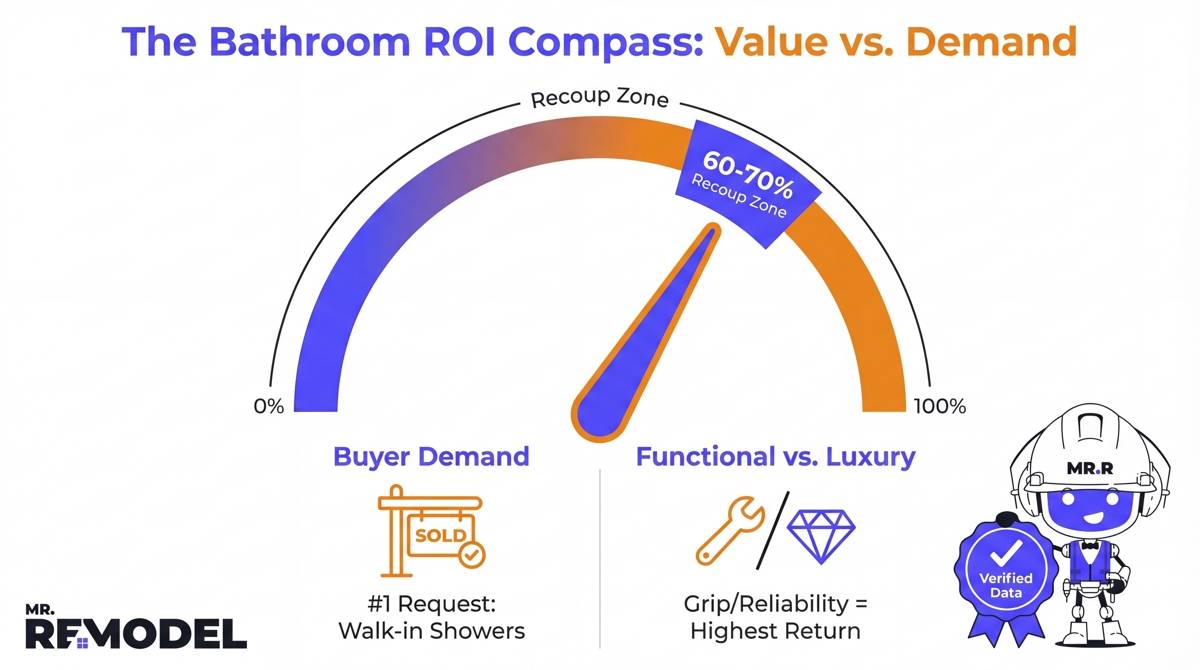
This means that if you spend $16,000, you could see an immediate increase in home equity of roughly $9,600 to $11,200. The net cost of the renovation is effectively reduced by the value added to the asset.
The Impact on Market Competitiveness
Beyond the raw percentage, a modern bathroom makes a home significantly easier to sell. In a competitive real estate market, an outdated primary bath can be a deal-breaker for buyers who do not want to manage construction after closing.
Modernized wet areas, such as walk-in showers, are particularly attractive to the largest demographic of buyers. These features signal that the home is well-maintained and move-in ready.
Long-Term Value vs. Immediate Expense
While the upfront cost is significant, the depreciation of an old bathroom can actually cost you money. Leaks, mold, and outdated plumbing can lead to expensive emergency repairs that do not add any value to the home.
Investing in a high-quality remodel now prevents these sunk costs later. You are essentially trading future repair bills for current home equity.
If you are unsure how these numbers apply to your specific home, Mr. Remodel can help. You can get free quotes and connect with experienced local contractors who understand your regional market. Click here to get started with your free quote.
Where Real Homeowners Are Spending Their Money
The data from Mr. Remodel reveals a massive trend in homeowner preferences. Out of the 45 projects analyzed, 39 were focused specifically on wet-area modernizations. This accounts for 86% of the total project volume.
This trend suggests that the most worthwhile part of a bathroom is the area you use every day: the shower or the tub.
The Rise of Bathtub-to-Shower Conversions
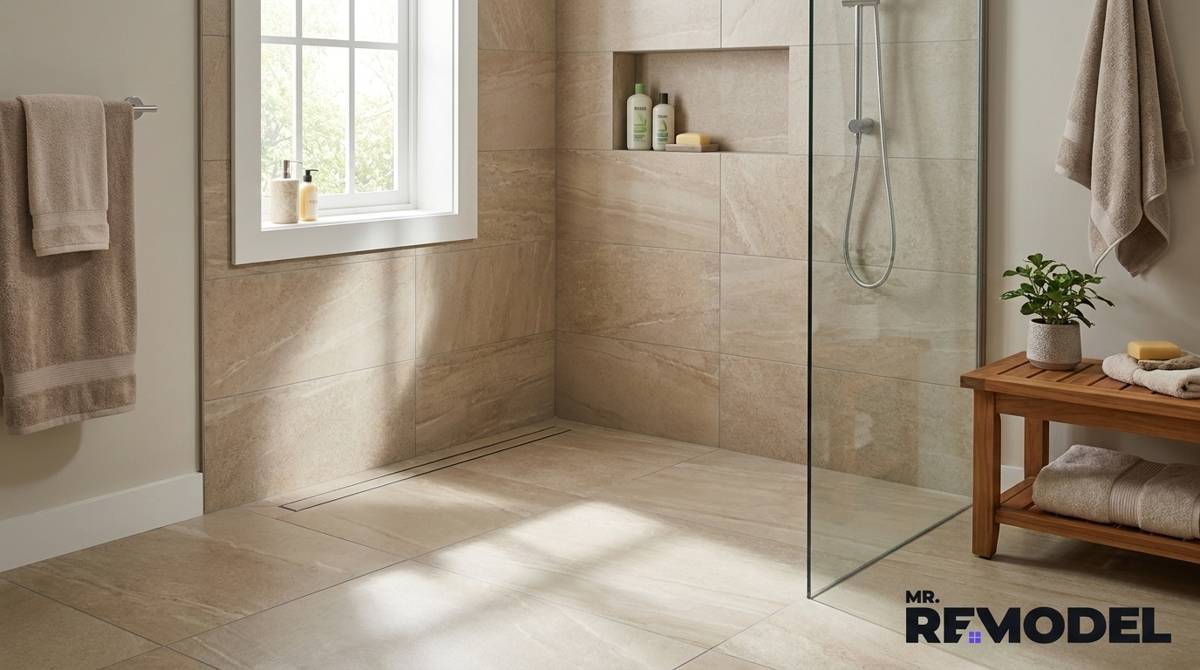
Converting an old, high-walled bathtub into a modern walk-in shower is one of the most popular choices. These projects have an average cost of $18,310.52.
Homeowners choose this for several reasons:
- It creates a sense of more space in small bathrooms.
- It improves accessibility for aging-in-place.
- It aligns with modern aesthetic preferences for clean lines.
Focusing on Shower Upgrades
Standard shower upgrades are the most frequent project type. With an average cost of $15,794.85, these projects offer a refreshed look and improved functionality without moving major plumbing lines.
These upgrades often include new tile, modern fixtures, and improved waterproofing systems. Research from the Home Improvement Research Institute indicates that functional reliability is a top driver for consumer spending in this sector.
The Non-Financial Benefits of Modernization
While ROI is important, the quality of life return is often the deciding factor. A bathroom is a private sanctuary. If the space is cramped, dark, or dingy, it adds daily stress to your routine.
The experts at PBS - Hometime emphasize that the emotional return on a remodel should not be ignored. A space that functions well and looks beautiful provides a daily boost to your mental well-being.
Enhancing Daily Utility
Modern bathrooms are designed for efficiency. Improved lighting, better storage, and high-performance fixtures save time and frustration during your morning routine.
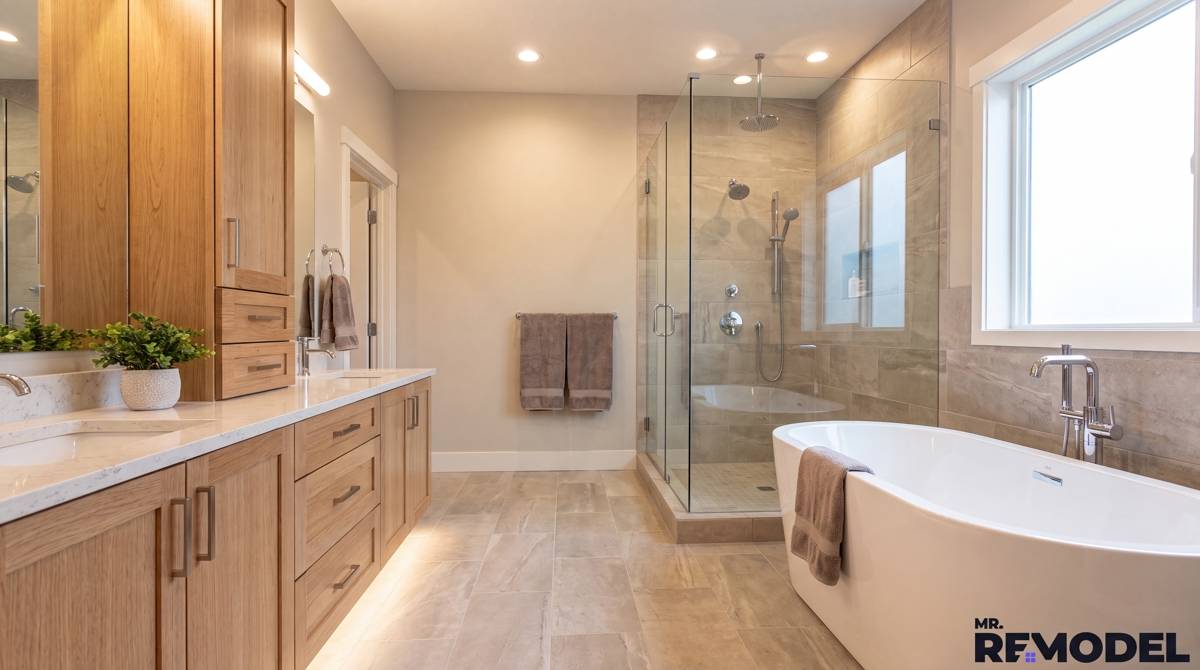
Small changes, like adding a double vanity or a recessed niche in the shower, can transform how you interact with the room. These improvements make the home more livable every single day.
Improving Safety and Accessibility
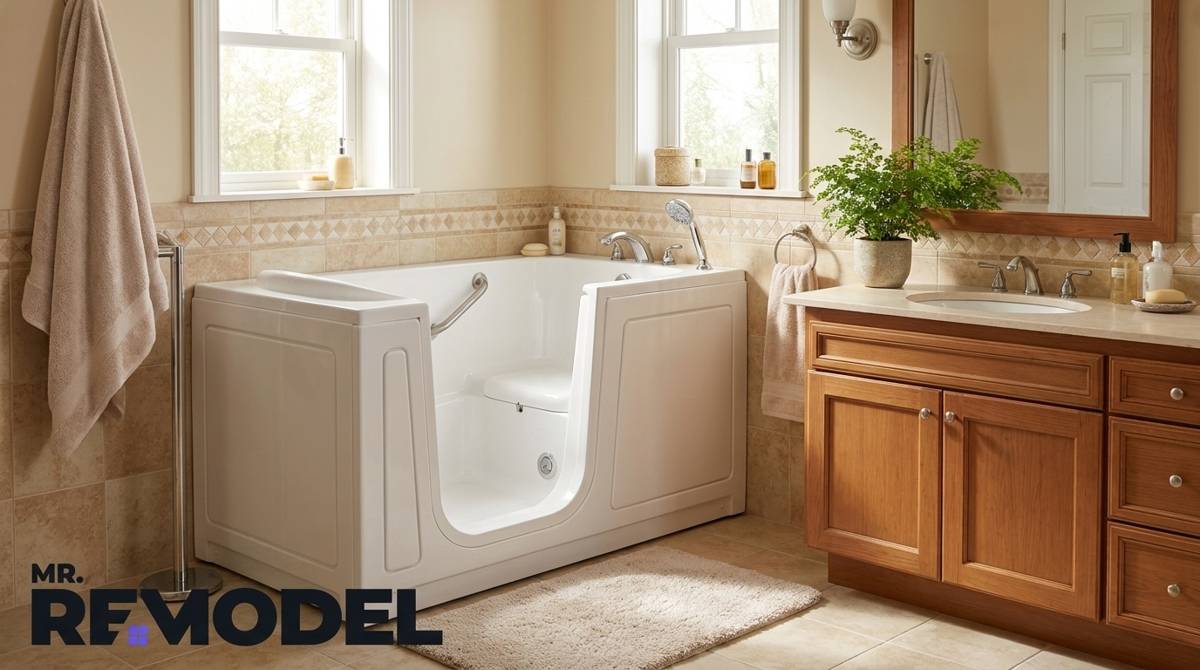
For many homeowners, a remodel is a necessity for safety. Walk-in showers and grab bars reduce the risk of slips and falls. This is a primary motivation for the bathtub-to-shower conversions seen in the Mr. Remodel data.
Factors That Influence Your Final Project Cost
Several variables will determine where your project falls on the cost spectrum. Understanding these can help you stay within the $16,000 average seen in the Mr. Remodel dataset.
Material Selection
The difference between basic ceramic tile and high-end natural stone can be thousands of dollars. Most high-ROI projects use mid-range materials that offer durability and style without the luxury markup.
Structural Changes
Moving a toilet or a shower drain requires extensive plumbing work. This can quickly push a project past the $20,000 mark. Keeping the existing layout is the best way to ensure the remodel remains a worthwhile financial investment.
Labor and Expertise
Labor typically accounts for a significant portion of the budget. Hiring licensed professionals ensures the work meets local building codes and prevents future issues like water damage.
Frequently Asked Questions
How much should I spend on a bathroom remodel?
A good rule of thumb is to spend between 5% and 10% of your home's total value. Based on Mr. Remodel data, most homeowners find that an investment of around $16,000 provides the best balance of quality and value.
Does a walk-in shower add more value than a tub?
In most modern markets, yes. While it is wise to keep at least one bathtub in the house for resale, walk-in showers are highly coveted by buyers for their luxury feel and accessibility.
How long does a typical bathroom renovation take?
A wet-area upgrade, such as those analyzed in the Mr. Remodel data, can often be completed in as little as 1 to 3 days. Full remodels involving structural changes may take several weeks.
How can I find a reliable contractor for my project?
Platforms like Mr. Remodel simplify the process by matching you with pre-vetted local contractors. This ensures you receive professional service and competitive pricing without the stress of searching on your own.
What is the most expensive part of a bathroom remodel?
Labor and tiling are typically the largest expenses. However, the data shows that focusing those funds on the wet area (shower or tub) yields the highest satisfaction and impact on home value.
Is the Investment Justified?
Deciding if a bathroom remodel is worth the cost depends on your goals. Financially, you can expect to see a strong return on equity, especially when focusing on high-demand wet-area upgrades. The data shows that the majority of homeowners are finding success with a targeted investment of approximately $16,248.
Beyond the numbers, the improved safety, accessibility, and daily comfort of a modern bathroom provide a value that is hard to quantify. By using real-world data and focusing on functional improvements, you can ensure your renovation is a smart financial and personal move.
Ready to see what a remodel would cost for your specific home? Mr. Remodel makes it easy to get started. Get free quotes and connect directly with top-rated local contractors in your area.