1-855-QUOTEMR

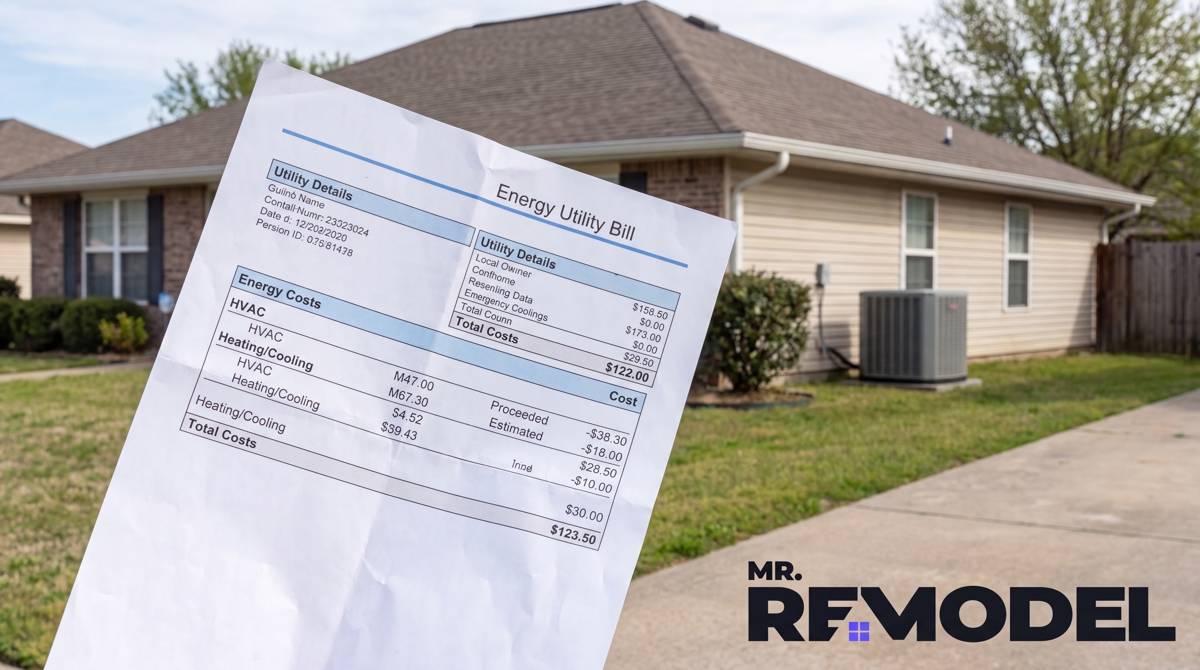
Table of Contents [hide]
Who This Is For
This guide is intended for homeowners struggling with high utility bills who want to move beyond generic tips. If you are looking for measurable, data-backed ways to improve your home’s climate efficiency, optimize your equipment runtime, and achieve a clear financial return on investment, this manual is for you.
Key Takeaways
- Immediate ROI: Simple maintenance tasks like changing air filters can prevent a 15% increase in energy consumption.
- Hidden Waste: Leaky ductwork accounts for 20% to 30% of energy loss in the average home, making it the most significant opportunity for efficiency gains.
- Smart Scheduling: Installing a smart thermostat provides an average annual savings of 8% on heating and 15% on cooling.
- Routine Maintenance: A professional HVAC tune-up costs between $100 and $250 but typically pays for itself within six months of peak-season operation.
- Long-Term Strategy: Replacing aging, low-efficiency systems with modern SEER2-rated equipment is the most effective way to permanently lower your monthly energy overhead.
Heating and cooling typically account for 50% of the average household's energy expenses. When your monthly utility bill suddenly climbs, it is rarely due to lighting or small appliance usage. Instead, it is usually a sign that your HVAC system is struggling against hidden inefficiencies.
Modern HVAC systems are sophisticated machines, but they rely on the integrity of your home’s building envelope and ductwork to function efficiently. According to Mr. Remodel data, homeowners who address mechanical failures and structural leaks often see significant reductions in their monthly utility overhead.
Whether you are looking for quick DIY fixes or planning a larger system upgrade, here are 10 proven ways to lower your HVAC energy costs.
Eliminate the "Dirty Filter" Penalty
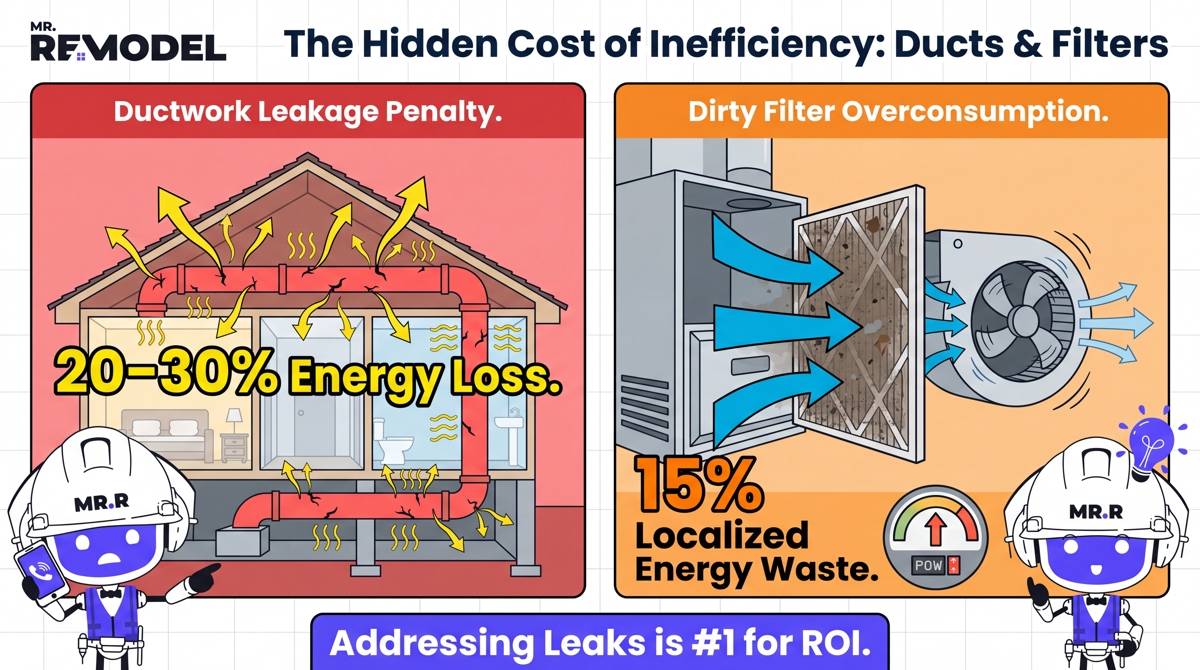
Neglecting to change your air filter is the most common and expensive piece of home maintenance neglect. A clogged filter restricts airflow, forcing your blower motor to work against significant resistance to pull air into the system.
Data indicates that operating an HVAC system with a dirty filter increases localized energy usage by up to 15%. Regularly swapping your filters every 90 days, or sooner if you have pets, is a low-cost maintenance task that yields an immediate return.
Seal Your Ductwork
Your HVAC system is not a closed loop if your ductwork is damaged. In the average home, 20% to 30% of conditioned air leaks out into unconditioned attics, basements, or crawlspaces before it ever reaches your rooms.
Sealing these leaks is perhaps the most impactful structural change you can make. When your ducts are compromised, your air conditioner or heat pump must run significantly longer cycles just to reach your desired temperature. If your home is over 20 years old, your ducts have likely degraded.
Install a Smart Thermostat
Manual thermostats are reactive, but smart thermostats are predictive. By utilizing geofencing and learning algorithms, they ensure you aren't paying to heat or cool an empty home.
Installing a smart thermostat to control HVAC runtime provides consistent savings of approximately 15% on cooling and 8% on heating. For most households, this technology pays for itself within 11 to 24 months through reduced utility bills.
See Related: Smart Thermostats: Are They Worth It?
Schedule a Professional Tune-Up
You wouldn't drive a car for 100,000 miles without an oil change. Similarly, your HVAC system requires a professional inspection to operate at its peak.
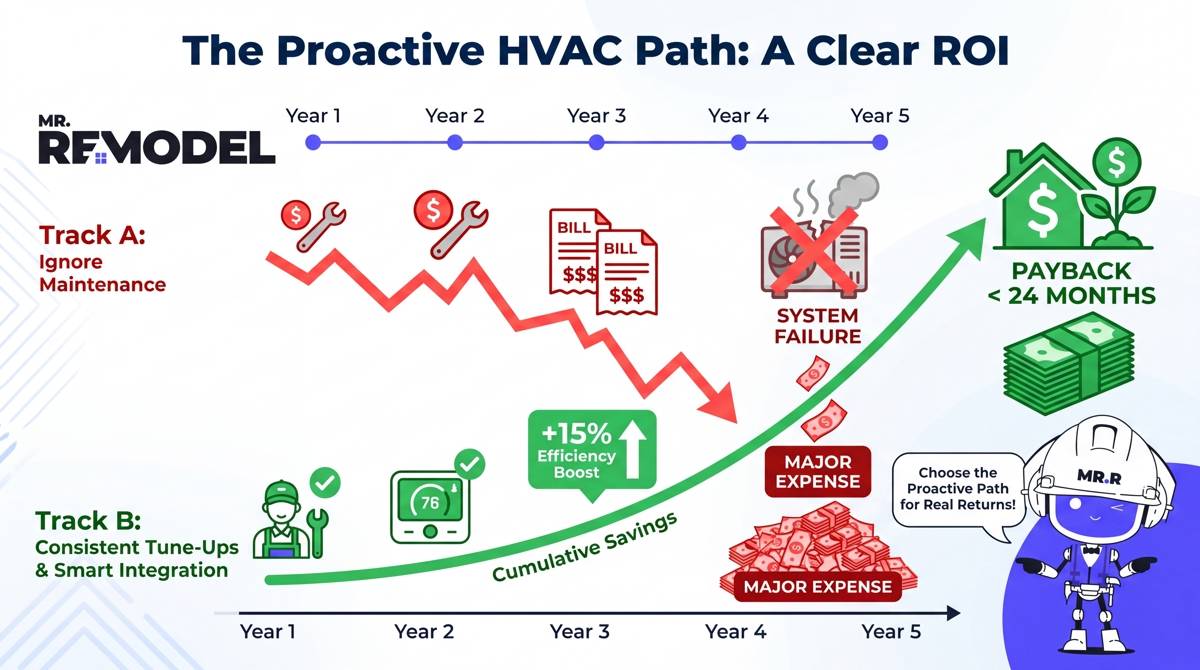
A routine professional tune-up and coil cleaning costs between $100 and $250. This service restores peak operating efficiency, ensuring your system isn't straining to manage your home's temperature. In most cases, the energy savings from a clean, calibrated system pay for the maintenance cost within six months of peak-season operation.
Upgrade to High-Efficiency Equipment
If your unit is more than 15 years old, it is likely operating at a very low SEER rating compared to modern standards. Replacing a 10 SEER legacy unit with a 16 SEER2 system can cut your summer cooling expenses by nearly 40%.
By upgrading to energy-efficient HVAC systems, you aren't just buying comfort; you are investing in a machine designed to consume far less electricity. When you combine these gains with federal tax credits, the financial incentive to move away from obsolete equipment has never been higher.
See Related: Energy-Efficient HVAC Systems Guide
Optimize Your SEER2 Standards
When replacing your equipment, pay close attention to the SEER2 (Seasonal Energy Efficiency Ratio 2) rating. This metric dictates how much electricity your unit will consume over an entire season.
Understanding SEER2 ratings and efficiency standards is vital because it allows you to compare the "fuel economy" of different HVAC models. A higher SEER2 rating always yields lower operational costs, even if the unit carries a higher initial purchase price.
See Related: SEER2 Ratings Explained
Audit Your Building Envelope
Your HVAC system's efficiency is limited by how well your home retains air. If your home is full of leaks around windows, doors, and electrical outlets, your conditioned air is escaping to the outside.
Check your home for drafts and use weatherstripping or caulk to seal them. By reducing the load on your system, you allow it to cycle less frequently and last longer. A well-sealed building envelope is the foundation of any low-cost energy strategy.
Clear Outdoor Obstructions
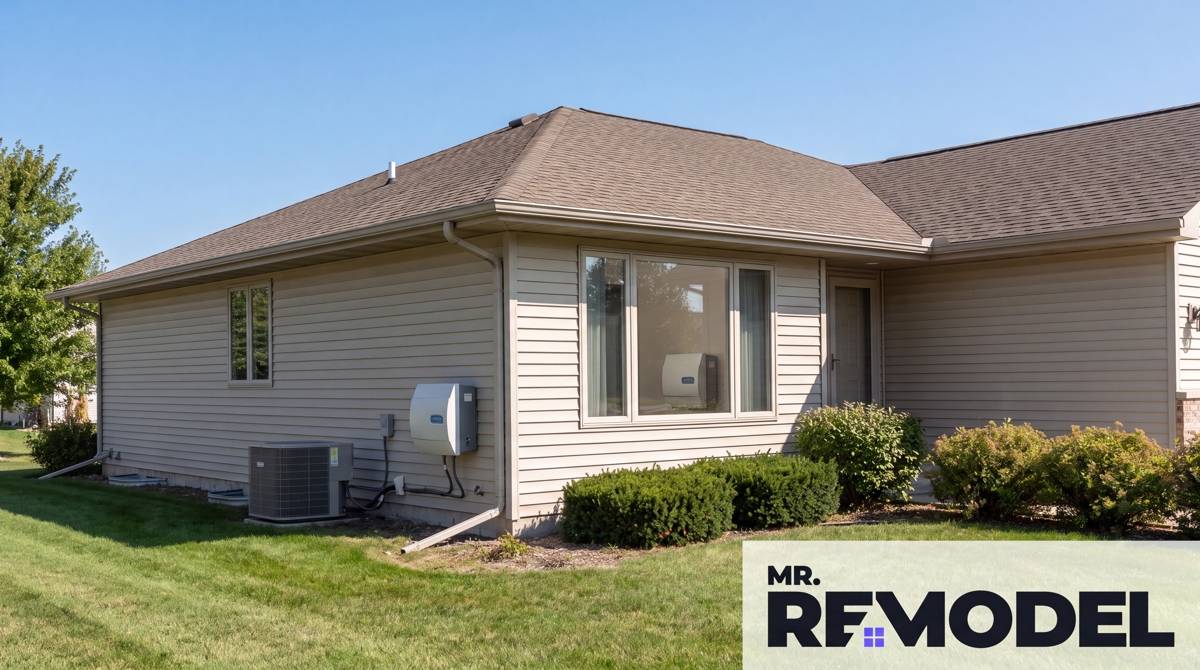
Your outdoor condenser needs to breathe. If the unit is blocked by overgrown bushes, tall grass, or stored outdoor items, it cannot release heat efficiently.
Keep at least two feet of clearance around your outdoor unit at all times. When the condenser is restricted, it builds up heat pressure, forcing the compressor to work harder and increasing your electricity bill. This is a free, quick fix that improves system longevity.
Utilize Ceiling Fans Correctly
Ceiling fans do not lower the temperature of a room; they lower the perceived temperature by creating a wind-chill effect. Use them to make yourself feel comfortable while setting your thermostat a few degrees higher.
In the summer, ensure your fans are rotating counter-clockwise to push air down. In the winter, reverse them to pull cool air up and push warm air toward the walls and floor. This allows you to reduce your reliance on your HVAC system during mild weather.
Address Short-Cycling Immediately
If you notice your unit turning on and off every ten minutes, your system is "short-cycling." This is usually a sign of an oversized system or a failing sensor, and it is a major energy drain.
Because HVAC motors use a massive surge of power to start up, constant toggling causes the system to consume 25% more electricity than a single, long cycle. If you notice your unit acting erratically, you should seek professional diagnostics immediately to avoid unnecessary wear and tear.
See Related: Why Is My Energy Bill So High? HVAC Troubleshooting Guide
Frequently Asked Questions
What is the most effective way to lower my energy bill?
The most effective way is to ensure your building envelope is sealed and your ductwork is leak-free. If your home is losing air, even the most efficient HVAC system will struggle to keep your bills low.
How often should I replace my air filters?
Replace them every 90 days. If you have multiple pets or suffer from allergies, check them every 30 to 45 days. A clean filter is the simplest way to prevent a 15% increase in energy usage.
Does a larger HVAC system save more money?
No. An oversized system will short-cycle, wasting energy and failing to dehumidify your home. Always ensure your contractor performs a Manual J load calculation to size the system correctly for your square footage.
Can I upgrade my thermostat without a professional?
It depends. While some smart thermostats are designed for DIYers, over 65% of older homes lack the C-wire required for these devices. Attempting to install these without professional guidance often leads to blown control boards.
How does Mr. Remodel help me lower costs?
Services like Mr. Remodel help by matching you with vetted local contractors. These experts can perform a comprehensive energy audit to determine exactly where your home is losing money and recommend the most effective upgrades for your specific budget.
Take Control of Your Energy Future
High energy bills are rarely a mystery; they are usually a symptom of a home that is working harder than it needs to. By addressing common culprits like dirty filters, leaking ducts, and obsolete equipment, you can reclaim control over your monthly expenses.
Taking a proactive approach to your home’s energy management is the best way to protect your finances. By addressing these 10 areas, you ensure a more comfortable home and a significantly lighter load on your monthly budget.
Ready to start saving? Mr. Remodel simplifies the process of finding the right help for your home. Get a free, no-obligation quote and get expert advice on proven ways to lower HVAC energy costs.