1-855-QUOTEMR

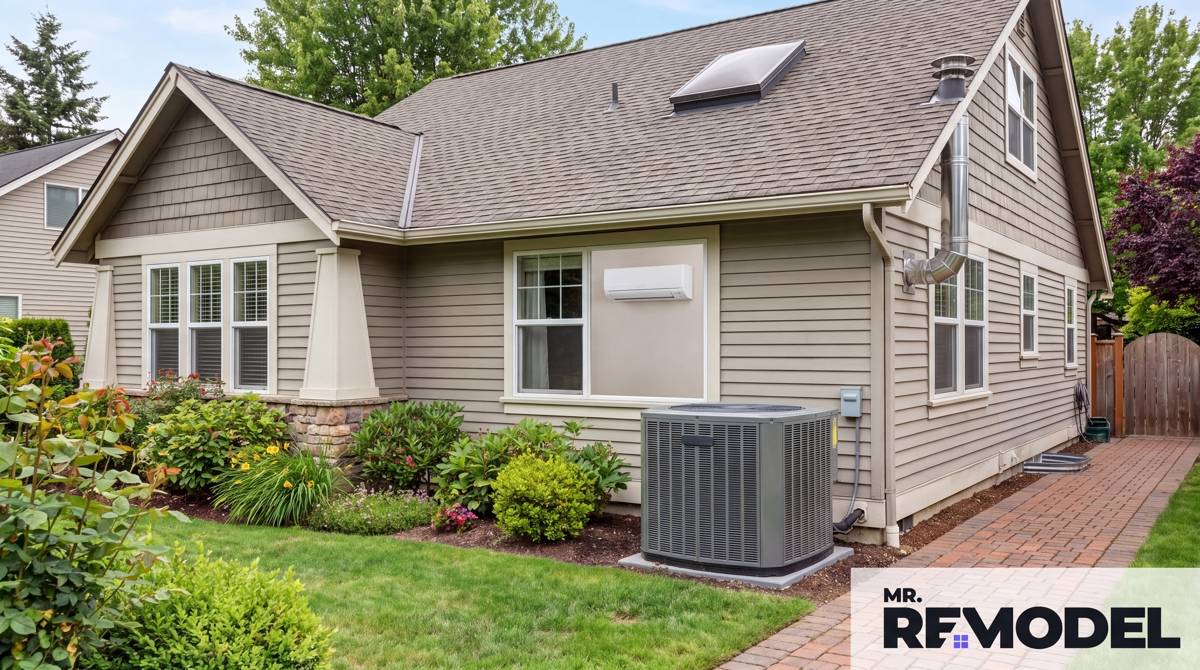
Table of Contents [hide]
Who This Is For
This HVAC comparison guide is for homeowners currently evaluating their heating and cooling options. If you are debating between replacing an aging central system, considering the efficiency of a heat pump, or wondering if a ductless solution is right for your home, this data-backed breakdown is for you.
Key Takeaways
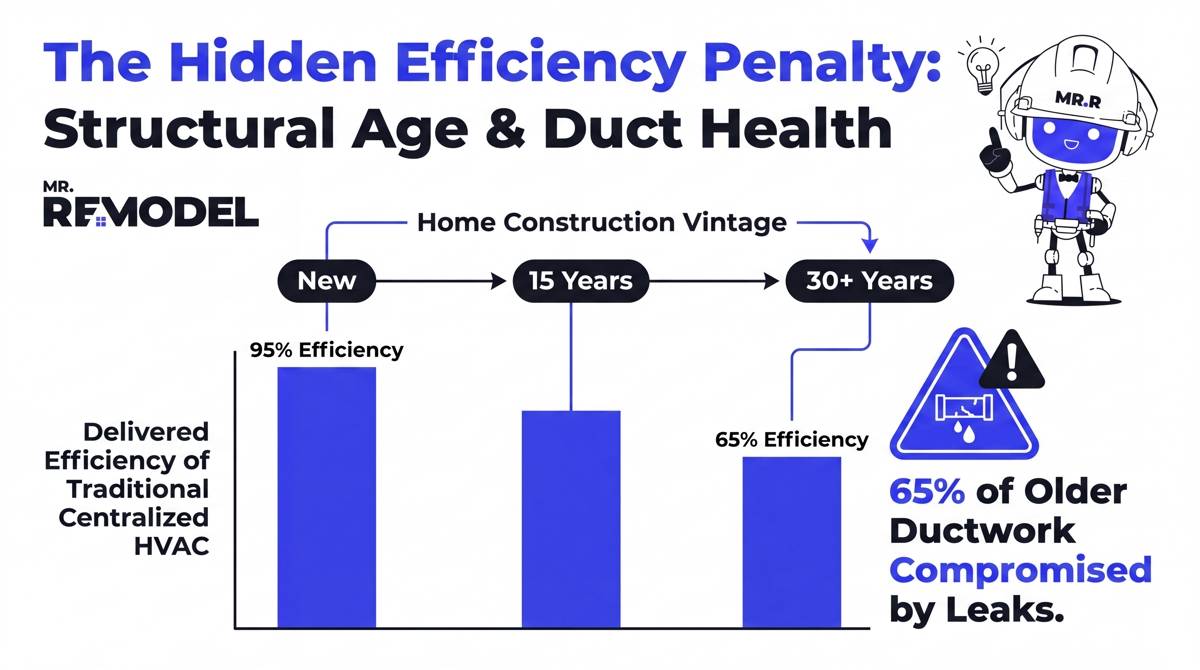
- The Structural Reality: In homes older than 25 years, 65% of existing air ducts suffer from deterioration, leading to massive thermal energy loss that makes centralized systems inefficient.
- Modern Efficiency Metrics: 2026 systems focus on variable-speed inverter performance and low global warming potential (GWP) refrigerants, providing higher long-term utility savings.
- Capital Benchmarks: Installation costs vary significantly by type, ranging from $5,500 for ductless configurations to over $20,000 for high-end variable-speed heat pump setups.
- Consumer Trends: Heat pump inquiries have surged 32% year-over-year, driven by homeowners moving toward dual-fuel and fully electric heating configurations.
- System Longevity: Choosing the right setup depends as much on your home’s existing infrastructure (ducts vs. ductless) as it does on your local climate requirements.
Selecting an HVAC system is one of the most significant mechanical investments you will make as a homeowner. While many people default to replacing their old unit with the same type, 2026 technology offers far better performance and efficiency options.
Understanding the differences between split systems, heat pumps, and ductless solutions is critical. According to research from the U.S. Department of Energy’s BSESC HVAC Overview, choosing a system improperly sized or unsuited for your home's structural layout leads to immediate performance and efficiency penalties.
At Mr. Remodel, we help you navigate these complex choices by analyzing your home's specific structural realities and local climate needs.
Traditional Split Systems: The Standard Choice
Traditional split systems remain the most popular configuration for suburban homes built after 1990. These systems consist of two primary parts: an outdoor unit containing the condenser and compressor, and an indoor unit containing the furnace and evaporator coil.
- Pros: Highly reliable and familiar to almost every professional HVAC technician. They are excellent at maintaining stable temperatures in larger homes with existing ductwork.
- Cons: They depend entirely on your ductwork’s health. As our data indicates, 65% of homes older than 25 years have compromised air ducts, which creates significant thermal leakage.
If you have a home with healthy ductwork, these systems offer a straightforward, high-performance solution. Find local HVAC services capable of assessing your structural requirements before committing to a split-system replacement.
See Related: Central Air vs Heat Pump
Heat Pump Systems: Efficiency and Versatility
Heat pumps are rapidly becoming the preferred choice for eco-conscious homeowners. Unlike traditional furnaces, heat pumps do not create heat; they move it. During the summer, they function like an air conditioner, and during the winter, they reverse the cycle to bring heat indoors.
- Efficiency: Modern variable-speed heat pumps are incredibly efficient, often providing energy savings that offset their higher initial costs through federal tax incentives.
- Market Trends: In 2026, we have observed a 32% year-over-year increase in heat pump inquiries, proving that more homeowners are prioritizing fully electric or dual-fuel configurations.
See Related: Heat Pump vs Furnace
Ductless Mini-Splits: The Retrofit Champion
Ductless mini-splits are the ideal solution for historic homes, additions, or properties without existing air ducts. They use small, wall-mounted air handlers that connect directly to an outdoor condenser via refrigerant lines.
- Pros: Highly energy-efficient and allow for precise, zone-based temperature control. You can cool or heat only the rooms you are currently using, which prevents massive utility waste.
- Cons: The upfront cost for a multi-zone setup can rival traditional systems, and some homeowners prefer the aesthetic of hidden central vents over visible wall units.
See Related: Ductless Mini Split Pros and Cons
Packaged HVAC Systems
A packaged HVAC system houses all components, such as a compressor, condenser, and evaporator, inside a single cabinet, typically installed on the roof or on a concrete slab next to the home. These are exceptionally popular in the Sunbelt, where they capture 45% of the local market share.
- Pros: They save significant interior space because there is no need for an indoor furnace or air handler cabinet.
- Cons: They are less common in northern climates, where outdoor units are more susceptible to extreme winter weather damage.
See Related: Packaged HVAC Systems Explained
Comparison of 2026 Installation Costs
The financial investment for these systems depends heavily on your property size and the specific configuration chosen.
Note: Costs are market-based benchmarks and can fluctuate based on local labor rates and specific structural requirements.
How Structural Age Impacts Your System Choice
Your home's age is the most important factor in your HVAC decision. If your home was built before 2000, your current ductwork is likely the "weak link."
When you install a high-efficiency system into a home with deteriorating or leaky ductwork, you are wasting the system's potential performance. You may find that your new unit is running twice as long as necessary simply because the air is leaking into your attic or crawlspace before it ever reaches your living rooms.
Before finalizing your system type, we highly recommend a professional duct inspection. Discover how Mr. Remodel streamlines whole-home transformations to ensure your new HVAC system delivers the comfort you expect.
Frequently Asked Questions
Which HVAC system is the most energy-efficient?
High-efficiency, variable-speed heat pumps currently offer the highest levels of energy efficiency in 2026. By modulating their power to match the immediate heating or cooling demand, they avoid the energy spikes associated with traditional on-off cycling.
Can I switch from a traditional furnace to a heat pump?
Yes, this is known as a dual-fuel or fully electric retrofit. It is a common upgrade for homeowners looking to lower their carbon footprint and take advantage of modern clean-energy tax incentives.
How often should I have my HVAC system serviced?
We recommend professional service twice per year, once before the cooling season and once before the heating season, to keep your coils clean and refrigerant levels balanced.
What is a "multi-zone" ductless system?
A multi-zone system allows you to connect multiple indoor air handlers to a single outdoor condenser. This gives you independent temperature control in different rooms, which is a major advantage for home comfort.
How does Mr. Remodel help me choose the right system?
Services like Mr. Remodel help by matching you with vetted local contractors who perform professional site assessments. They evaluate your existing ductwork, insulation, and home structure to ensure the system you choose is the best long-term fit for your specific property.
Choose the Right Path to Home Comfort
Selecting the right HVAC type is about balancing your home's structural realities with your performance expectations. Whether you need the reliability of a traditional split system, the efficiency of a heat pump, or the flexibility of ductless units, the right choice will serve you for years to come.
Ready to find the ideal HVAC setup for your home? Mr. Remodel takes the confusion out of the selection process by matching you directly with vetted local installation experts.
Get a free, no-obligation quote and start your journey toward a more efficient, comfortable home.