1-855-QUOTEMR

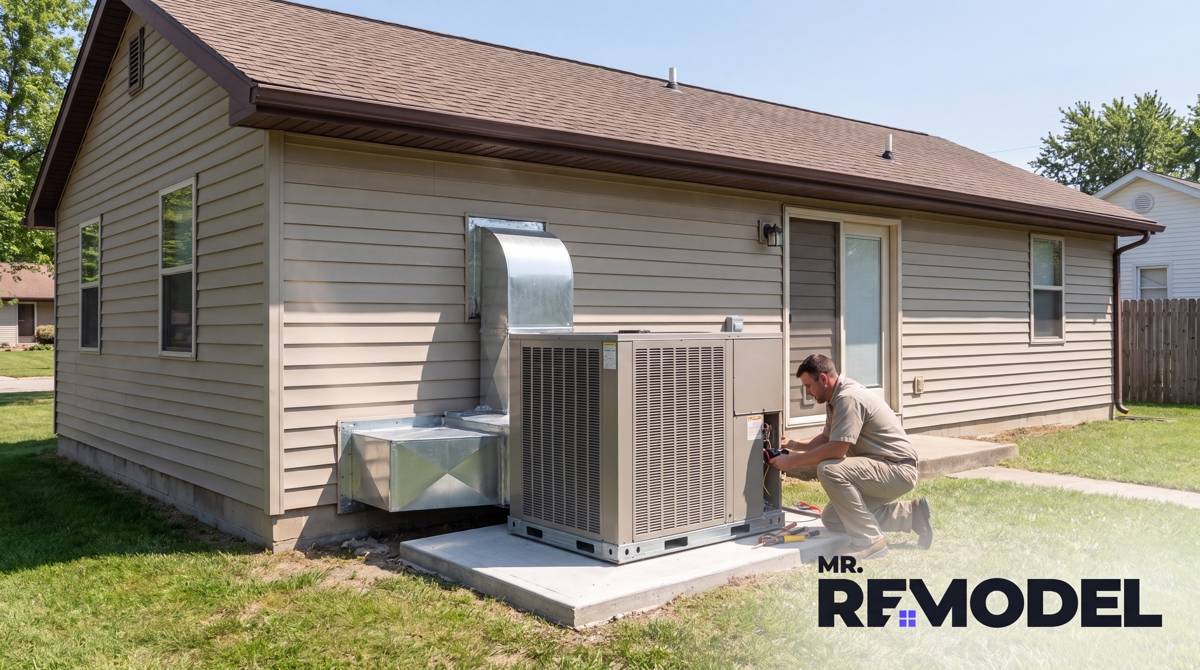
Table of Contents [hide]
Who This Is For
This technical guide is designed for single-family homeowners who are limited by small floor plans, tight crawlspaces, or a lack of indoor utility closets. If you are looking for a simplified, space-saving heating and cooling solution that consolidates all mechanical components into one unit, this breakdown will help you evaluate if a packaged system is the right choice for your property.
Key Takeaways
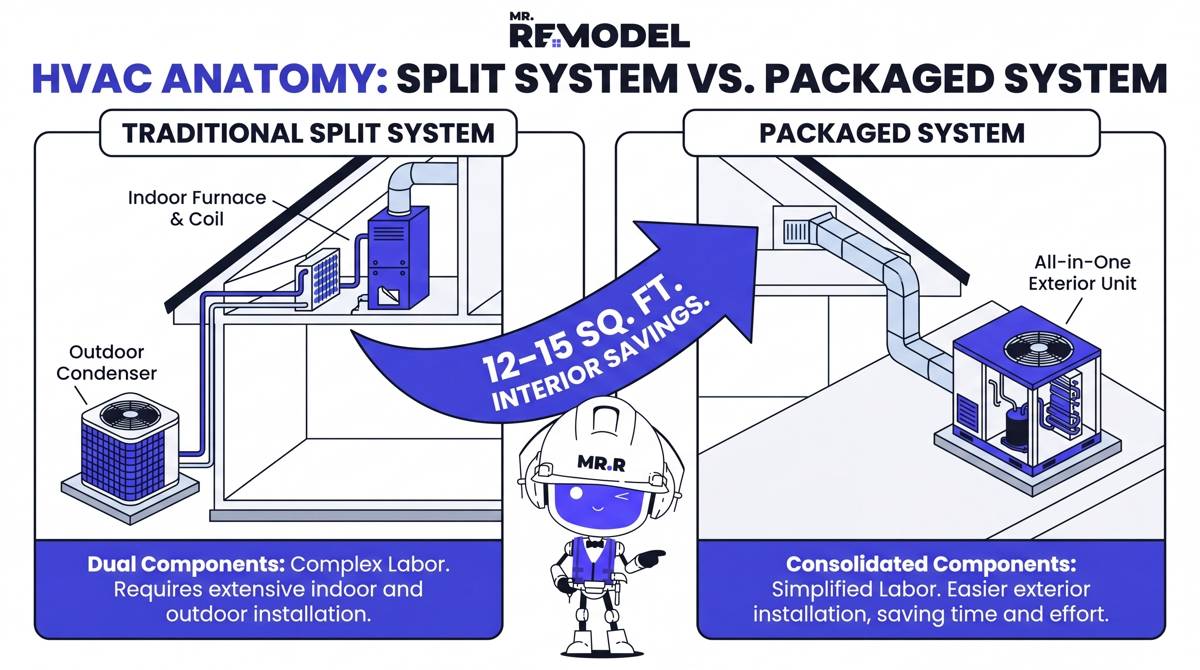
- All-in-One Design: Unlike traditional split systems, packaged HVAC units house the compressor, condenser, evaporator, and heating elements in a single outdoor cabinet, saving 12–15 square feet of interior floor space.
- Capital Efficiency: Packaged systems generally offer a 15–20% labor efficiency advantage over complex split-system installs due to their pre-assembled design.
- Architectural Optimization: These units are ideal for manufactured homes and properties with extremely limited crawlspace or indoor attic access.
- Regional Performance: While capturing 45% of the Sunbelt market, they require specialized placement and drainage management in northern zones to avoid snow or ice buildup.
- Simplified Service: Because all mechanical components are housed externally, annual maintenance is streamlined, and service access does not require a technician to enter your home.
Most homeowners are familiar with the traditional "split" HVAC system, which separates the indoor air handler from an outdoor condenser. But for many properties, that split design is actually an architectural burden. If you have ever felt like your HVAC closet or utility area was a wasted opportunity, a packaged system might be the answer.
According to technical overviews from the U.S. Department of Energy (Energy Saver Guide), packaged systems are designed for consolidated efficiency. By housing every major mechanical component in one sturdy exterior cabinet, they eliminate the need for complicated indoor cabinet work.
At Mr. Remodel, we help you look past the footprint of your unit to consider how your climate, structural needs, and local weather patterns interact.
See Related: Types of HVAC Systems | 2026 Cost & Efficiency Comparison Guide
How Packaged Systems Work
A packaged HVAC unit is exactly what it sounds like: a complete "package" of heating and cooling. The unit is typically placed on a concrete slab next to the home or installed on the roof. The conditioned air is then distributed through a single supply and return duct run that connects directly from the unit to your home’s existing ductwork.
Why They Are Popular in 2026
- Space Reclamation: By moving the entire unit outside, you reclaim 12–15 square feet of indoor space that would otherwise be occupied by a bulky air handler or furnace. This is often the difference between having a dedicated storage closet and needing to build a shed.
- Simplified Installation: Since the system is factory-assembled and tested, the on-site installation time is lower than that of a complex split-system setup, which helps reduce initial labor costs.
- Easy Maintenance: If your HVAC closet is deep within a cramped crawlspace or an attic that requires a ladder, servicing the system is a challenge for both you and your technician. Packaged units allow service to be performed entirely outdoors.
See Related: Central Air vs Heat Pump
Costs and Configuration Options
The investment for a packaged system depends on whether you need a cooling-only unit or a "Gas Pack"—a hybrid system that combines electric cooling with a natural gas or propane furnace.
While the initial price is comparable to high-end split systems, you should also factor in the "spatial ROI" of reclaiming your indoor closet space. For homeowners looking for professional HVAC services, we recommend comparing these quotes against the cost of a full furnace replacement in a traditional split setup.
Climate and Structural Considerations
Packaged units are not suitable for every home. Your decision should depend on two main variables:
1. The Regional Factor
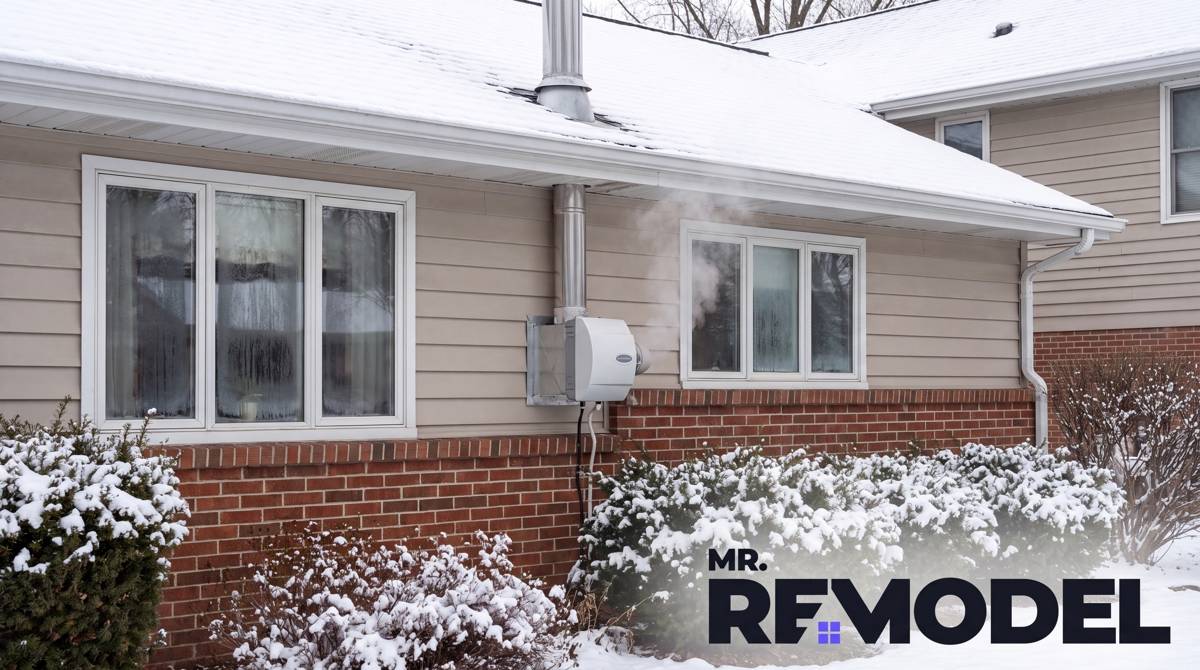
In the Sunbelt, where packaged systems account for nearly 45% of market share, rooftop installation is a perfect way to keep units away from potential landscape debris and flood-prone ground areas. However, in the Northeast, installing these units on the ground in high-snow areas is risky. If a unit is buried in snow, the drainage and airflow can fail. If you live in a snowy climate, the unit must be elevated or roof-mounted.
2. Ductwork Integrity
Because these systems rely on a single duct run to enter your home, they are highly sensitive to duct leakage. Before installing a new packaged system, ensure your technician performs a duct-pressure test. Installing a high-efficiency unit into a system losing 30% of its air to the crawlspace is the most common reason for post-install dissatisfaction.
See Related: Heat Pump vs Furnace
Frequently Asked Questions
What is a "Gas Pack" HVAC system?
A "Gas Pack" is a type of packaged system that combines electric cooling (air conditioning) with a natural gas or propane burner. It’s perfect for homeowners who want the convenience of one exterior cabinet but prefer the heating power of gas.
Can I install a packaged unit if I have a basement furnace?
Yes, but it involves a structural pivot. You would need to decommission your indoor furnace, cap your indoor gas/venting lines, and transition your distribution to an exterior unit. This is a common strategy when homeowners want to renovate a basement and need to clear out the mechanical clutter.
Is a packaged unit louder than a traditional AC?
Modern units are remarkably quiet. Because the compressor and blower are housed in one insulated exterior cabinet, they don't produce the "vibration" noises sometimes associated with indoor furnaces.
How often does a packaged unit need service?
The requirement is the same as any other HVAC system—biannual maintenance. Because the unit is exposed to the elements, it is vital to keep the outdoor intake clear of leaves and yard debris.
How does Mr. Remodel help me decide?
Mr. Remodel connects you with local experts who have specific experience installing packaged systems. We ensure your contractor evaluates your roof capacity, drainage path, and existing ductwork before a single hole is drilled in your home.
Reclaim Your Space and Efficiency
A packaged HVAC system is more than just a mechanical choice; it is an architectural one. By moving your entire climate control system outdoors, you simplify your home's indoor footprint, lower your maintenance hurdles, and gain valuable square footage.
If you are currently facing a major mechanical upgrade, take a moment to consider if a single-cabinet solution can solve your indoor storage needs while providing the comfort you demand.
Ready to see if your home is a candidate for a packaged system? Mr. Remodel simplifies the process by matching you directly with vetted local professionals. Get a free, no-obligation quote and start your home's HVAC upgrade with complete confidence.