1-855-QUOTEMR

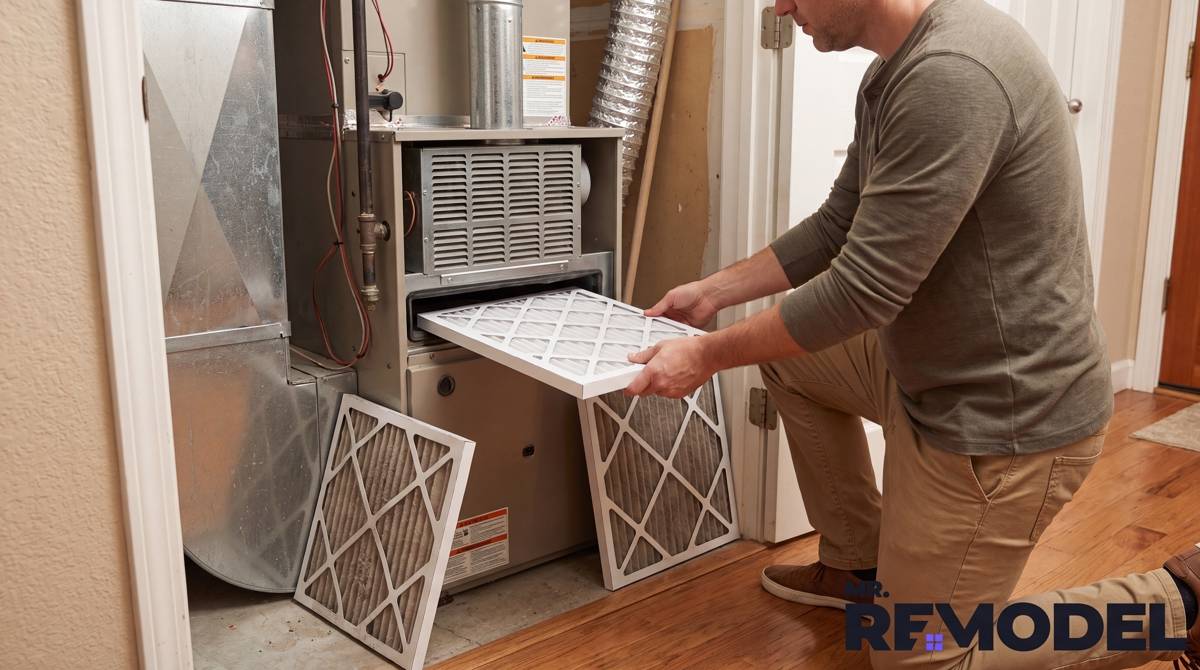
Table of Contents [hide]
Who This Is For
This guide is written for homeowners seeking clear, actionable schedules for changing their HVAC filters, protecting their heating and cooling equipment, improving indoor air quality, and preventing unnecessary utility costs.
Key Takeaways
- Standard Replacement Cadence: Standard 1-inch to 2-inch HVAC filters generally require replacement every 30 to 90 days, whereas high-capacity 4-inch to 5-inch media filters last 6 to 12 months.
- The Energy Cost Penalty: Operating an HVAC system with a dirty, restricted filter increases system energy consumption by up to 15%, driving up monthly electric bills.
- Severe Repair Risks: Clogged air filters restrict system airflow, which can cause evaporator coils to freeze and lead to early blower motor burnouts that cost between $400 and $800+ to repair.
- Environmental Adjustments: Homes with shedding pets, high-pollen surroundings, or continuous Sunbelt summer usage require filter checks every 30 days to maintain system performance.
Determining how often to replace your air filter is one of the most practical ways to protect your HVAC investment. While standard rule-of-thumb advice suggests swapping filters every three months, the actual timeline depends on filter thickness, household occupants, pet activity, and your regional climate.
Failing to replace a dirty filter does far more than let dust linger in your living space. According to data tracked by Mr. Remodel, roughly 45% of homeowners fail to replace standard air filters within the recommended 90-day window. This simple oversight places unnecessary mechanical stress on your system, shortens equipment lifespan, and increases operating costs.
The True Financial Impact of Restricted Airflow
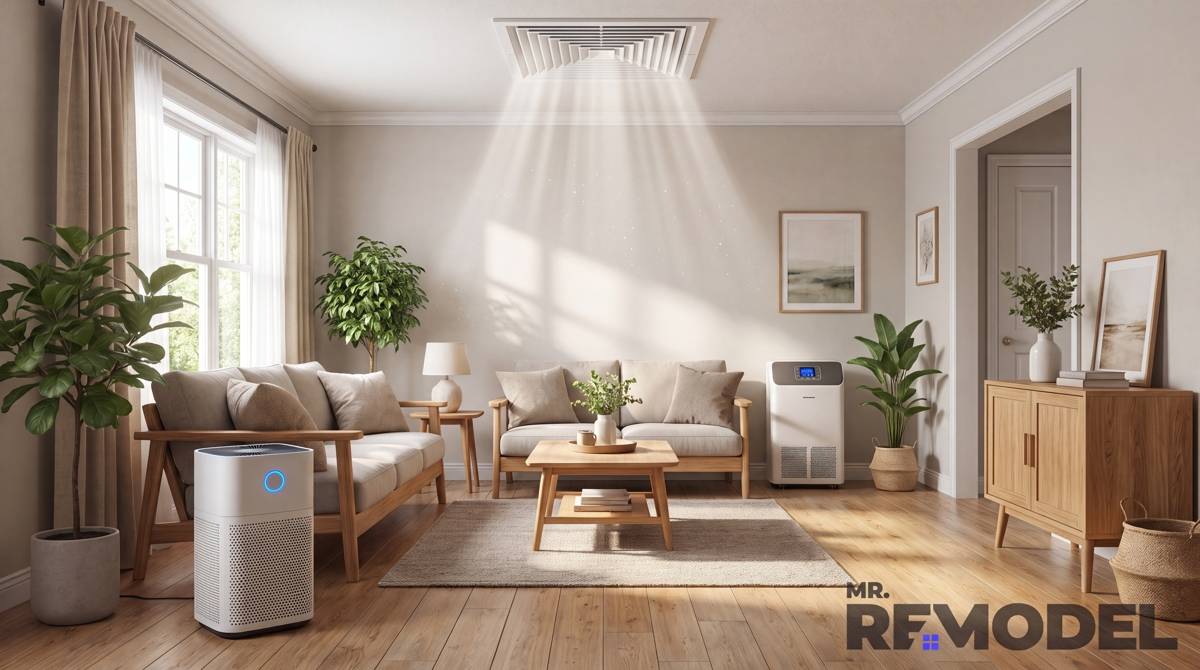
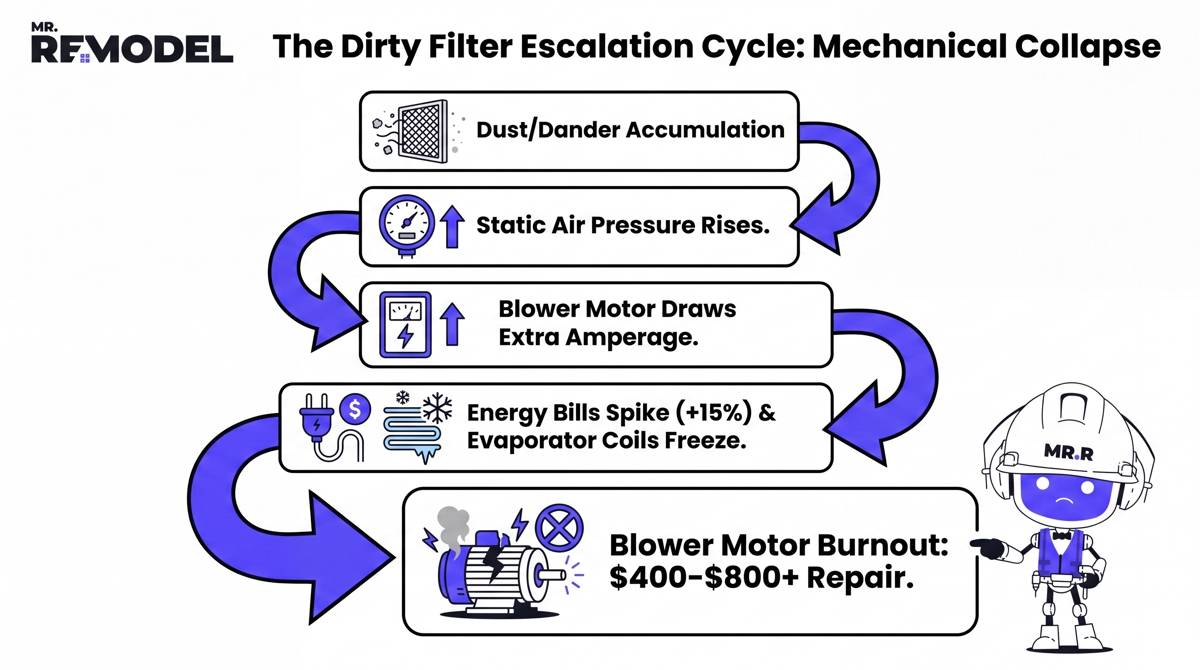
Air filters are designed to capture airborne dust, pollen, pet dander, and microscopic particulates before they reach your system's sensitive internal components. However, as the filter media fills with captured debris, resistance to airflow increases.
When airflow becomes restricted, your HVAC system must run longer and work significantly harder to pull air through your ductwork.
Data from the U.S. Department of Energy highlights that replacing a clogged, dirty filter with a fresh one can drop your air conditioner's energy consumption by 5% to 15%. Conversely, continuing to run a system with a severely restricted filter leads to compounding financial penalties:
- Higher Monthly Utility Bills: The forced extended run times create an immediate 15% energy usage spike.
- Equipment Repairs: Restricted return air deprives cooling systems of necessary heat exchange, often causing evaporator coils to freeze solid and leading to premature blower motor burnout. Replacing a burnt-out blower motor typically costs between $400 and $800+ in parts and labor.
- Reduced Equipment Lifespan: Overworking mechanical components accelerates overall system degradation, forcing early equipment replacement.
See Related: HVAC Maintenance Checklist - 2026 Guide & Costs
Replacement Schedules by Filter Type and Household Conditions
Not all HVAC filters serve the same purpose or last the same duration. The primary factor determining filter longevity is thickness (depth), followed by household lifestyle conditions.
1-Inch vs. 5-Inch Media Filters
Standard 1-inch fiberglass or thin pleated filters have limited surface area. They fill up quickly and must be checked monthly and swapped out every 30 to 90 days.
In contrast, deep 4-inch to 5-inch media filters feature dense, accordion-pleated material that offers vastly more surface area. They catch a higher volume of microscopic contaminants without restricting system static pressure, allowing them to last 6 to 12 months under normal conditions.
Lifestyle & Household Adjustments
If your home includes one or more shedding pets, hair and dander accumulate on the filter face rapidly. Household pet dander shortens filter operational life by roughly 50%.
Similarly, homes in active urban environments or areas prone to high pollen, dust storms, or wildfire smoke should inspect filters every 30 days. Guidance from the U.S. Environmental Protection Agency (EPA) emphasizes using higher MERV-rated filters (such as MERV 11 to MERV 13) during periods of high particulate pollution to protect indoor air quality.
Regional and Seasonal Climate Factors
Your geographical location and regional climate heavily dictate how quickly your filter becomes saturated. In Sunbelt states (such as California, Arizona, Nevada, Texas, and Florida), heating and cooling systems often operate continuously from May through September. Constant runtime pulls millions of cubic feet of air through your system each month, accelerating filter clogging.
Seasonal Filter Check Guidelines
- Spring Prep: Install a fresh filter before summer cooling demand.
- Mid-Summer: Inspect filter monthly during peak continuous runtime.
- Fall Prep: Replace filter prior to starting winter heating.
- Mid-Winter: Check filter for dust accumulation from furnace usage.
Furthermore, seasonal transitions bring environmental challenges. During spring and early summer, elevated pollen counts clog filters faster than usual. In dry or dusty regions, ambient air dust quickly coats filter surfaces.
Practicing comprehensive all-weather home system care means inspecting your filter media at the turn of every season, ensuring your equipment stays protected regardless of external weather conditions.
See Related: HVAC Maintenance Tips by Season
How to Check and Replace Your HVAC Filter
Swapping out an HVAC air filter is a straightforward DIY task that takes only a few minutes. Follow these simple steps:
- Locate the Filter Housing: Look at the return air duct grille on a wall or ceiling, or check the slot located on the side or top of your main air handler/furnace unit.
- Turn Off System Power: Turn your HVAC system off at the thermostat for safety and to prevent loose dust from pulling into the cabinet during the swap.
- Note the Filter Size and Airflow Direction: Read the dimensions printed on the side frame (e.g., 16x25x1). Locate the printed airflow directional arrow, which must point toward the blower unit and away from the return duct.
- Inspect the Existing Filter: Hold the old filter up to a bright light. If light cannot easily pass through the pleated media, or if a thick layer of grey dust coats the surface, replace it immediately.
- Insert the New Filter: Slide the clean filter into the slot, making sure the airflow arrow points toward the unit. Ensure the cabinet door or return grille latches securely.
See Related: HVAC Replacement Guide
Professional System Maintenance
While changing your filter is a vital regular task, it represents just one part of keeping your system healthy. Electrical connections, refrigerant balance, condensate lines, and internal coil hygiene require trained technical attention.
To ensure complete equipment reliability, schedule a comprehensive professional inspection annually. These thorough visits evaluate motor performance, verify safety controls, and help prevent unexpected system failures.
When you need specialized care for your heating and cooling equipment, relying on qualified HVAC services ensures your system operates smoothly and stays fully covered under manufacturer warranties.
See Related: HVAC Maintenance Guide
Frequently Asked Questions
What happens if I don't change my HVAC filter for a year?
Leaving a filter unchanged for a year severely restricts airflow. This forces your system to run longer, spikes your utility bills by 15% or more, risks freezing your evaporator coils, and can cause complete blower motor failure.
How do I know if my HVAC filter needs changing?
Inspect the filter visually. If the media looks visibly grey, is covered in a layer of dust and pet hair, or light cannot pass through it, it needs to be replaced. You may also notice reduced airflow coming from your supply vents or extra dust settling on home furniture.
Does a higher MERV rating mean I can change my filter less often?
No. In fact, higher MERV filters (such as MERV 11 or 13) trap smaller particles more effectively, which means they can accumulate debris and restrict airflow faster than lower-rated filters. High-MERV filters require regular monthly inspections.
Can a dirty air filter cause my AC to stop blowing cold air?
Yes. A clogged filter starves the system of return air, preventing the evaporator coil from absorbing heat properly. This causes ice to build up on the coil, blocking airflow completely and causing the unit to blow warm air or shut down entirely.
Are washable HVAC filters better than disposable filters?
Washable filters can be reused, but they generally have lower MERV ratings and capture fewer fine particles than disposable pleated filters. Furthermore, if a washable filter is reinstalled while still damp, it can introduce moisture and encourage mold growth inside your HVAC cabinet.
Protect Your Comfort and Efficiency
Replacing your HVAC air filter on a steady, customized schedule is the easiest, most cost-effective step you can take to maintain your home's air quality and keep energy bills under control.
By matching your replacement interval to your filter type, household lifestyle, and local environment, you protect your heating and cooling system from costly repairs and extend its operating lifespan for years to come.
With Mr. Remodel’s help, you can get a free, no-obligation quote and connect with experts near you who can help you replace your filter and with other HVAC maintenance needs.