1-855-QUOTEMR

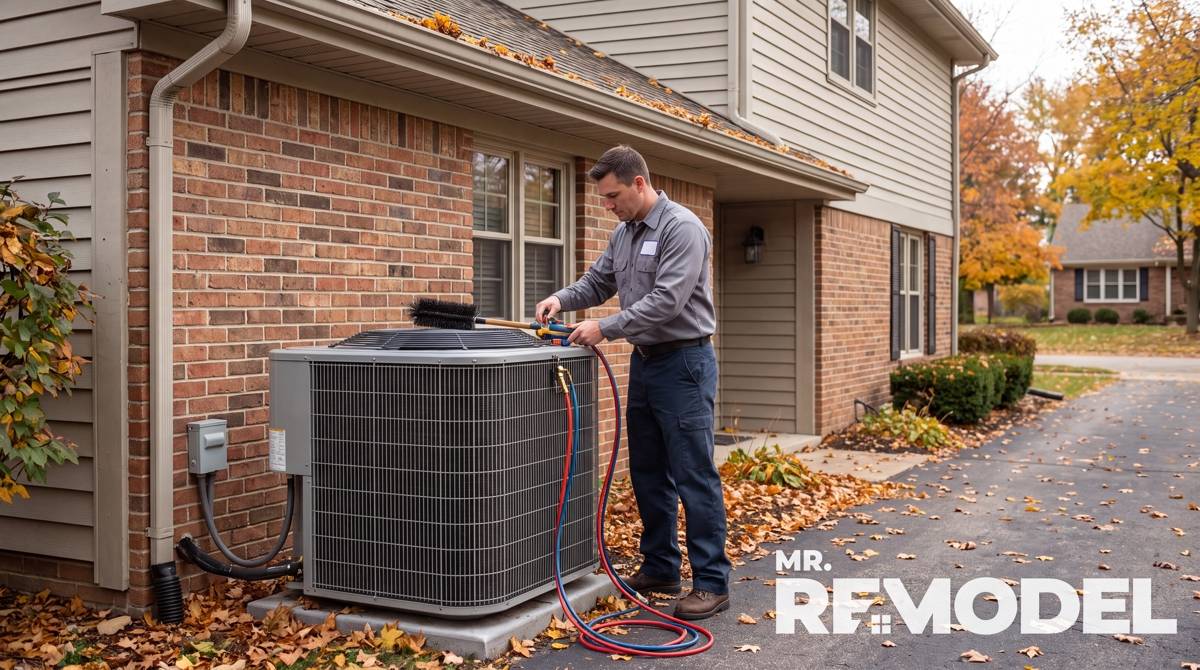
Table of Contents [hide]
Who This Is For
This guide is created for homeowners who want a structured, year-round maintenance plan to protect their heating and cooling equipment, prevent sudden breakdowns, and lower monthly utility costs.
Key Takeaways
- Substantial ROI: Documented biannual professional servicing extends your HVAC unit's overall lifespan by up to 25%.
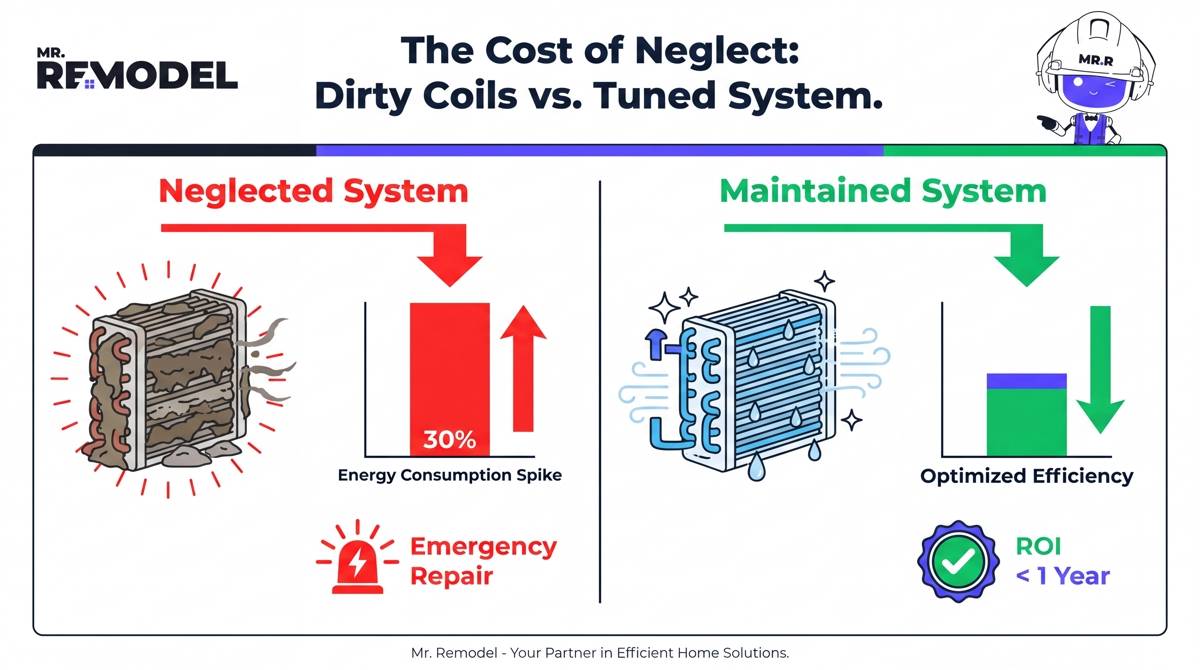
- The Dirty Coil Penalty: Allowing dirt and debris to build up on coils can spike your monthly energy consumption by up to 30%.
- Rising Refrigerant Costs: Due to the 2026 R-410A phasedown, topping off leaking refrigerant now costs $100 to $200+ per pound, making early leak detection crucial.
- Filter Replacement Frequency: While standard homes need filter replacements every 90 days, homes in high-pollen or wildfire zones require fresh filters every 30 days.
Maintaining your heating and cooling system throughout the year is the most effective way to keep your home comfortable while protecting your financial investment. Ignoring basic seasonal care leads to compounding mechanical issues and expensive emergency repairs.
According to data tracked by Mr. Remodel, over 68% of U.S. homeowners skip annual professional check-ups. This widespread neglect causes systems to operate inefficiently and fail prematurely during severe weather.
See Related: HVAC Maintenance Guide
Spring HVAC Maintenance: Summer Cooling Prep
Spring is the ideal time to inspect and clean your cooling components before high temperatures place heavy demands on your air conditioner or heat pump.
Clean the Outdoor Condenser Unit
During winter, falling leaves, twigs, and dirt accumulate around your outdoor condenser. Clear away all vegetation and debris to maintain a two-foot clearance zone around the cabinet.
Gently wash the exterior fins with a garden hose to clear away light soil. Never use a high-pressure washer, as forced water can easily bend delicate aluminum fins and restrict airflow.
Inspect the Condensate Drain Line
Your air conditioner removes moisture from indoor air as it cools. That condensation drains out through a small PVC pipe.
Pour a cup of regular household white vinegar down the condensate drain access port. This simple step clears algae and prevents line blockages that cause indoor water overflows.
Test Cooling Function Early
Do not wait for the season's first heatwave to turn on your air conditioner. Test the system on a warm spring afternoon.
Set your thermostat to cooling mode and lower the target temperature a few degrees below the room reading. Verify that cool air flows from your supply vents within a few minutes.
See Related: HVAC Maintenance Checklist
Summer HVAC Maintenance: Peak Efficiency Operations
Summer maintenance focuses on managing heavy continuous runtimes and preventing unexpected system overloads.
Summer Mid-Season Care Steps
- Inspect air filters monthly during continuous summer operation.
- Ensure indoor supply vents remain unblocked by furniture.
- Monitor thermostat accuracy and keep settings consistent.
- Check outdoor unit fins for buildup after heavy summer storms.
Manage Air Filter Rotations
During summer, systems in warm climates operate almost continuously. According to data from Mr. Remodel, 45% of homeowners neglect filter changes past the standard 90-day window.
In Sunbelt states or homes with shedding pets, inspect filters every 30 days. Replacing a dirty filter keeps your blower motor running smoothly and prevents system overheating.
Prevent the Dirty Coil Penalty
When dirt coats your evaporator or condenser coils, it acts as an insulator. This prevents the system from absorbing and releasing heat efficiently.
This buildup results in a 30% energy consumption penalty. The compressor must run much longer to cool your home, driving up utility bills and accelerating wear.
Complex maintenance tasks like coil cleaning and refrigerant checks require technical expertise. Services like Mr. Remodel help by matching you with vetted local contractors who specialize in comprehensive HVAC care. You can request a free quote today to keep your home cooling efficiently.
See Related: How Often Should You Replace HVAC Filters?
Fall HVAC Maintenance: Winter Heating Prep
As autumn arrives, shift your attention to heating components to ensure safe and dependable warmth when freezing temperatures arrive.
Inspect Heating Equipment and Venting
Before starting your furnace or heat pump for the season, inspect the area around your heating unit. Keep flammable items, boxes, and paint cans at least three feet away.
Check visible flue pipes for disconnections, rust, or loose joints. Clear venting ensures dangerous combustion gases exit your home safely.
Program Your Thermostat for Cool Weather
Adjust your thermostat schedules for the heating season. Lowering your thermostat slightly when you are away or asleep reduces unnecessary heating runtime.
Testing your thermostat in early autumn verifies that the heat ignites properly before cold weather sets in.
Clear Indoor Air Vents
Walk through every room in your home to verify that supply and return grilles are open and unobstructed.
Closing or blocking vents creates uneven duct pressure, which strains your heating equipment and reduces overall home comfort.
Winter HVAC Maintenance: Cold-Weather Protection
Winter care centers on protecting heating equipment from freezing conditions and maintaining indoor air quality while your home remains closed up.
Monitor Heat Pump Outdoor Units
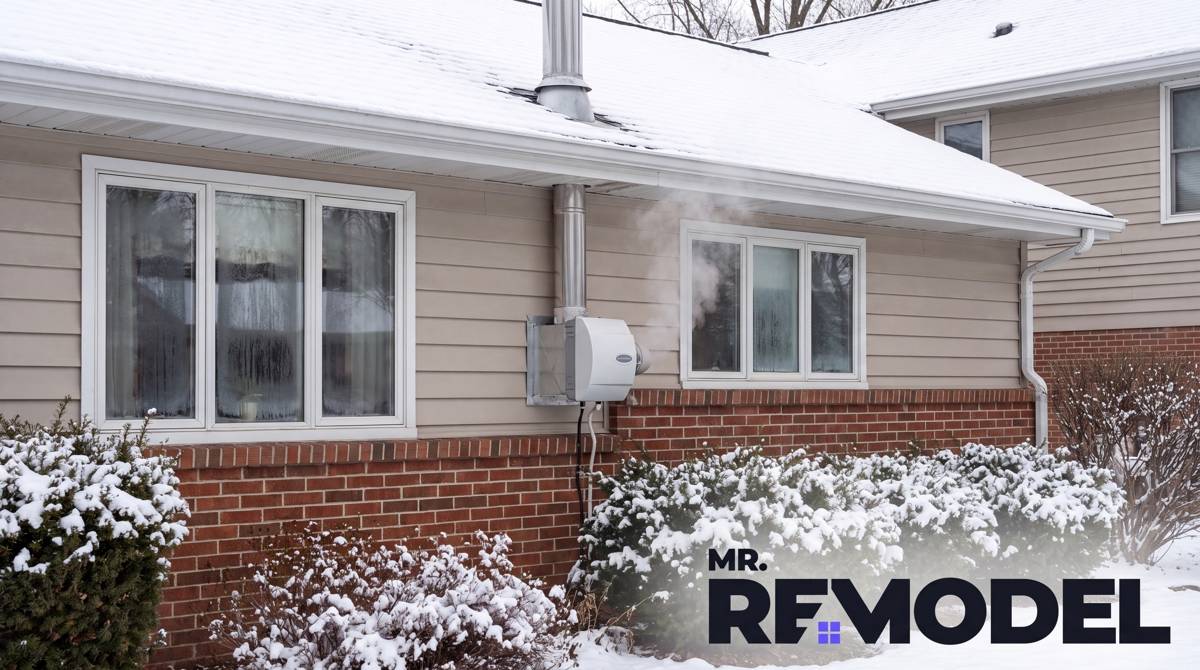
If you use a heat pump for heating, ensure snow and ice do not accumulate on top of the outdoor unit.
While heat pumps have automatic defrost cycles, heavy ice build-up starves the unit of air and forces it to use backup heating coils, which consume significantly more electricity.
Test Home Safety Alarms
Winter is the primary season for home heating risks. Test all carbon monoxide and smoke detectors monthly throughout the winter.
Replace detector batteries annually to ensure your family remains protected against invisible gas leaks or heating hazards.
See Related: Common HVAC Problems
Regional & Environmental Maintenance Factors
Different environments subject heating and cooling units to unique operational stresses that require tailored care.
- Sunbelt Cooling Cycles: Homes in heavy cooling regions run systems up to 10 months a year. These units require strict biannual inspections (spring and fall) to handle continuous wear.
- Coastal Salt Air Defense: Properties within five miles of saltwater coastlines experience rapid coil oxidation. Perform a freshwater rinse on outdoor units every two months to wash away destructive salt deposits.
- High-Pollen & Wildfire Zones: Regions with heavy pollen or smoke particulates require high-MERV filter replacements every 30 days during peak exposure months.
Frequently Asked Questions
How often should I have my HVAC system professionally serviced?
You should schedule professional servicing twice a year: once in the spring for your cooling system and once in the fall for your heating system.
What happens if I skip seasonal HVAC maintenance?
Skipping maintenance leads to higher utility bills, increases your risk of sudden breakdowns during severe weather, and shortens your equipment's overall lifespan.
How do services like Mr. Remodel assist homeowners with HVAC care?
Services like Mr. Remodel help by matching you with vetted local contractors who can perform seasonal tune-ups, repairs, and installations. This saves you time while ensuring your equipment receives expert attention.
Can I perform all seasonal HVAC maintenance tasks myself?
No. While homeowners should change air filters and clear outdoor debris, technical tasks like refrigerant testing, electrical tightening, and heat exchanger inspections require certified tools and training.
Why is refrigerant leak detection so important in 2026?
Due to the ongoing 2026 R-410A refrigerant phasedown, replacing leaked refrigerant costs $100 to $200+ per pound. Catching micro-leaks early prevents costly recharge bills.
Protect Your Home Comfort All Year
Following a structured seasonal checklist keeps your heating and cooling equipment running efficiently, lowers your energy costs, and prevents unexpected repair headaches.
Ready to schedule your seasonal tune-up? Contact Mr. Remodel to get a free, no-obligation quote and connect with reliable local contractors who can keep your HVAC system in peak condition every month of the year.