1-855-QUOTEMR

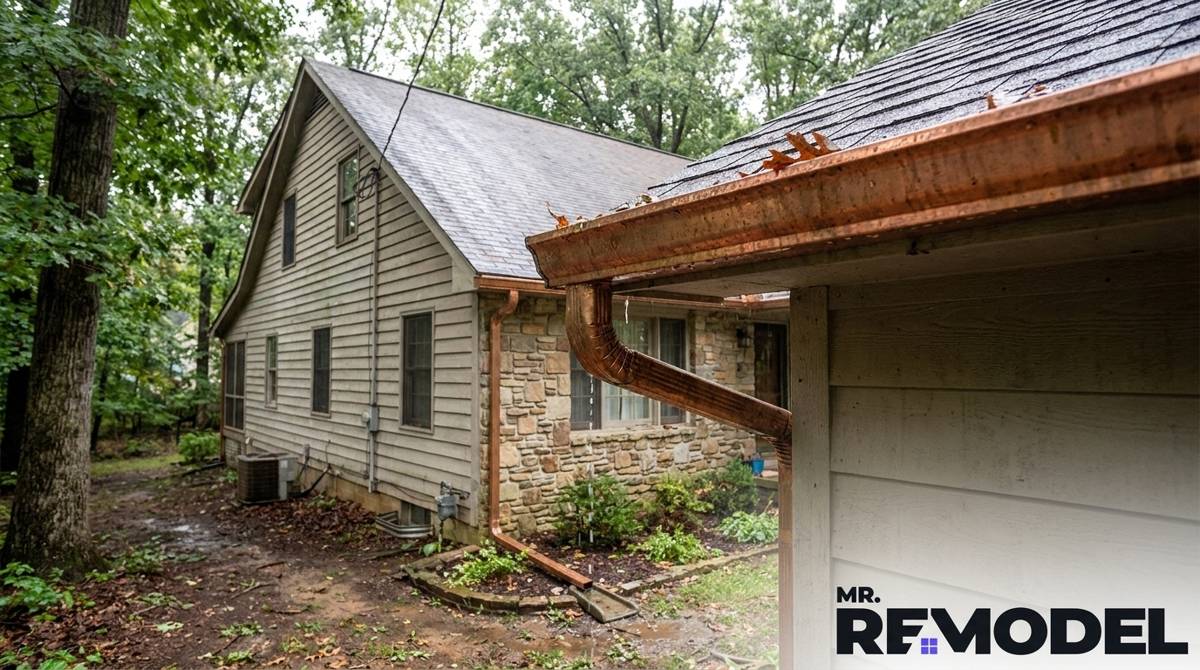
Table of Contents [hide]
Who This Is For
This guide is for homeowners replacing gutters or selecting a new gutter system who want to choose the right material for their local weather, maintenance needs, and long-term budget. It will help you compare aluminum, steel, copper, and vinyl gutters across rainy, snowy, coastal, hot, and freeze-thaw climates.
Key Takeaways
- Climate Fit: Climate plays a major role in gutter performance and material lifespan.
- No Universal Best: No single gutter material is best for every home or environment.
- All-Around Choice: Aluminum remains one of the most common all-around gutter materials.
- Premium Lifespan: Copper offers exceptional longevity but comes with higher upfront costs.
- Smart Balance: Material selection should balance weather exposure, maintenance, and budget.
The wrong gutter material can wear out faster when it is matched poorly to your climate. This guide to the best gutter materials for different climates explains how aluminum, steel, copper, and vinyl gutters perform in rain, snow, heat, coastal air, and changing temperatures.
Gutters do more than catch rainwater. They help direct roof runoff away from your home, which can protect your siding, fascia, landscaping, walkways, and foundation. The best choice depends on how much weather stress your gutter system will face and how much maintenance you want to manage.
Why Climate Matters When Choosing Gutters
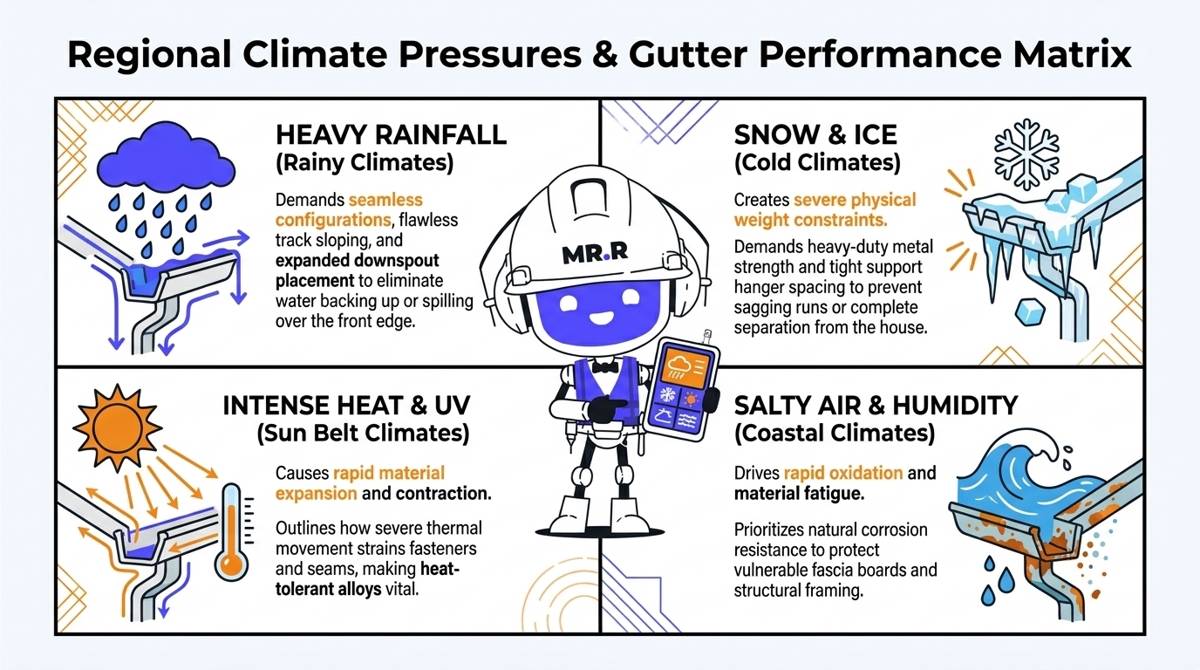
Climate affects how gutters age, drain, expand, contract, corrode, and handle debris. A material that works well in a mild climate may not be the best fit for heavy snow, salt air, or extreme heat.
The National Oceanic and Atmospheric Administration (NOAA) provides U.S. climate normals that show how temperature and precipitation vary across regions. That matters because gutters are exposed to rain, wind, heat, ice, humidity, and seasonal temperature changes year after year.
Rainfall
In rainy climates, gutters need to move water quickly and consistently. Heavy rain can expose weak points in a system, especially if gutters are undersized, poorly sloped, clogged, or leaking at seams.
The Environmental Protection Agency (EPA) explains, through its Soak Up the Rain program, that homeowners can help manage stormwater runoff by redirecting downspouts, using rain barrels, planting rain gardens, and improving drainage around the property. In high-rainfall areas, material choice should be paired with proper sizing, downspout placement, and drainage planning.
Snow and Ice
Snow and ice can add weight to gutter systems. Freeze-thaw cycles can also stress seams, fasteners, and weaker materials.
In colder climates, strength matters. A gutter material that bends, cracks, or pulls away under weight may need more frequent repair. Homeowners in snowy areas should also pay attention to installation quality and support spacing.
Heat and Sun Exposure
Hot climates can be tough on gutter materials. Heat can cause expansion, fading, brittleness, and wear over time.
Materials that tolerate sun exposure and temperature movement tend to perform better. Vinyl may be more vulnerable to brittleness or warping in harsh heat, while aluminum and steel may offer stronger long-term performance when installed correctly.
Coastal Conditions
Coastal climates can expose gutters to salt air, wind, humidity, and frequent storms. Corrosion resistance becomes especially important.
Aluminum and copper often perform well in many coastal settings because they resist rust. Steel can be strong, but it may need extra protective coatings and maintenance in salty environments.
Comparing Common Gutter Materials
The best gutter material depends on more than price. Homeowners should compare durability, corrosion resistance, lifespan, appearance, weight, maintenance, and climate exposure.
The National Association of Home Builders (NAHB) provides general lifespan guidance for gutters and other residential exterior components in its Study of Life Expectancy of Home Components. Actual lifespan depends on material, installation quality, maintenance, weather exposure, and drainage performance.
Aluminum Gutters
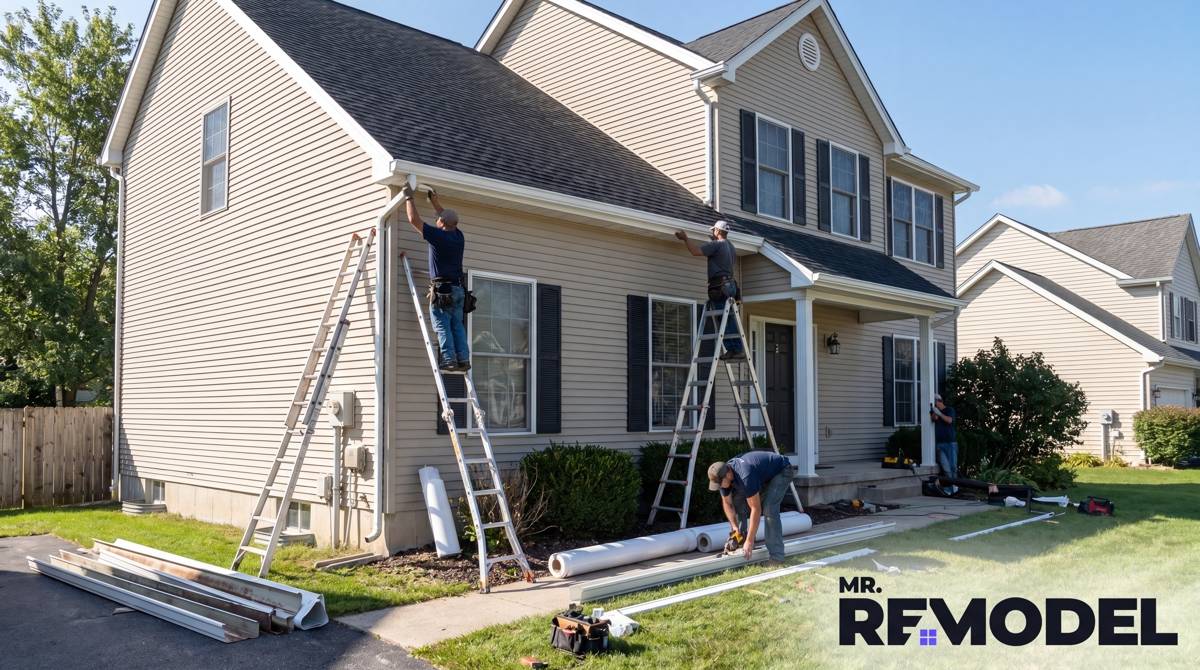
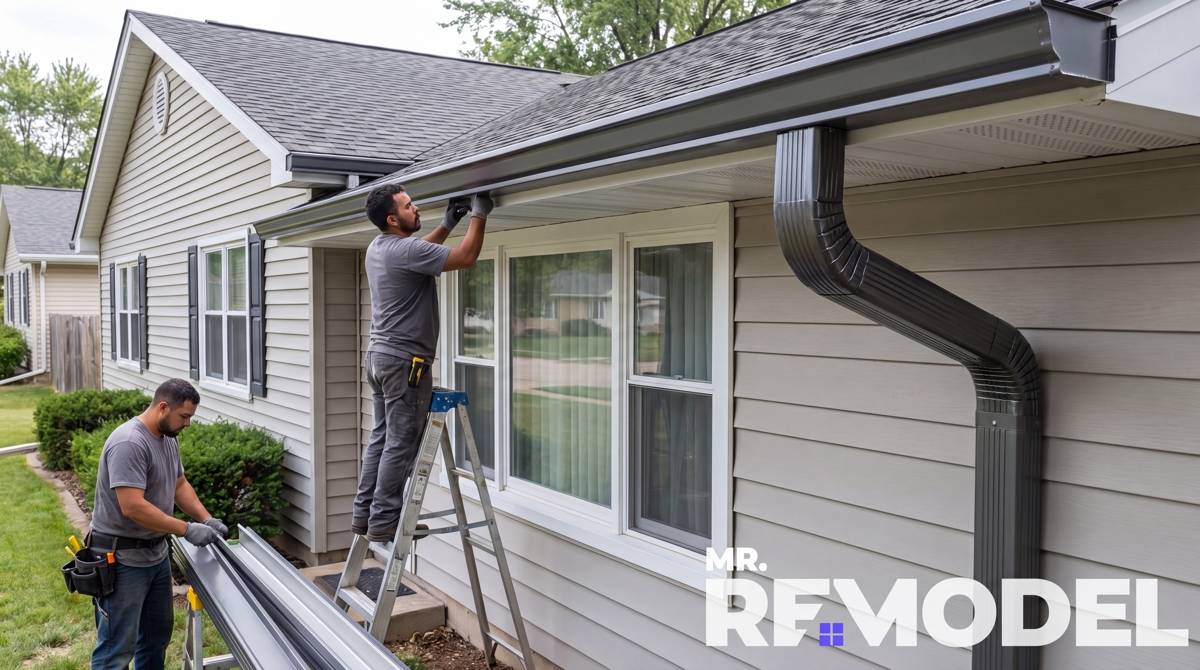
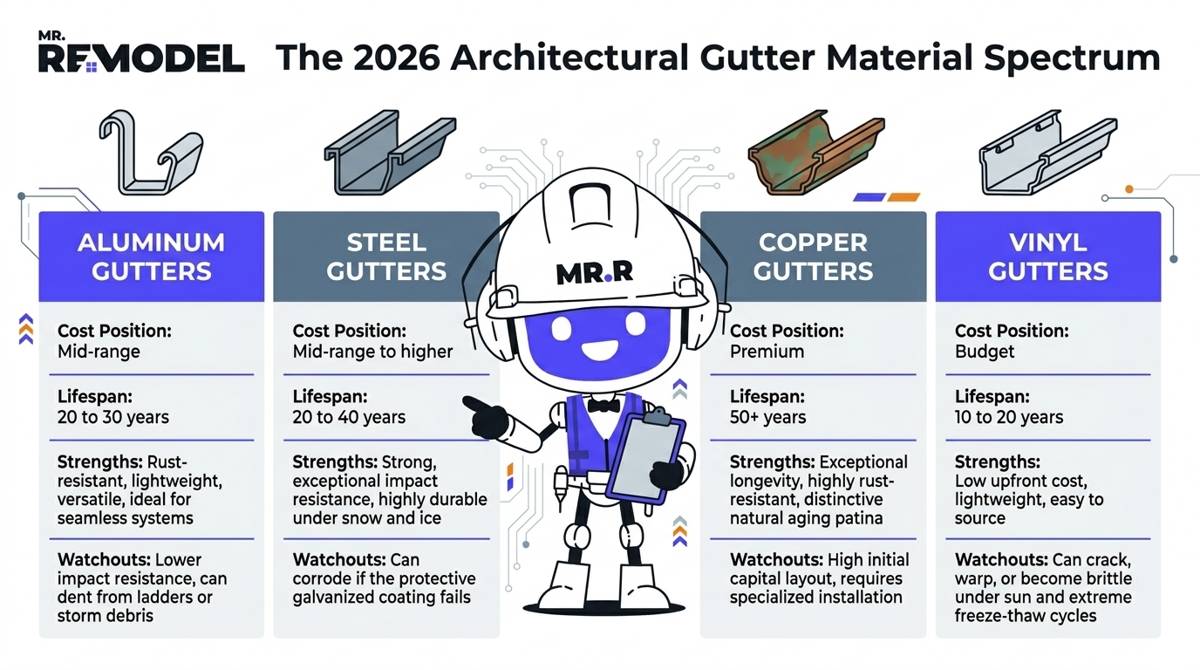
Aluminum gutters are one of the most common residential choices. They are lightweight, rust-resistant, and available in many colors and profiles.
Aluminum is often a strong all-around option because it works in many climates. It can be used for seamless gutters, which reduces the number of joints along the roofline.
In rainy climates, aluminum can perform well when the system is properly sized. In coastal climates, its rust resistance is helpful. In hot climates, good installation matters because aluminum can expand and contract.
The main drawback is denting. Aluminum is not as impact-resistant as steel, so falling branches, ladders, or storm debris can damage it.
Steel Gutters
Steel gutters are valued for strength. They can withstand greater impact than aluminum and may be a good option when durability is a priority.
Steel can make sense in snowy or storm-prone areas because it is stronger than lighter materials. However, it requires the right finish and maintenance to reduce the risk of corrosion.
Galvanized steel is coated to resist rust, but that protection can wear over time. If the coating is scratched or damaged, rust may begin.
Steel is also heavier than aluminum and vinyl. That makes proper installation important, especially in homes with long gutter runs or heavy seasonal weather.
Copper Gutters
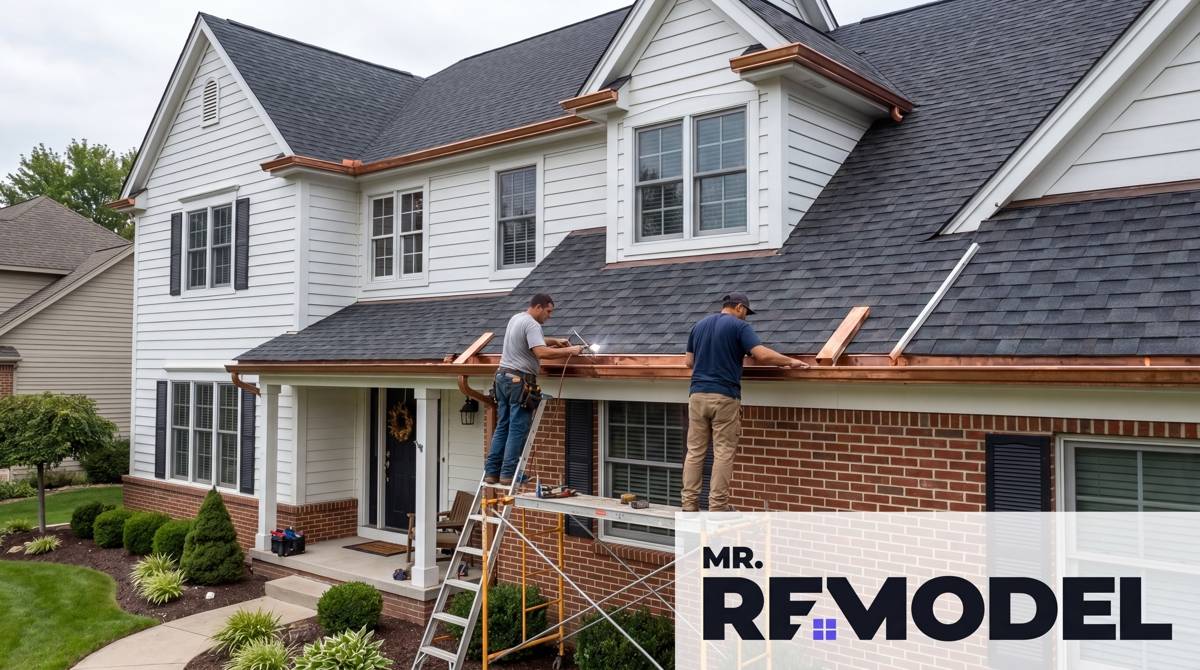
Copper gutters are a premium option known for longevity and appearance. They develop a natural patina over time, which many homeowners like for historic, traditional, or high-end homes.
Copper is highly durable and can last 50 years or more when properly installed and maintained. It is also naturally resistant to rust, which can make it useful in many wet climates.
The main downside is cost. Copper is one of the most expensive gutter materials, and it often requires experienced installation.
Copper may be worth considering when homeowners want a long-term material, a premium appearance, and a lower likelihood of replacement compared with cheaper options.
Vinyl Gutters
Vinyl gutters are often chosen for their lower upfront cost. They are lightweight, easy to source, and rust-resistant because they are not metal.
Vinyl can work in mild climates where extreme heat, cold, or heavy loads are not major concerns. It may also be used for budget-focused projects.
The tradeoff is lifespan and durability. Vinyl may crack in cold weather, warp in heat, or become brittle with long-term sun exposure.
Homeowners considering vinyl should think carefully about climate stress. It may cost less upfront, but it may not be the best long-term option in harsher environments.
Best Gutter Materials for Heavy Rain
In climates with heavy rain, the best gutter material must work with the right system design. Material matters, but size, slope, downspouts, and clog prevention matter just as much.
Aluminum is often a strong choice because it is rust-resistant, widely available, and compatible with seamless systems. Steel can also work well when strength is important.
What Heavy Rain Requires
Heavy rain puts stress on the entire gutter system. If gutters cannot move water fast enough, runoff may overflow near the roofline or foundation.
Homeowners in rainy areas should prioritize:
- Proper gutter sizing
- Enough downspouts
- Clear drainage paths
- Strong hangers
- Seamless options when appropriate
- Regular cleaning
- Gutter protection where debris is heavy
Best Material Fit
Aluminum is often the best all-around material for heavy rain because it resists rust and is practical for many homes. Steel can be useful when extra strength is needed.
Copper can also perform well in wet climates, especially for homeowners who want a premium material with long life. Vinyl may be less ideal if storms, debris, or extreme temperature changes are common.
See Related: Best Gutter Guards for Heavy Rain
Best Gutter Materials for Snow and Ice
Snow and ice add weight and stress. Gutters in cold climates need strong support, good drainage, and materials that can handle seasonal movement.
Steel is often a good fit when strength is the top concern. Aluminum can also perform well when installed with proper hangers and support.
What Snowy Climates Require
Snow and ice can sit on or around gutters. If the system is weak, clogged, or poorly attached, it may sag or pull away from the fascia.
Homeowners in snow-prone areas should focus on:
- Strong hangers and fasteners
- Proper slope
- Durable materials
- Clear downspouts
- Seasonal cleaning
- Roof and gutter inspection before winter
Best Material Fit
Steel is a strong option for snow and ice because it offers impact resistance and strength. Aluminum can also work well, but it may dent more easily.
Copper can last a long time in cold climates, but the higher cost may not fit every budget. Vinyl is generally less ideal in freezing temperatures, as it can become brittle.
Best Gutter Materials for Coastal Areas
Coastal areas can be hard on exterior materials. Salt air, humidity, wind, and storms can speed up wear.
The best gutter material for coastal areas should resist corrosion and perform well in moisture-heavy conditions.
What Coastal Homes Require
Coastal homes often need materials that can handle salt exposure and frequent moisture. Fasteners, seams, and hangers should also be chosen with corrosion resistance in mind.
Homeowners near the coast should prioritize:
- Rust resistance
- Corrosion-resistant fasteners
- Proper drainage
- Secure installation
- Regular rinsing and maintenance
- Inspection after storms
Best Material Fit
Aluminum is often a practical coastal choice because it does not rust like steel. Copper can also be a strong option because of its long lifespan and natural corrosion resistance.
Steel may be used, but it needs a protective coating and more maintenance in salty air. Vinyl will not rust, but it may not provide the same durability in storm-prone coastal areas.
Best Gutter Materials for Hot Climates
Hot climates can expose gutters to intense sun, expansion, fading, and material fatigue. The best gutters for hot climates should handle long-term sun exposure and temperature changes.
Aluminum is often a practical choice because it is lightweight, rust-resistant, and widely used. Steel can also perform well, though it may absorb more heat and need a proper coating.
What Hot Climates Require
In hot climates, gutters may expand and contract as temperatures rise and fall. This can stress fasteners and seams over time.
Homeowners in hot areas should focus on:
- Heat-tolerant materials
- Quality installation
- Proper expansion allowances
- Ultraviolet (UV)-resistant finishes
- Regular inspection
- Secure hangers
Best Material Fit
Aluminum is often one of the best choices for hot climates because it balances cost and performance. Copper can also handle heat well and offers long-term durability.
Vinyl may be more vulnerable in extreme sun because it can warp or become brittle. Steel can work, but the quality of the coating and installation matters.
Best Gutter Materials for Freeze-Thaw Climates
Freeze-thaw climates create a different type of stress. Water can freeze, thaw, and refreeze around the gutter system.
This can affect seams, fasteners, downspouts, and areas where water sits too long.
Why Drainage Matters
In freeze-thaw areas, standing water is a problem. If gutters do not drain fully, trapped water can freeze and add weight.
That can increase stress on hangers and seams. It may also worsen sagging or separation.
Best Material Fit
Steel and aluminum are common choices in freeze-thaw climates. Steel offers strength, while aluminum offers rust resistance and lighter weight.
Copper can be a good choice for long-term homeowners, but it is more expensive. Vinyl is usually less ideal in areas with repeated freezing and thawing because brittleness can become a concern.
Choosing the Right Gutter Profile
Material is only part of the decision. Gutter profile also matters because shape affects appearance, capacity, and how the system fits the home.
K-style gutters are common on many homes because they blend with modern rooflines and can carry a useful amount of water. Half-round gutters are often chosen for historic or traditional homes.
Why Profile Matters
A home in a rainy climate may need a gutter profile designed to handle more water. A home with a steep roof may also need careful sizing and downspout planning.
The right profile depends on roof size, roof pitch, rainfall, style, and budget.
Capacity and Appearance
K-style gutters often offer a strong carrying capacity for many standard homes. Half-round gutters can provide a classic look, but they may require different hangers and installation details.
The best profile is the one that fits both the home’s water management needs and exterior design.
See Related: K-Style vs Half-Round Gutters
Should You Choose Seamless Gutters?
Seamless gutters are formed in long runs, usually on the home. They have fewer joints than sectional gutters, which can reduce potential leak points.
For many climates, this matters. Fewer seams can be helpful in heavy rain, snow, coastal storms, and freeze-thaw conditions.
Why Seamless Systems Help
Leaks often develop at seams, corners, and connection points. Seamless gutters reduce the number of seams along straight runs.
This does not eliminate maintenance, but it can reduce one common source of gutter problems.
When Seamless Gutters Make Sense
Seamless gutters may make sense when homeowners want a cleaner appearance, fewer leak points, and a custom fit.
They are often paired with aluminum, but other materials may also be available depending on the contractor and project.
See Related: Seamless Gutter Benefits Explained
Ready to compare material and system options? Mr. Remodel connects homeowners with fully vetted local contractors. You can use Mr. Remodel to find local gutter contractors and request a free, no-obligation quote.
Why Proper Drainage Matters for Every Climate
No gutter material can protect a home if the system is poorly designed or clogged. The material must be properly sloped, include downspouts, drainage extensions, and maintenance.
The United States Department of Agriculture Forest Service (USDA Forest Service) explains in its Wood Handbook how moisture conditions affect wood and wood-based materials. That is why roof runoff should be directed away from vulnerable exterior areas.
Downspouts Matter
Downspouts move water from the gutter to the ground. If there are too few downspouts, water may overflow during heavy rain.
If downspouts empty too close to the home, water can collect near the foundation. A strong gutter system needs both good gutters and a good discharge plan.
Maintenance Still Matters
Even the best material needs care. Leaves, roof grit, dirt, and debris can clog gutters and downspouts.
Cleaning and inspection help protect the system. Maintenance is especially important in wooded areas, storm-prone regions, and climates with heavy seasonal debris.
What Mr. Remodel Data Reveals About Gutter Inquiries
The Mr. Remodel dataset does not contain material- or climate-specific selection data for aluminum, steel, copper, or vinyl. However, it does show strong homeowner demand for gutter work where material selection becomes important.
Gutter replacement generated 6,273 inquiries. New gutter installation generated 2,847 inquiries, and gutter repair generated 1,924 inquiries.
Total gutter-related demand equals 11,044 inquiries. Installation and replacement account for about 83% of all gutter inquiries.
Why This Matters for Homeowners
Material selection usually happens during installation or replacement. Since those two categories make up most gutter inquiries, many homeowners are likely making decisions about system type, material, profile, and long-term durability.
Choosing the wrong material can lead to more repairs, more maintenance, or earlier replacement. Choosing the right material for the climate can improve long-term performance.
Replacement and Installation Are Key Decision Points
Homeowners often think about material only when an old system fails. But material selection should happen before the estimate is finalized.
A contractor can help compare local weather exposure, roof design, downspout needs, and maintenance expectations.
See Related: Gutter Replacement Cost Guide
How to Choose the Best Gutter Material for Your Home
The best gutter material is not just the strongest or most expensive option. It is the material that fits your climate, budget, home style, and maintenance expectations.
A good decision starts with a few practical questions.
1. Ask About Weather Exposure
Think about what your home faces most often. Heavy rain, snow, salt air, high heat, and freeze-thaw cycles all affect gutter performance.
A homeowner in a rainy area may prioritize capacity and seamless design. A homeowner in a coastal area may prioritize corrosion resistance.
2. Compare Cost and Lifespan
Lower upfront cost can be helpful, but it should be compared with the lifespan. Vinyl may cost less at first, but it may not last as long in harsh climates.
Copper may cost far more upfront, but it can last for decades. Aluminum often offers the best balance for many homes.
3. Review Maintenance Expectations
Some homeowners want the lowest-maintenance system possible. Others are comfortable with seasonal cleaning and occasional repairs.
Maintenance expectations should guide material choice. Gutters near trees, in storms, or with heavy debris may need more attention, regardless of material.
4. Consider Home Style
Appearance matters too. Aluminum works with many home styles. Copper can add a premium look. Half-round profiles may fit traditional homes, while K-style gutters work well for many modern exteriors.
The best system should protect the home and complement its exterior design.
Frequently Asked Questions
What is the best gutter material overall?
There is no single best gutter material for every home. Aluminum is often the best all-around choice because it balances cost, rust resistance, availability, and performance. Copper may be best for long-term durability, while steel may be best when strength is the top priority.
Are aluminum gutters better than steel?
Aluminum gutters are usually better for rust resistance, lower weight, and broader residential use. Steel gutters are usually better for impact resistance and strength. The better choice depends on climate, budget, and maintenance expectations.
What gutters last the longest?
Copper gutters generally last the longest, with a typical lifespan of 50 years or more. Aluminum and steel can also last for decades when installed and maintained properly. Vinyl usually has the shortest lifespan among the common materials.
Which gutters are best for heavy rain?
For heavy rain, aluminum or steel gutters can be strong choices when properly sized and installed. Seamless systems, larger profiles, enough downspouts, and gutter guards may also help. The full system design matters as much as the material.
Choosing the Right Gutter Material for Your Climate
The best gutter materials for different climates depend on the weather your home faces year after year. Heavy rain, snow, heat, salt air, and freeze-thaw cycles all place different demands on a gutter system.
Aluminum is a strong all-around choice for many homes. Steel offers added strength, copper offers premium longevity, and vinyl may work for budget-focused projects in milder climates.
Before choosing, compare the material's lifespan, maintenance requirements, roof design, gutter profile, and local weather exposure. To move forward, connect with local gutter contractors through Mr. Remodel and request a free, no-obligation quote.