1-855-QUOTEMR

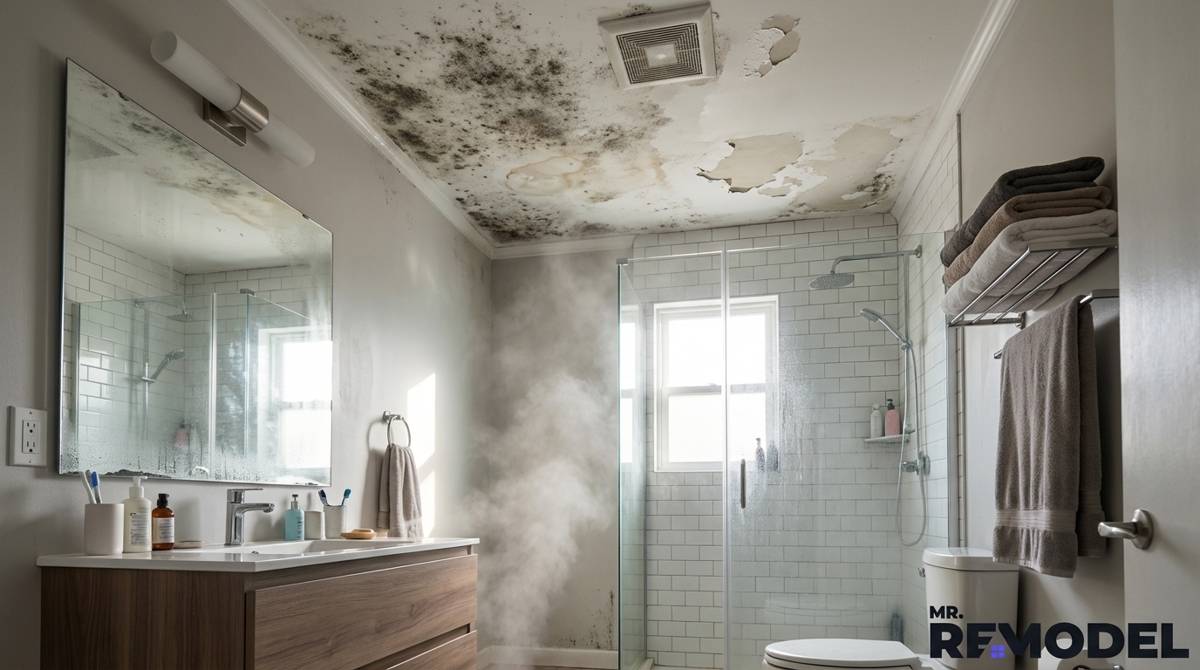
Table of Contents [hide]
This guide is for homeowners who are standing in their bathroom staring at black spots on the ceiling, a cracking tub, or a puddle of water that keeps returning. If you are debating whether to buy a $50 bottle of grout cleaner or call a contractor for a $15,000 renovation, this article will help you triage the situation. It is designed to help you distinguish between cosmetic annoyances and serious structural failures that threaten your home’s safety and value.
Key Takeaways
- The Iceberg Theory: Visible symptoms like mold or cracked grout are often just the tip of the iceberg. They usually indicate invisible rot behind the wall, which is why scrubbing rarely solves the core issue.
- Safety First: The most dangerous bathroom problem isn't a leak. It is a slip hazard. Falls are the leading cause of injury for seniors, making a high-step tub a critical safety liability.
- The 63% Solution: Our data shows that 63% of homeowners choose a Partial Remodel (replacing just the wet area) rather than patching, as it guarantees a waterproof seal for the next 20 years.
- The Cost of Waiting: Hidden water damage can cost $2,000 to $6,000 just for restoration. Replacing a failing system early is often cheaper than remediating extensive mold and rot later.
- Structural Plumbing: Converting a tub to a shower costs more (avg. $18k) because it requires moving drains and altering the subfloor, but it provides the highest lifestyle value for aging in place.
Bathrooms are the workhorses of the home. They endure high humidity, daily water exposure, and constant foot traffic. Over time, this unrelenting stress takes a toll. You might notice a few black spots in the shower corner or a hairline crack in a floor tile. Your instinct is likely to treat these as cleaning issues. You grab a bottle of bleach or a tube of caulk and hope for the best.
However, bathroom problems are rarely just surface deep. Modern bathrooms are complex systems of waterproofing, plumbing, and ventilation. When one component fails, it often triggers a cascade of damage that you cannot see until it is too late.
According to data from Mr. Remodel, a significant shift is happening in how homeowners address these issues. We found that 63% of our customers are moving away from temporary repairs and choosing Partial Remodels. They are ripping out the wet area (the tub and shower) and replacing it entirely. They aren't doing this just for aesthetics. They are doing it because they realized that their small leak was actually a structural failure.
This guide serves as your diagnostic tool. We will help you determine if your issue is a simple DIY fix or a sign that your bathroom has reached the end of its useful life.
The Diagnostic Framework: Surface vs. Structural
Before you spend money on repairs, you must understand the nature of the beast. Most bathroom issues fall into two categories: Surface Maintenance or Structural Failure. Confusing the two is the most expensive mistake a homeowner can make.
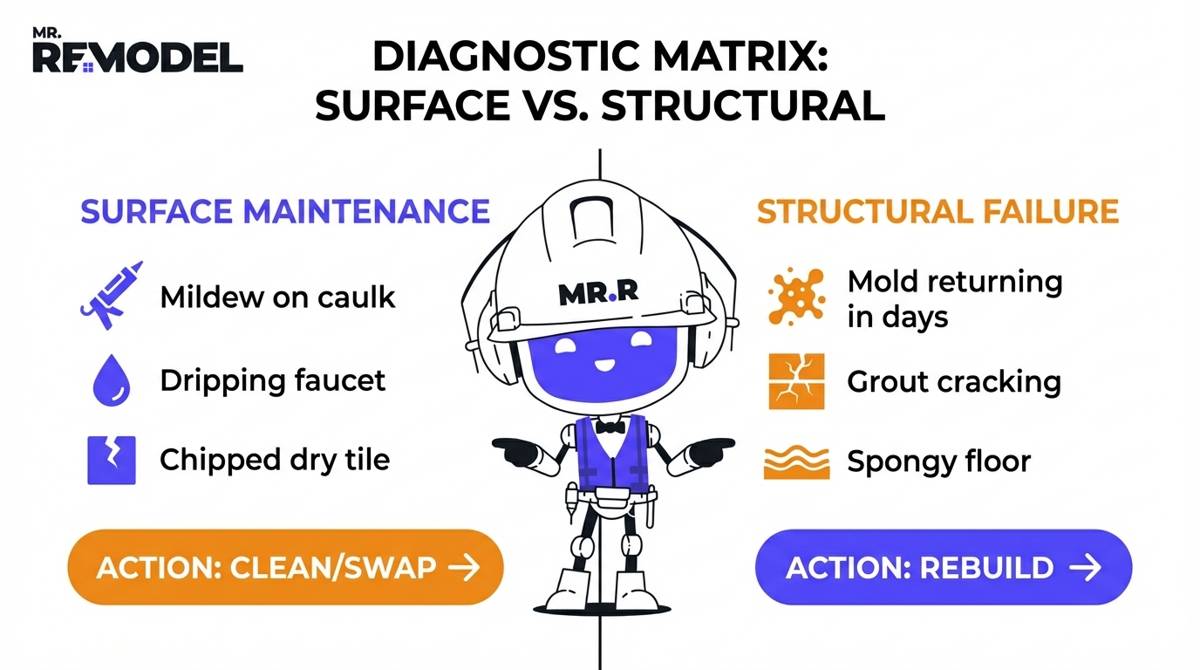
Surface Maintenance
These are cosmetic issues that do not threaten the integrity of the home.
- Symptoms: Mildew on top of silicone caulk, a dripping faucet washer, or a chipped ceramic tile in a dry area (like behind the door).
- The Fix: These can usually be solved with a deep clean, a new bead of caulk, or a simple fixture swap.
Structural Failure
These are issues where the waterproofing system or the subfloor has been compromised.
- Symptoms: Mold returning days after cleaning, grout cracking in the shower floor, tiles popping loose, or a spongy feeling when you step near the tub.
- The Reality: No amount of cleaning will fix this. Water has breached the barrier. It is rotting the wood studs and subfloor. The only cure is to remove the affected materials and rebuild.
See Related: Signs You Need a Bathroom Remodel
Mold and Moisture: The Silent Destroyer
Mold is the most common complaint we receive. It is ugly, it smells, and it feels unclean. But in the context of a bathroom, mold is a smoke signal. It tells you that there is a fire somewhere in your walls.
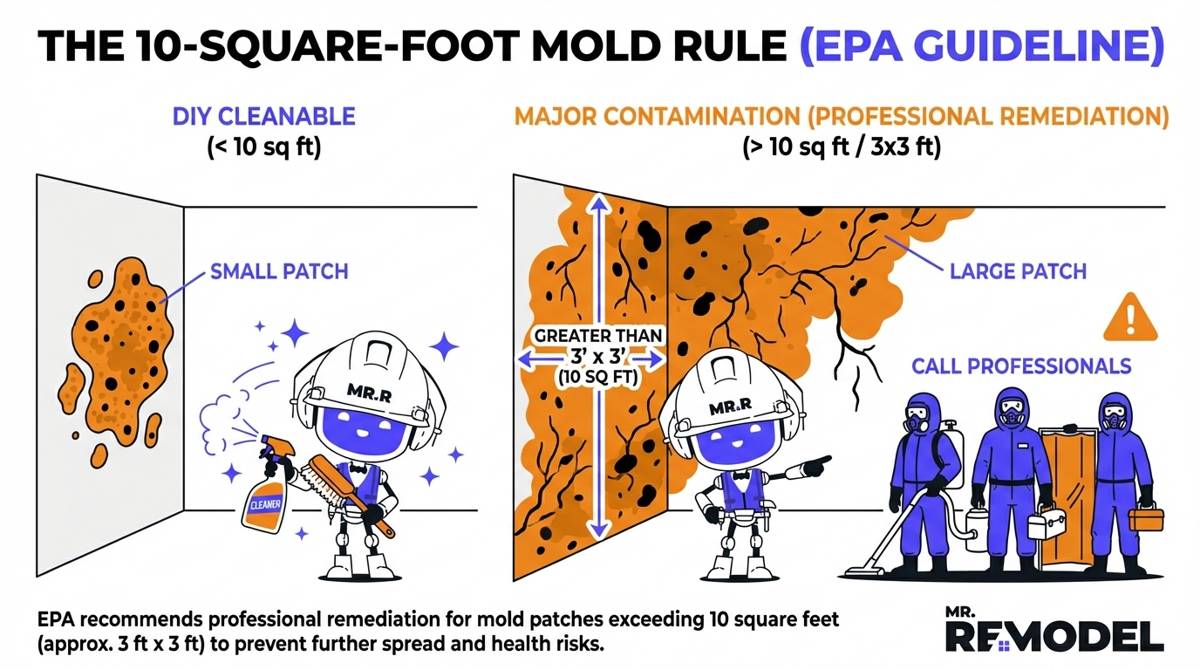
When you see black mold on your grout or drywall, you are seeing the bloom. The root system is likely deep inside the porous material behind it. According to the EPA Guide to Mold and Moisture, if the moldy area exceeds 10 square feet (roughly a 3ft by 3ft patch), you are dealing with a major contamination that requires professional remediation.
Why Scrubbing Fails
Homeowners often spend years scrubbing mold with bleach. This bleaches the color out of the mold but does not kill the root if the moisture source remains. If you have a slow leak behind your shower valve, the drywall acts like a sponge. It stays permanently damp, creating the perfect incubator for mold.
The Structural Cost
If left unchecked, moisture rot destroys the structural integrity of your floor joists. We have seen cases where a toilet literally falls through the floor because the subfloor was turned to mush by a slow wax ring leak. This transforms a $500 toilet replacement into a $10,000 structural carpentry job.
See Related: Mold and Moisture Problems in Bathrooms
Cracked Tiles and Failing Grout
Tile is designed to be permanent. It is fired clay or stone. It does not shrink. It does not expand. So why does it crack?
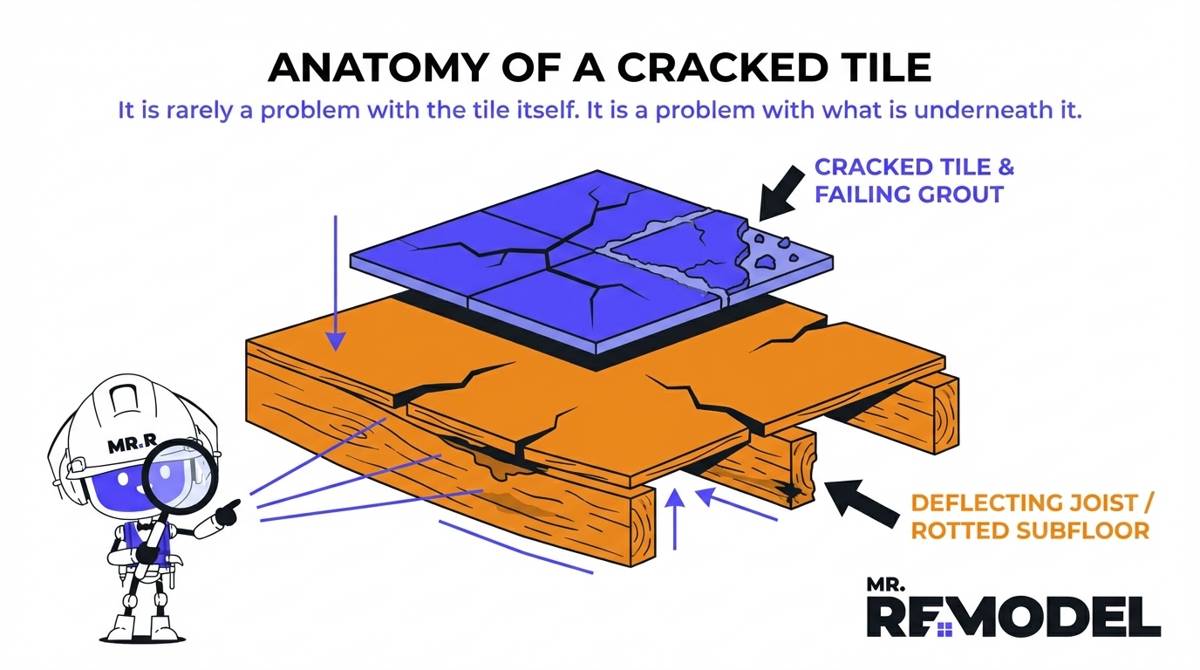
The Subfloor is Moving
If your floor tiles are cracking, it is rarely a problem with the tile itself. It is a problem with what is underneath it.
- Deflection: The floor joists are bending too much under the weight of the tub or foot traffic.
- Rot: The subfloor has rotted due to a leak, causing the tile to lose support.
- Adhesive Failure: The mortar bond has broken.
The Grout Lifespan Myth
Many people believe grout lasts forever. It does not. According to industry standards, standard cement-based grout has a lifespan of about 8 to 15 years, depending on maintenance. After this, it becomes porous and brittle.
If your bathroom is 20 years old and the grout is cracking out of the joints, you cannot simply regrout over it. The movement that caused the crack will simply crack the new grout. This is a clear indicator that the shower pan or floor system has reached the end of its life.
See Related: Cracked Tiles and Failing Grout Causes
The Reality of Water Damage (Leaks)
Water is the universal solvent. Given enough time, it will destroy anything in its path. In a bathroom, water damage is insidious because it happens behind the scenes.
The Financial Impact of Leaks
A small drip seems manageable. But the restoration costs for hidden water damage are staggering. According to industry data, the average cost to restore a water-damaged bathroom ranges from $2,000 to $6,000.
This cost covers:
- Dry-out services (industrial fans and dehumidifiers).
- Demolition of saturated drywall and flooring.
- Mold remediation chemicals.
The Partial Remodel Logic
This is where the math of the Partial Remodel becomes clear. If you have to pay a restoration company $4,000 just to rip out your rot and dry the studs, why would you pay another $3,000 to patch it back together with old tile?
For many homeowners, it makes more financial sense to invest that money into a one-day bathroom remodel. These systems use acrylic wall panels and pans that are inherently waterproof. You get a brand new, warrantied bathroom for a price comparable to the restoration-plus-repair route, but with zero future leak risk.
See Related: Bathroom Water Damage: What to Do
The Safety Gap: It's Not Just a Leak
While leaks damage your house, safety hazards damage your body. The Centers for Disease Control (CDC) reports that falls are the leading cause of injury for adults aged 65 and older. The bathroom is the epicenter of these falls.
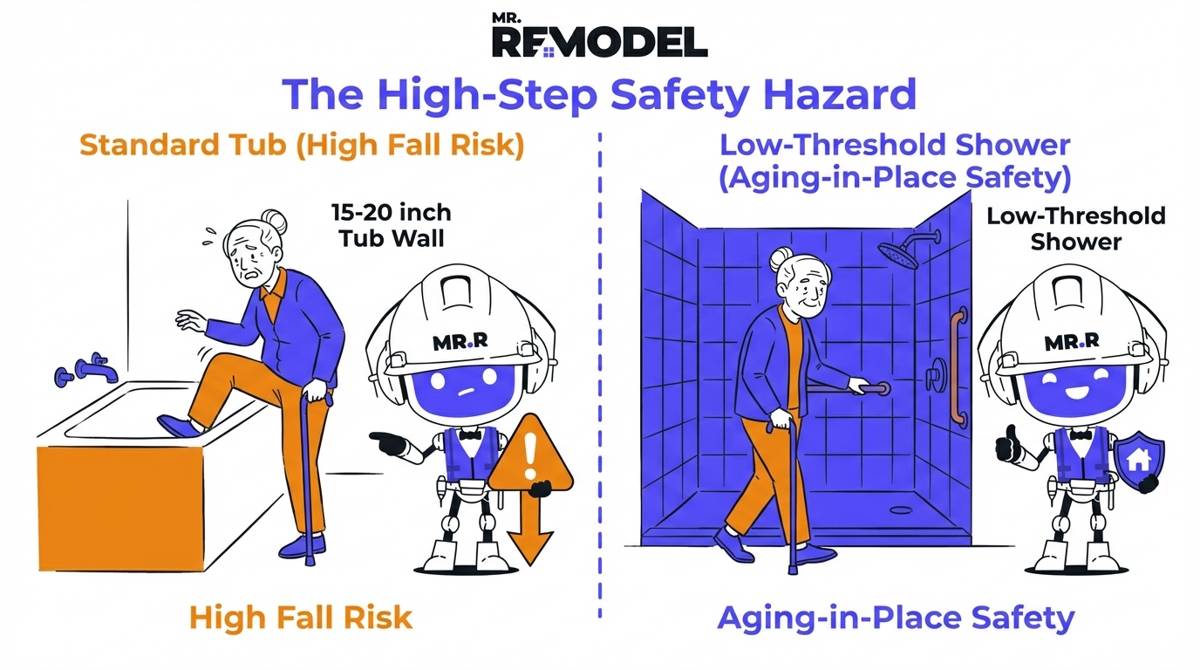
The High-Step Problem
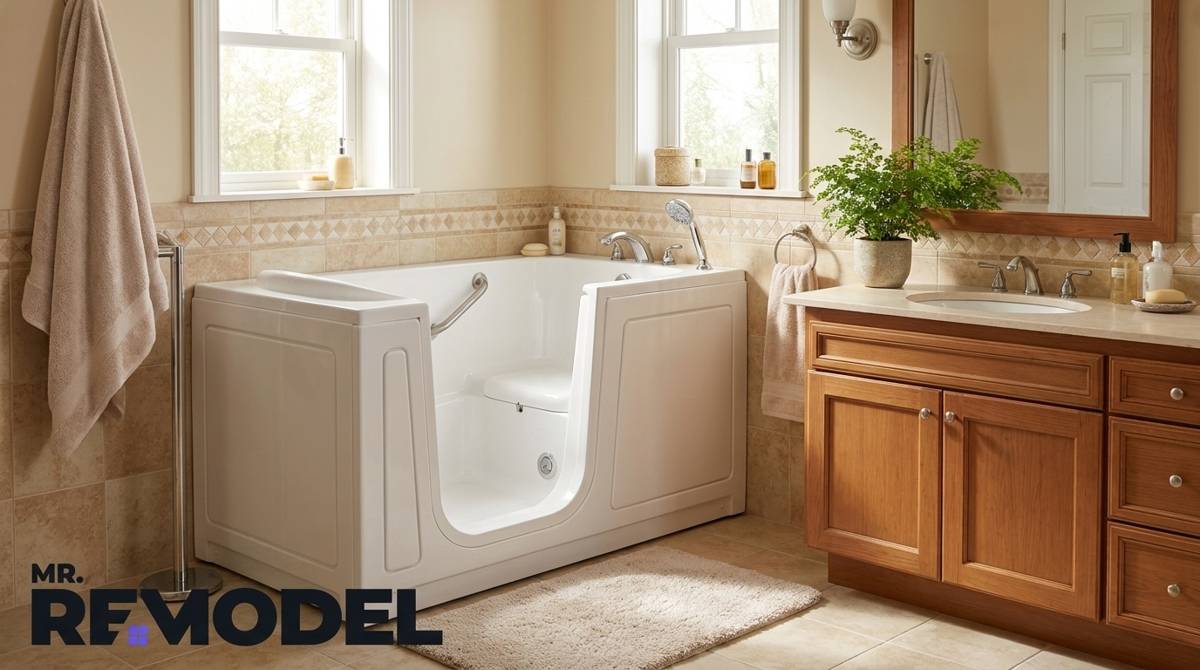
Standard bathtubs have a wall height of 15 to 20 inches. Stepping over this wall requires balance and core strength that diminish with age. If you or a loved one struggles to enter the tub, this is a bathroom problem far more urgent than a cracked tile.
Solution? Tub-to-Shower Conversion
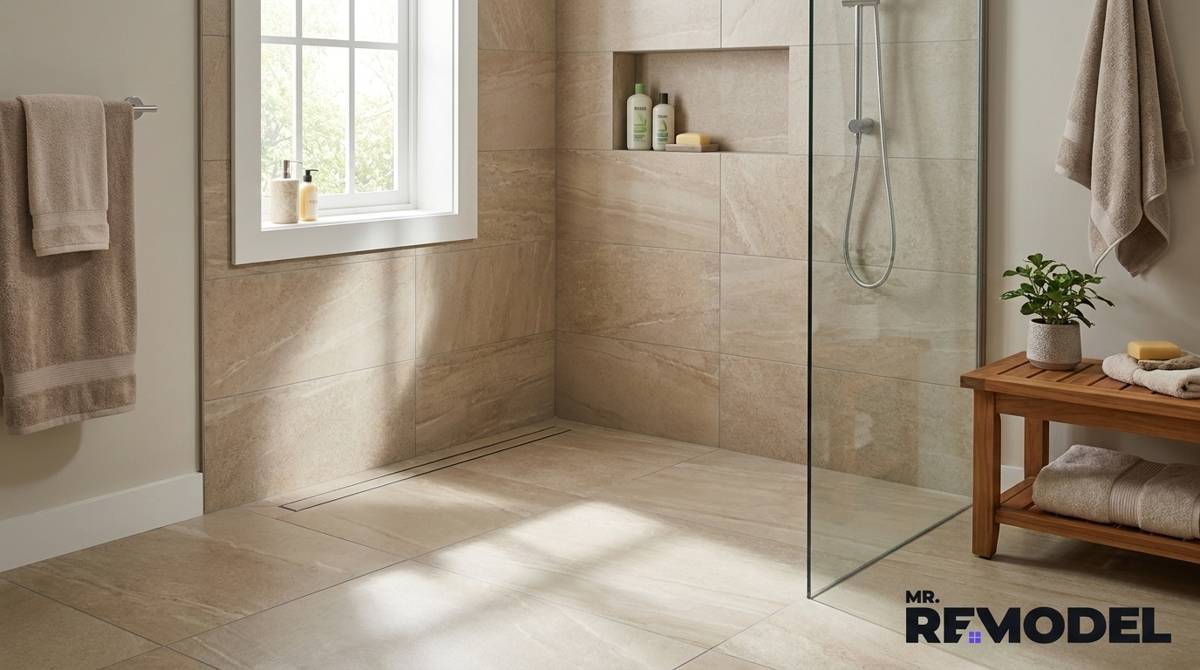
This safety concern drives 17% of our market volume. Homeowners are actively ripping out dangerous tubs and installing low-threshold showers.
Why It Costs $18,000
We often get asked why this conversion is expensive. It is not just a cosmetic swap.
- Drain Relocation: Bathtub drains are 1.5 inches wide. Shower drains must be 2 inches wide to handle the rapid water flow. This requires jackhammering the concrete or cutting the subfloor to replace the pipe.
- Waterproofing: The entire footprint of the old tub must be waterproofed to prevent leaks.
- Structural Support: Heavy glass doors require reinforcement in the walls.
While the price tag is high, the value lies in Aging-in-Place. It allows you to stay in your home safely for another decade, avoiding the far higher cost of assisted living.
See Related: Signs You Need a Bathroom Remodel
The Financials: When Is Repair No Longer Worth It?
Deciding to remodel is often a battle between your wallet and your logic. You want to save money, but you hate throwing good money after bad.
The 50% Rule
A general rule of thumb in renovation is the 50% rule. If the cost of the repair (e.g., regrouting, replacing a few tiles, fixing a valve) is 50% or more of the cost of a new replacement, you should replace it. The lifespan of the new product makes the investment worthwhile.
According to the 2025 Cost vs. Value Report by The Journal of Light Construction, a midrange bathroom remodel typically recoups about 80% of its cost in increased home value.
Compare this to a repair.
When you factor in the equity gain, the expensive remodel is often the smarter financial move.
See Related: When Bathroom Repairs Are No Longer Worth It
Choosing the Right Solution
Once you have diagnosed the problem, you need to select the right intervention.
1. The Band-Aid Solution (DIY Repair)
- Best For: Surface mold, peeling caulk, dripping faucets.
- Cost: <$100
- Risk: High probability of recurrence if the underlying moisture isn't fixed.
2. The Surgical Strike Solution (Partial Remodel)
- Best For: Leaking shower pans, cracked tiles in wet areas, and outdated visuals.
- Cost: $12,000 to $18,000
- Value: High. Solves the root cause (waterproofing) without the cost of a full gut.
3. The Full Reset Solution (Full Remodel)
- Best For: Layout changes, widespread rot, total modernization.
- Cost: $25,000+
- Value: Moderate ROI, maximum lifestyle change.
Preventing Future Problems
Whether you repair or replace, prevention is the key to longevity.
Ventilation is King
Most bathroom problems start with humidity. If your mirror fogs up during a shower and stays foggy for 10 minutes, your fan is too weak. Upgrading to a high-CFM fan on a timer switch is the cheapest insurance policy you can buy for your bathroom.
Sealant Maintenance
Silicone caulk is not permanent. It shrinks and pulls away over time. Inspect your caulk lines every year. If you see a gap, cut it out and replace it immediately. Do not caulk over old caulk.
Frequently Asked Questions
How do I know if my bathroom mold is a surface issue or a structural problem?
If mold returns within days of scrubbing or appears in grout lines and caulk seams, it is likely structural. This indicates water is penetrating behind the tile, feeding mold from the drywall out. In this case, surface cleaning is futile; the waterproof barrier has failed, which is why 63% of homeowners in our data opt for a Partial Remodel to replace the wet area entirely.
Is it worth repairing cracked tile and grout?
Only if the bathroom is relatively new (less than 10 years old). If your bathroom is 15+ years old, cracking is a sign of end-of-life failure where the subfloor or adhesive has given way. Patching new grout over old, shifting tile will only result in new cracks within months.
What should I do about water damage behind my shower wall?
Immediate action is required. Hidden leaks can rot structural studs and cost $2,000 to $6,000 just for restoration (drying and mold removal). Rather than paying for restoration and then rebuilding the old tile, many homeowners find it more cost-effective to install a One-Day Acrylic System, which is inherently waterproof and can be installed over stabilized framing in just 24 hours.
Does homeowner's insurance cover bathroom leaks?
It depends on the cause. Insurance typically covers sudden and accidental damage, like a pipe bursting. It generally does not cover gradual damage caused by lack of maintenance, such as old grout leaking for over five years or a slow drip behind a wall. Check your policy carefully.
Stop Chasing the Leak
If you find yourself constantly battling mold, patching grout, or worrying about a soft spot in the floor, it is time to stop chasing the symptom. The "Iceberg Theory" tells us that what you see is only a fraction of the problem.
For 63% of our customers, the solution was not another tube of caulk. It was a Partial Remodel that removed the rot, replaced the waterproofing, and delivered a safe, modern bathroom. Whether you need a simple wet-area update or a safety-focused tub conversion, the first step is getting a professional assessment of what lies beneath.
Avoid the stress of a deteriorating floor. Get the clarity you need by connecting with a trusted bathroom contractor from the Mr. Remodel network. We will help you find the right bathroom specialist for your budget and needs.