1-855-QUOTEMR

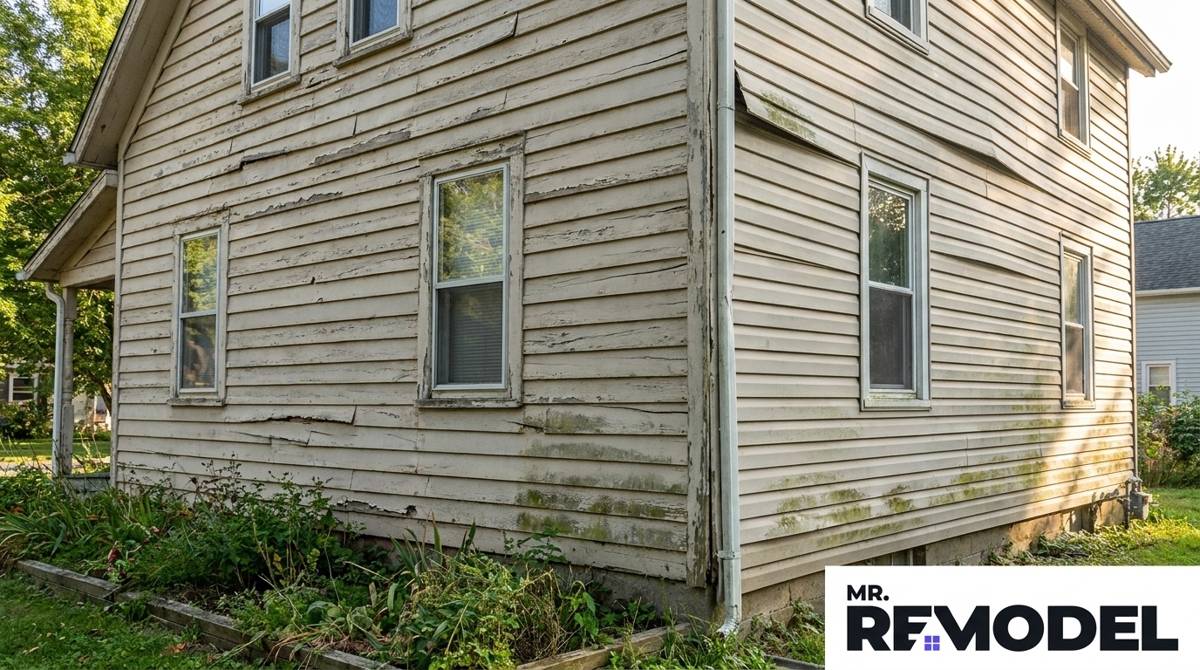
Table of Contents [hide]
Who This Is For:
Homeowners with aging, damaged, or deteriorating siding who notice recurring exterior problems, have made multiple repairs, are preparing for exterior renovations, or want to know whether replacement is worth the investment.
Key Takeaways:
-
Visible Damage Can Signal Failure: Cracks, warping, loose panels, and soft areas may mean siding is no longer protecting the home well.
-
Repeated Repairs Add Up: If the same problems keep coming back, replacement may become more practical than patching.
-
Moisture Damage Can Be Hidden: Water may affect sheathing, framing, or insulation before the full problem is visible outside.
-
Material Lifespans Vary: Vinyl, wood, fiber cement, metal, and stucco all age differently and require different care.
-
Inspection Helps Clarify the Next Step: A professional evaluation can help determine whether repair or replacement makes more sense.
Siding does not need to be replaced just because it is old. The better question is whether it still protects your home from water, wind, pests, and daily weather exposure.
Mr. Remodel tracked 5,462 siding installation inquiries and 445 repair inquiries. Installation represented about 92% of tracked siding demand, which shows that many homeowners eventually reach a point where larger exterior work becomes necessary.
Siding Does Not Last Forever
Every siding material wears down over time. Sun, rain, humidity, snow, wind, impact, pests, and seasonal temperature changes all affect the exterior.
Service life depends on the material, installation quality, climate, and maintenance. A well-maintained siding system may last for decades, while poorly installed or neglected siding can fail much sooner.
Siding is also part of a larger wall system. The Building America Solution Center explains that a drainage plane behind exterior wall cladding helps manage water that gets behind siding so it can move down and away from the structure.
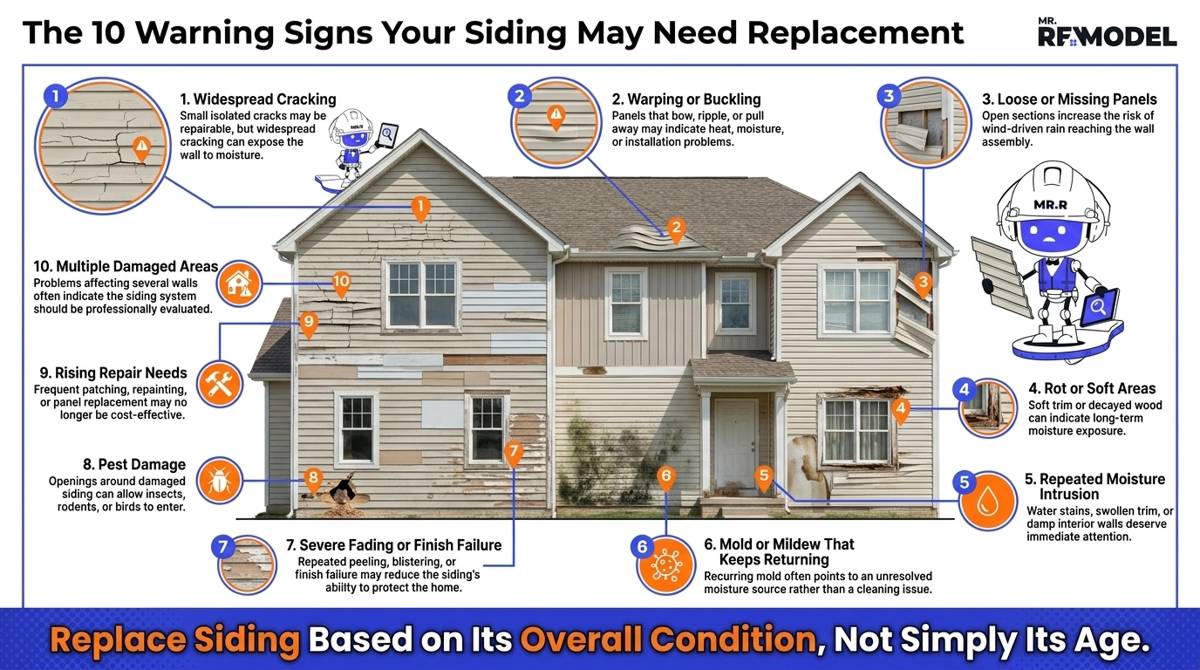
10 Signs It May Be Time for New Siding
Replacement is usually based on overall condition, not one small flaw. These signs can help you decide when to call a contractor.
1. Widespread Cracking
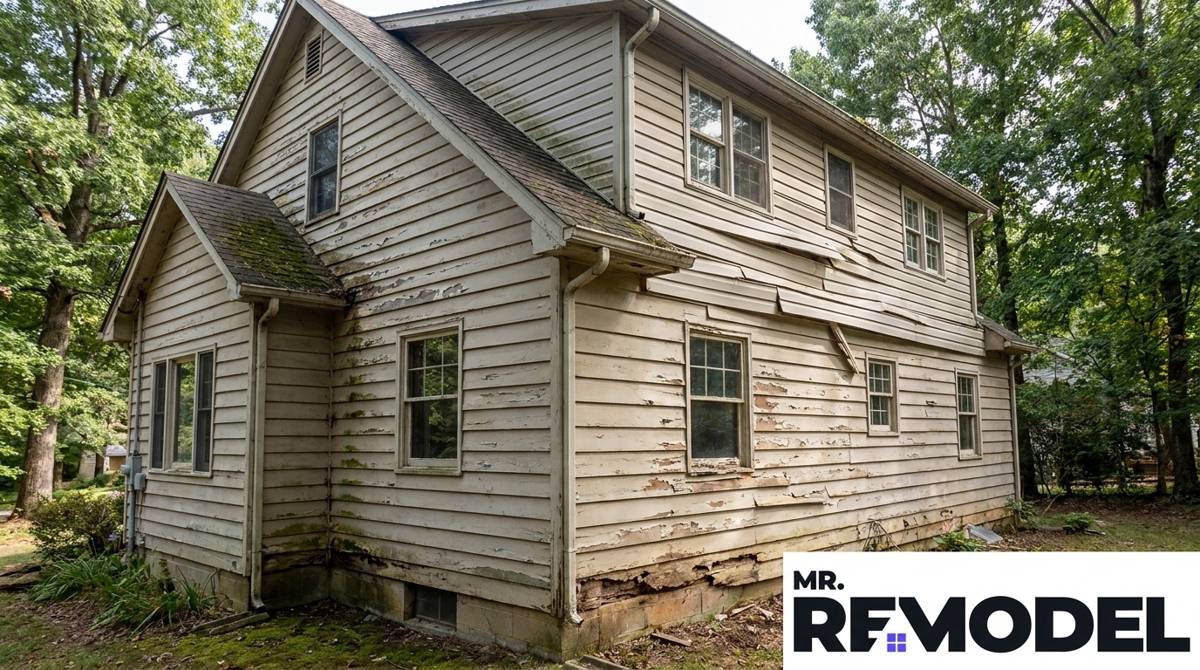
One small crack may be repairable. Cracks across multiple walls can let water behind the siding and may point to age, impact, or material failure.
2. Warping or Buckling
Warped or buckled siding may come from heat, moisture, improper fastening, or movement behind the wall. If panels are pulling away or trapping water, the issue should be inspected.
3. Loose or Missing Panels
Loose siding can expose the wall to wind-driven rain. Missing panels should be fixed quickly, especially before storms or cold weather.
4. Rot or Soft Areas
Soft wood, crumbling trim, or sections that feel spongy can indicate decay. The United States (U.S.) Forest Service’s Wood Handbook explains how moisture affects wood materials, including movement and deterioration.
5. Repeated Moisture Intrusion
Water stains, swollen trim, bubbling paint, or damp interior walls may mean water is getting behind the siding. Moisture problems should not be ignored.
6. Mold or Mildew That Keeps Returning
Surface mildew can happen in shaded or humid areas. But mold that keeps coming back may point to a moisture source that cleaning alone will not fix.
The Environmental Protection Agency (EPA) explains in its guide to mold and moisture that moisture control is central to mold control.
7. Severe Fading or Finish Failure
Fading can be cosmetic, but peeling, blistering, or repeated paint failure may mean the siding is no longer protected from weather.
If the finish keeps failing in the same area, ask a contractor to check for moisture behind the siding.
8. Pest Damage
Small openings can let insects, rodents, or birds enter. Wood siding and trim are especially vulnerable when moisture damage is present.
The siding opening and the pest issue both need to be addressed.
9. Rising Repair Needs
If repairs are becoming frequent, replacement may be more cost-effective. Repeated caulking, patching, repainting, or panel replacement can add up.
10. Multiple Damaged Areas Across the Home
A few isolated defects may be repaired. Damage across several walls often points to a larger siding problem that should be professionally evaluated.
Can You Repair It Instead?
Repair may still be appropriate when the damage is isolated, matching materials are available, and the wall behind the siding is sound.
Repair may also work after limited storm damage or a small moisture issue that has already been corrected.
However, repairs should not simply cover up hidden damage. The Building America Solution Center’s guide to flashing wall penetrations in existing homes shows why windows, doors, vents, pipes, and other openings need careful water management.
If you are unsure whether repairs are still worthwhile, you can compare fully vetted local contractors through Mr. Remodel to request a professional siding evaluation.
When Replacement Becomes the Better Investment
Replacement may make more sense when damage is widespread, repairs keep repeating, or siding is failing across multiple walls.
It may also be better when materials are brittle, discontinued, difficult to match, or no longer protecting the wall system. If there is moisture behind multiple walls, soft sheathing, extensive storm damage, or major installation defects, replacement may be the safer long-term option.
Replacement can also be a good time to improve flashing, house wrap, insulation, trim, and energy performance. The International Code Council (ICC) 2021 International Residential Code, Chapter 7: Wall Covering covers exterior wall covering requirements that help guide safe installation.
See Related: Siding Replacement Guide
What Happens During a Siding Replacement?
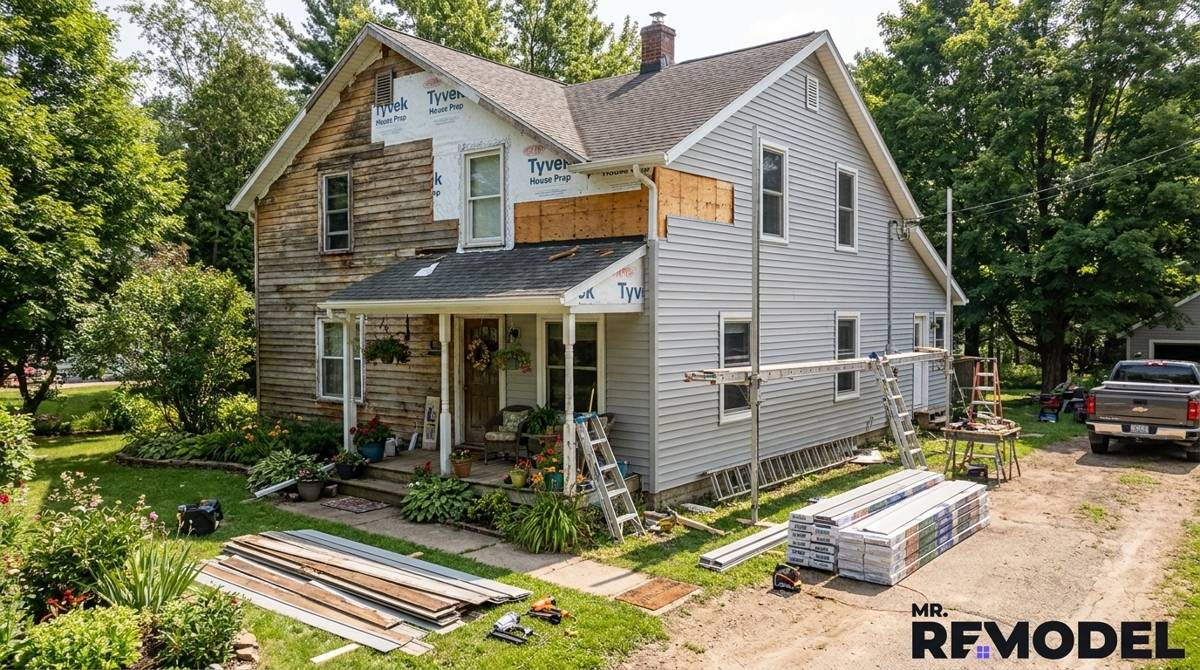
A siding replacement usually starts with an inspection and estimate. The contractor reviews the current siding, visible damage, wall condition, trim, flashing, and project scope.
Next, the old siding may be removed. This allows the contractor to check sheathing, moisture damage, insulation opportunities, and areas around windows, doors, and penetrations.
After repairs are made, the contractor installs the new siding system, trims details, checks flashing, and completes a final walkthrough. The exact process depends on the material and home condition.
How to Extend the Life of New Siding
Once new siding is installed, maintenance still matters. Inspect your siding at least once or twice a year and after major storms.
Clean siding as recommended for the material. Keep gutters clear, direct downspouts away from the walls, trim vegetation, maintain caulk, and address small damage quickly.
Do not let soil, mulch, snow, or plants sit against siding for long periods. Moisture control is one of the best ways to protect the exterior.
See Related: Siding Maintenance Guide
Frequently Asked Questions
How do I know if my siding needs to be replaced?
Your siding may need replacement if damage is widespread, repairs keep repeating, moisture is getting behind the wall, panels are loose across multiple areas, or the siding no longer protects the home reliably.
Can damaged siding be repaired instead of replaced?
Yes, isolated damage may be repairable when matching materials are available, and the wall behind the siding is sound. A contractor should inspect moisture-related or widespread damage before deciding.
How long does house siding usually last?
House siding can last for many years, but its lifespan depends on the material, installation, climate, and maintenance. Vinyl, wood, fiber cement, metal, and stucco all age differently.
Is replacing siding worth the investment?
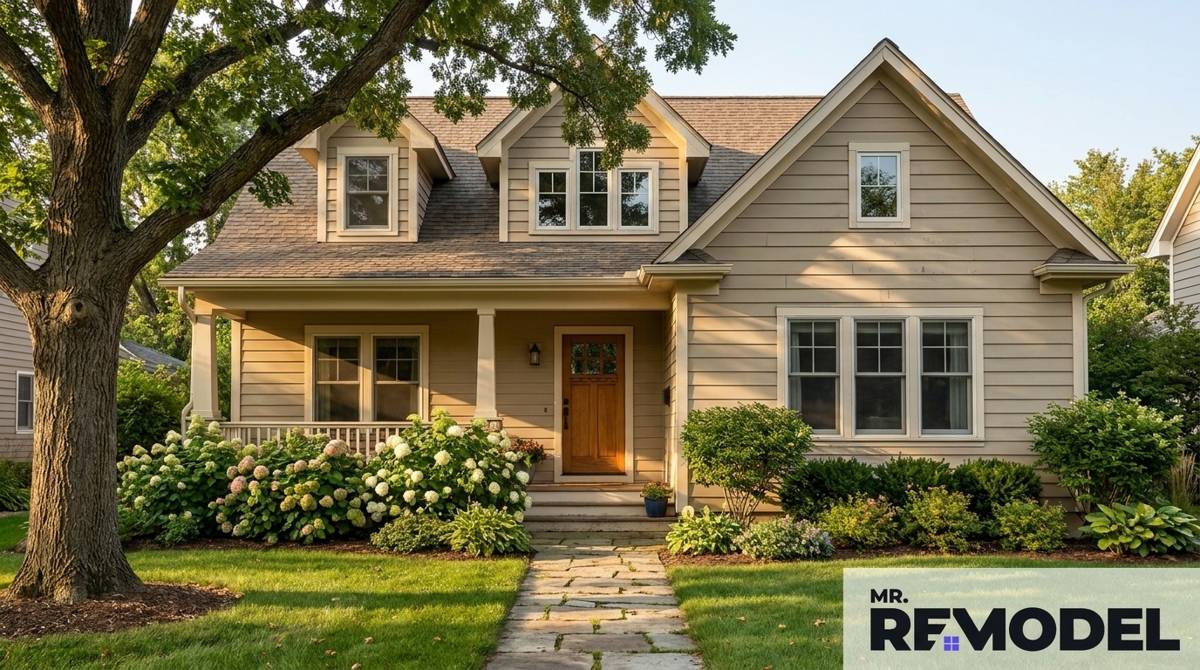
Replacing siding can be worth it when repairs are frequent, damage is widespread, moisture is present, or the exterior no longer protects the home. It can also improve curb appeal and may support future resale value.
Should I replace all my siding or only the damaged sections?
You may only need section replacement if the damage is limited and matching materials are available. Full replacement may be better when damage affects multiple walls, materials are brittle or discontinued, or moisture problems are widespread.
When to Replace Siding: Final Takeaway
Replacing siding should be based on condition, not age alone. Cracks, warping, rot, recurring moisture, loose panels, and widespread damage can all signal that repair may no longer be enough.
If problems keep returning or you are unsure how deep the damage goes, get a free quote from fully vetted local siding contractors who can compare repair and replacement options.