1-855-QUOTEMR

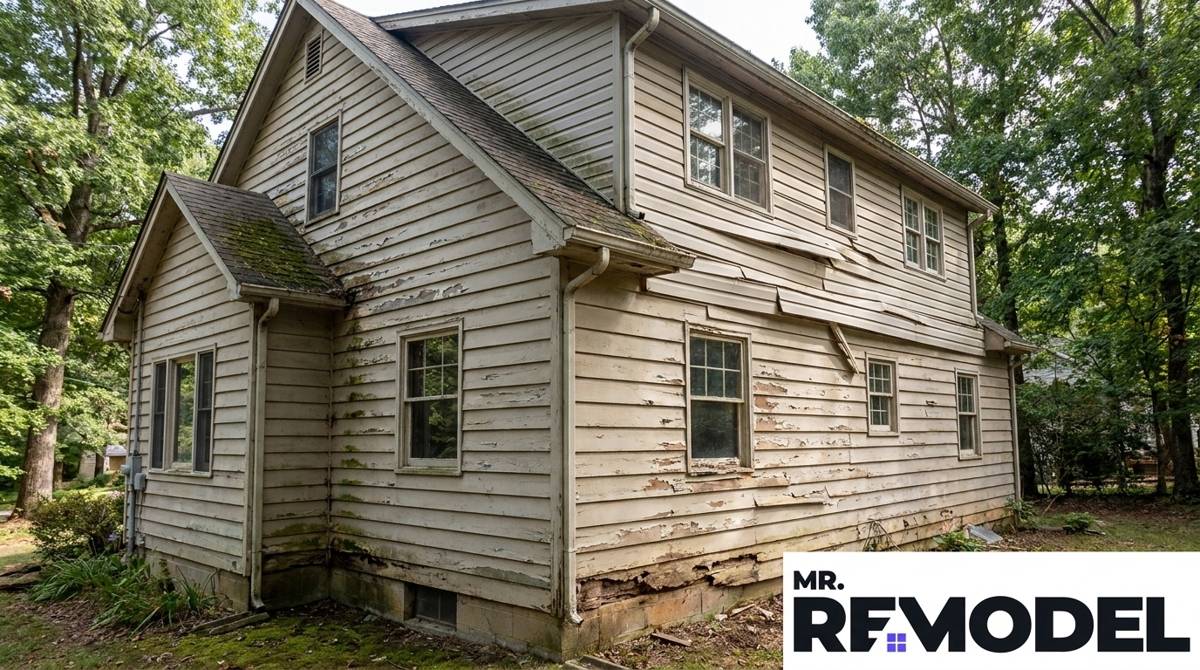
Table of Contents [hide]
Who This Is For:
Homeowners who have noticed cracked siding, warping, stains, loose panels, fading, rot, mold, pest activity, or other exterior changes and want to understand whether the issue needs cleaning, maintenance, repair, or professional replacement.
Key Takeaways:
- Moisture Deserves Quick Attention: Stains, swelling, mold, and soft materials may mean water is reaching areas it should not.
- Movement Can Signal Installation Issues: Buckled, warped, or loose siding may result from improper fastening, expansion, wind, or impact.
- Different Materials Fail Differently: Wood may rot, metal can corrode, stucco may crack, and vinyl can warp or become loose.
- Small Areas May Be Repairable: Isolated damage may not require replacing the entire exterior.
- Widespread Damage Needs Professional Evaluation: Repeated failures or hidden wall damage may make replacement more practical.
Siding problems can start small. A crack, stain, loose panel, or peeling finish may look cosmetic at first, but some issues can allow water, pests, or air leaks into the wall system.
Mr. Remodel recorded 445 siding repair inquiries, which shows that many homeowners look for help once exterior damage becomes noticeable. Repair demand is lower than installation demand, but small problems still deserve attention before they spread.
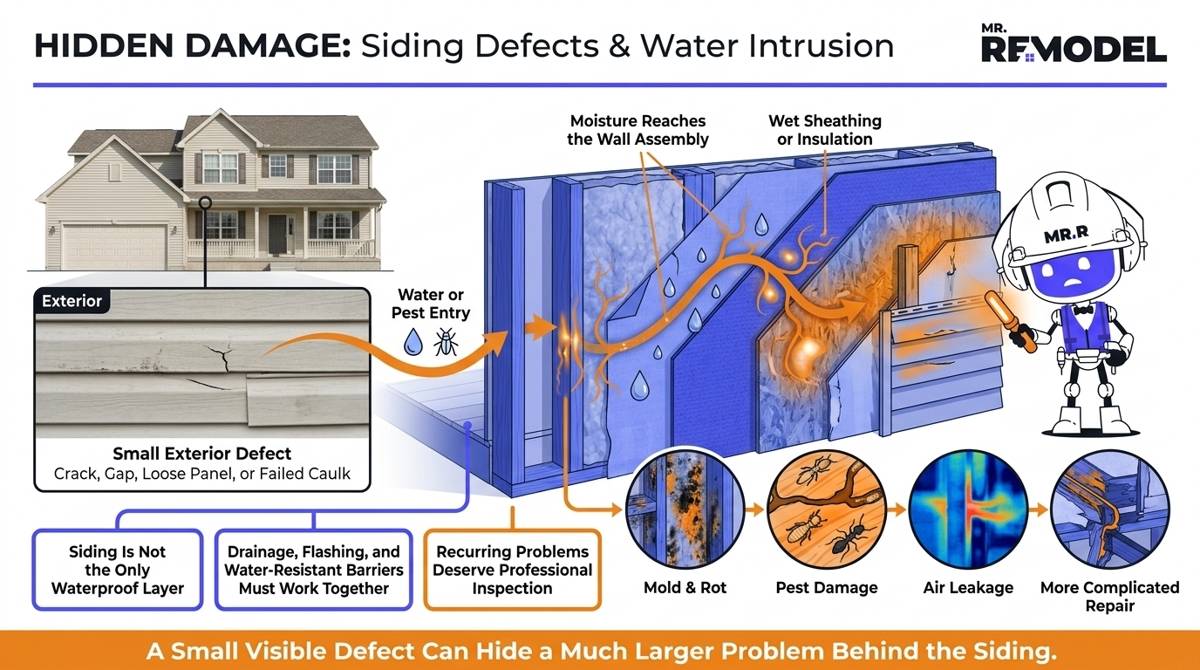
Why Siding Problems Should Not Be Ignored
Siding helps protect the wall underneath, but it is not meant to be the home’s only waterproof layer. A proper wall assembly should include drainage, flashing, and water-resistant layers that move water down and away from the structure.
The Building America Solution Center explains how a drainage plane behind exterior wall cladding helps manage water that gets behind siding.
Delaying repairs can lead to greater moisture exposure, damaged sheathing, mold growth, pest entry, and more complicated repairs. Not every visible defect means structural damage, but recurring or spreading problems should be taken seriously.
Cracks, Holes, and Impact Damage
Cracks and holes can come from hail, flying debris, lawn equipment, temperature changes, age, accidental impact, or incorrect fastening.
Small, isolated defects may be repairable if the surrounding siding and wall system are still sound. Numerous cracks, repeated impact damage, or cracks near windows and doors may need a closer inspection.
The Building America Solution Center’s guide to moisture-, impact-, fire-, and pest-resistant exterior siding explains why siding should be selected and installed for hazards such as moisture, pests, fire, and impact.
Warped, Buckled, or Wavy Siding
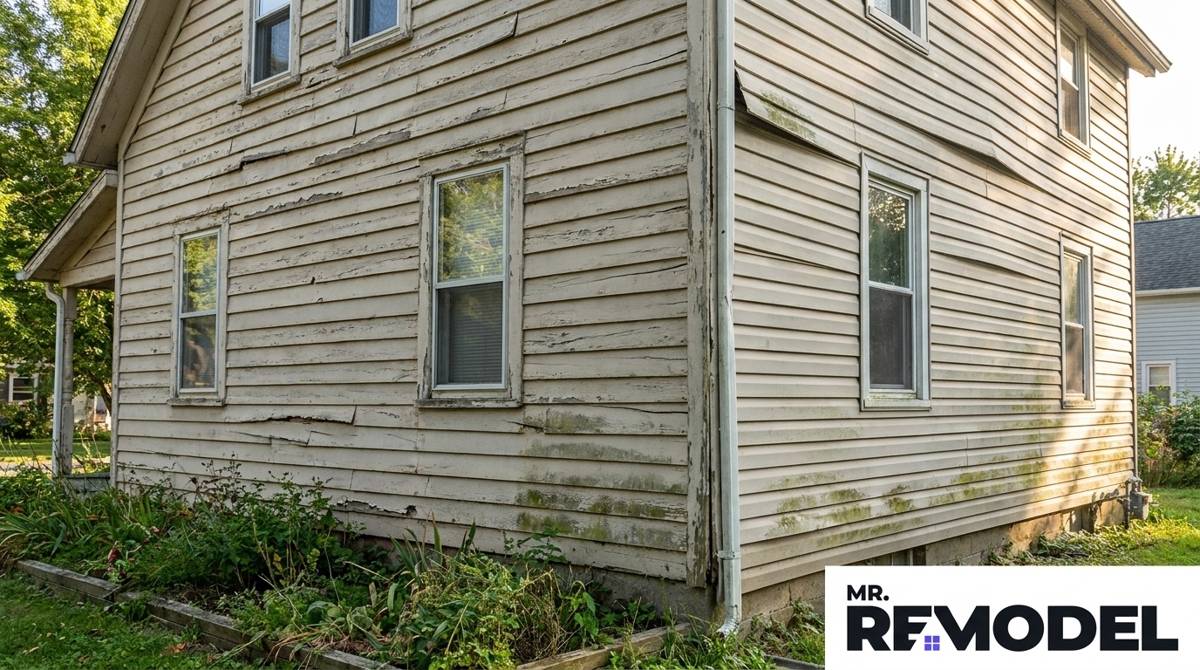
Warped or wavy siding may be caused by heat exposure, moisture beneath the siding, deteriorated sheathing, panels fastened too tightly, or siding installed without enough room for expansion.
A little cosmetic waviness is different from panels pulling away from the wall or trapping moisture. Homeowners should avoid diagnosing the exact cause by appearance alone.
If warping is spreading or appears after storms, heat exposure, or water damage, a contractor should check whether the problem is limited to the siding or connected to the wall behind it.
Loose or Missing Panels
Loose or missing panels can result from high winds, failed fasteners, poor installation, impact, or aging attachment systems.
This problem should be addressed promptly because open sections can expose the wall assembly to wind-driven rain. Even if the siding looks mostly intact, water can enter through gaps and weak points.
If matching panels are available and the wall behind the siding is sound, repair may be possible.
Moisture Stains, Mold, and Mildew
Not every dark stain means hidden wall damage. Some mildew or algae may grow on the surface, especially in shaded, damp, or humid areas.
Still, recurring stains deserve attention. The United States Environmental Protection Agency (EPA) explains in its brief guide to mold, moisture, and your home that moisture control is central to mold control.
Warning signs include discoloration below windows, musty indoor odors, swollen trim, soft wall sections, peeling interior paint, or mold that returns after cleaning. Homeowners should not open walls or disturb extensive suspected mold without appropriate professional guidance.
Rot and Soft Wood
Rot usually affects wood siding, wood trim, or wood components behind other siding materials. It can happen when paint fails, gutters leak, flashing is damaged, vegetation traps moisture, or siding sits too close to soil.
The United States Department of Agriculture (USDA) Forest Products Laboratory explains in the Wood Handbook, Chapter 13, that exterior wood moisture is affected by humidity, rain, sun, and drying conditions.
Softwood should not be covered with paint or caulk as a permanent fix. Decayed material needs to be repaired or replaced, and the source of moisture should be corrected.
Fading, Peeling, and Finish Failure
Fading may be mostly cosmetic, especially on older siding. Peeling, bubbling, or repeated coating failure can be more serious.
Common causes include ultraviolet exposure, age, moisture, poor surface preparation, incompatible coatings, or normal weathering.
If paint or finish failure keeps returning in the same area, the siding may have a moisture problem that cleaning or repainting alone will not fix.
Rust, Corrosion, and Stucco Cracks
Metal siding, fasteners, trim, and accessories can corrode when coatings are scratched, moisture sits on the surface, incompatible metals touch, or coastal salt exposure is present.
Small surface corrosion may be treatable. Spreading rust, perforation, or corroded fasteners can weaken the exterior system.
Stucco problems can include small surface cracks, widening cracks, crumbling areas, bulging sections, hollow spots, and stains near openings. Cracks around windows, doors, and wall penetrations deserve attention because these areas are important water-management transitions.
Pest Damage and Entry Points
Pests can enter through gaps around utility penetrations, loose panels, damaged trim, vents, or open seams. Insects may also damage wood siding or wood components.
Birds may nest behind loose panels, and rodents can enlarge small openings. The pest issue and the siding opening both need to be addressed.
Some siding damage is limited to a few panels, while other problems extend behind the exterior surface. Homeowners can compare fully vetted local contractors through Mr. Remodel to request a professional evaluation.
Can the Problem Be Repaired?
Repair may be reasonable when damage is limited to a small area, matching materials are available, the water source has been corrected, and the underlying sheathing remains sound.
Repair may also work when the siding is otherwise in good condition, and panels can be removed without damaging surrounding sections.
No homeowner should assume a problem is repairable without an inspection, especially if moisture, rot, or repeated staining is involved.
When Replacement May Be More Practical
Replacement may be more practical when damage is widespread, repairs keep repeating, materials are brittle or unavailable, or siding is failing across multiple walls.
It may also be needed when there is extensive rot, corrosion, water damage, major installation defects, or damage involving the underlying wall assembly.
Installation accounted for 92% of tracked siding inquiries, while repair accounted for 8%. This shows stronger demand for larger siding work, but repair can still be the right step when damage is isolated.
See Related: Siding Replacement Guide
How to Check Your Siding Safely
Inspect siding from the ground in daylight. Walk around the home slowly and look below windows, near roof intersections, around vents, and around pipes or utility penetrations.
Take photos of changes so you can compare them over time. Check gutters, downspouts, soil clearance, plants touching the siding, and areas where stains keep returning.
The Building America Solution Center explains that flashing at wall penetrations helps direct rainwater away from sheathing. Do not climb, remove panels, or open walls without proper training.
See Related: Siding Maintenance Guide
Common Mistakes to Avoid
Do not paint over rot or active moisture. Do not keep cleaning mold without fixing the water source.
Do not seal intentional drainage openings. Do not fasten loose siding incorrectly or use replacement materials that do not match the existing system.
Also, avoid assuming every crack is cosmetic. If damage appears after a storm, spreads across multiple areas, or keeps returning, schedule a professional inspection.
Frequently Asked Questions
What are the first signs of siding damage?
The first signs often include cracks, loose panels, warping, stains, soft spots, peeling finishes, or recurring mold. These symptoms do not always reveal the full extent of damage, so spreading or repeated issues should be inspected.
Can damaged siding be repaired without replacing it?
Yes, isolated siding damage may be repairable when the surrounding siding and underlying wall remain sound. Repairs are more likely when matching materials are available, and the moisture source has been corrected.
What causes siding to warp or buckle?
Warping or buckling may be caused by heat, moisture, restricted expansion, overdriven fasteners, or installation issues. A contractor may need to inspect the siding to determine whether the cause is cosmetic or connected to hidden moisture.
Does mold on siding mean there is water damage?
Not always. Mold or mildew may be surface growth, especially in shaded or humid areas. However, recurring mold, stains below windows, or musty indoor odors should prompt investigation of the moisture source.
Common Siding Problems: Final Takeaway
Siding problems can range from simple fading to moisture-related wall damage. Homeowners should document changes, inspect after storms, and address recurring or spreading defects before they become harder to repair.
If the damage is significant or uncertain, get a free quote from fully vetted local siding contractors who can evaluate whether repair or replacement makes more sense.