1-855-QUOTEMR

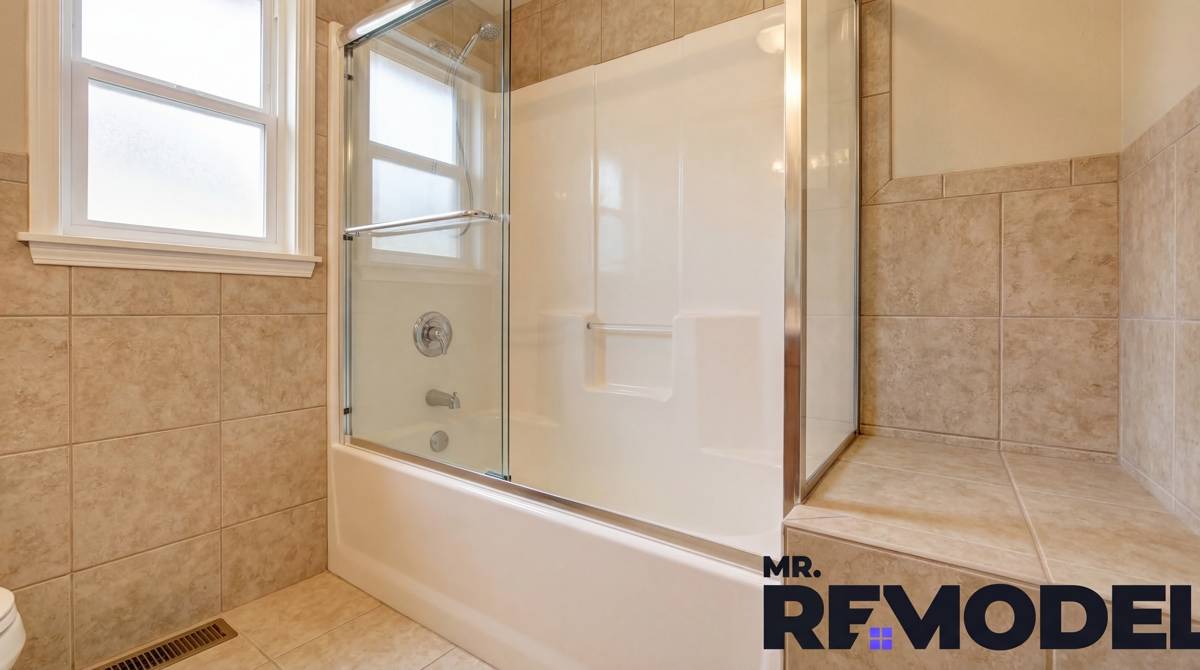
Table of Contents [hide]
Who This Is For
This guide is for homeowners planning a bathroom renovation who are torn between the classic aesthetic of tile and the modern efficiency of acrylic. It provides data-backed insights to help you choose the best material for your budget and lifestyle.
Key Takeaways
- Maintenance: Acrylic is non-porous and resistant to mold, whereas tile requires regular grout sealing to prevent moisture intrusion.
- Installation: Acrylic systems offer 1-day installation timelines, whereas tile projects often take 3 to 5 days due to curing times.
- Cost: While tile has a lower material entry point, the labor-intensive process often makes high-end acrylic a more cost-effective long-term investment.
- Durability: Acrylic eliminates the risk of cracked grout lines, which are a primary cause of behind-the-wall water damage.
Choosing the right shower wall material is one of the most critical decisions in a bathroom remodel. According to the EPA, uncontrolled moisture in bathrooms is a leading cause of mold growth and structural decay in American homes.
Whether you prioritize the artisanal look of ceramic or the seamless protection of acrylic, your choice impacts your home's value and your weekly cleaning routine. This guide breaks down the data to help you decide.
Understanding the Material Difference
The debate between tile and acrylic isn't just about looks; it is about how the material handles water. Tile is a traditional choice made up of individual pieces of ceramic, porcelain, or stone.
Acrylic is a high-tech thermoplastic. Modern acrylic systems are often reinforced with fiberglass for added rigidity. These panels are engineered to be completely waterproof and are often manufactured to mimic the appearance of natural stone.
The Porosity Factor
Tile itself is often water-resistant, but the grout between the tiles is porous. Over time, moisture can seep through grout lines. The U.S. Department of Energy notes that non-porous surfaces, such as acrylic, provide a superior moisture barrier.
This barrier prevents air leaks and protects the wooden studs behind your shower. In high-humidity regions, a seamless surface significantly reduces the risk of "ghosting" or hidden mold colonies.
Cost Comparison: Initial vs. Long-Term
When looking at the price tag, it is easy to focus only on the materials. However, labor is the primary driver of bathroom renovation costs.
Real-World Investment Data
Based on 2025 project data from Mr. Remodel, the average cost for a professional shower upgrade is $15,794.85. For more complex bathtub-to-shower conversions, the average investment rises to $18,310.52.
Why Acrylic Often Wins on Value
While you can find cheap tile, the labor required to waterproof the walls, set the tiles, and grout the joints is extensive. High-end acrylic systems represent a "sweet spot" in the market.
They provide the look of premium stone without the $20k+ price tag associated with custom masonry. For those investing $18k in a conversion, the seamless nature of acrylic protects that investment from future leaks.
If this is enough for you to consider a bathroom remodeling project, Mr. Remodel offers free quotes from top-rated local contractors to help you budget accurately.
Durability and Lifespan
A common misconception is that acrylic feels flimsy. In reality, modern acrylic is designed for longevity. The National Kitchen & Bath Association highlights that seamless surfaces are a hallmark of Universal Design.
The Weak Point of Tile
The lifespan of a tile shower is usually limited by its grout. As a house settles, grout can crack. Even hairline fractures allow water to reach the backer board.
If the waterproofing layer behind the tile was not installed perfectly, these cracks lead to rot. Acrylic panels move slightly with your home's natural shifts, preventing the structural failures common in older tile showers.
Hygiene and Health
Mold and mildew thrive in the tiny crevices of grout. University Extension Programs research indicates that smooth, non-porous surfaces are significantly easier to sanitize.
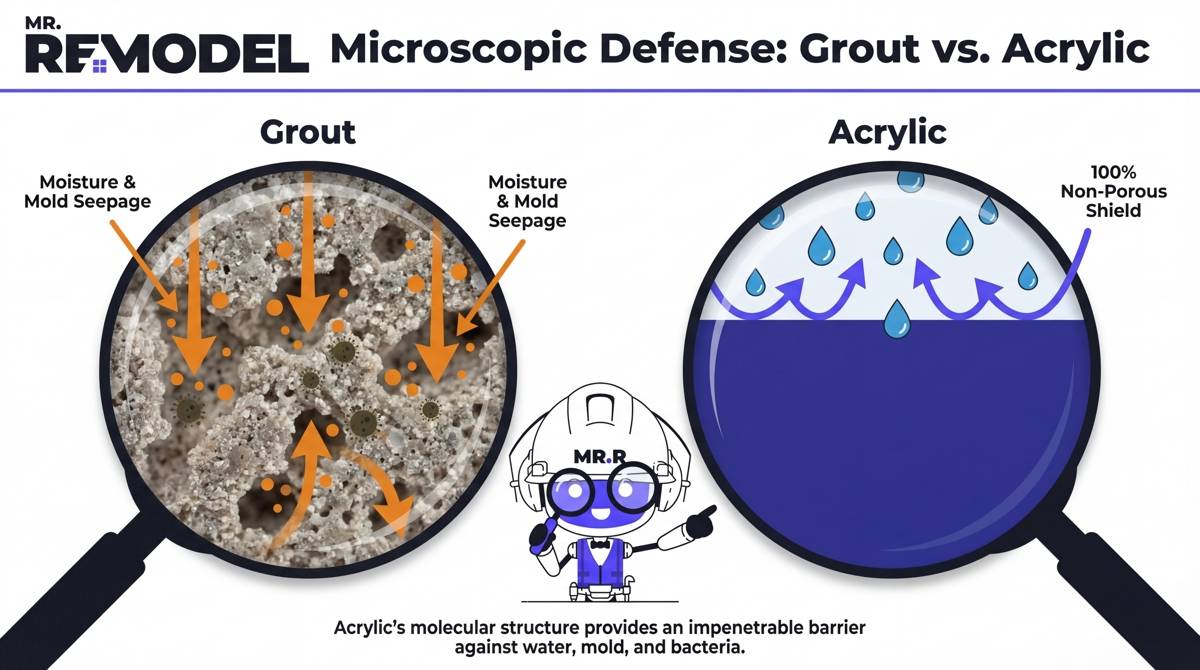
For families with respiratory sensitivities, acrylic is the safer choice. It requires only mild soap and water to clean, eliminating the need for harsh chemical bleaches often required to scrub tile.
Installation Timelines
Time is a hidden cost of remodeling. A tile installation is a multi-step process. The contractor must install a moisture barrier, cement board, thin-set, tile, and finally grout.
Each layer needs time to dry or cure. This often leaves your primary bathroom out of commission for a week or more.
Acrylic systems are typically pre-measured and cut to fit your space. Because they arrive in large panels, they can be installed and sealed in a fraction of the time. Many Mr. Remodel partners specialize in completions that take less than 48 hours.
Aesthetics and Customization
Tile remains the king of customization. You can mix colors, patterns, and textures to create a one-of-a-kind mosaic. If you want a specific "Pinterest" look, tile is your best bet.
However, acrylic has closed the aesthetic gap. High-definition printing allows acrylic to look like:
- Carrara Marble
- Travertine
- Subway Tile (with faux grout lines)
- Slate
You get the visual appeal of these materials without the downsides of porosity.
Frequently Asked Questions
Does an acrylic shower devalue my home?
No. In fact, many buyers prefer the low-maintenance nature of modern acrylic. While high-end custom tile is beautiful, a poorly maintained tile shower with stained grout can actually decrease appraisal value.
Can I install tile over an existing acrylic unit?
This is not recommended. Tile requires a rigid, stable backer board, such as cement or Denshield. Installing it over acrylic will lead to adhesion failure and eventual cracking.
How do I clean acrylic shower walls?
Avoid abrasive cleaners or scouring pads. A simple solution of vinegar and water or a mild dish soap is usually sufficient. This keeps the surface shiny and prevents micro-scratches.
Why do some quotes for acrylic seem so high?
Quality matters. Standard thin acrylic liners are inexpensive, but professional systems used by contractors, such as those found with Mr. Remodel, are thick, reinforced, and include advanced waterproofing technology that justifies the investment.
How long does a typical shower remodel take with a vetted bathroom contractor?
While tile can take a week, many of our featured contractors can complete a full bathtub-to-shower conversion in as little as one to two days using high-quality acrylic systems.
Making the Right Choice For Your Bathroom Remodel
Choosing between tile and acrylic depends on your priorities. If you want a completely bespoke, artistic space and don't mind the maintenance, tile is a classic choice. However, if you value hygiene, speed of installation, and long-term moisture protection, acrylic is the superior modern solution.
Data shows that for the average Mr. Remodel customer, spending approximately $16,248.91, the peace of mind offered by a seamless, waterproof system is often the deciding factor.
Ready to transform your bathroom? Don't guess when it comes to your remodeling budget. Mr. Remodel connects you with the best local contractors in your area to provide free, no-obligation quotes. Whether you choose timeless tile or modern acrylic, we help you find the right pro for the job.