1-855-QUOTEMR

Table of Contents [hide]
Who This Is For
This guide helps Denver homeowners in neighborhoods like Westwood and Green Valley Ranch who need durable windows. It is designed for those researching the specific technical requirements for high-altitude glass. It also assists homeowners planning basement renovations who need to understand local egress codes and permit rules.
Key Takeaways
- Altitude Science: Windows installed in Denver require capillary tubes to equalize pressure and prevent seal failure or glass implosion.
- Project Size: The median project size in Denver is 7 windows. This typically covers a full main floor or a basement finish.
- Egress Codes: Basement bedrooms must have windows with a clear opening of at least 5.7 square feet to meet Denver safety codes.
- Energy Standards: The 2025 Colorado Energy Code requires a U-Factor of 0.30 or lower for optimal thermal performance.
Finding reliable window installation contractors in Denver requires more than comparing prices. It requires understanding physics. Our city sits exactly one mile above sea level. This altitude creates unique atmospheric pressures that can destroy standard windows designed for lower elevations.
Many national companies sell generic products that work fine in Kansas or Ohio. However, they often fail here. Mr. Remodel data shows that 51% of Denver homeowners are planners who spend time researching quality before buying. You are smart to do so.
Buying the wrong window can lead to imploded glass and broken seals within a few years. You need a contractor who understands capillary tubes and local energy codes. You also need someone who knows the specific egress requirements for older neighborhoods.
The Altitude Problem: Why Standard Windows Fail
The most critical factor for Denver windows is air pressure. Windows are typically manufactured and sealed at facilities near sea level. The air trapped between the panes is sealed at a lower atmospheric pressure.
When that window is shipped up to Denver at 5,280 feet, the atmospheric pressure outside the window drops. The higher pressure inside the glass unit pushes outward. Without relief, this pressure differential causes the glass to bow outward. Eventually the seal breaks or the glass shatters.

The Solution: Capillary Tubes
To prevent this catastrophe, you must install windows equipped with capillary tubes. These are often called breather tubes.
According to technical briefs from Cardinal Glass Industries, these small metal tubes allow the air pressure inside the glass unit to equalize with the outside atmosphere during transport and installation. Once the window acclimates to the elevation, the pressure is balanced.
If a contractor tries to sell you a window without discussing altitude specifics or capillary tubes, you should look elsewhere. They are likely selling a product that is destined to fail.
The 7-Window Project: Whole Floor Upgrades
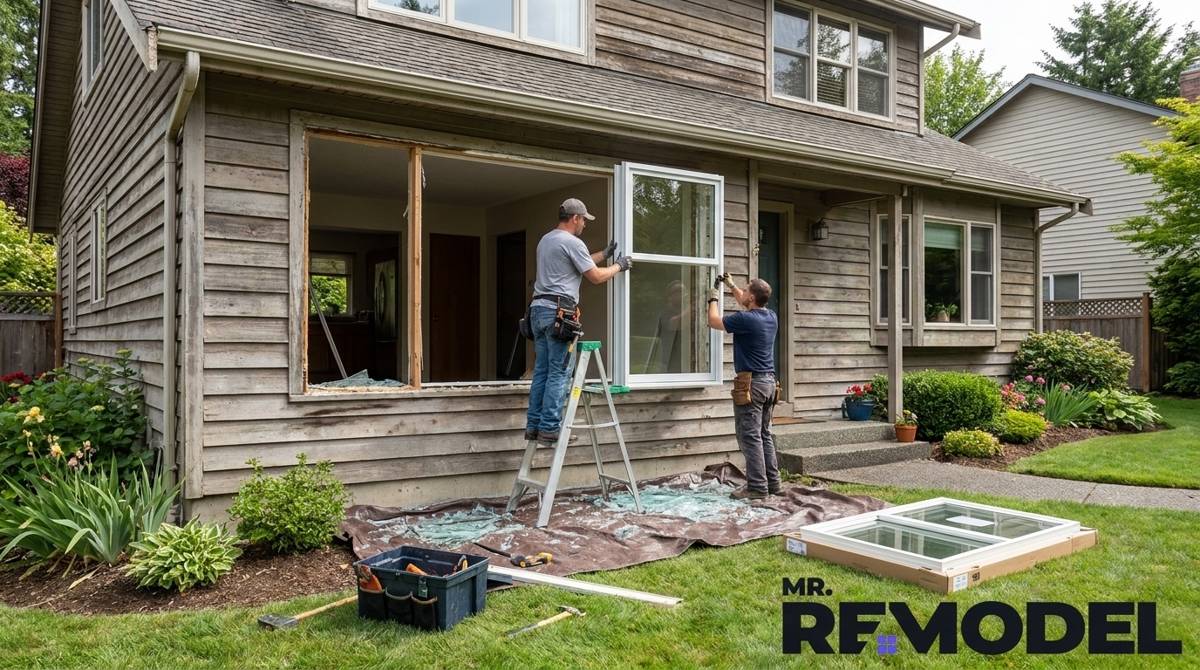
In many cities, homeowners replace just one or two windows at a time. Denver is different. Data from Mr. Remodel indicates that the median project size here is seven windows. This suggests that residents are upgrading entire floors or finishing basements rather than doing spot repairs.
Neighborhood Specific Needs
Different zip codes in Denver have distinct architectural challenges.
Westwood (80219): Basement Egress Conversions
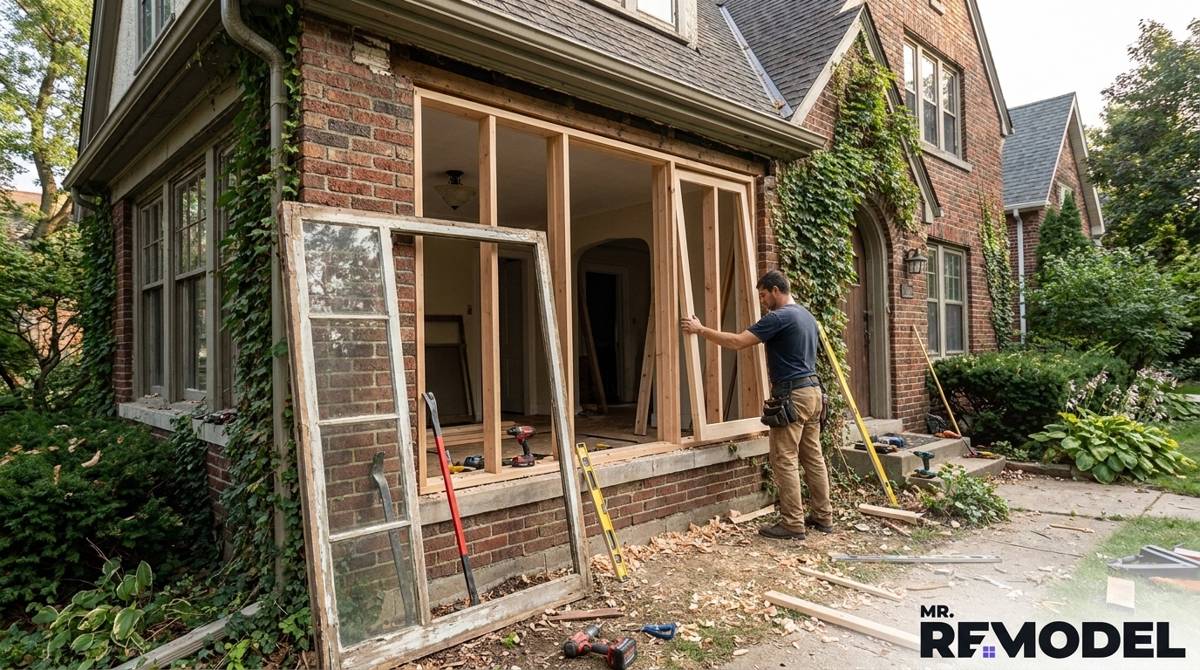
This area is full of classic brick ranch homes. Many homeowners are renovating basements to add legal bedrooms. The biggest hurdle is the window size. Older basement windows are often too small for an adult to escape through during a fire. Expanding these openings to meet code is a common request for the seven-window project.
Green Valley Ranch (80249): Battling UV Damage
Homes here were largely built in the 1990s and 2000s using builder-grade vinyl. The high altitude sun in Colorado delivers intense UV radiation. This causes cheap vinyl to yellow, crack, and warp. Homeowners here typically replace all windows on the sun-exposed sides of the house with high-performance composite or fiberglass that can withstand the UV barrage.
Understanding Denver Egress Codes
Safety is the primary driver for many window projects in Denver. This is especially true for basement finishes. The City and County of Denver has strict rules for what constitutes a legal escape route.
The 5.7 Square Foot Rule
For a basement room to be considered a legal bedroom, it must have an egress window. The specific dimensions are non-negotiable.
- Minimum Clear Opening Width: 20 inches
- Minimum Clear Opening Height: 24 inches
- Minimum Total Clear Opening: 5.7 square feet
- Sill Height: No higher than 44 inches from the floor
Cutting a foundation to install a larger window adds value to your home. It creates a legal bedroom, which increases resale potential. However, it requires a contractor who can handle concrete cutting and structural headers.
Energy Efficiency and the 2025 Code
The climate in Denver swings from scorching summers to freezing winters. Your windows are your primary defense against these extremes.
U-Factor Requirements
The state is moving toward stricter efficiency standards. The Colorado Energy Office guidelines for 2025 emphasize a lower U-Factor. The U-Factor measures how well a window prevents heat from escaping.
For optimal performance in our climate zone, you should look for a U-Factor of 0.30 or lower. Many older windows or lower-quality new windows only rate a 0.32 or 0.35. These let significantly more heat escape during our cold winter nights.
Permitting and Expediting
There is a misconception that you do not need a permit if you are just replacing a window size for size. In Denver, this is false.
According to Denver Permitting Guides, all window replacements require a permit. The city needs to verify that the new windows meet current energy codes and safety glazing rules.
The Speed Factor
Our data shows that 43% of homeowners want their project to start in under seven days. Waiting on the city can be frustrating. Experienced local contractors understand the online permitting system and can often expedite the paperwork.
Mr. Remodel connects you with professionals who handle the permit submission for you so your project stays on schedule.
Financing Your Efficiency Upgrade
Replacing seven or more windows is a significant investment. Fortunately, Colorado offers excellent financial tools to help homeowners upgrade their efficiency.
Colorado RENU Loan
The Colorado Residential Energy Upgrade (RENU) Loan is a statewide program partnered with local credit unions. It offers low-interest financing specifically for energy efficiency projects like window replacements. The loan stays with the property rather than the individual in some cases, which offers flexibility.
Federal Tax Credits
Under the 25C tax credit program, homeowners can claim 30% of the project cost up to $600 per year for windows that meet Energy Star Most Efficient criteria.
Frequently Asked Questions
Do I really need capillary tubes for my windows in Denver?
Yes. If you install a window sealed at sea level without a capillary tube at 5,280 feet, the pressure difference can cause the seal to fail or the glass to shatter. This is a non-negotiable requirement for durability at our altitude.
What is the difference between a U-Factor and SHGC?
The U-Factor measures how well the window keeps heat inside your home during winter. A lower number, like 0.30, is better. SHGC measures how much solar heat comes in. In Denver, you want a balance to block summer heat but perhaps allow some winter sun.
Does replacing basement windows require a permit?
Yes. All window replacements in Denver require a permit. This is critical for basement windows to ensure they meet egress codes for fire safety. Mr. Remodel helps you find contractors who manage this compliance process.
Choose the Right Window Contractor with Mr. Remodel
Your home in Denver faces challenges that homes in other cities do not. You deal with high altitude pressure, intense UV radiation, and strict energy codes. You cannot afford to choose a contractor who treats a project in Westwood the same as a project in a sea-level city.
Whether you are converting a basement in 80219 or replacing sun-damaged vinyl in 80249, you need a specialist. You need altitude-proof glass and a team that understands local permit rules.
Ready to start your 7-window upgrade? Let Mr. Remodel connect you with local experts who understand the science of high-altitude window installation.