1-855-QUOTEMR

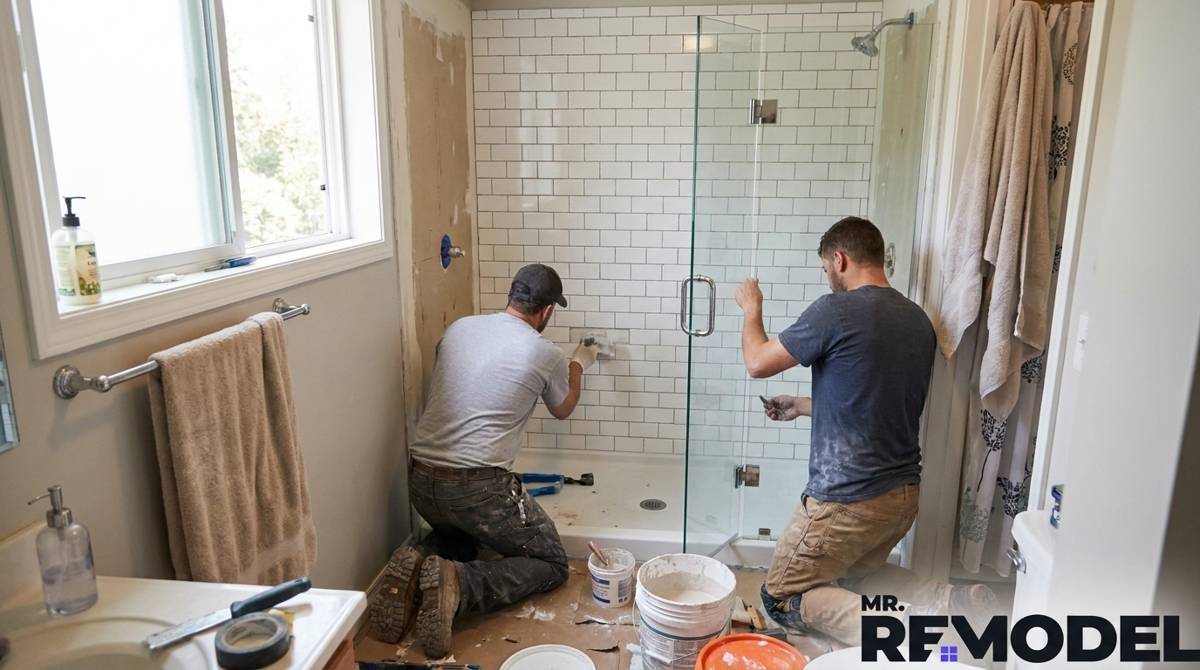
Table of Contents [hide]
Who This Is For
This is for homeowners removing an unused tub, planning an aging-in-place bathroom remodel, improving accessibility, modernizing an older bathroom, or comparing bathroom contractors for a tub-to-shower conversion.
Key Takeaways:
- High Demand: Tub-to-shower conversions generated 4,586 homeowner inquiries.
- Shower-Focused Trend: Demand for shower upgrades is stronger than for bathtub upgrades.
- Cost Varies: Plumbing, waterproofing, tile, doors, and accessibility features affect pricing.
- Contractor Skill Matters: Waterproofing and plumbing quality are critical.
- Quote Details Help: A clear scope can prevent surprise costs.
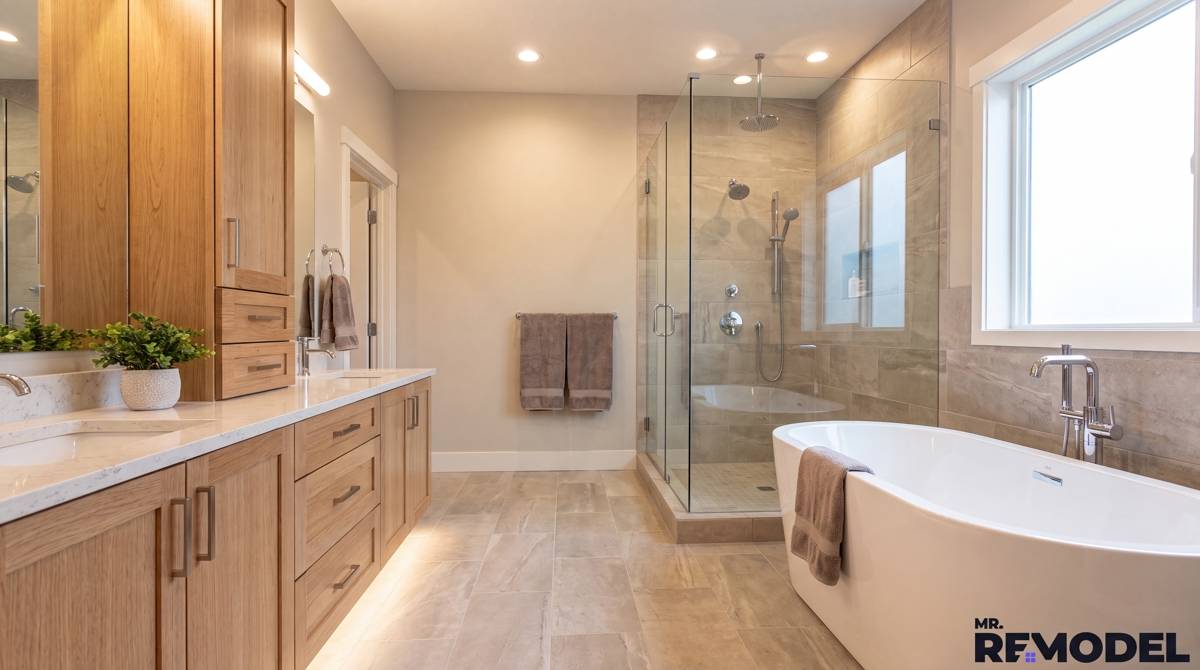
An unused bathtub can take up valuable space in a bathroom where a shower would work better. Tub-to-shower conversion contractors help homeowners remove an old tub and replace it with a more practical shower, but the project needs careful planning.
A good conversion is not just about swapping fixtures. It may involve demolition, plumbing changes, waterproofing, wall systems, flooring transitions, permits, and finish work.
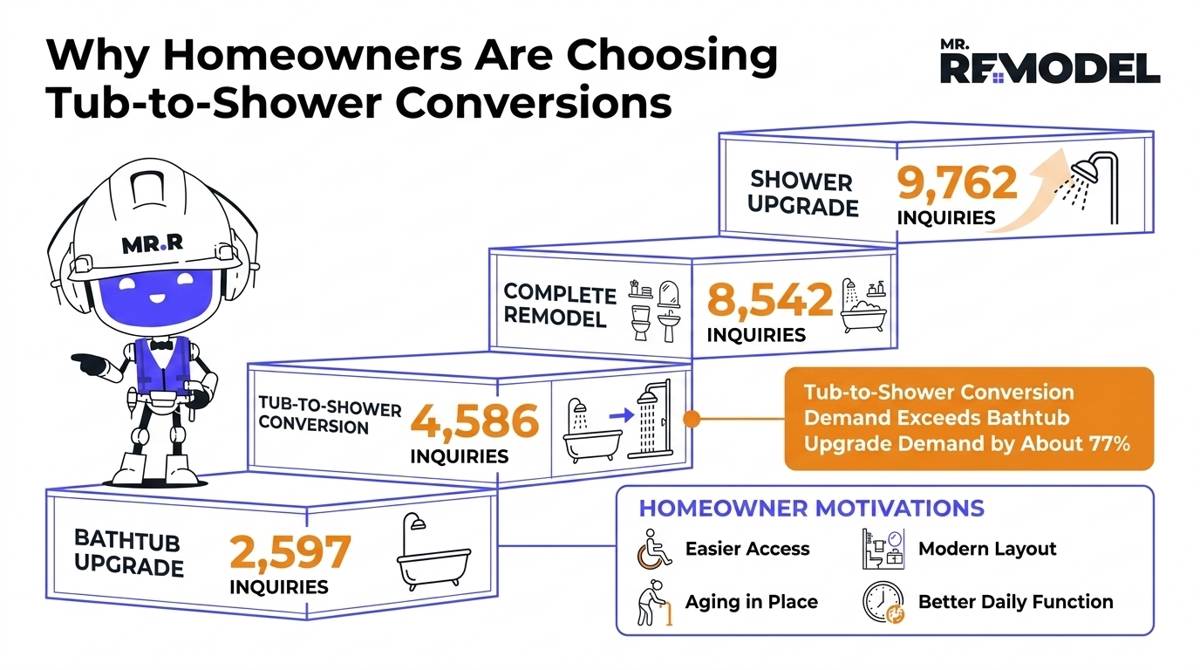
Why More Homeowners Are Choosing Tub-to-Shower Conversions
Many homeowners choose a tub-to-shower conversion because they want easier access, a more modern layout, or a bathroom that better fits daily routines. For some, the goal is aging in place. For others, the bathtub simply does not get used.
Mr. Remodel bathroom inquiry data shows strong demand for shower-focused projects. Shower upgrade generated 9,762 inquiries, complete remodel generated 8,542 inquiries, bathtub to shower generated 4,586 inquiries, and bathtub upgrade generated 2,597 inquiries.
That means tub-to-shower conversion demand exceeds bathtub upgrade demand by about 77%. It also shows that many homeowners are prioritizing showers over traditional tub upgrades.
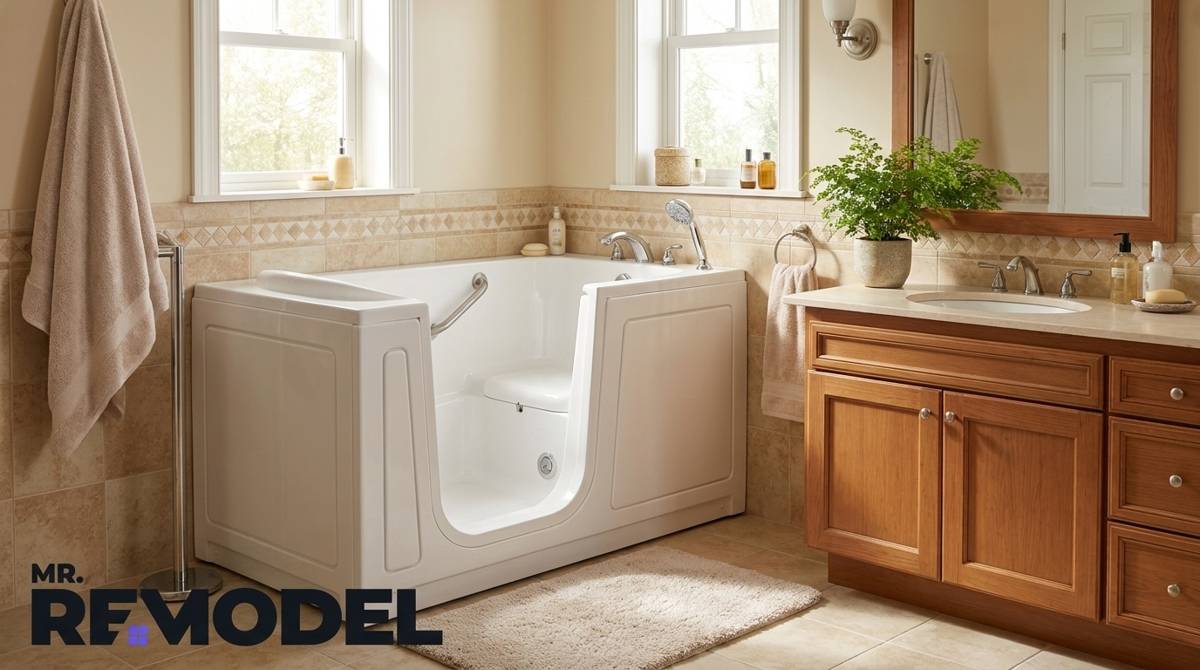
Accessibility is another major reason. The National Institute on Aging notes that many older adults want to age in place, but may need to think carefully about home safety and daily activities. A lower-entry shower can be part of that planning.
What Does a Tub-to-Shower Conversion Contractor Actually Do?
A tub-to-shower conversion contractor removes the existing bathtub and builds a shower in its place. The exact scope depends on your bathroom, plumbing layout, materials, and design goals.
Tub Removal
The contractor removes the old tub, surrounding wall material, fixtures, and any damaged backing materials. This step may reveal hidden issues like water damage, mold concerns, or weak subflooring.
Plumbing Modifications
Some conversions can use the existing drain location. Others may need drain relocation, valve changes, showerhead adjustments, or updated plumbing lines.
Plumbing changes can affect both cost and timeline.
Waterproofing
Waterproofing is one of the most important parts of the project. A shower handles direct water exposure every day, so the walls, corners, seams, and base must be protected correctly.
Skipping proper waterproofing can lead to expensive damage later.
Shower Installation
The contractor installs the shower base, walls, tile, panels, fixtures, niche, bench, grab bars, or other features included in the design.
The final system should be both functional and easy to maintain.
Glass Doors and Finishing Work
Some homeowners choose a curtain rod, while others prefer sliding glass doors, hinged doors, or frameless glass. Finish work may also include trim, caulk, paint, and flooring transitions.
Average Tub-to-Shower Conversion Cost
Tub-to-shower conversion costs vary based on materials, plumbing, waterproofing, accessibility features, and how much hidden repair work is needed.
Industry-standard planning ranges include:
Costs vary based on plumbing modifications, tile selection, shower door type, waterproofing system, drain relocation, accessibility features, custom niches, benches, and structural repairs.
See Related: Average Bathroom Remodel Cost
Tub-to-Shower Conversion vs Shower Upgrade
A tub-to-shower conversion removes the bathtub and replaces it with a shower. A shower upgrade improves an existing shower without removing a tub.
|
|
|---|
Mr. Remodel data shows 4,586 bathtub-to-shower conversion inquiries and 9,762 shower upgrade inquiries. Shower upgrades are more common overall, but conversions are a major category for homeowners who want to change how the bathroom functions.
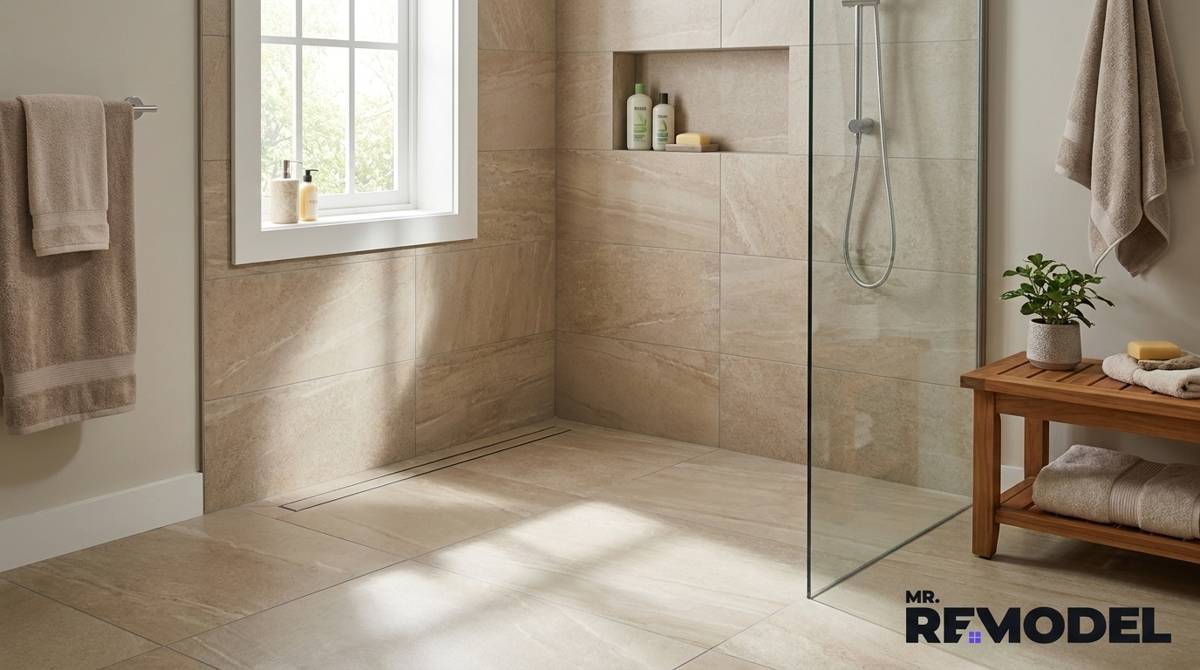
A shower upgrade may be enough if your home already has a shower. A tub-to-shower conversion makes more sense when the tub is unused, hard to step into, or taking up space better suited for a walk-in shower.
Ready to compare contractors for your bathroom project? Get a free quote from fully vetted local contractors.
How to Choose the Right Tub-to-Shower Conversion Contractor
The right contractor should have bathroom remodeling experience, not just general handyman experience. Tub-to-shower conversions involve water, plumbing, tile or wall systems, and long-term moisture control.
Bathroom Remodeling Experience
Ask how many tub-to-shower conversions the contractor has completed. A contractor who understands demolition, drain placement, waterproofing, and shower installation can help avoid common problems.
See Related: How to Find the Right Bathroom Remodel Contractor
Licensing Requirements
Licensing rules vary by state and local area. Ask whether the contractor is licensed for bathroom remodeling or plumbing-related work where required.
If plumbing changes are needed, confirm whether a licensed plumber will be involved.
Insurance Coverage
Ask for proof of insurance before the project begins. Bathroom remodels involve demolition, tools, water lines, and workers inside your home.
Insurance helps protect homeowners if property damage or job-site accidents occur.
Waterproofing Knowledge
Ask what waterproofing system the contractor uses and whether it is included in the quote. The answer should be specific, not vague.
A low quote that does not clearly include waterproofing may not be a good value.
Project Portfolio and Warranty
Ask to see past conversion projects. Review the contractor’s work for clean tile lines, smooth wall panels, neat caulking, safe transitions, and practical layouts.
Also, ask what warranty covers labor, waterproofing, and materials.
Questions to Ask Before Hiring
Before signing, ask clear questions about the full scope of work.
Use this checklist:
- How many tub-to-shower conversions have you completed?
- Is demolition included?
- Is waterproofing included?
- Will plumbing be relocated?
- Will a licensed plumber be involved if needed?
- What shower base is included?
- What wall system or tile is included?
- Are grab bars or seating included?
- What warranty is provided?
- How long will the project take?
- Will permits be required?
- Is cleanup included?
- What could change the final cost?
A detailed quote should explain labor, materials, plumbing, waterproofing, finish work, timeline, and warranty coverage.
Common Mistakes Homeowners Make
The biggest mistake is hiring only based on the lowest price. A cheaper quote may leave out waterproofing, plumbing updates, wall preparation, or finish details.
Another mistake is choosing materials without thinking about maintenance. Tile can look beautiful, but grout needs upkeep. Wall panels may be easier to clean, but style options vary.
Homeowners should also avoid skipping safety features if accessibility is a concern. The Centers for Disease Control and Prevention (CDC) explains that falls can threaten older adults’ independence, and proven steps can help reduce fall risks. For bathrooms, that makes entry height, grab bars, flooring, and layout important.
See Related:5 Common Mistakes to Avoid in Bathroom Remodeling
How Long Does a Tub-to-Shower Conversion Take?
A simple conversion may take a few days, while more custom work can take several weeks.
Timelines depend on demolition, plumbing, waterproofing, tile installation, inspections, glass doors, and material availability.
If custom tile, niche work, bench seating, or drain relocation is involved, expect a longer schedule.
Is a Tub-to-Shower Conversion Worth It?
A tub-to-shower conversion can be worth it when the bathtub is unused, hard to enter, or no longer fits the homeowner’s lifestyle. It can improve daily convenience, make the bathroom feel more open, and support accessibility goals.
The National Association of Home Builders (NAHB) explains in its universal design resources that homes can be designed to be usable by people of different ages and abilities. For many homeowners, a walk-in shower supports that kind of long-term planning.
However, homeowners should think about resale needs too. If the home has only one bathroom and no bathtub anywhere else, some buyers may still prefer at least one tub.
Frequently Asked Questions
How much does a tub-to-shower conversion cost?
A tub-to-shower conversion often costs about $3,000 to $8,000 for a basic project, $8,000 to $15,000 for a mid-range conversion, and $15,000 to $25,000+ for a premium walk-in shower conversion. Final pricing depends on plumbing, waterproofing, tile or wall materials, doors, accessibility features, and hidden repairs.
How long does a tub-to-shower conversion take?
A basic tub-to-shower conversion may take 2 to 5 days, while a standard project can take 1 to 2 weeks, and a custom conversion can take 2 to 4 weeks. Tile work, drain relocation, inspections, custom glass, and material availability can extend the timeline.
Do I need permits for a tub-to-shower conversion?
Permit requirements vary by city, county, and project scope. A simple replacement may not always require the same permits as a project involving plumbing relocation, electrical work, or structural changes, so homeowners should ask the contractor who is responsible for checking local requirements.
Is a tub-to-shower conversion cheaper than a full bathroom remodel?
Yes, a tub-to-shower conversion is often cheaper than a full bathroom remodel because it focuses on one major area instead of replacing the entire bathroom. However, costs can rise if the project includes custom tile, plumbing changes, accessibility upgrades, or hidden damage repairs.
Can I convert any bathtub into a walk-in shower?
Many bathtubs can be converted into walk-in showers, but the final design depends on space, plumbing location, drain access, wall condition, floor structure, and local code requirements. A contractor should inspect the bathroom before confirming what is possible.
Choosing the Right Tub-to-Shower Conversion Contractor
Tub-to-shower conversions remain popular because they can make a bathroom easier to use, more modern, and better suited to daily routines. Mr. Remodel data shows 4,586 conversion inquiries, with shower-focused projects leading overall bathroom remodeling demand.
The best results come from choosing a contractor who understands plumbing, waterproofing, shower systems, and finish work. To compare options for your bathroom, connect with fully vetted local bathroom contractors.