1-855-QUOTEMR

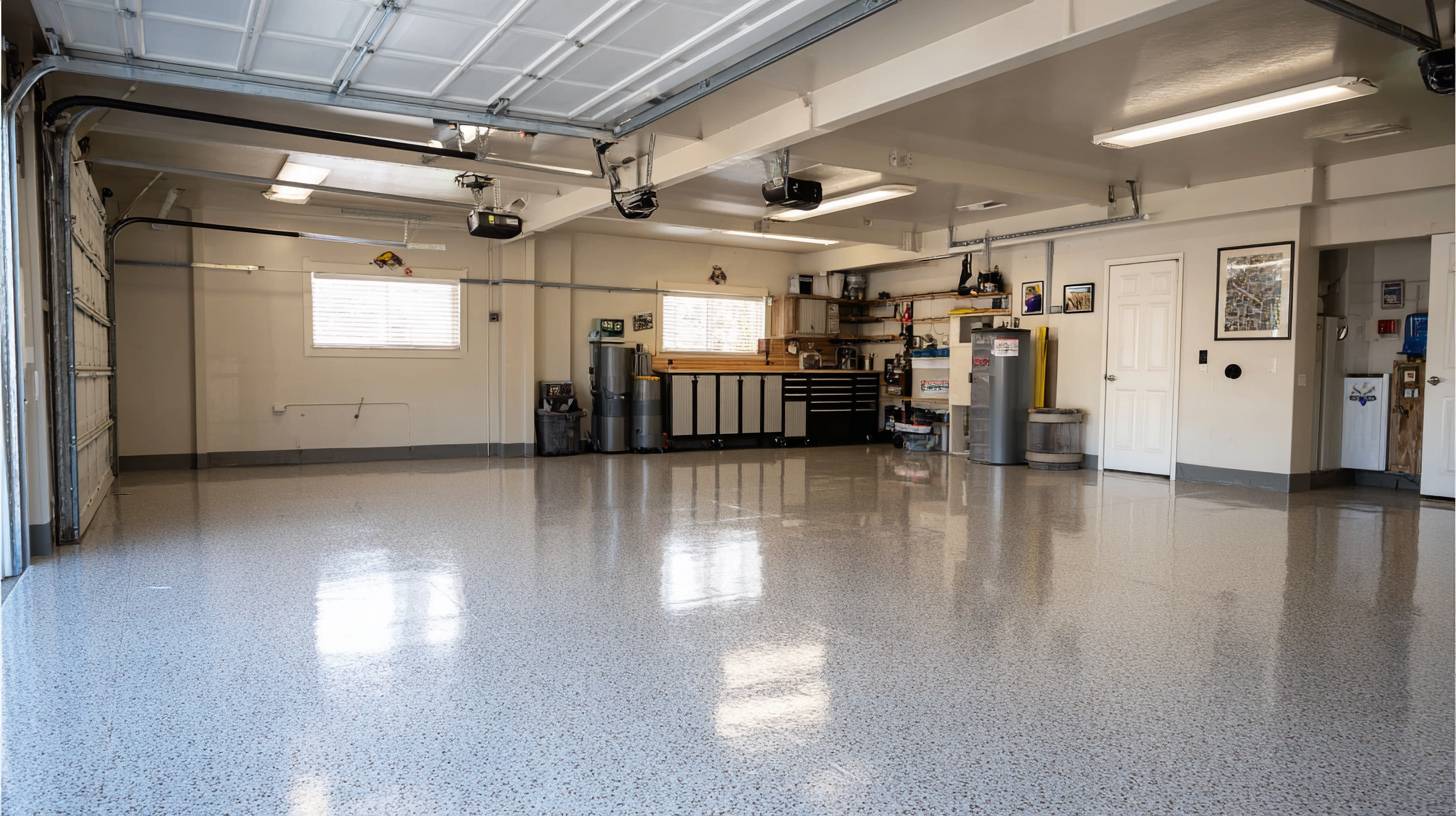
Table of Contents [hide]
Resinous flooring, especially epoxy flooring, has become a popular, high-end choice for homeowners seeking a modern, seamless look. Once seen only in industrial flooring spaces, these high performance flooring systems are now being used to create stunning, durable surfaces in garages, basements, kitchens, and even living areas.
However, a beautiful epoxy resin floor is not a simple paint job. It's an innovative process that requires the deep expertise of professional resin flooring contractors. This guide covers the types of resin flooring for homes, the costs, and why a specialist is essential.
What is Residential Resinous Flooring?
Resinous flooring is a fluid applied coating that is poured or rolled onto a concrete floor. Unlike tile, there are no floor joints or grout. Unlike polished terrazzo, it's a fluid-applied system. It cures to form a hard, durable, and seamless industrial floor coating that is perfectly bonded to the concrete.
Key Benefits of Resin Flooring
Decorative Finish
It's a versatile design tool. It can be customized with nano-sized pigment materials for a high-gloss, marble-like finish or with broadcasted color flakes for a durable, textured garage floor. Many contractors even offer a flooring visualizer tool to help you see the possibilities.
Seamless and Hygienic
The liquid resin cures into a single, non-porous surface. With no grout lines to trap dirt, it's incredibly easy to clean. This creates an antimicrobial flooring surface ideal for kitchens or basements, similar to systems used for USDA-approved flooring in the food and beverage industry.
Durable
It creates a tough, concrete coating that is non-reactive. It resists chemical spills, oil stains, impacts, and heavy abrasion, making it one of the most abrasion-resistant coatings available for residential use.
Popular Resin Types for Your Home
While there are many resinous systems on the market, they are not all the same. For industrial and commercial projects, the choice of resin is highly specific.
- Epoxy Flooring: This is the most popular system for homes. It's a multi-layer epoxy resin flooring that is durable, chemical-resistant, and provides the best decorative finish. This is the system used for metallic epoxy and decorative flake garage floors.
- Polyurethane Finish: This is not usually a "floor" by itself, but a topcoat used to protect an epoxy floor. This topcoat technology is more scratch-resistant and UV-stable, meaning it won't turn yellow if your floor gets a lot of direct sunlight.
Other Industrial and Commercial Systems
You may also hear contractors discuss other systems. These are typically for heavy-duty commercial environments and are less common in homes:
- Cementitious Urethane: Also called Urethane Cement or polyurethane concrete, this is a heavy-duty floor used in commercial kitchens or a meat processing plant because it can withstand extreme temperatures and steam cleaning.
- Methyl Methacrylate (MMA): Known for its incredibly fast cure time, MMA is a go-to for commercial flooring projects that need to be completed overnight.
- Vinyl Ester: This system offers the highest chemical resistance and is used in labs or battery-charging areas.
- Electrostatic Dissipative (ESD): This self-leveling epoxy system prevents static electricity, making it critical for life science facilities or electronics manufacturing.
What Does Resin Flooring Cost?
The cost for resin flooring systems, most commonly epoxy, varies wildly based on the material's quality and the complexity of the installation.
While cheap DIY "epoxy paint" kits from hardware stores are available, they are not a true high-performance resin system. These thin, water-based coatings are prone to peeling and failing, as they lack the professional-grade materials and crucial subfloor preparation.
For a professionally installed floor, the costs are broken down by the system type.
|
INSTALLATION TYPE |
AVERAGE COST (per sq. ft.) |
WHAT YOU GET |
|
DIY Epoxy Paint Kit |
$0.50 to $2.00 |
A thin, single-layer, water-based paint. This is not a true resin floor and is prone to hot-tire pickup and peeling. |
|
Professional Garage Floor |
$4.00 to $9.00 |
A multi-layer system applied by a pro. This includes diamond-grinding the concrete, a primer/basecoat, decorative flakes, and a clear, durable topcoat. |
|
Metallic Epoxy Floor |
$8.00 to $14.00+ |
A high-end, decorative interior floor. This is a labor-intensive, artistic installation with multiple layers to create a 3D, marble-like effect. |
The Installation Process: What to Expect
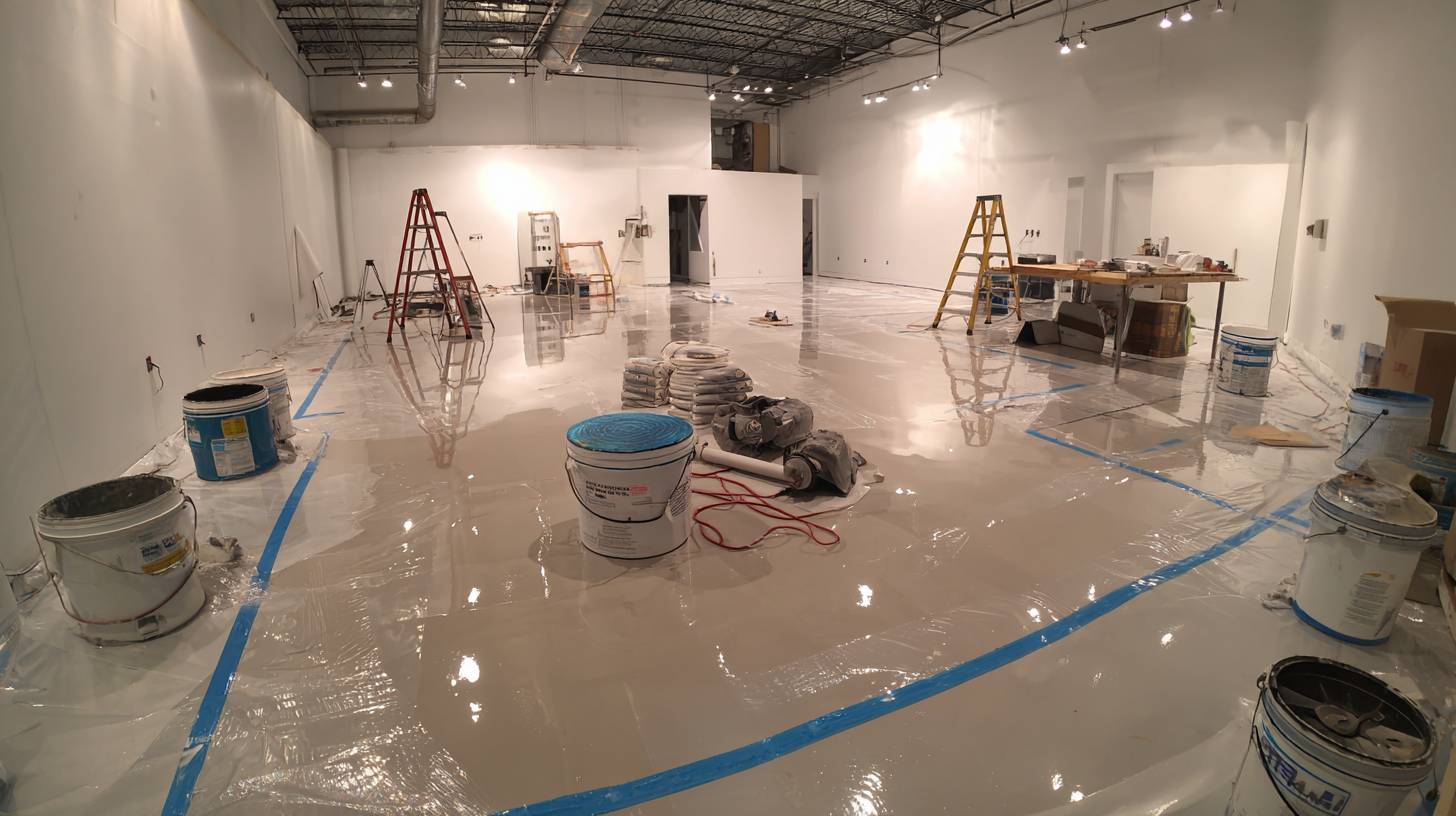
A professional resin flooring installation is all about preparation.
- Preparation: This is the most important step. The contractor will use state-of-the-art equipment, like a diamond grinder, to open the pores of your concrete floor surface. This is mandatory for the resin to bond.
- Primer & Base Coat: A primer and the colored epoxy resin floors base coat are applied.
- Decorative Layer: If you chose flakes, they are broadcast here. If you choose metallic epoxy, the pigments are artfully swirled into this layer.
- Topcoat: A final, clear topcoat (often a polyurethane finish) is applied for durability and UV protection.
The entire installation process takes 2 to 4 days, and you will need to wait another 24 to 72 hours before you can walk on it.
Why You Need a Pro, Not a DIY Kit
The biggest mistake homeowners make is buying a cheap DIY kit. These kits often fail within a year because they lack two things: professional-grade materials and professional preparation.
- Materials: Pro-grade epoxy is "100% solids," meaning it's a thick, durable concrete coating. DIY kits are often water-based, like paint, and will peel off your tires ("hot tire pickup").
- Preparation: A true resin flooring contractor will mechanically grind the concrete. No DIY etching solution can replace this. The U.S. Department of Energy notes that preparing a concrete slab properly is critical for any flooring, especially to manage moisture. This is a key reason DIY floors fail.
- Expertise: Hiring a pro means you are paying for their experience. They know how to properly mix the chemicals and apply them before they cure. The Federal Trade Commission (FTC) always advises hiring a contractor with proven experience for a specialized job.
FAQs About Home Resin Flooring
Is epoxy flooring slippery?
It can be, especially when wet. However, this is a simple fix. Ask your resin flooring contractor to add a non-slip finish additive to the final topcoat. This creates a safe, textured surface that is perfect for garages or even pool decks.
What about the fumes? Are epoxy resin floors safe?
The installation can have a strong smell. However, this is why professionals use proper ventilation. Many contractors now offer low-VOC flooring systems that have minimal odor and are much safer for your home's indoor air quality. Once the floor is cured, it is completely safe and inert. The U.S. Environmental Protection Agency (EPA) has extensive information on the importance of using low-VOC materials indoors.
How do I clean a seamless flooring system?
It's the easiest floor you will ever own. Since there is no grout, dirt and spills have nowhere to hide. Most messes can be cleaned up with a paper towel. For general cleaning, a soft-bristled broom and a simple mop are all you need.
Give Your Home a Modern, Seamless Floor
A resinous flooring system is a fantastic, long-term investment in your home, adding a durable and beautiful decorative finish to your garage, basement, or kitchen. But the floor is only as good as the contractor who installs it.
Mr Remodel can connect you to our vast network of trusted professionals who specialize in residential epoxy flooring. Our service is quick and easy, providing you with no-obligation quotes from licensed, reviewed, and reliable contractors.
Get your free, no-obligation quote from a resin flooring expert