1-855-QUOTEMR

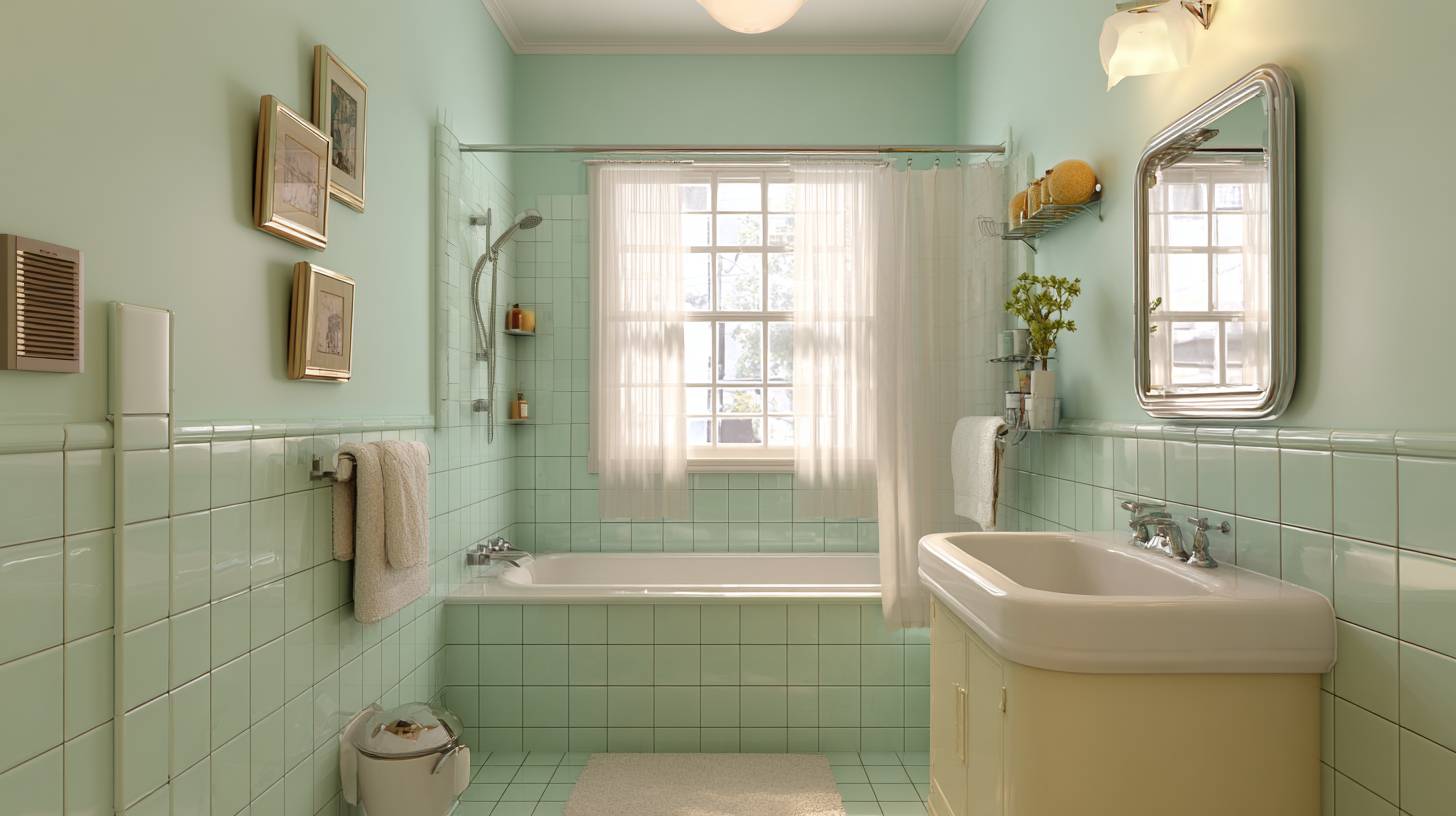
Table of Contents [hide]
Are you ready to get started on your 1940s bathroom remodel and modernize your home? Unlike the ornate Art Deco of the 1930s or the iconic pinks of the 1950s, the 1940s were a bridge era. Designs were dictated by the wartime austerity of the early decade, followed by the first hints of post-war optimism and vibrant color.
This means your bathroom may have original hex tile, or you might have vintage wallboard that was used when tile was scarce. With older homes, remodels can honor the classic style through clever reuse and smart bathroom design or go in a completely modern or different direction. This guide provides design tips for navigating one of the most unique bathroom makeovers.
The Unique Charm of 1940s Bathroom Design
The 1940s bathroom design aesthetic was defined by practicality, durability, and emerging color.
What to Look For (The Aesthetic)
The 1940s were the decade that began to embrace the bathroom as a styled space. While some homes clung to the "sanitary white" look of the 20s and 30s, post-war homes began experimenting. Vibrant color was introduced in tilework, often in pastel greens, blues, or yellows.
Key Materials to Save (or Replicate)
Tile
This is the most iconic feature. The ceramic 4x4 wall tile is a staple. Floors were often hex tile or penny tile, sometimes in simple black-and-white geometric patterns. This is a far cry from the bold, Mediterranean multicolored tile styles seen in other types of architecture; 1940s design was about simplicity and clean lines.
Fixtures
Heavy, durable porcelain-over-cast-iron tubs and wall-mounted sinks were standard. If you have an original standing tub or sink in good condition, consider having it professionally reglazed rather than replacing it.
Chrome
Polished chrome fixtures were the dominant finish for faucets, medicine cabinet frames, and lighting.
The Hidden Challenges of a 1940s Bathroom Remodel
Before you plan your decorating projects, you must plan for the demolition. A 1940s home will have hidden issues that turn a simple bathroom remodel into a master bath gut renovation.
Outdated Plumbing and Electrical
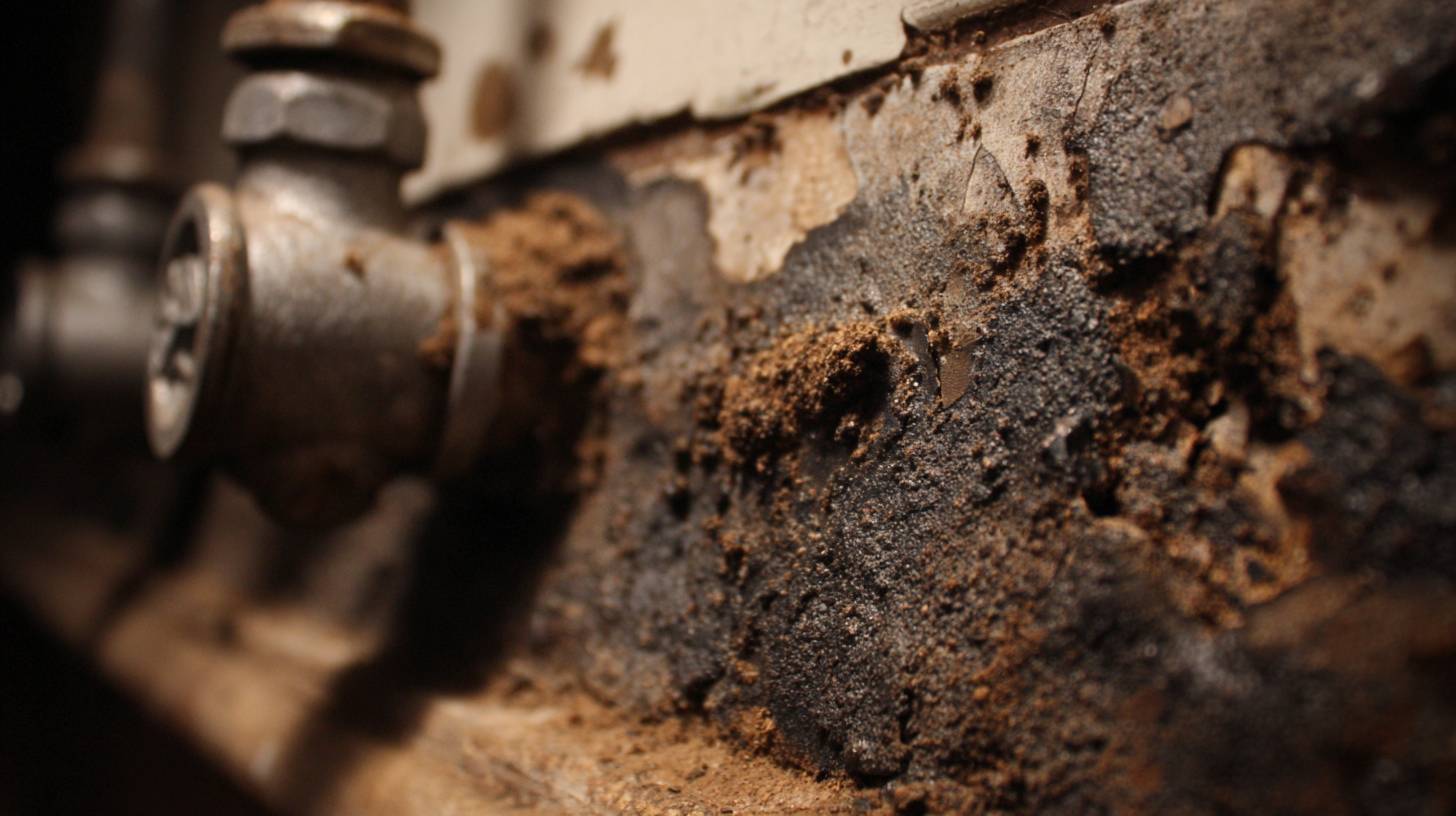
This is the most critical issue. Your home almost certainly has galvanized steel pipes, which are at the end of their life and likely corroded. The electrical wiring may be an outdated "knob-and-tube" or brittle, cloth-wrapped wire.
Both of these systems must be fully replaced by licensed general contractors to meet modern building codes and safety standards. The Consumer Product Safety Commission (CPSC) provides guides on the dangers of aging home electrical systems.
The Vintage Wallboard Problem
During and just after the war, materials were scarce. Many builders used fiberboard, Masonite, or other types of vintage wallboard instead of a proper concrete board and tile system. This material is not waterproof and is a prime spot for hidden mold. It must be removed.
Structural and Layout Issues
1940s homes often have smaller floor joists or ceiling joists than modern homes. If you are planning to add a heavy standing tub or terra-cotta tile, your contractor must first verify that the floor can support the weight. The U.S. Department of Housing and Urban Development (HUD) provides extensive guides on rehabilitating older home structures, which is a common part of a vintage home remodel.
Design Tips for a 1940s Bathroom Remodel
This is where the true design tricks and remodeling ideas come in. Bathroom designers who specialize in historic homes are masters at this.
Clever Reuse of Space and Smart Storage
1940s bathrooms are notoriously small. Since moving walls is a major expense, focus on smart design.
- Replace a bulky vanity with a white vanity in a streamlined, classic style.
- A vintage coastal-cottage look often uses floating shelves for towels.
- A new medicine cabinet can be recessed between wall studs to provide deep storage without taking up space.
- If you have a small linen closet, replacing a standard swinging door with bi-fold closet doors or a pocket door can reclaim valuable floor space.
Upgrading to a Custom-Built Tile Shower
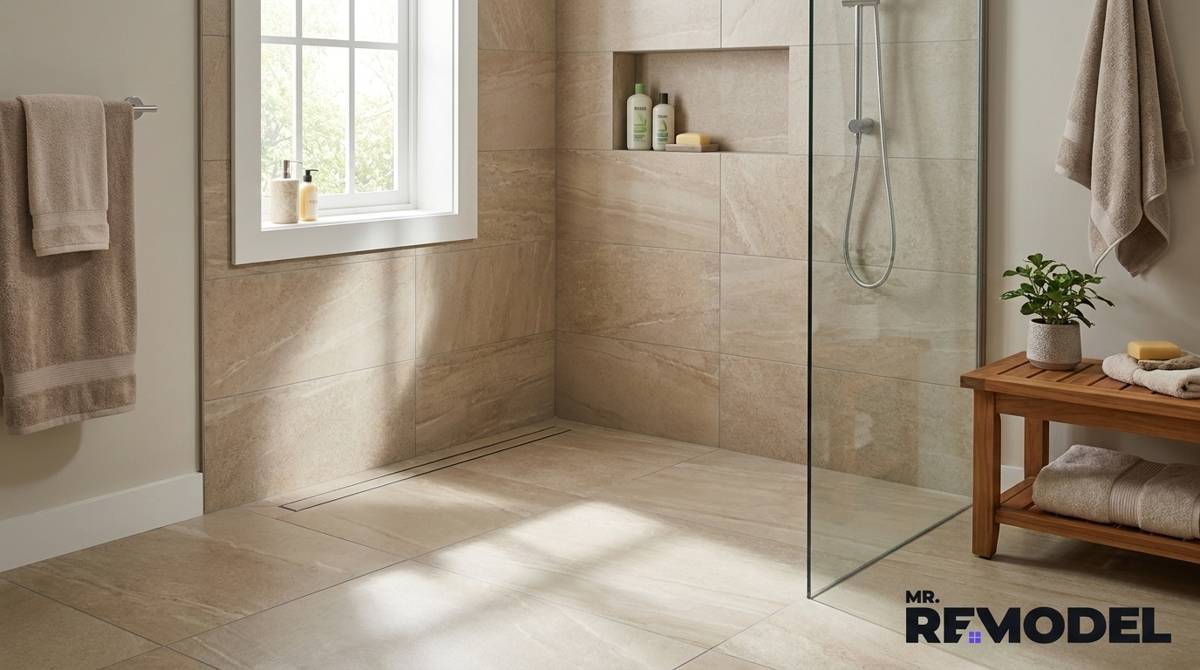
Many 1940s homes have only an alcove shower and tub combination. A popular master bath upgrade is to remove the tub and install a custom-built tile shower. To keep the classic style, use ceramic 4 x 4 wall tile or subway tile on the walls and hex tile on the shower floor.
Choosing Period-Appropriate Colors and Fixtures
Colors
For an authentic look, find inspiration from vintage wallboard colors or vibrant color tile from the era. Soft greens, yellows, and blues are perfect.
Fixtures
You can find modern, water-saving faucets and shower heads in a classic polished chrome and in a vintage style.
Lighting
Look for simple, schoolhouse-style or Art Deco-inspired semi-flush mount lights for your bath.
Can I DIY a 1940s Bathroom Remodel?
A full 1940s bathroom remodel is a very difficult DIY bathroom remodel. While decorating projects like painting or changing window treatments are great for DIY, this home remodel involves high-stakes plumbing, electrical, and potential structural work.Trying to handle these jobs yourself can also lead to costly mistakes that increase the overall bathroom project cost.
The risks of hazardous materials like lead paint and asbestos are also high, as the U.S. Environmental Protection Agency (EPA) provides strict guidelines for their removal. For this bathroom project, it is best to hire professional general contractors and bathroom remodelers.
How a 1940s Bathroom Remodel Affects Your Resale Value
A bathroom remodel is a smart investment. The 2025 Cost vs. Value Report by the Journal of Light Construction shows that even a mid-range bathroom remodel offers one of the highest returns of any home improvement project.
For a 1940s cottage, whether it’s a primary residence or one of several vacation homes, the resale value is highest when you honor the home's character. Buyers of historic homes want the classic style. A remodel that rips out all the charm and installs generic fixtures can be a mistake.
A smart design that blends modern updates (like radiant-heat floors or a smart mirror touch device) with the vintage vibe is the best investment. The U.S. National Park Service provides clear standards for rehabilitation, emphasizing repair and reuse over replacement.
FAQs About 1940s Bathroom Remodel
What are the most common 1940s bathroom colors?
In the early 1940s, bathrooms were often all-white. In the post-war late 1940s, vibrant color was introduced. The most popular tile colors were pastel green (mint), soft pink, and pale yellow or blue. These were often paired with a black border tile.
How can I add storage to a small 1940s bathroom?
Clever reuse of space is key. The best design tricks are:
- RecessEverything: Use a recessed medicine cabinet and build floating shelves or a small cabinet between the wall studs.
- GoVertical: Add a shelf above the doorway for extra towel storage.
- SmartVanity: Use a white vanity with drawers instead of cabinets, which are more space-efficient.
Is it safe to keep vintage wallboard?
No. Vintage wallboard (fiberboard) in a bathroom is a serious water damage risk. It has no waterproofing, and decades of moisture have likely led to mold. It must be removed down to the studs and replaced with modern concrete board and wall tiles.
Finding the Right Pros for Your 1940s Bathroom Remodel
Your 1940s bathroom remodel is a rewarding building project that can bring new life to a historic home. But it requires a team that respects the classic style while having the technical skill to handle 80-year-old construction. You need general contractors and bathroom designers who have experience with homes from this era.
Mr Remodel connects you with vetted, local bathroom remodelers who specialize in vintage renovations. They know how to perform clever reuse of space, install modern updates correctly, and deliver the ideal bathroom space you envision. Get your free, no-obligation quote today from pros who love historic homes as much as you do.