1-855-QUOTEMR

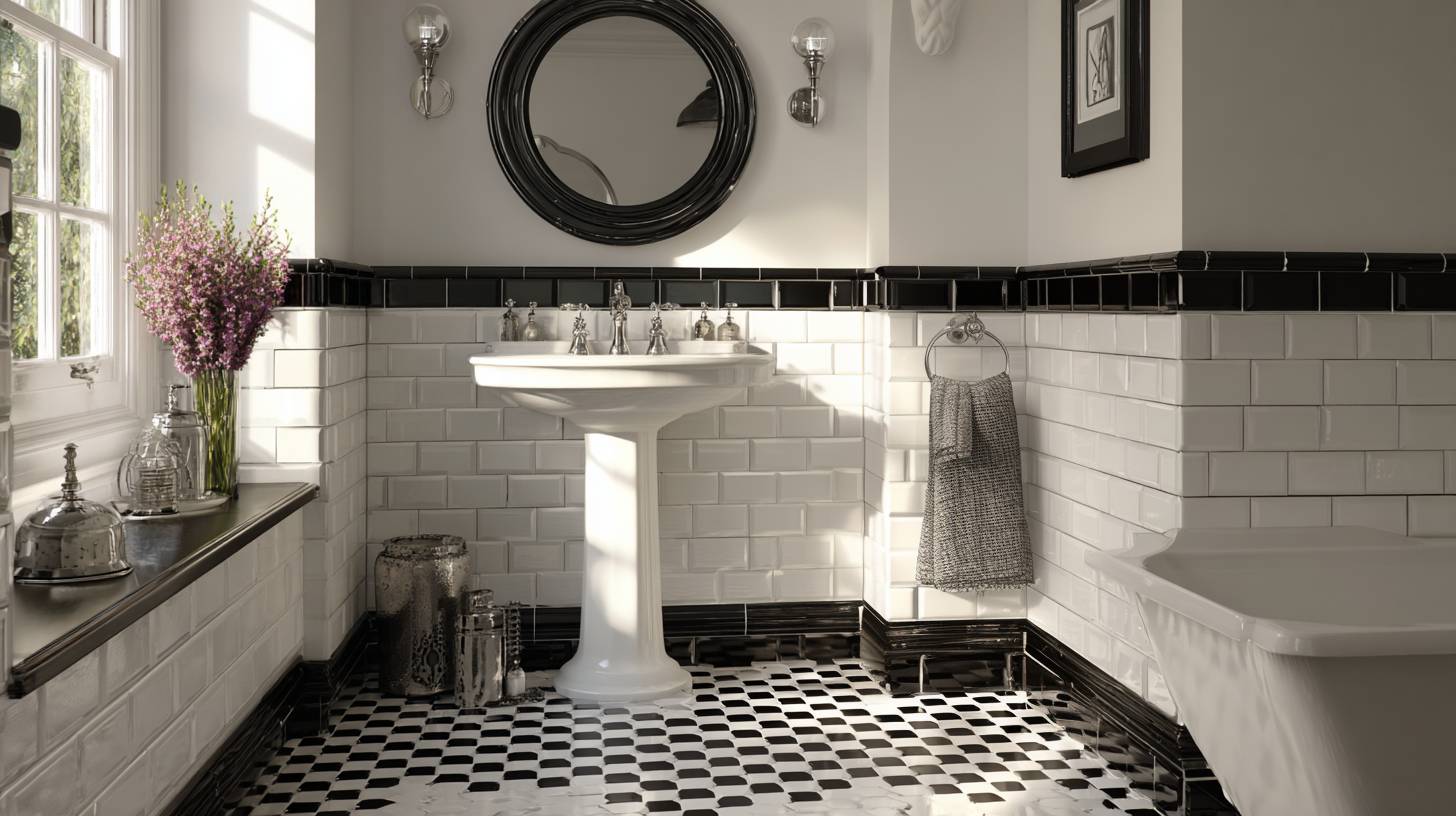
Table of Contents [hide]
A 1920s bathroom remodel is a journey in balancing history with modern comfort. When you own a 1920s home, you know the bathroom is more than just a room; it’s a time capsule. It may have a deep cast-iron bathtub, classic white subway tile, and a charm that is impossible to find in new construction.
The challenge, however, is that these spaces were built for a different era, often lacking safe electrical wiring, modern plumbing, and functional built-in storage solutions. The goal of a bathroom renovation in a historic home is to preserve that irreplaceable Art Deco or vintage design while upgrading it for 21st-century life. This guide will walk you through the key Bathroom Design elements, the hidden challenges, and how to create a space that is both timeless and perfectly new.
Understanding the 1920s Bathroom Aesthetic
The 1920s were a dynamic decade, with interior design styles ranging from the glamorous Art Deco movement to cozy vintage coastal-cottage looks. Before you start, it is important to identify what style your bathroom has (or what style you want to recreate).
Key Design Elements to Save in a 1920s Bathroom Remodel
Tile, Tile, and More Tile
This is the star of the show. Look for original ceramic tile, which was often used to cover the entire floor and halfway up the walls. The National Kitchen & Bath Association (NKBA) notes that classic white, black, and green were common.
Floor Patterns
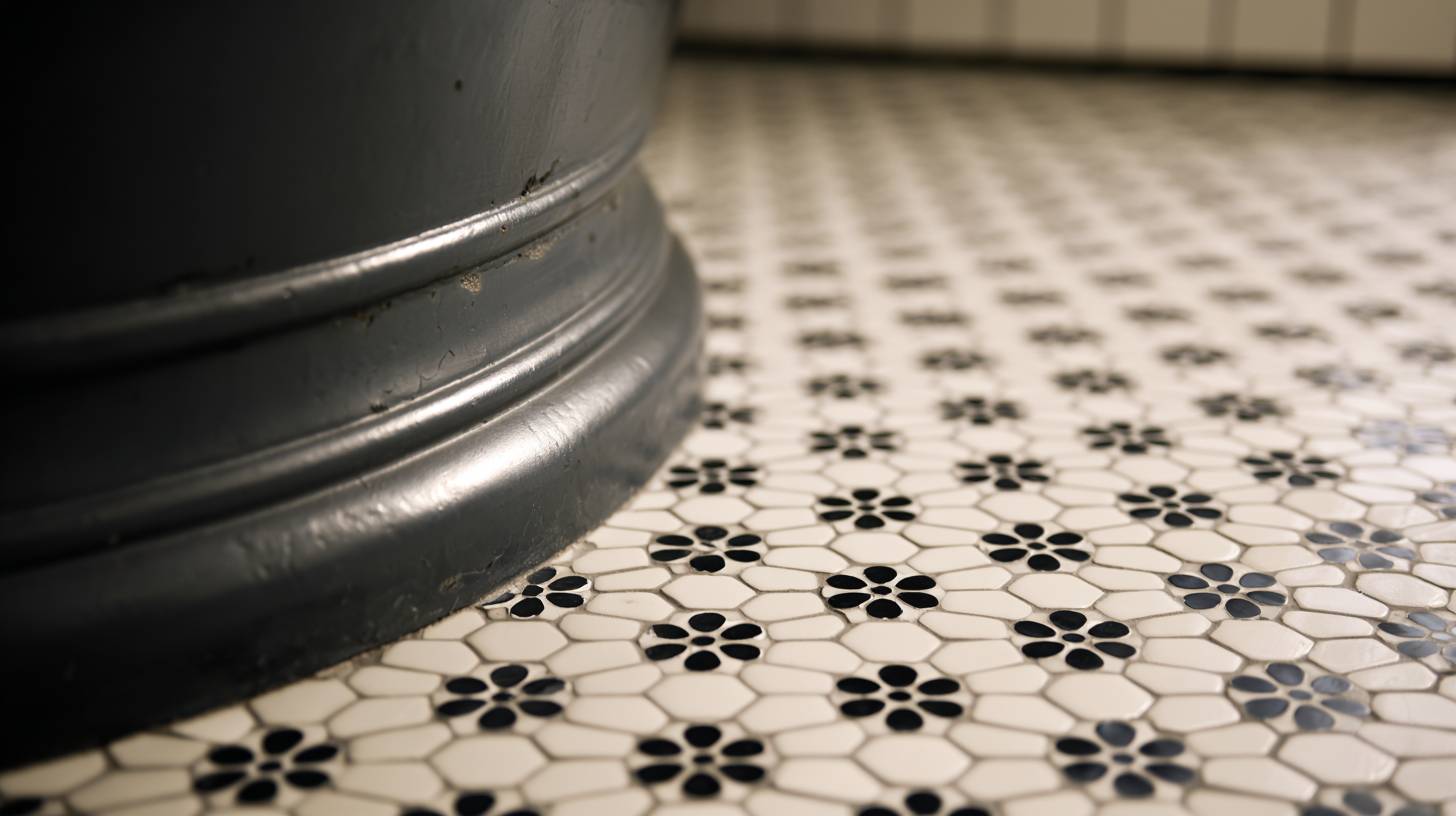
Hexagonal tiles, classic penny round floor tile, and intricate mosaic tiles are all hallmarks of the era.
Fixtures
An original sink (often a wall-mounted sink or pedestal sink) and a heavy cast-iron bathtub are treasures. If they are in good shape, consider reglazing them instead of replacing them.
Hardware
Original chrome fixtures, crystal knobs, and a recessed medicine cabinet are the details that make the vintage design feel authentic.
Recreating the Look with New Materials
If the original elements are too far gone, you can find brilliant reproductions.
- Tile: Look for 4x4 or 3x6 white subway tile (often called subway brick) for the walls. For floors, hex tile or penny tiles in a classic hexagon mosaic floor pattern are perfect.
- Fixtures: A period-style faucet with cross-handles, chrome fixtures, and a new cast-iron bathtub will feel historically accurate.
- Colors: While all-white was popular for its "hygienic" look, the Art Deco style also embraced bold geometric patterns and colors. Black, green, vintage yellow, and pink were all common.
The Reality of a 1920s Bathroom Remodel
A historic home renovation is very different from a modern bathroom remodel. The remodeling process often involves a full gut renovation to address century-old problems.
Hidden Problem 1: Outdated Plumbing
Your home likely has original galvanized or lead pipes. As plumbing experts point out, these pipes are at the end of their lifespan and are prone to corrosion, rust, and low water pressure. Your scope of work must include a budget for a full plumbing replacement.
Hidden Problem 2: Water Damage and Rot
Even a small, slow roof leak or a leak from the upstairs hall bathroom can cause decades of hidden rot. When your general contractors open the walls, be prepared to find and replace water-damaged subfloors and studs.
Hidden Problem 3: Hazardous Materials
Homes from this era may contain lead paint and asbestos (often in flooring or pipe insulation). The U.S. Environmental Protection Agency (EPA) has strict rules for the safe removal of these materials, which must be handled by a certified professional.
Blending Modern Comforts with Vintage Style
The best 1920s bathroom remodel projects are those that hide modern luxuries behind the vintage design. This is why hiring professional bathroom designers is invaluable.
- Heated Floors: Electric heated floors can be installed right under your new penny tiles. This adds incredible, invisible comfort.
- The Walk-in Shower: This is a common request. To make it fit in, use the same ceramic tile as the rest of the room. You can also opt for a glass shower door with chrome-finish hardware to match your chrome fixtures.
- Storage: 1920s bathrooms are famous for having no storage. You can add built-in storage solutions like recessed floating shelves between wall studs or a vanity that looks like a freestanding piece of furniture, or an apron-front vanity that mimics a classic sink basin.
The All-Important Resale Value
A bathroom renovation is a smart home improvement project. According to the 2025 Cost vs. Value Report from the Journal of Light Construction, a mid-range bathroom remodel can recoup 80% of its cost.
In a historic home, this value is even more pronounced. Buyers of a 1920s home are looking for character. A remodel that strips the bathroom of its vintage tile and installs generic, modern fixtures can actually hurt your resale value. Preserving or recreating the Art Deco style is a much smarter investment. For guidance, the U.S. National Park Service provides standards for rehabilitating historic buildings, emphasizing repair over replacement.
FAQs About 1920s Bathroom Remodel
What is the difference between a 1920s and 1930s bathroom?
The 1920s were heavily defined by the bold, glamorous Art Deco style with its geometric patterns and high-contrast colors (like black and white). The 1930s bathroom remodel, influenced by the Great Depression, often featured softer, more muted colors like mint green, pink, and yellow, though the tile patterns remained similar.
Can I keep my original cast-iron bathtub?
Absolutely! If the tub is in good structural condition, it is almost always better and more cost-effective to have it professionally reglazed. A reglazed cast-iron bathtub will last for decades and holds heat far better than a new acrylic tub.
Where can I find authentic vintage tile and fixtures?
If your original fixtures are missing, your best bet is a local salvage yard. Salvaged items from another historic home will have the authentic patina and quality that reproductions lack. For a new tile that matches the old style, companies like Mission Stone & Tile specialize in historic reproductions.
Find the Right Professionals for Your 1920s Bathroom Remodel
A 1920s bathroom remodel is a special scope of work that requires more than just a standard contractor. You need a team that respects the character of a historic home and has experience with its unique challenges.
Mr Remodel connects you with vetted, local professionals who have a proven track record of working on homes just like yours. They know how to handle a gut renovation with care, preserving the vintage design you love while delivering the modern, functional bathroom you need. Get your free, no-obligation quote today.