1-855-QUOTEMR

Table of Contents [hide]
A 100 sq ft bathroom remodel cost is a significant line item in any major home renovation. At this size (for example, 10x10 feet), you are planning a full bathroom project, not a simple cosmetic update.
For a project of this scale, what is a reputable cost estimate? The 2025 Cost vs. Value Report by The Journal of Light Construction provides a clear answer. It places the national average for a mid-range bathroom remodel at $26,138. For a 100 square foot space, this figure is a solid starting point, with the understanding that luxury materials or layout changes will increase the price further.
Why such a high cost? This guide is a strategic cost analysis of what truly drives your budget. We will explore how to plan for labor and material costs, why a contingency fund is essential, and how your design choices (from a walk-in shower to heated floors) will shape your final investment.
The 100 sq ft Bathroom Remodel: From Vision to Reality
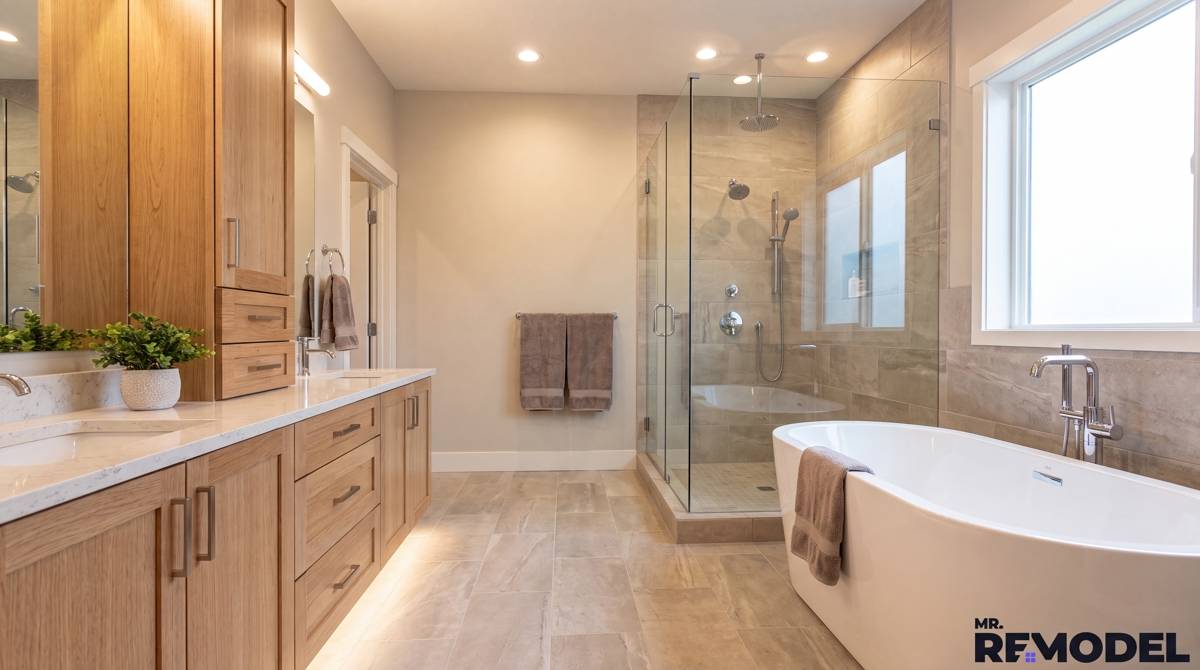
A 100 sq ft bathroom remodel is a major construction project. At this square foot measurement, you have enough space to design a true master retreat. Your bathroom renovation budget will likely need to accommodate:
- A Double Vanity: A common request for a master bath.
- A Separate Soaking Tub and Walk-in Shower: Many homeowners opt to remove an old shower/tub combo to create a spa-like space with a rainfall shower.
- A Private Toilet Room: A luxury feature that is possible with this much space.
- Luxury Finishes: Ample room for natural stone tiles and custom cabinetry.
Because this is a full remodel, the project involves demolition, plumbing, electrical, and structural work.
Building Your Budget: More Than a Cost Estimator
The most critical step in a 100 sq ft bathroom remodeling project is building a realistic budget. A simple online cost calculator cannot account for the hidden variables.
The Non-Negotiable: Your Contingency Fund
Before you get a single quote, establish a contingency fund of at least 15% to 20% of your total estimated budget. For a $30,000 project, this means having $4,500 to $6,000 set aside. This fund is not for upgrades; it is for the unknown problems that a general contractor will inevitably find, such as:
- Water damage repairs from old, slow leaks.
- Mold remediation behind the old wall tile.
- Outdated, unsafe electrical wiring.
- The need for leak checks on old plumbing stacks.
Cost Analysis: Where Does the Money Actually Go?
According to the National Kitchen & Bath Association (NKBA), labor rates are the single biggest expense in a bathroom remodel. Industry analysis confirms that labor can consume 40% to 60% of the entire budget.
|
COST CATEGORY |
TOTAL BUDGET PERCENTAGE |
WHAT IT INCLUDES |
|
Labor |
40% to 60% |
General contractor management, plumbers, electricians, tile setters, carpenters. |
|
Fixtures |
15% to 20% |
Tub, shower, toilet, and sinks (e.g., American Standard). |
|
Cabinetry |
10% to 15% |
Vanity and any built-in storage. |
|
Tile and Surfaces |
10% to 15% |
Porcelain tile or natural stone for floors, walls, and countertops. |
|
Systems |
5% to 10% |
Lighting, ventilation, and plumbing/electrical materials. |
Strategic Decisions to Control Your 100 sq ft Budget
The final bathroom upgrade cost comes down to three key decisions: layout, materials, and labor.
1. Layout: Moving Walls and Pipes
Keeping your bathroom's existing plumbing and electrical layout is the number one way to control costs.
- Low Cost: Replacing an old shower/tub combo with a new one in the same spot.
- High Cost: Moving the toilet and shower drain to opposite sides of the room. This requires the plumber to cut into the concrete slab or floor joists, dramatically increasing labor costs.
2. Materials: Natural Stone vs. Porcelain
In a 100 square foot room, you have a lot of surface to cover.
- Porcelain Tile: This is the workhorse of bathroom remodeling. It is extremely durable, waterproof, and offers thousands of styles. It is non-porous and requires minimal maintenance.
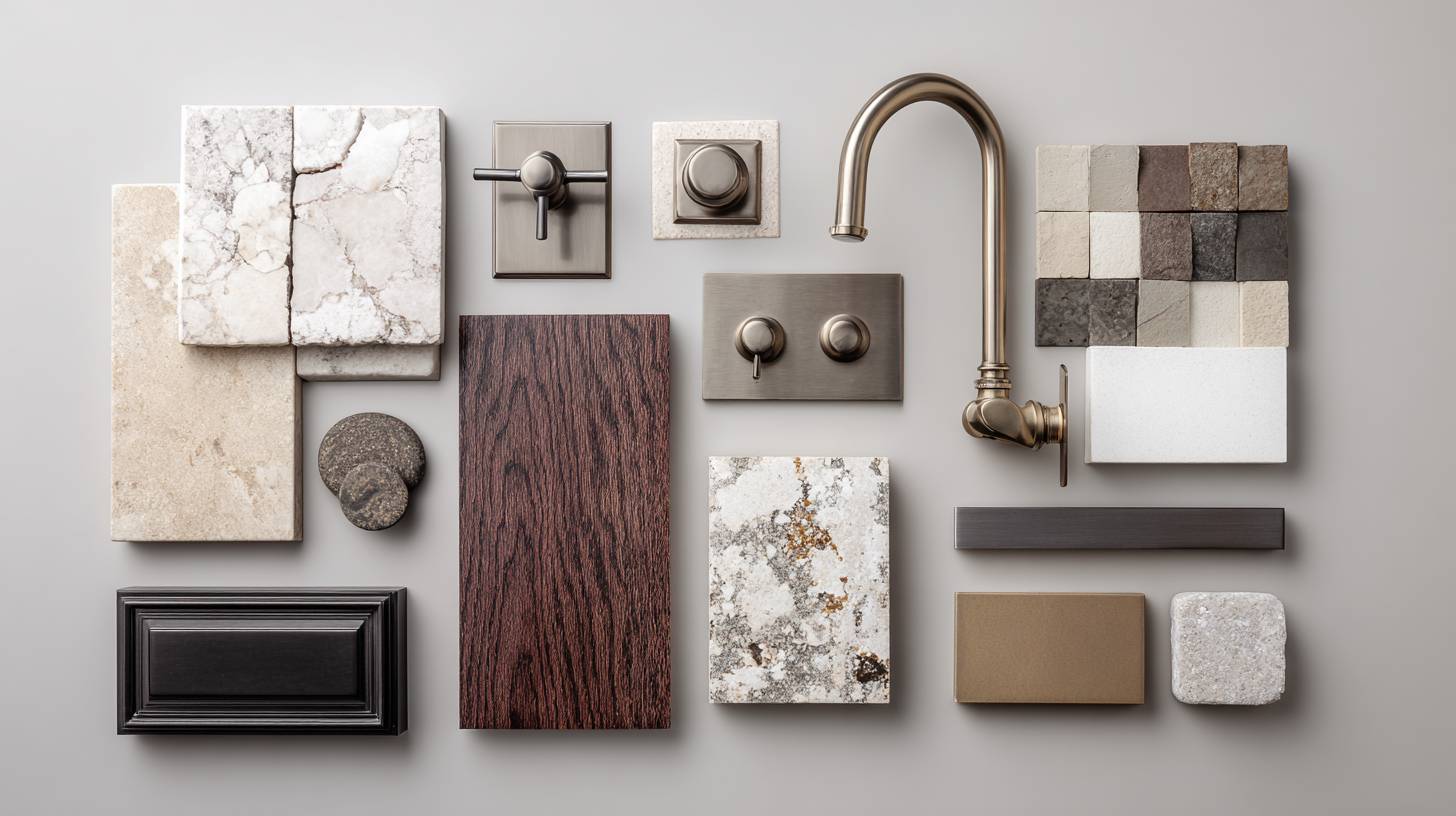
- Natural Stone Tiles (Marble, Travertine): This is a luxury upgrade. It is beautiful but more porous, as documented by geology resources, and requires regular sealing to prevent staining. It also costs significantly more for both the material and the specialized installation.
- Heated Floors: Installing electric heated floors under your tile is a popular luxury item. This adds to the budget for the electrician's time and the materials, but it can be a desirable feature for home value.
3. Labor: The Risk of DIY Bathroom Remodels
With labor being the highest cost, DIY bathroom remodels are tempting. For a 100 sq. ft. project, this is a major financial risk. The Occupational Safety and Health Administration (OSHA) details the serious dangers of electrical work, which are amplified in wet locations like bathrooms.
A single mistake in plumbing or waterproofing can lead to catastrophic water damage repairs that cost far more than hiring a professional general contractor from the start. A general contractor is responsible for coordinating all licensed trades, from the plumber (like Mokher Plumbing) to HVAC specialists (for ventilation), ensuring the job is done correctly and passes inspection.
The "Hidden" Financials: Permits, ROI, and Property Taxes
Beyond the construction, a major home improvement project has financial ripple effects.
Building Permits
A full bathroom remodel that moves plumbing or electrical requires building permits. In a high-regulation area like Miami-Dade County, for example, this is a mandatory step to ensure all work is to code. Your contractor handles this process.
Return on Investment (ROI)
A bathroom renovation is a strong investment. The 2025 Cost vs. Value Report shows that a mid-range bathroom remodel has an 80% return on investment at resale. This shows that well-chosen renovations add significant home value.
Financing and Taxes
A large project budget may require financing, which mortgage lenders can often roll into a home equity loan. Be aware that a major upgrade that increases your home value can also trigger a reassessment and a potential increase in your annual property taxes.
FAQs About a 100 sq ft Bathroom Remodel Cost
How long does a 100 sq ft bathroom remodel take?
A full gut renovation of this size is a complex project. Homeowners should plan for it to take anywhere from 4 to 9 weeks, depending on the scope, permit inspections, and any custom material orders.
Is a walk-in shower more expensive than a shower/tub combo?
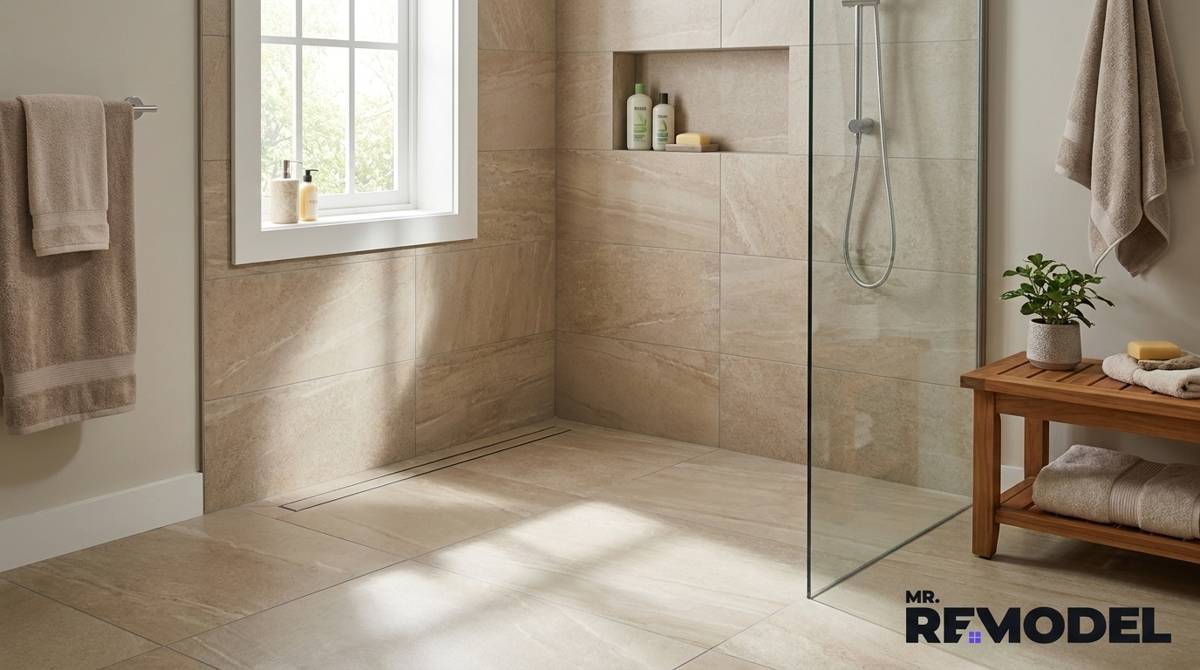
Yes, almost always. A custom-tiled walk-in shower with a frameless glass door requires extensive tile work, complex plumbing for the drain, and waterproofing. A pre-fabricated shower/tub combo (like those from BCI Acrylic) is a much faster and more affordable installation.
What is the single biggest "hidden" cost to plan for?
Water damage repairs. When your contractor demolishes the old tile and flooring, it is very common to find subflooring or wall studs that have rotted from small, old leaks. This is precisely why you must have a contingency fund.
Can I do a 100 sq ft remodel myself to save money?
DIY bathroom remodels are extremely difficult at this scale. While you can save on labor by painting or installing a vanity, the plumbing and electrical work should be left to licensed professionals to prevent costly leaks and safety hazards.
Start Your 100 sq ft Bathroom Remodel Today
A 100 sq ft bathroom remodel cost is a significant, high-value investment in your home. This bathroom renovation can transform an outdated space into a modern, functional retreat. The key to success is partnering with an experienced general contractor who can manage the project safely and efficiently.
Mr Remodel makes it simple to find the right pro for your job. We connect you with licensed, reviewed, and reliable bathroom remodeling contractors in your area in under 30 seconds. Compare prices, read reviews, and schedule a free, no-obligation appointment. Get a free quote now.