1-855-QUOTEMR

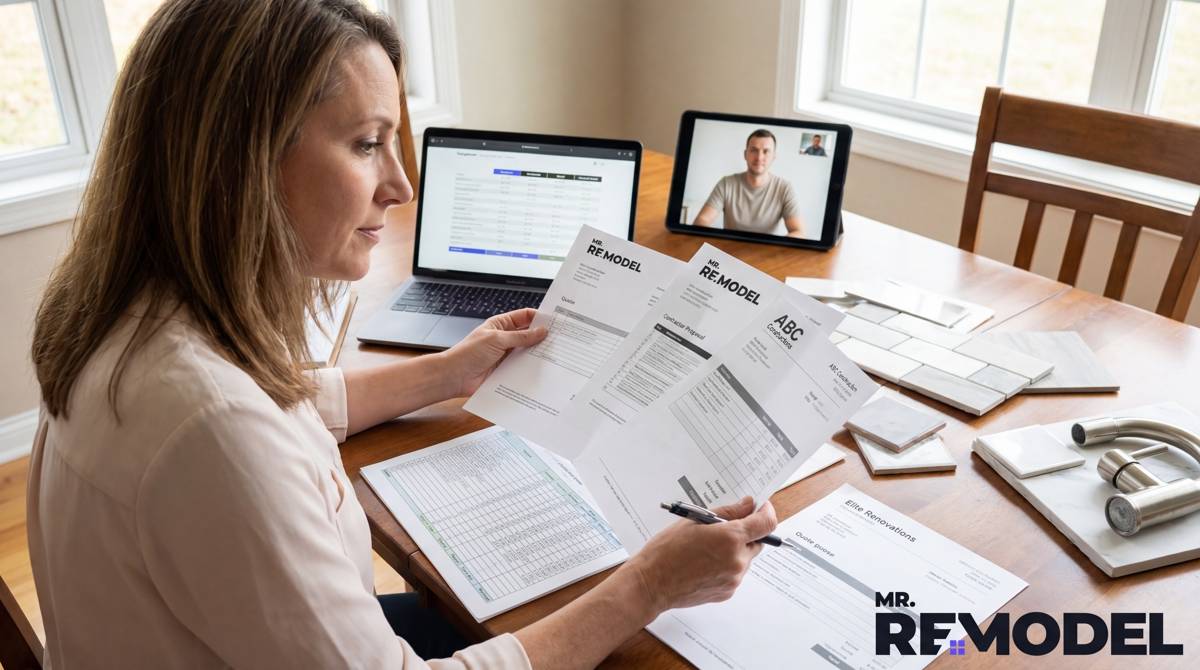
Table of Contents [hide]
Who This Is For
This guide is designed for homeowners planning a bathroom renovation within the next 30 days. Whether you are upgrading a master suite or converting a bathtub to a shower, this Hub provides the technical vetting frameworks and cost benchmarks required to hire with absolute confidence.
Key Takeaways
- The Velocity Factor: Modern homeowners decide on a contractor within 18.7 days.
- Cost Benchmarks: National averages for mid-range remodels currently sit between $14,000 and $18,000.
- Certification Matters: Vetting for specialized waterproofing certifications is more critical than general licensing.
- Lead Compliance: Homes built before 1978 must adhere to the updated January 2026 EPA Lead RRP standards.
- The Three-Quote Myth: Focus on the value vs. the price rather than simply choosing the lowest of three bids.
- Market Demand: Shower upgrades represent 38% of the current market, requiring specific plumbing expertise.
Selecting the right professional for a bathroom renovation is no longer just about checking a few references. The construction landscape has shifted toward high-velocity decision-making and specialized technical performance.
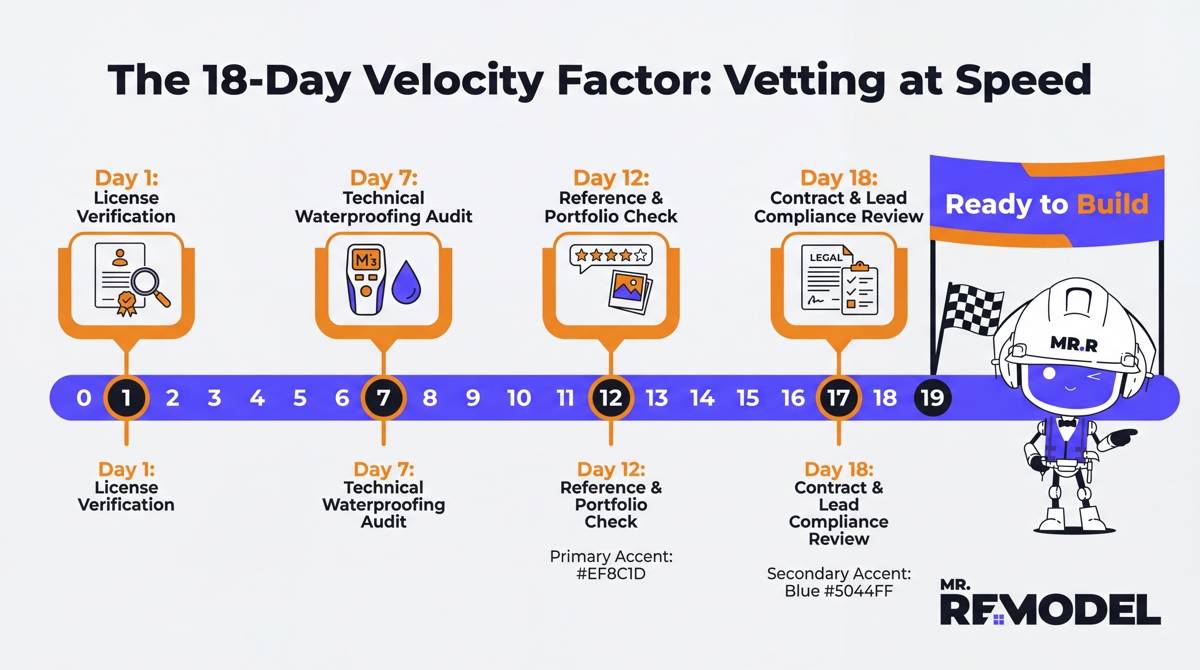
According to internal data from Mr. Remodel, the average homeowner now moves from initial research to signing a contract in just under 19 days.
This compressed timeline increases the risk of hiring under-qualified labor. A single waterproofing failure can lead to over $10,000 in secondary mold remediation and structural repairs. You need a strategy that balances speed with surgical vetting. This guide provides that framework.
The Vetting Framework: Beyond Basic Licensing
A standard contractor license is the bare minimum entry requirement. To ensure your bathroom remains leak-free for decades, you must look deeper into a firm’s operational infrastructure.
Start by investigating their specialized training. Many modern bathrooms utilize advanced moisture management systems. If your contractor is unfamiliar with NKBA professional standards, they may not be prepared for the complexities of high-end fixture integration.
|
Pro Tip: Before signing any contract, verify that your pro has a current EPA Lead-Safe Certification if your home was built before 1978. |
Technical Certifications for 2026
Bathroom environments are the most technically demanding rooms in a home. To ensure your project meets the highest industry standards, look for contractors who prioritize the following:
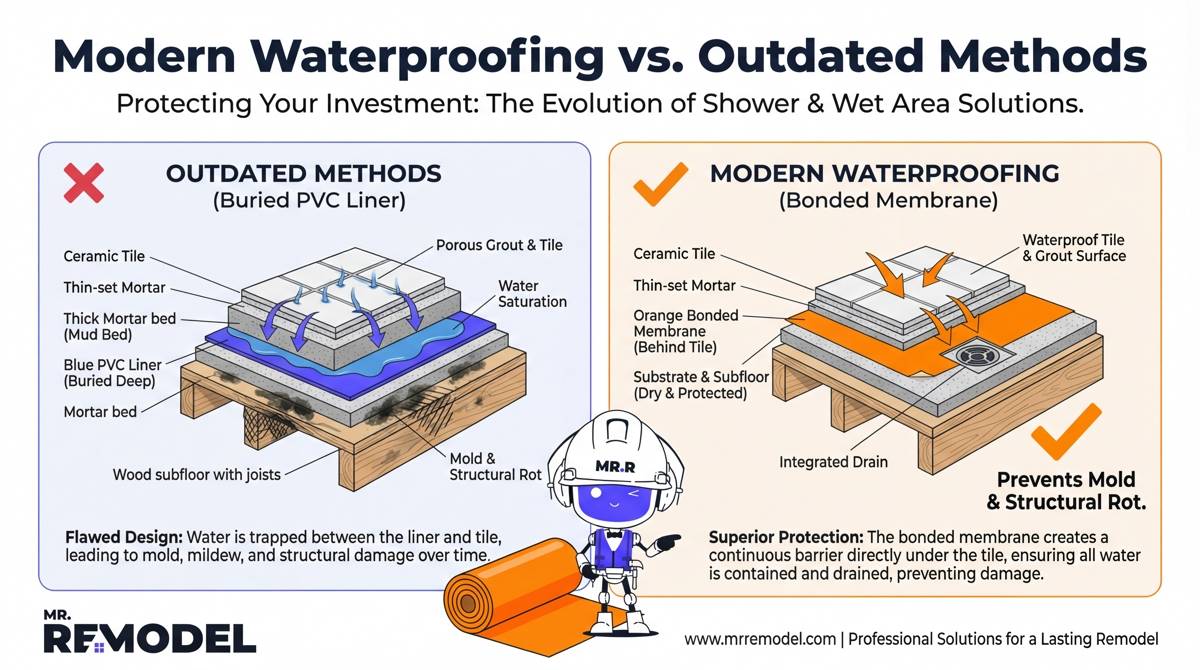
- Manufacturer-Specific Training: Ask if installers are certified by brands like Schluter-Systems or Wedi. These systems provide superior moisture protection compared to traditional cement boards and plastic liners.
- High-Pressure Plumbing Expertise: Ensure the team is equipped to handle modern, high-pressure fixtures and complex piping layouts.
- Advanced Electrical Skills: Verify their ability to safely integrate smart features, specialized vanity lighting, and heated flooring.
- Specialized Waterproofing: Look for pros who utilize modern vapor barriers and integrated pan systems to prevent long-term structural damage.
- Industry Recognition: This technical distinction is often what separates a high-level professional from an amateur.
See Related: How to Choose a Bathroom Remodeling Contractor
Real-World Cost Benchmarking: Value vs. Price
One of the most common pitfalls in choosing a contractor is the low-ball bid. In the current market, labor costs account for 40% to 65% of your total project budget. If an estimate is significantly lower than market averages, it often indicates a lack of insurance or the use of day labor.
Our Mr. Remodel dataset tracks thousands of successful projects to provide these accurate benchmarks. Use the table below to verify if your quotes are within a realistic range.
Are you ready to move from research to reality? Get a free, no-obligation quote from a Mr. Remodel verified contractor.
National Average Bathroom Project Costs
|
Project Type |
Market Demand |
National Average Cost |
Typical Timeline |
|
Shower Upgrade |
38% |
$15,795 |
2 to 3 Weeks |
|
Complete Remodel |
33% |
$15,155 |
4 to 6 Weeks |
|
Tub-to-Shower Conversion |
18% |
$18,311 |
2 to 4 Weeks |
|
Bathtub Upgrade |
11% |
$14,934 |
1 to 2 Weeks |
The Velocity Factor: Why Speed Matters
The Velocity Factor is a proprietary Mr. Remodel metric measuring the speed of the modern renovation market. Recent data shows homeowners move from research to contract in an average of 18.7 days.
To maintain this momentum without sacrificing quality, evaluate your contractor based on these key operational indicators:
- The Start Date Paradox: A contractor available to start tomorrow is often a red flag. Elite professionals typically maintain a 4 to 8-week backlog.
- Project Management Infrastructure: Look for firms that utilize dedicated project management software. This ensures your 18.7-day project timeline stays on track.
- Administrative Support: Avoid the "man in a van" trap. Dedicated office staff are essential for managing subcontractors and permit filings.
- Communication Speed: In today’s market, a firm's response time is the #1 indicator of its professional reliability and organizational health.
Vetting for Infrastructure
Before signing, ask these three critical questions to determine if a contractor has the bandwidth to handle your project:
- What software do you use for scheduling and client communication?
- Who is my primary point of contact once the demo begins?
- How do you manage delays in material deliveries or sub-contractor scheduling?
See Related: Questions to Ask Bathroom Remodelers
Red Flags & Scam Prevention in Bathroom Remodeling
The Better Business Bureau continues to report that home improvement scams are among the top consumer complaints. In the bathroom niche, these often take the form of "unforeseen" structural issues that suddenly double the project price.
See Related: Red Flags When Hiring Bathroom Contractors
Common Warning Signs
- High Upfront Deposits: Never pay more than 10% to 33% as a down payment. Professional firms have the credit lines to carry material costs.
- Cash-Only Discounts: This is a major red flag for tax evasion and a lack of insurance.
- Lack of Written Contracts: Every detail, from the brand of the thin-set to the model number of the faucet, must be in writing.
- Avoiding Permits: If a contractor asks you to pull the permits as a homeowner, they are likely unlicensed or have a poor track record with local building departments.
Deep Dive: Visit the USA.gov's Home Improvement page to learn how to verify contractor credentials in your specific state.
Comparing Project Types: Specific Vetting Needs
Not all bathroom projects are created equal. A shower upgrade requires different skills than a cosmetic refresh of a guest bath. When choosing a contractor, you must match their portfolio to your specific project type.
Shower Upgrades (38% Demand)
For shower projects, you must vet for "wet area" expertise. Ask how they handle pan liners and what type of waterproofing membrane they use. If they mention "hot mopping" without also discussing modern vapor barriers, they may be using outdated methods that are prone to failure in modern homes.
Tub-to-Shower Conversions (18% Demand)
These are the most expensive projects per square foot because they involve significant plumbing rerouting. You need a contractor who understands the difference between a 1.5-inch tub drain and the 2-inch drain required by code for showers. Failure to address this leads to slow drainage and standing water.
Technical Vetting Requirements by Project
|
Feature |
Shower Upgrade |
Tub-to-Shower |
Full Remodel |
|
Plumbing |
Standard Valve Replace |
Drain Rerouting (2") |
Full Rough-In |
|
Waterproofing |
Topical Membrane |
Integrated Pan System |
Full Vapor Barrier |
|
Electrical |
Gfci Protection |
Wet-Rated Lighting |
Dedicated Circuits |
|
Vetting Priority |
Tile Specialist |
Master Plumber |
General Contractor |
See Related: Bathroom Remodel Permits and Inspections
Legal & Compliance: The 2026 Update
Compliance is not just about local building codes. Federal regulations also play a significant role. As of January 12, 2026, the EPA has tightened the dust-lead action levels for renovations.
If your contractor is not following these protocols, you could be liable for environmental contamination. This is especially critical if you have children under the age of six. A professional contractor will include a "Lead-Safe" line item in their estimate for any home built before 1978.

Environmental Protection
Beyond lead, consider moisture management. The City of San Dimas Green Guide provides excellent technical specs on why proper ventilation is a legal requirement, not an option. A contractor who suggests "venting into the attic" is violating building codes and creating a future mold catastrophe.
Don't risk your home's health on an unverified bid. Connect with a Mr. Remodel-verified expert to review your project scope and get local estimates.
Regional Cost Variations in 2026
While national averages provide a baseline, regional factors like labor availability and local taxes will influence your final price. For instance, Mr. Remodel data shows that coastal markets often see a 20% premium on labor due to stricter permitting and higher overhead for contractors.
Regional Cost Multipliers (Relative to National Average)
|
Region |
Cost Multiplier |
Reason for Variance |
|
Northeast |
1.15x |
High Permit Fees / Labor Shortage |
|
West Coast |
1.25x |
Stricter Environmental Codes |
|
Midwest |
0.90x |
Lower Operational Overhead |
|
Southeast |
0.95x |
High Volume Competition |
Understanding these multipliers helps you set a realistic budget before you even start the interview process. If you live in San Francisco, expecting a $15,000 full remodel is unrealistic; you should budget closer to $18,750.
The "Three Quotes" Myth
The traditional advice of "getting three quotes" is often misunderstood. Most homeowners simply pick the middle one. However, in 2026, the focus should be on the Scoping Consistency.
If Quote A is $12,000 and Quote B is $22,000, they are not bidding on the same project. One likely includes high-end tile and a new subfloor, while the other is a surface-level "cover-up" job. A professional contractor will provide a line-item breakdown that allows you to compare apples to apples.
How to Analyze a Quote
Look for specific material brands. Look for a clear "Change Order" policy. A quote that is just a single number on a piece of paper is a recipe for disaster. You want a document that serves as a blueprint for the entire project.
Comprehensive FAQ: Everything You Need to Know
1. How long should a bathroom remodel take in 2026?
A standard mid-range remodel typically takes 4 to 6 weeks. However, Mr. Remodel contractors emphasis on efficiency, many of our vetted contractors aim for a 20-day completion window for non-structural shower upgrades.
2. Is a permit really necessary for a small bathroom job?
Yes. Any project involving plumbing or electrical changes requires a permit. This ensures the work is inspected for safety and protects your home’s resale value. Unpermitted work is a common reason for home sales to fall through during the inspection phase.
3. What is the most expensive part of a bathroom remodel?
Labor and plumbing rerouting are the highest costs. Moving a toilet or a shower drain can add $3,000 to $5,000 to a project because it requires trenching the floor or significant wall demolition.
4. How does Mr. Remodel verify its contractors?
We use a vetting system that includes license verification, insurance audits, and a review of past project performance. We prioritize contractors who demonstrate high "Velocity Factors" and consistent communication.
5. Should I buy my own materials to save money?
Most professional contractors prefer to supply materials. This ensures that the fixtures are compatible with the plumbing and that the contractor can warranty the entire job. If you buy a faucet that is missing a part, you will be charged for the contractor's wait time.
See Related: Bathroom Remodel Warranties Explained
6. What is a wet room, and should I consider one?
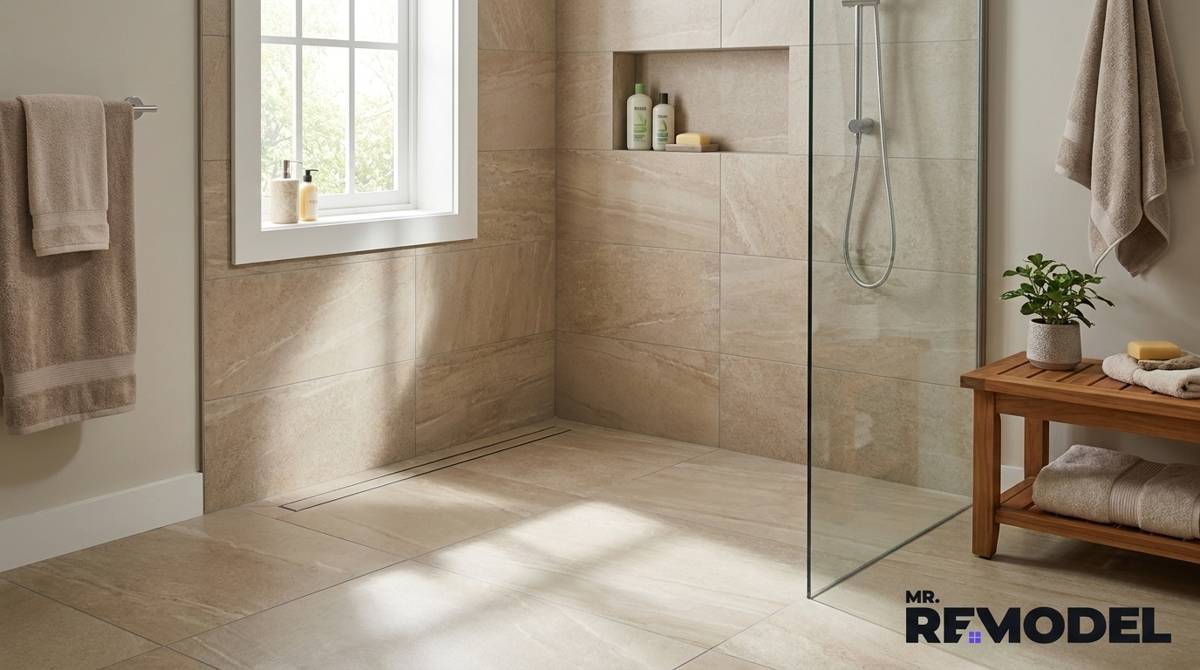
A wet room is a bathroom where the entire floor is waterproofed and curbless. These are trending in 2026 for their accessibility and "spa-like" feel. However, they require a master-level tile setter and advanced drainage systems, often costing $25,000 or more.
7. Why is my quote higher than the national average?
Regional labor rates and the choice of premium materials like natural stone or smart fixtures can drive costs up. Mr. Remodel vetted contractors provide personalized quotes that reflect your specific zip code and project choices to give you the most accurate data possible.
8. What is the EPA Lead RRP rule?
This is a federal law requiring contractors to be trained and certified in lead-safe work practices. As of January 2026, the EPA has updated its testing values, making it even more important for homeowners in older houses to hire certified firms.
9. Can I live in my home during the remodel?
Yes, but you will need to prepare for dust and noise. If you only have one bathroom, you must coordinate a "temporary" solution or choose a contractor who can guarantee a quick turnaround.
10. Does Mr. Remodel offer financing?
Many of the contractors in the Mr. Remodel network offer flexible financing options to help homeowners manage the upfront costs of a renovation. This allows you to prioritize quality and safety over the lowest immediate price.
Setting the Standard for Your Home
Choosing a bathroom remodeling contractor is the most critical decision you will make for your home this year. By focusing on technical certifications, understanding the 2026 cost benchmarks, and vetting for operational infrastructure, you protect your investment from the common pitfalls of the industry.
Remember that a bathroom is not just a cosmetic upgrade; it is a complex system of water management. Cutting corners on labor today leads to expensive failures tomorrow. Use the data provided by Mr. Remodel to benchmark your quotes and ensure you are hiring a professional who meets the elite standards of modern construction.
Stop guessing and start building. Mr. Remodel provides free, accurate quotes and connects you with the highest-rated local contractors in your area. Get your free quote and start your bathroom transformation today.