1-855-QUOTEMR

Table of Contents [hide]
A great kitchen floor needs to look good, clean easily, and keep up with spills and foot traffic. Kitchen flooring contractors help you pick the right materials, plan the work, and install everything the right way so your kitchen floor lasts.
They also save you time by coordinating details like subfloor prep, trim pieces, and grout lines. In this guide, you will learn why a specialist matters, which materials make sense, what to expect during installation, and how to budget and hire with confidence.
Why Kitchen Flooring Contractors Matter
Understand the Unique Demands of Kitchen Floors
Kitchens see water, dropped utensils, pet traffic, and constant cleaning. A pro understands slip resistance, stain control, and how light colors or textures affect everyday maintenance. They also recommend waterproof floors and sanitary flooring solutions that reduce bacterial growth at tile grout lines.
The Specialized Expertise of a Kitchen Contractor
From tile layout around islands to expansion gaps for luxury vinyl plank flooring, specialists match the material to your project scope. They plan transitions to nearby rooms and set a realistic timeline that keeps your home running.
The Contractor as Your Problem-Solver and Project Partner
Expect help with subfloor issues, moisture checks, and how new flooring will work with kitchen cabinets, kitchen countertops, and kitchen paint. Good contractors prevent problems before they start and coordinate installation services with licensed trade partners and a responsive sales team, and installation staff.
A Guide to Kitchen Flooring Materials
Luxury Vinyl Plank (LVP) and Luxury Vinyl Tile (LVT)
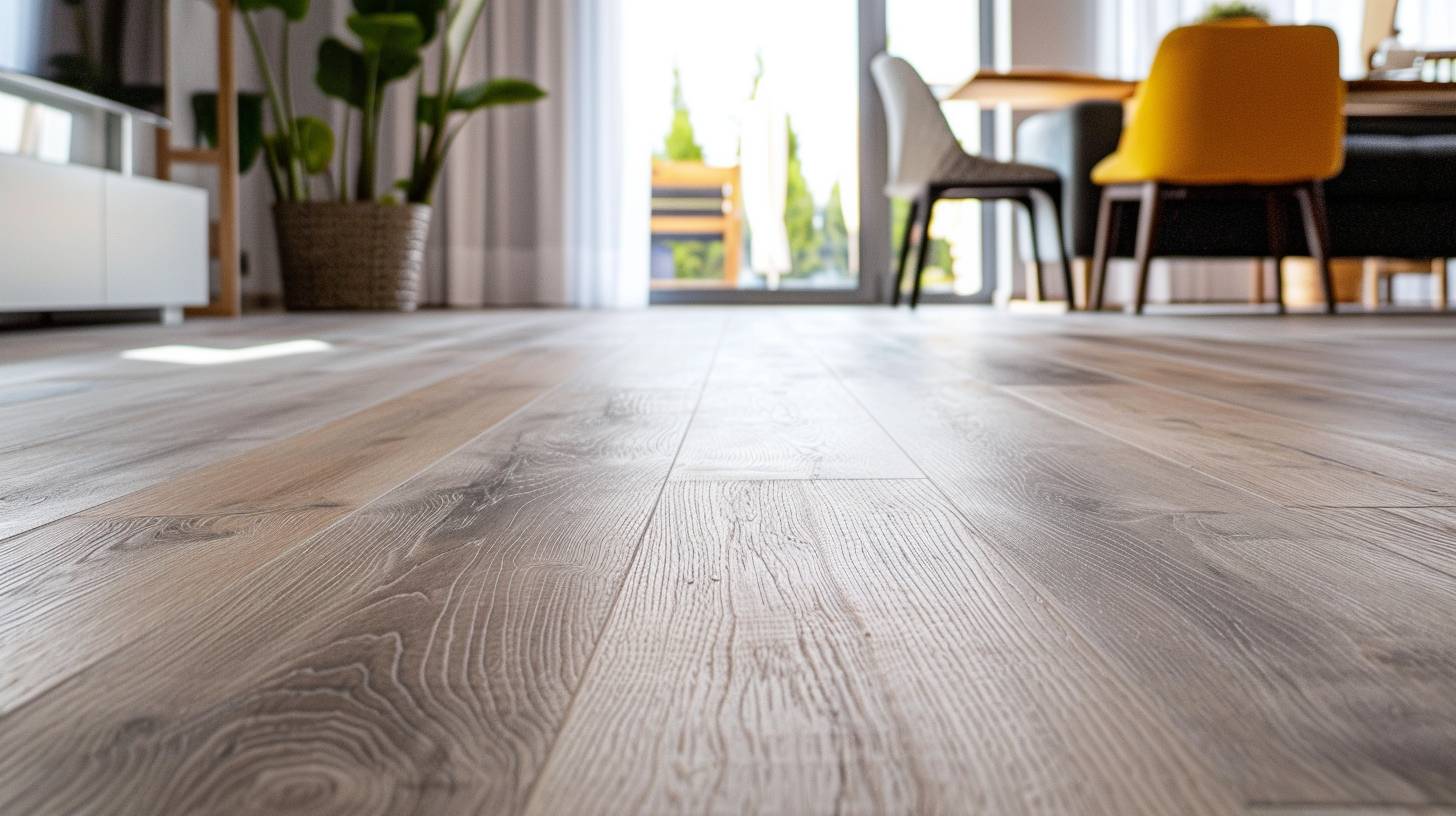
Durable, water-resistant, and comfortable underfoot. LVP and LVT come in wood and stone looks, handle busy households, and clean quickly. Choose wear layers that match your traffic and ask about waterproof flooring options near sinks and dishwashers.
Ceramic and Porcelain Tile
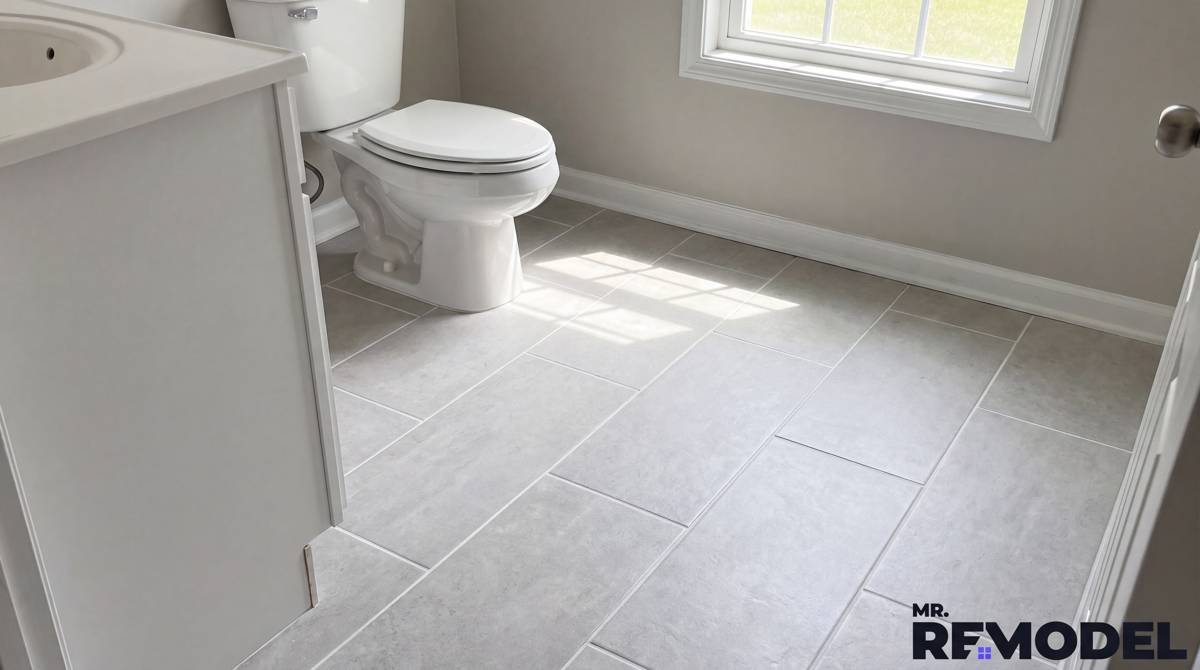
Excellent for kitchens that see spills and heat. Tile resists stains and scratches and works well with radiant heat. Ask about texture for slip resistance and grout choices that minimize staining and make cleaning easier. If you want a premium look, consider natural stone accents for an aesthetically pleasing end product.
Engineered Hardwood
Brings warmth and natural wood character with more stability than solid wood. It can work in kitchens if you follow moisture rules, use the right finish, and place mats near water zones.
Laminate Flooring
A budget-friendly choice with realistic wood looks. It installs fast and resists scratches. Many modern laminates offer water-resistant features, but you still need good seams and proper transitions to keep edges protected.
What to Expect From Your Kitchen Flooring Contractor
Your contractor should share a clear plan before work begins. Look for:
- A written, itemized estimate that covers demo, subfloor prep, materials, trims, and cleanup
- Moisture testing and a subfloor inspection to catch problems early
- A layout plan that centers patterns, aligns grout lines, and sets transitions cleanly
- A schedule that explains work hours, access, and how your kitchen will stay safe and tidy
- Product guidance on slip resistance, wear layers, and care
- A labor warranty and simple maintenance instructions after installation
Factors Influencing Kitchen Flooring Project Costs
Most 150 to 200 square foot kitchens land roughly $1,200 to $2,100 for laminate, $1,650 to $2,700 for LVT/LVP, or $2,900 to $3,600 for ceramic tile, based on current per-square-foot ranges. The final cost will defend on the following factors:
- Material and layout
- Subfloor prep
- Room shape and complexity
- Trims, transitions, baseboard or shoe molding, and stair parts
- Removal, hauling, appliance moves, and off-hours scheduling
TIP: Ask for an itemized proposal that separates prep, layout charges, trims, removal, and appliance moves so quotes are easy to compare.
FAQs About Kitchen Flooring Contractors
Can I stay home during a kitchen flooring renovation?
Usually yes. Your contractor will set a daily schedule, contain dust, and keep pathways safe. You may need to avoid the kitchen during certain steps and drying times.
What warranties should I expect?
Look for a manufacturer's warranty on flooring products and a labor warranty from the installer. Ask for both in writing, plus simple care instructions to keep coverage valid.
Will the contractor move appliances and protect cabinets?
Usually yes, but confirm in writing. Pros typically disconnect and move standard appliances, protect toe kicks and cabinets, and return everything after installation.
Do I need moisture testing before installation?
It’s a smart step, especially over concrete. Moisture testing helps your contractor choose the right adhesives and installation methods to prevent cupping, loose tiles, or gapping.
How do slip resistance and grout lines affect safety and cleaning?
Ask for tile with a light texture for traction and stain-resistant grout. For vinyl flooring, your contractor can suggest wear layers and finishes that improve grip without making cleaning harder.
Elevate Your Kitchen With the Right Kitchen Flooring Contractor
A smart plan and skilled crew make kitchen flooring simple. Start by listing your goals: easy cleaning, water resistance, warmth, or a specific look. Then gather a few written quotes that explain the scope, timeline, and warranty so you can compare fairly.
If you’re ready to take the next step, Mr Remodel can connect you with reputable kitchen flooring contractors who offer clear estimates, friendly customer service, and expert installation. Request a free quote today to get started on your new kitchen.