1-855-QUOTEMR

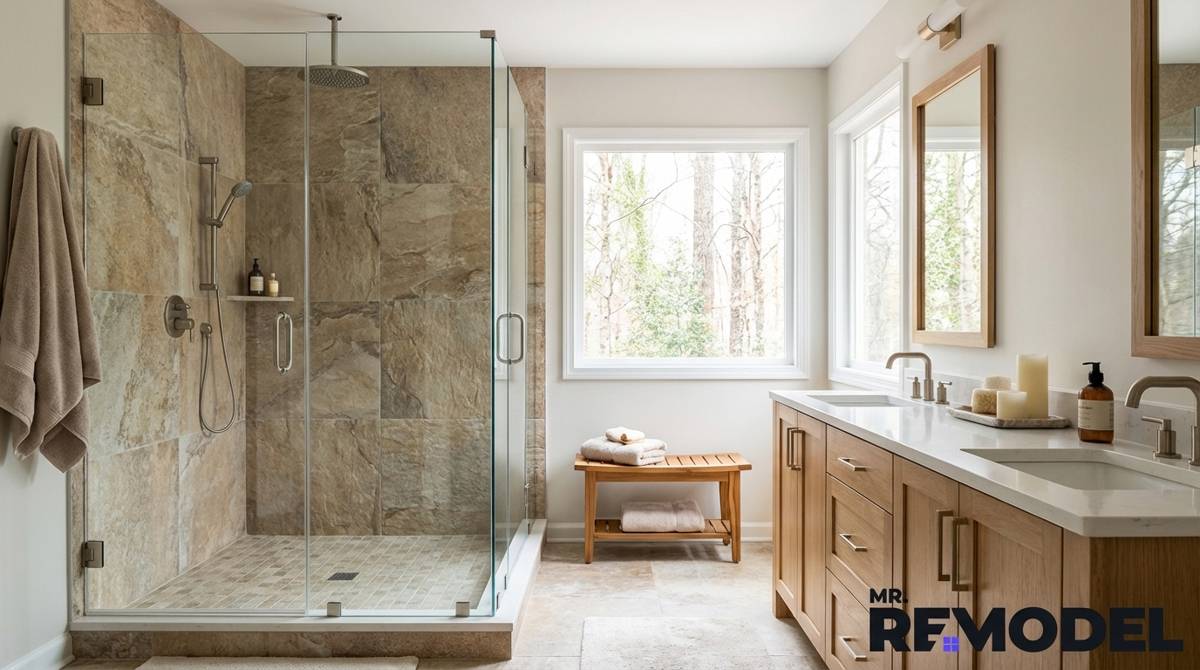
Table of Contents [hide]
Who This Is For
This guide is specifically written for suburban Atlanta homeowners living in single-family residences built during the 1990s and early 2000s. It provides actionable insights for those looking to reclaim bathroom space by replacing underutilized "garden tubs" with modern, high-value walk-in showers.
Key Takeaways
- Localized Demand: 95% of Atlanta bathroom renovation requests come from single-family suburban homes.
- The Conversion Trend: 81% of regional projects (93 out of 114 tracked by Mr. Remodel) prioritize tub-to-shower conversions over full gut renovations.
- Permit Timelines: Residential plumbing alterations in the City of Atlanta typically align with a 20-day project start urgency.
- Home Value: Modernizing primary baths in the Metro area significantly increases marketability for the 15-29 and 55+ demographic segments.
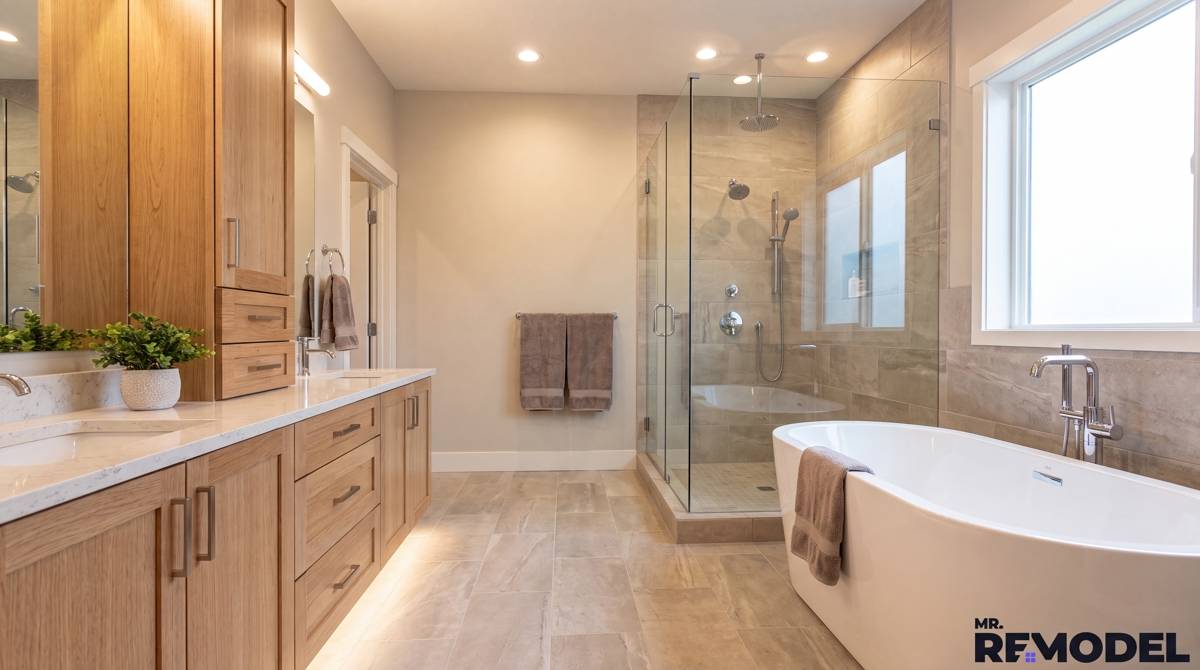
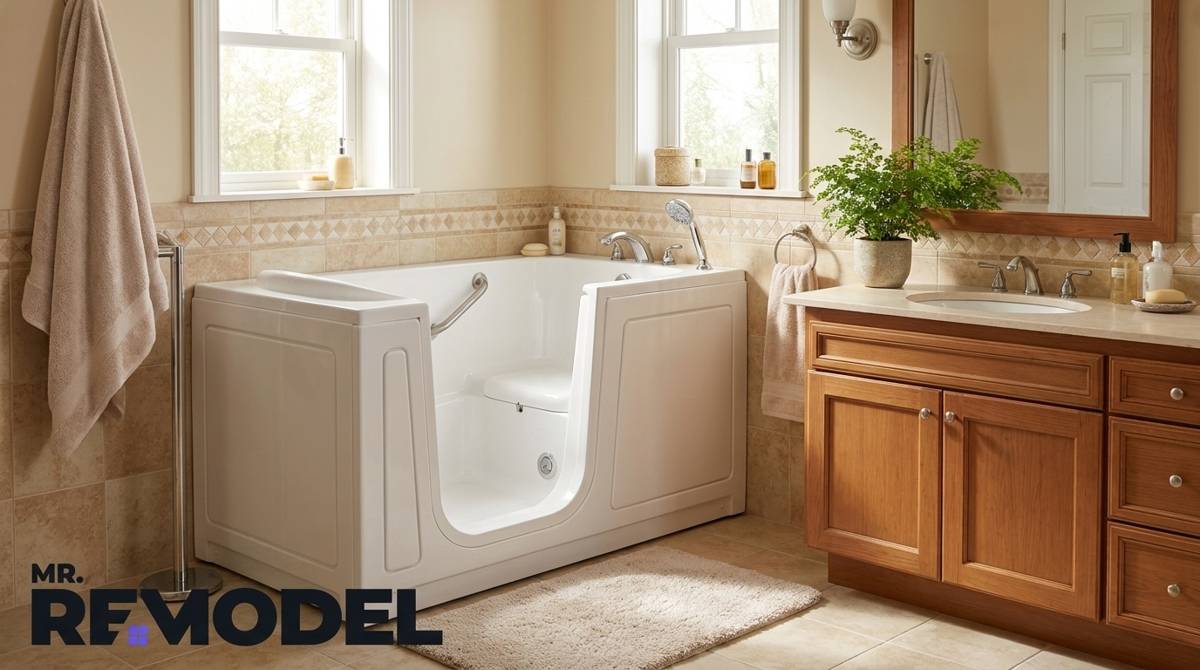
Many homes in the Atlanta suburbs, particularly those built during the sprawl of the late 20th century, feature oversized "garden tubs." While once a symbol of luxury, these fixtures now often sit unused, occupying valuable square footage that could be better utilized for a spacious, modern shower.
According to data from the Atlanta Regional Commission (ARC), single-family homes comprise 76% of the housing stock in high-growth areas like Cobb County. These aging bathrooms are the primary focus for modern homeowners who value daily functionality over high-maintenance soaking tubs.
Why Homeowners Are Choosing Conversions
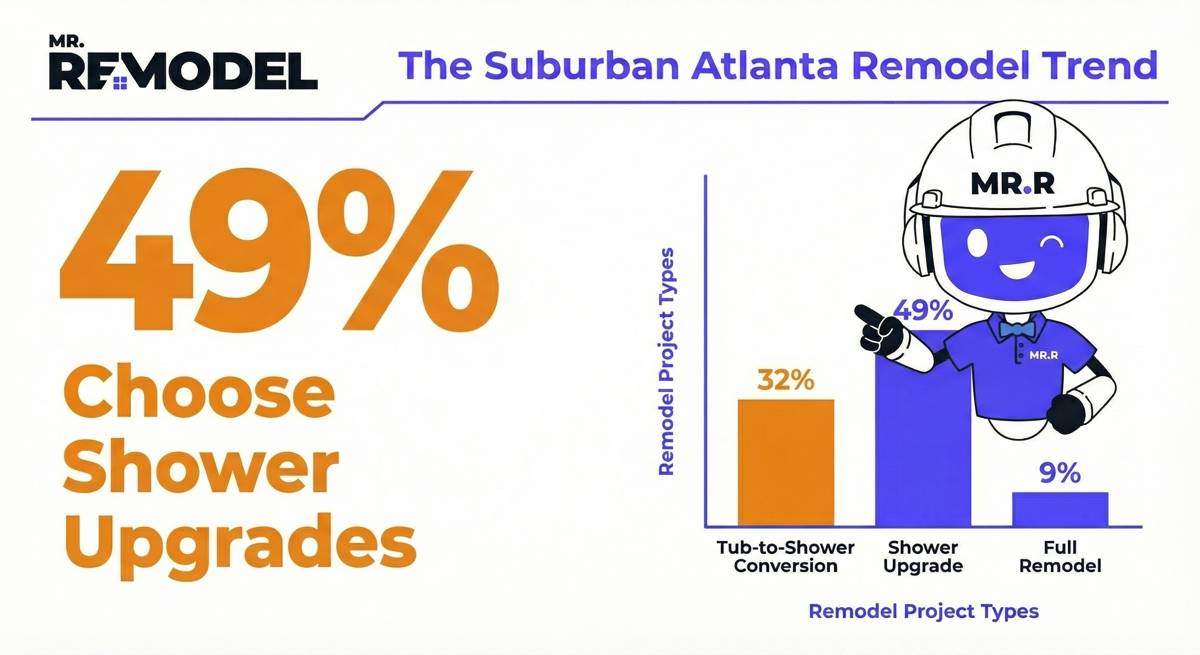
Recent Mr. Remodel market data reveals a massive shift in homeowner intent. Out of 114 analyzed projects in the Georgia market:
- 56 specifically sought "Shower Upgrades."
- 37 focused on "Tub-to-Shower Conversions."
- Only 10 projects requested a complete, full-scale bathroom remodel.
These data suggest that Atlanta residents are not looking for total demolition. Instead, they want targeted, high-impact changes that solve the architectural "pain point" of the 1990s floor plan.
Navigating the Atlanta Renovation Timeline
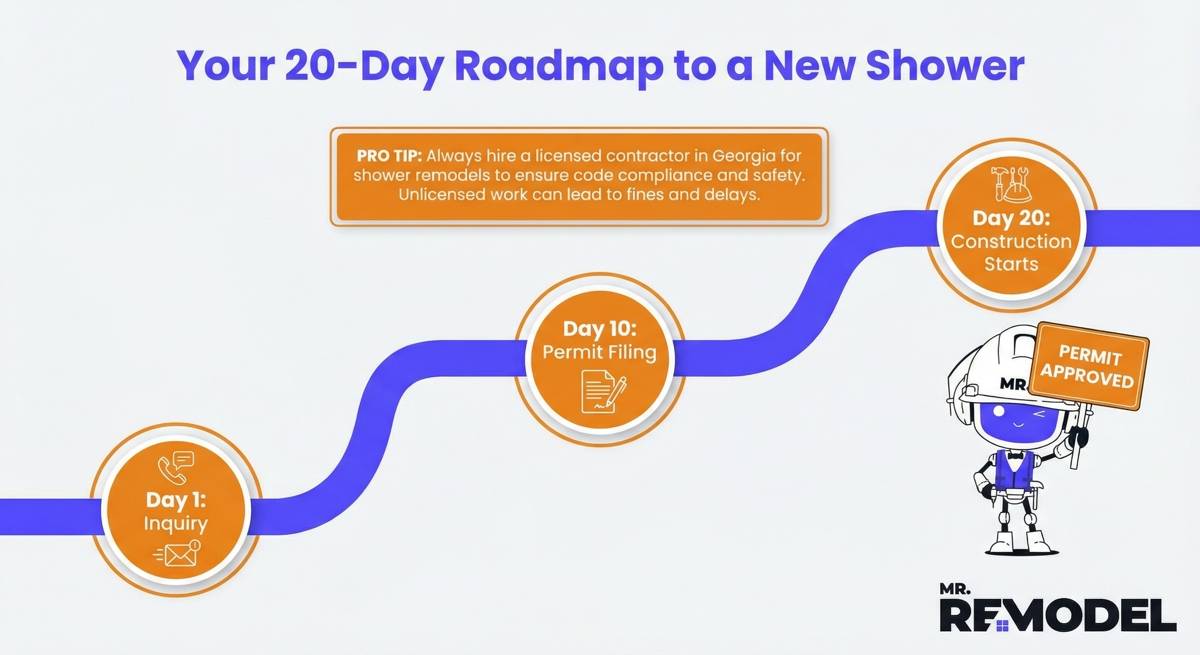
Efficiency is a hallmark of the Atlanta market. Homeowners in this segment exhibit high conversion urgency, with most aiming to begin construction within 20 days of their initial inquiry. This timeline requires a contractor who is well-versed in local regulations.
The City of Atlanta Office of Buildings requires residential building permits for most plumbing alterations. Understanding these workstreams, including the difference between regular and express permits, is essential for keeping your project on schedule.
Essential Legal and Safety Compliance
Before hiring bathroom remodel contractors in Atlanta, verify that they:
- Adhere to the Georgia Right to Repair Act.
- This legislation provides a specific notification process and protections for homeowners regarding construction defects.
- Hold a valid license from the Georgia Secretary of State.
- This step ensures your project meets the safety standards required for modern plumbing and electrical work in single-family dwellings.
|
Pro Tip: When you use a platform like Mr. Remodel, you are instantly connected with local Atlanta contractors who are already vetted for licensing and insurance compliance, saving you weeks of research. |
Cost Guide for Atlanta Bathroom Upgrades
Budgeting for a remodel in the Metro area depends heavily on the complexity of the plumbing and the materials selected. While a simple "like-for-like" swap is affordable, custom walk-in showers offer the best return on investment for suburban resale value.
Estimated Investment by Project Type
The following table outlines the current market rates for various bathroom modernization projects in the Atlanta area:
|
Project Type |
Average Cost Range |
ROI Potential |
|
Standard Tub Swap |
$2,000 to $4,500 |
Moderate |
|
Tub-to-Shower Conversion |
$3,500 to $8,500 |
High |
|
Custom Tile Walk-In Shower |
$6,000 to $12,000 |
Very High |
|
Full Primary Suite Remodel |
$15,000 to $35,000+ |
High |
Factors Influencing Your Total Cost
- Plumbing Relocation: Moving a drain to accommodate a new shower footprint typically adds $500 to $1,500 to the labor cost.
- Material Choice: Custom tile and frameless glass doors are significantly more expensive than prefab acrylic inserts but offer a superior aesthetic.
- Subfloor Integrity: Removing heavy cast-iron garden tubs may reveal water damage that requires structural repair before the new shower is installed.
Strategic Benefits of a Walk-In Shower
Transitioning to a walk-in shower is not just about aesthetics; it is a strategic move for aging-in-place and accessibility. The USDA Rural Development Georgia office often highlights the importance of home modernization and repairs for maintaining the long-term viability of single-family housing stocks.
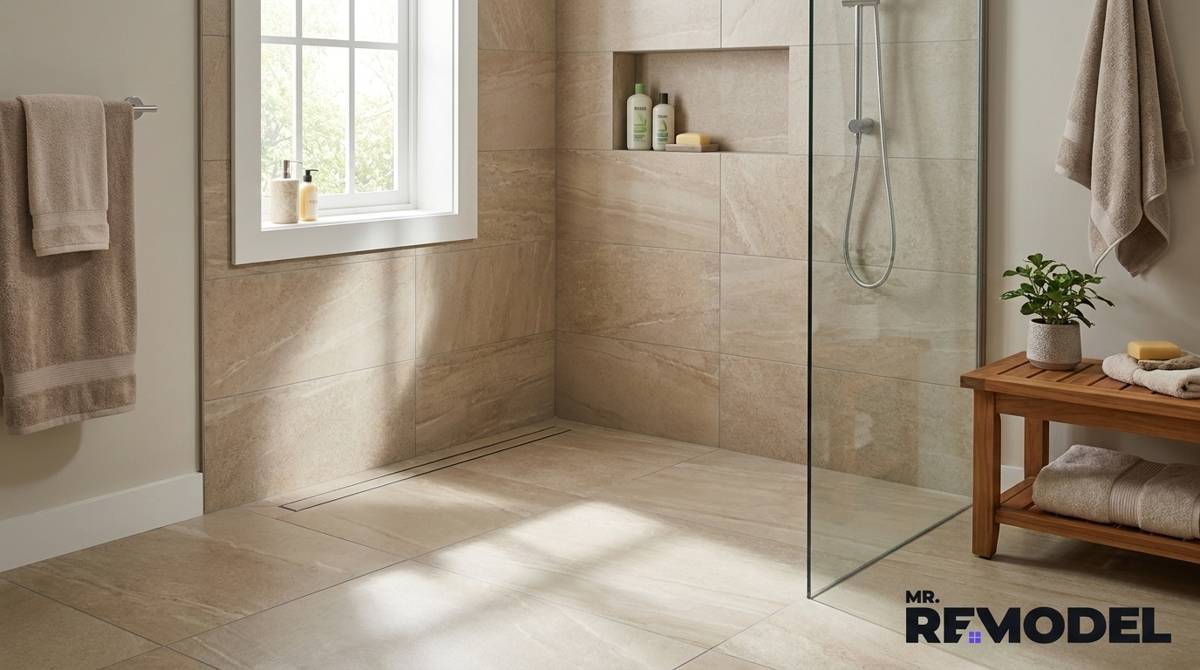
A curbless or low-threshold shower reduces trip hazards and makes the bathroom more accessible for all ages. This "universal design" approach is increasingly popular in suburban Atlanta as the local population of residents aged 55+ continues to grow.
Frequently Asked Questions (FAQ)
Do I need a permit for a bathroom remodel in Atlanta?
Yes, the City of Atlanta requires permits for any project that involves moving plumbing fixtures or altering electrical systems. Working with a licensed contractor ensures that these permits are filed correctly to avoid fines during home inspections.
How long does a tub-to-shower conversion take?
A standard conversion typically takes 3 to 7 days of active construction. However, the planning phase, including contractor selection and material ordering, usually begins about 20 days before the start date.
Will removing my only bathtub hurt my home's resale value?
In suburban Atlanta, most buyers prefer at least one bathtub in the house, usually in a secondary bathroom. Converting the primary bathroom's garden tub into a luxury shower is generally seen as a significant upgrade that increases value.
How do I know if a contractor is licensed in Georgia?
You should verify all licenses through the Georgia Secretary of State's online portal. Services like Mr. Remodel help by matching you with contractors who have already undergone professional verification, ensuring they meet state standards.
What is the most common bathroom layout in 90s Atlanta homes?
Most 1990s suburban homes in the Metro area feature a "split" layout with a separate garden tub and a small, cramped shower stall. Combining these into one large walk-in shower is the most frequent request we see in our localized data.
Finalizing Your Atlanta Bathroom Vision
Modernizing your Atlanta home doesn't require a full gut renovation to be effective. By focusing on the "bathing transition," replacing that oversized garden tub with a sleek, accessible walk-in shower, you can reclaim space and increase your home's market value.
Mr. Remodel data confirms that targeted upgrades are the most efficient way for Georgia homeowners to achieve a modern look without the 1990s footprint holding them back. Whether you are in Cobb, Gwinnett, or North Fulton, the right local expert can transform your space in as little as three weeks.
Ready to reclaim your bathroom space? Get started today by requesting a free quote through Mr. Remodel.