1-855-QUOTEMR

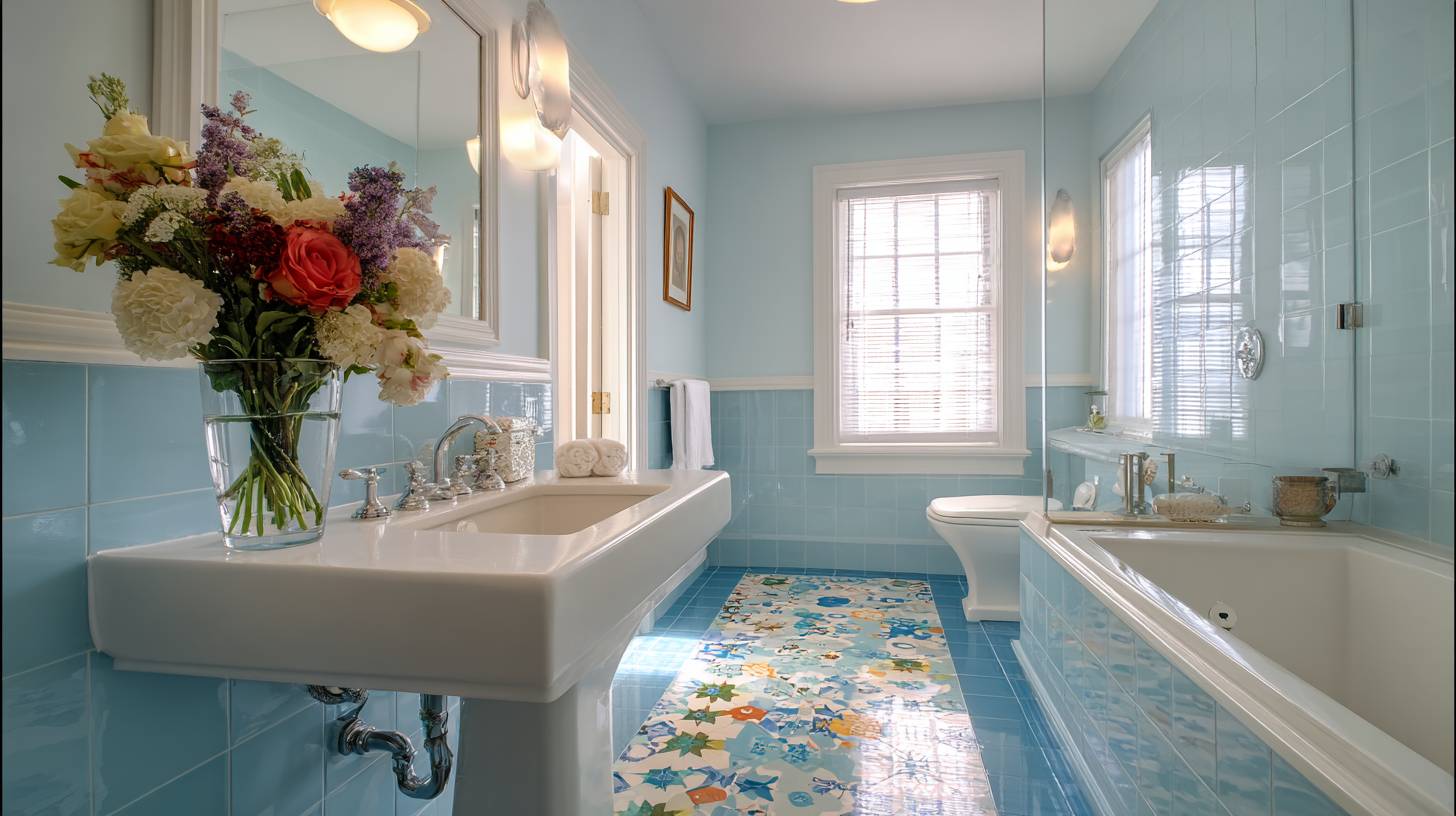
Table of Contents [hide]
A 1930s bathroom remodel is more than a simple renovation; it's a historical restoration. Homes from this era, whether a cozy Tudor house or a stately Colonial, are filled with character. The 1930s bathrooms within them are often defined by vibrant tiles, sturdy cast iron tub fixtures, and a charm that is impossible to replicate with modern, mass-produced materials.
The challenge, however, is that these spaces were not designed for modern life. They often lack storage space, have questionable wiring, and feature plumbing that has often outlived its lifespan.
How do you perform a bathroom renovation that respects the home's heritage while delivering the modern elegance and function your family needs? This guide will walk you through the essential design tips, the hidden challenges to expect, and how to create a 1930s-style bathroom that feels both authentic and new.
The Charm of 1930s Bathrooms: What to Keep
Before Demo Day, the first step is to take inventory. A 1930s home may have "good bones" that are worth saving. These original features are the soul of the space.
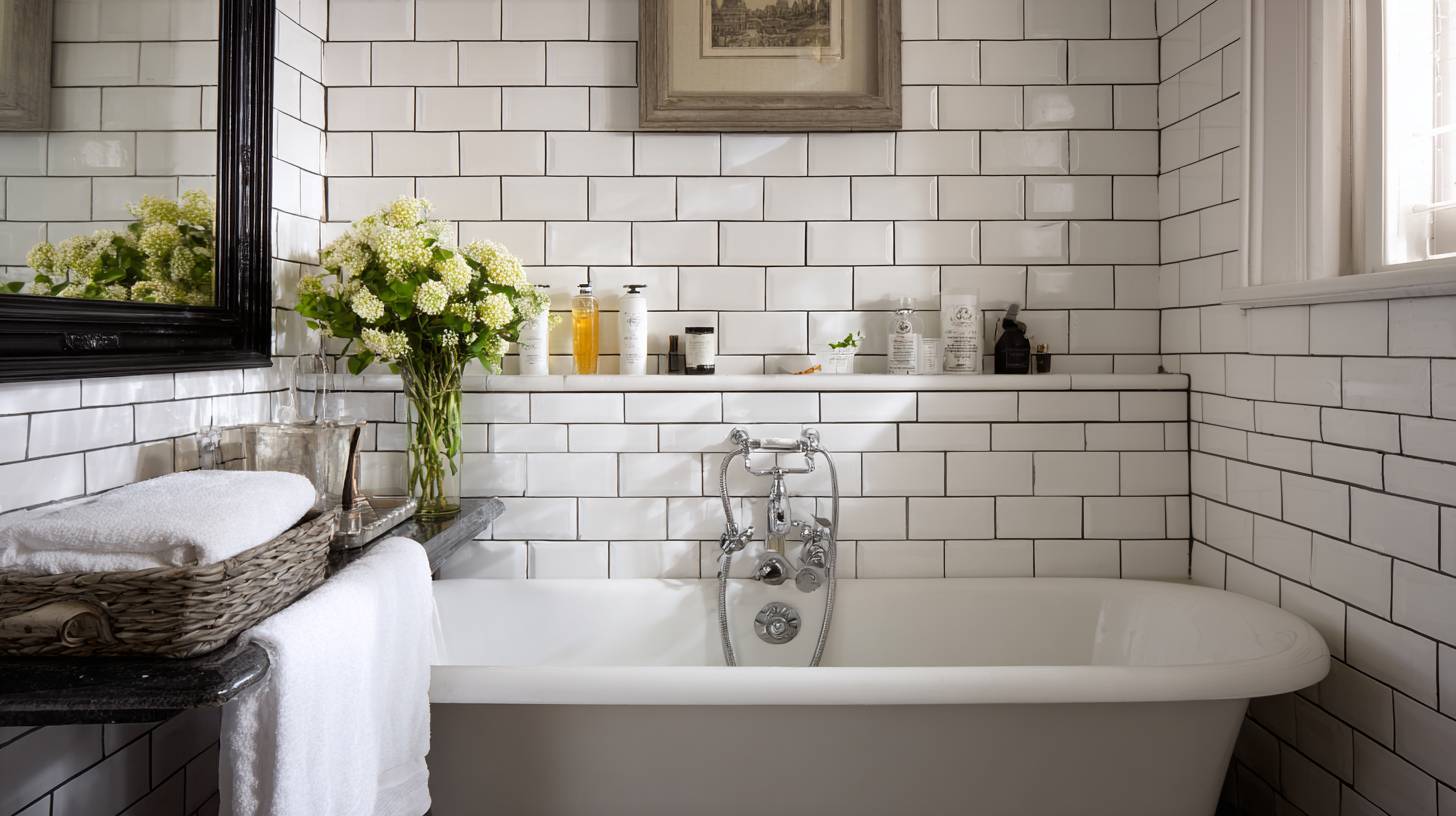
The Cast Iron Tub
This is often the centerpiece. Whether it's a roll-top bath on clawfoot feet or, more commonly, a deep, built-in alcove tub, its quality is unmatched. Refinishing a Kohler Bathtub from this era is often cheaper and yields a more durable result than a new acrylic tub.
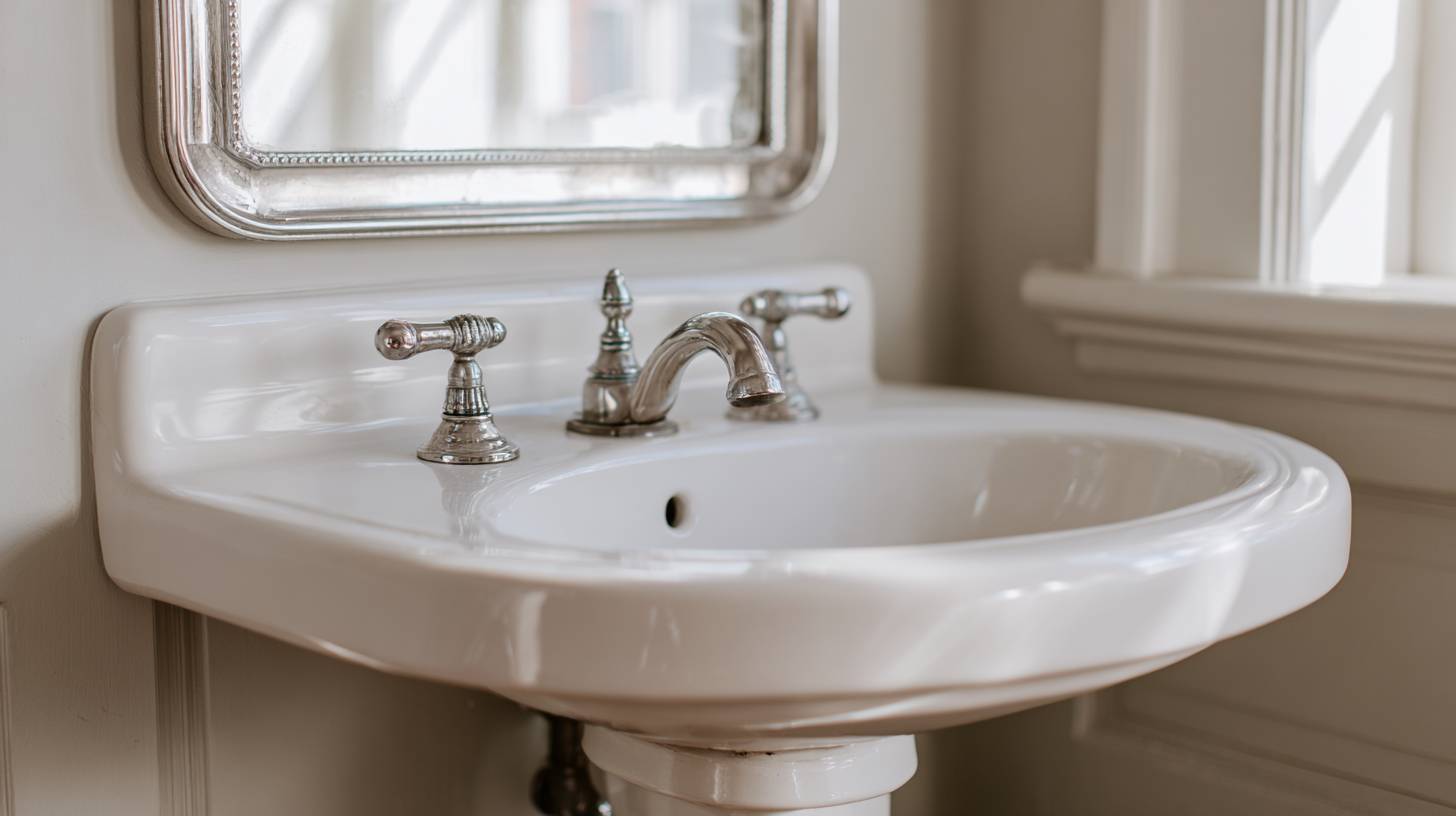
The Pedestal Sink
While they offer zero storage, an original pedestal basin has a graceful style that defines vintage bathrooms. If it's in good condition, consider keeping it and solving storage issues elsewhere.
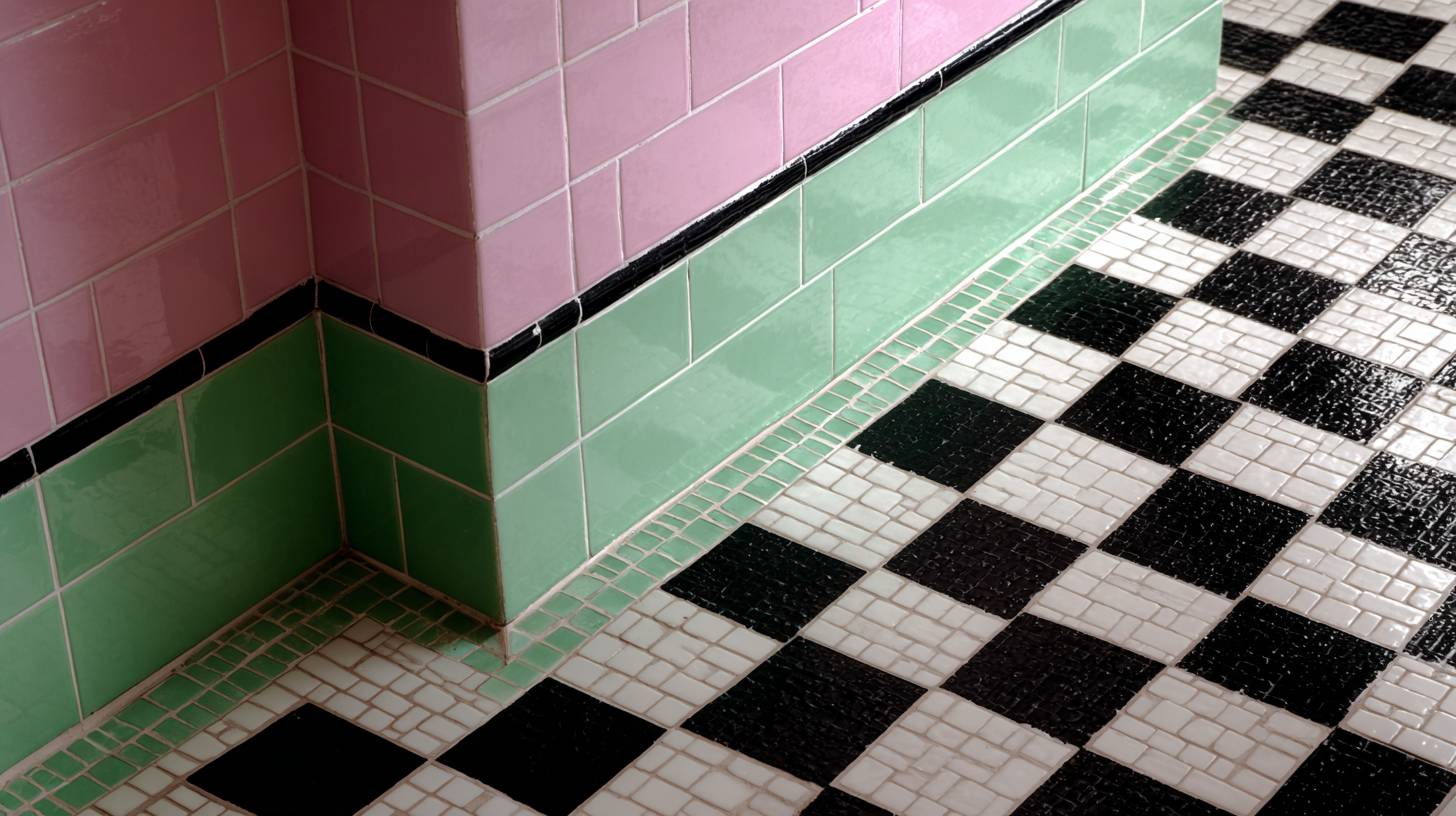
The Tilework
Look closely at the bathroom tile. While some may be damaged, you might have original, vibrant tiles in classic colors like calamine pink, mint (arsenic green), or butter yellow. Look for unique black-accent tile liners or a diamond pattern on the floor.
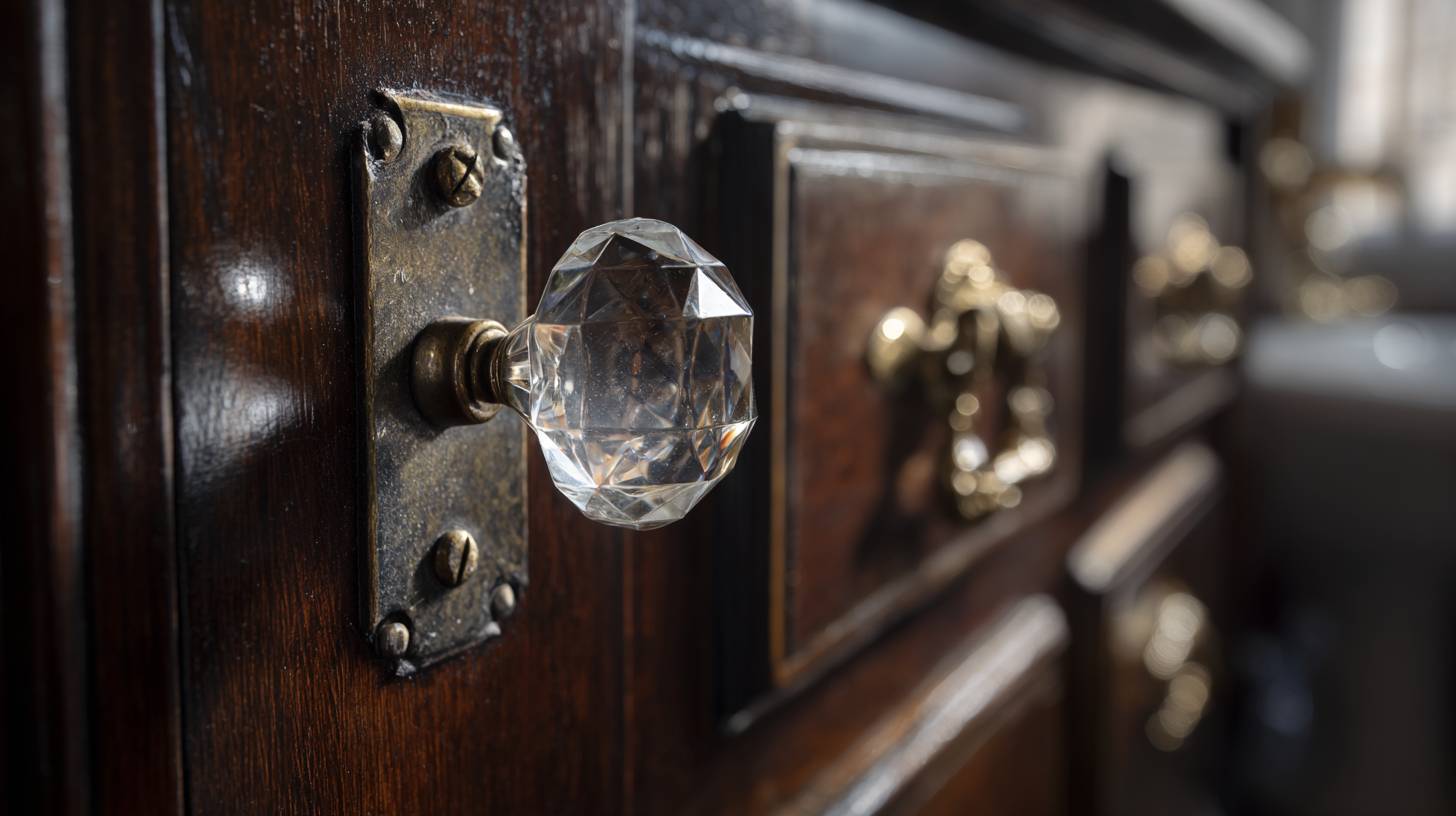
Original Hardware
Don't throw out the crystal doorknobs, brass hinges, or the original medicine cabinet. These small details are expensive to replace with quality reproductions.
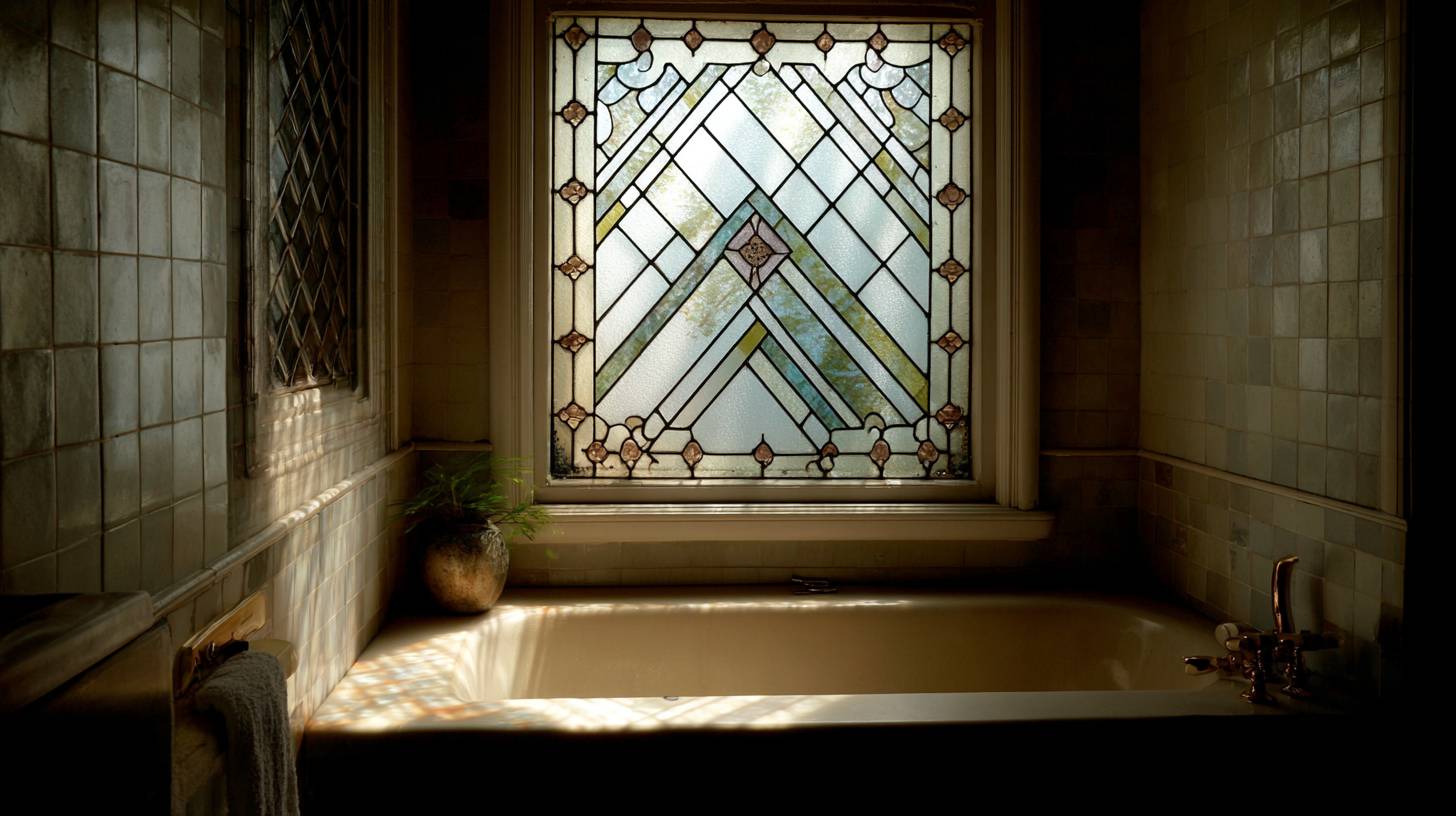
Unique Features
Does your 1930s house have a leaded glass window in the bathroom? Or a quirky (and useful) laundry chute in the linen cabinet? These are irreplaceable elements of a heritage home.
Designing Your Authentic 1930s Look
If the original features are too damaged, the goal is to recreate the 1930s look with new materials. The bathroom design of this era was a transition from Art Deco to Streamline Moderne.
Tiles
- WallTile: Subway tile is a timeless choice, but for a true 1930s feel, consider 4x4 or 6x6 inch square tiles. Don't be afraid of colored tile; it's the hallmark of the era. Use a black accent tile liner to create a border and cap the wainscot.
- FloorTile: Small hexagon floor tiles (often white with a black flower pattern) or a patterned tile floor in a basketweave or diamond pattern are perfect.
- Grout: A key detail is the grout line. Ask your tile setter for a tight string joint grout line (1/16 inch) to achieve an authentic, pre-war look.
- ReproductionTile: For the most authentic tile glaze and colors, look to specialty suppliers like B&W Tile, Mission Tile West, or Clay Squared to Infinity.
Fixtures and Storage
- Sinks: If you need more function than a pedestal sink, look for a footed vanity (like those from James Wesley Furniture) or a console sink. These feel light and appropriate for the era while offering some counter space.
- Faucets: Look for classic cross-handles. A widespread faucet set from a line like Kohler Triton or a classic Delta Faucet design will fit perfectly.
- Storage: Since vintage bathrooms lacked storage, build it in. Recessed shaving cabinets (medicine cabinets) and a floor-to-ceiling linen cabinet are period-appropriate ways to add storage space.
Integrating Modern Elegance Seamlessly
A 1930s bathroom remodel doesn't mean you have to live in the past. The best renovations hide modern luxuries behind a vintage facade.
The Modern Walk-in Shower
This is the biggest dilemma for master bathrooms. How do you add one without it looking out of place?
- Solution 1: If you keep the cast-iron tub, upgrade it with a period-style overhead shower and a handheld showerhead on a riser.
- Solution 2: Create a walk-in shower by using the same subway tile on the walls and a hexagon floor tile for the shower pan. This visual continuity makes it feel integrated, not tacked on.
Underfloor Heating
This is the best modern upgrade for a heritage home. An electric-web heated floor system, or radiant heat, is installed invisibly under the new patterned tile floor. It eliminates the cold shock of tile and adds immense comfort and value.
Lighting and Ventilation
Update all electrical systems for safety. Add a quiet, powerful exhaust fan to protect your new space from moisture. Recessed lighting can handle the main illumination, supplemented by period-style sconces around the vanity.
Before Demo Day: The Hidden Challenges of a 1930s Home
You must budget for the unknown. A 1930s house is full of surprises, and what your demo crew finds will directly impact your bathroom renovation budget template.
- Lead and Asbestos: Assume you have lead paint. The U.S. Environmental Protection Agency (EPA) has strict guidelines for its removal. Asbestos may also be present in old flooring or pipe insulation. You must hire a certified contractor to handle this safely.
- Plumbing Problems: Your home likely has galvanized steel pipes that are at the end of their 80 to 90-year lifespan. They are likely corroded, which restricts water pressure and leaches rust into the water. Plan to replace all accessible supply lines.
- Sewer Lines: Older homes often have clay sewer lines that are susceptible to cracking and invasion by tree roots. A sewer scope is a wise investment before you begin.
- Electrical Hazards: It is common to find old, ungrounded wiring or even knob-and-tube systems. The U.S. Consumer Product Safety Commission (CPSC) identifies outdated wiring as a major fire hazard. Your budget must include updating the electrical to modern, GFCI-protected circuits.
Planning, Budgeting, and Resale Value of a 1930s Bathroom
A 1930s bathroom remodel is a smart investment, but only if done correctly.
Resale Value
According to the Journal of Light Construction 2025 Cost vs. Value Report, a mid-range bathroom remodel is one of the top projects for return on investment. In a heritage home, this value is amplified. Buyers seek out old homes for their charm. A remodel that respects the 1930s style will fetch a much higher premium than one that installs generic, modern fixtures.
Historical Accuracy
For guidance on maintaining historical character, the National Park Service's Technical Preservation Briefs are an invaluable resource for understanding the "why" behind old-house construction.
Accessibility
If you are remodeling for the long term, consider accessibility features. The AARP's HomeFit Guide offers excellent design tips for creating a safe and beautiful space, such as a curbless walk-in shower and proper grab-bar placement.
A Renovation Worthy of Your Home's History
Your 1930s house is a piece of history. A bathroom remodel is your chance to honor that legacy while creating a space that is comfortable, safe, and functional for the next 100 years. It is a balancing act between the past and present.
This is not a project for just any contractor. It requires a general contractor who specializes in older homes. They will know how to perform leak checks on old plumbing, safely update 100-year-old electrical, and source the perfect Kohler Triton faucets to match your pedestal basin.
Mr Remodel connects you with verified, preservation-minded contractors who understand the unique demands of a heritage home. Get your free, no-obligation quote from a local pro who knows how to blend vintage bathrooms with modern elegance today.