1-855-QUOTEMR

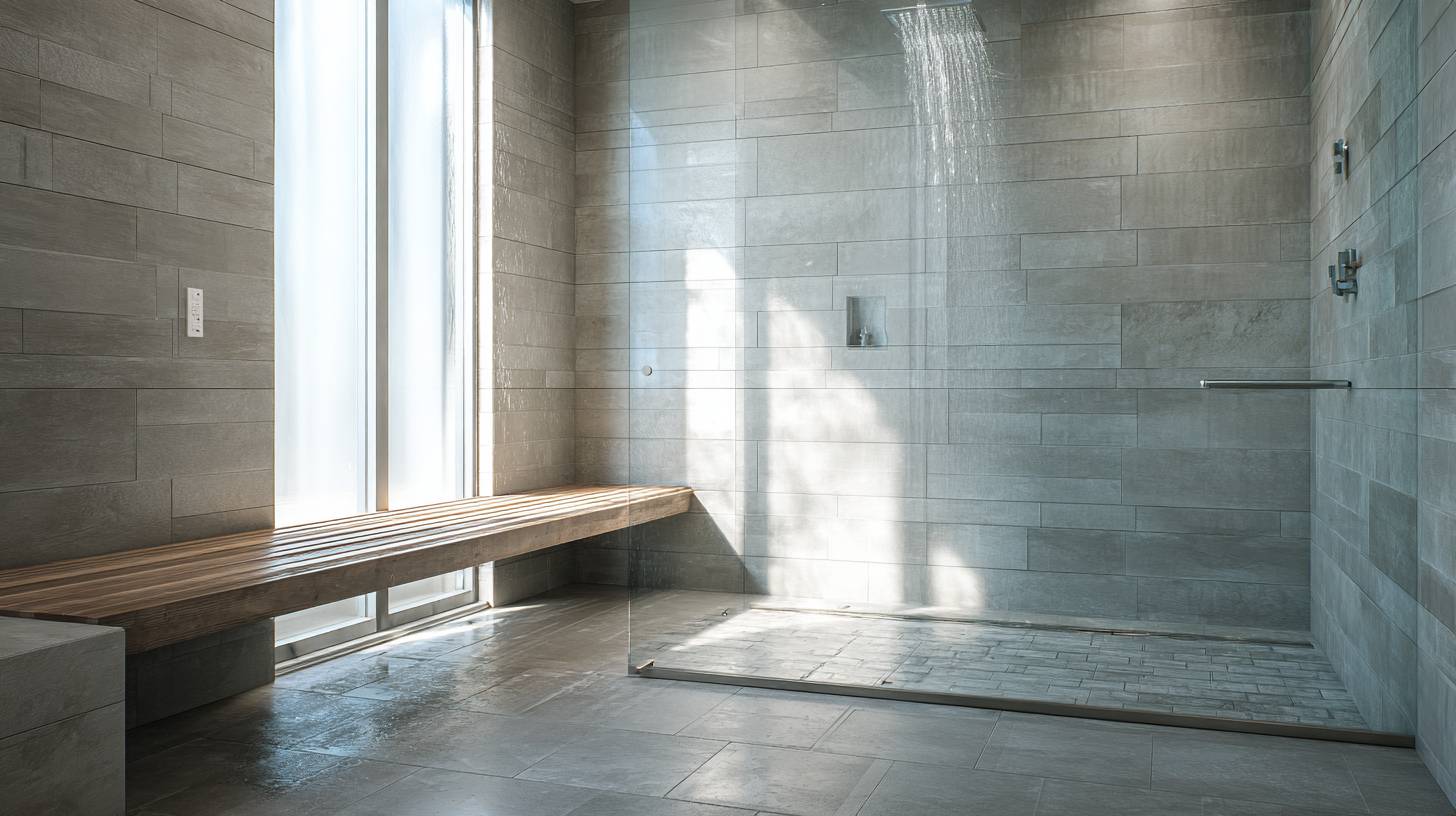
Table of Contents [hide]
Homeowners are increasingly converting bathtubs to walk-in showers in standard 5x10 bathrooms. This popular upgrade modernizes the space and improves accessibility. Understanding the average cost, design options, and construction requirements is essential for a successful project.
This guide provides a complete breakdown of a tub-to-shower conversion. It covers current pricing, material selections, and key considerations for homeowners planning this bathroom remodel.
Why Choose a Tub-to-Shower Conversion?
Replacing a tub with a walk-in shower is a top trend in bathroom design. This conversion eliminates the high step-over of a tub, creating a safer, more accessible entry. The open sightlines of a shower enclosure can make a standard 5x10 bathroom feel significantly larger and more modern.
Understanding Your Tub-to-Shower Conversion Cost
The average cost to convert a tub to a shower ranges from $1,000 to $9,000, with most homeowners spending between $3,500 and $8,000 for a quality installation. A basic prefabricated alcove shower unit falls on the lower end, while a fully custom-tiled walk-in shower with a frameless glass enclosure can reach $15,000 or more.
Labor Costs and What to Expect
Labor costs represent a significant portion of the total budget, typically accounting for 40% to 60% of the final price. For a 5x10 bathroom, this translates to approximately $2,400 to $3,600 in labor alone. Complex tasks like tile installation and plumbing work require skilled professionals and influence final costs.
A Detailed Cost Guide for Your Project
Your choice of materials for the shower walls and floor dramatically impacts the total bathroom remodel cost. Here are the common 2025 price ranges:
|
Material |
Average Cost Per Sq. Ft. |
Best for |
|
Ceramic Tile |
$2 to $30 |
Budget-conscious projects, DIY-friendly options |
|
Porcelain Tile |
$3 to $35 |
Durability, moisture resistance, variety of styles |
|
Natural Stone (e.g., Travertine Tile) |
$5 to $100 |
Luxury aesthetics, unique natural patterns |
|
Solid Surface |
$40 to $ 65 |
Seamless look, easy cleaning, modern feel |
|
Prefabricated Shower Stall |
$400 to $2,000 (unit cost) |
Fast installation, low maintenance |
Additional Cost Factors in Your Remodel
Beyond the shower itself, other elements affect your total remodeling costs:
- Shower Doors: Frameless glass doors add a high-end touch but cost more than framed models.
- Plumbing Fixtures: The price of a new showerhead, valve, and handle varies from standard to high-end.
- Building Permits: Most jurisdictions require building permits for plumbing and electrical work, costing $150 to $400.
- Unforeseen Issues: Demolition may reveal water damage or mold remediation needs, adding $500 to $1,500 to your budget.
Design Inspirations: Choosing Your Walk-In Shower
Prefab Shower Stall vs. Custom Tiled Enclosure
The choice between a prefab unit and a custom build is fundamental.
- A prefab shower stall is a cost-effective, one-piece unit made of acrylic or fiberglass. Installation is often quicker, sometimes completed in just one day. This is a great option for a standard alcove shower.
- A custom tiled enclosure offers unlimited design potential. You can choose from ceramic tile, porcelain tile, or natural stone to create a unique look. While more expensive, this option allows for a fully personalized shower enclosure.
Trending Styles for Your Bathroom Remodel
Modern bathroom trends focus on creating a spa-like retreat.
- Spa-Like Features: Incorporate pebble tile for the shower floor for a natural, massaging feel. Adding a bench is both stylish and functional.
- Minimalist Designs: Large-format tiles in neutral tones like Transitional gray tile create a clean, seamless look with fewer grout joints.
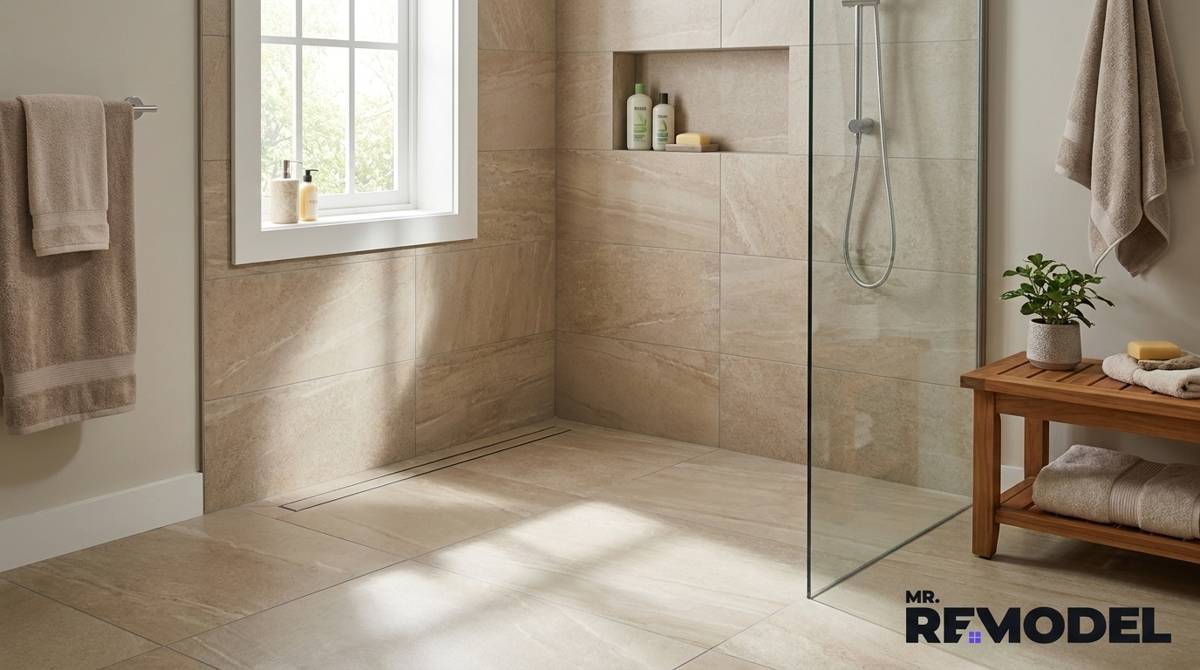
- Accessibility Focus: Barrier-free showers with minimal curbs are trending, improving both accessibility and the sense of space.
It's More Than Just a Swap: Key Construction Considerations
The Critical Shower Drain and Pan Installation
Converting a tub to a shower requires crucial plumbing work. A tub uses a 1.5-inch drain, while a shower requires a 2-inch drain. This change is essential for proper drainage and is a key factor in the plumbing work cost. A new shower pan or shower tray must also be installed and properly sloped to prevent water pooling.
Waterproofing Your Shower Walls and Floor
Proper waterproofing is non-negotiable. It prevents water damage and mold growth. Modern standards recommend using a waterproofing membrane behind and beneath tiles. This system creates a sealed envelope that protects your home's structure.
Essential Electrical Work and Lighting Fixtures
This remodel is an opportunity to upgrade your lighting fixtures. You may want to add recessed lights in the shower enclosure or a new bath vent fan to meet moisture control standards. All electrical work in a bathroom, including new outlets, must be GFCI-protected for safety.
Navigating the Project Scope: From Permits to Pros
Why You Need Professional Remodeling Contractors
The complexity of plumbing work and electrical updates makes this a project best left to professional remodeling contractors. They ensure the work is done to code, which is crucial for safety and preventing costly future repairs. A professional can also help navigate building permits and inspections.
Demolition, Disposal, and Potential Surprises
The project begins with demolition and haul-away services, which cost an average of $600. Once the old tub is removed, contractors might discover unexpected issues like a damaged subfloor or outdated plumbing. Budgeting an extra 10-15% for these potential surprises is a wise part of planning your project scope.
How This 5x10 Bathroom Remodel Boosts Your Home Value
A modern, accessible bathroom significantly boosts your home value. A tub-to-shower conversion is a desirable update for many buyers. On average, a bathroom remodel offers a return of about 60% to 70% of the investment.
However, if this is the only bathroom in your home, consider that removing the only tub could deter families with young children. For a master bathroom, a spacious walk-in shower is almost always a valuable upgrade.
Your Tub-to-Shower Conversion Project Checklist
A clear project checklist keeps your 5x10 bathroom remodel on track.
- Define your budget and desired project scope.
- Research design ideas and select materials.
- Obtain quotes from several licensed and insured contractors.
- Finalize designs and secure necessary building permits.
- Prepare your home for construction.
- Undergo demolition, followed by plumbing and electrical rough-ins.
- Install waterproofing, then tile and new fixtures.
- Complete final inspections and cleanup.
Frequently Asked Questions on Bathroom Remodels
How long does a typical conversion take?
Professionals can often complete a conversion using a prefabricated shower stall in just one to three days. A fully custom tiled shower will take longer, depending on the complexity of the tile installation and drying times.
Is it cheaper to install a shower or a tub?
Installing a standard bathtub is generally less expensive than building a custom walk-in shower. However, the cost to install a prefabricated alcove shower can be comparable to or even less than a new tub.
Do I need a permit for this project?
Most jurisdictions require building permits for a tub-to-shower conversion because it involves alterations to plumbing and potentially electrical systems. Always check with your local building department; your contractor can usually handle this process.
Ready to Start Your Bathroom Transformation?
A successful 5x10 bathroom remodel, featuring a tub-to-shower conversion, modernizes your space, improves accessibility, and enhances your home's value. By understanding the costs, materials, and construction process, you can make confident decisions for your project.
Ready to take the next step? The team at Mr Remodel is here to connect you with trusted professionals who can bring your vision to life. Contact us today for a personalized consultation and quote for your bathroom transformation.