1-855-QUOTEMR

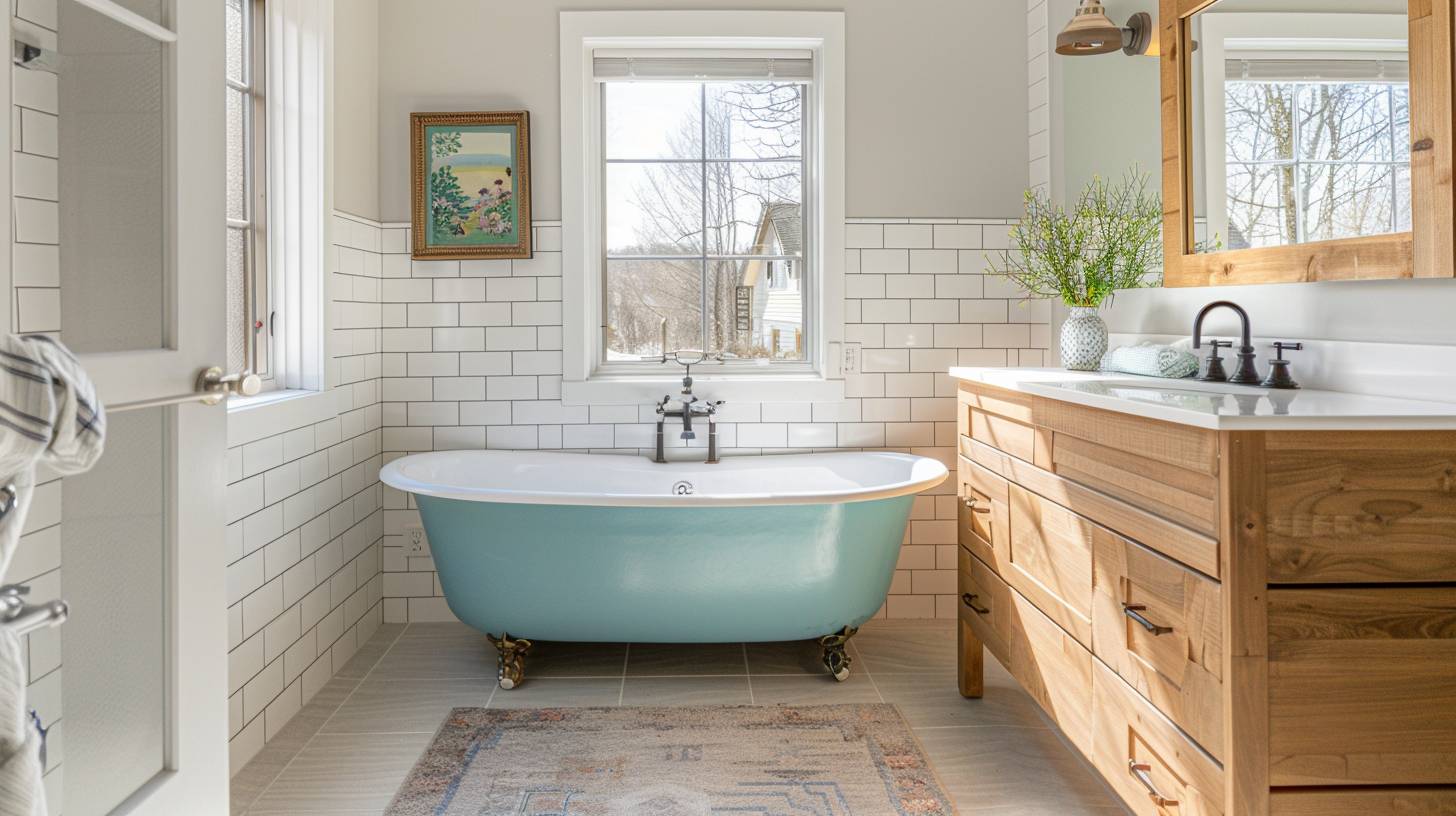
Table of Contents [hide]
A 1960s bathroom remodel is a project filled with potential. These bathrooms have a unique character, from mid-century modern vanities to colorful vintage tile. However, they also come with spatial challenges, dated plumbing fixtures, and, of course, the infamous blue bathtub.
The goal of a modern bathroom renovation isn't to erase that history, but to blend vintage style with modern comfort and safety. This guide covers what to keep, what to update, and how to handle the technical side of your home renovation.
What to Keep vs. What to Replace
When planning your 1960s bathroom remodel, the first step is to take inventory.
What You Might Keep
Vintage Tile
If your hexagon tile or mosaic tile floor is in good shape, consider keeping it. A professional cleaning or a grout restoration product can bring it back to life.
The Vanity Cabinet
Many mid-century modern vanities are made of solid wood. Refinishing the cabinet and adding a new top can be a stunning centerpiece.
Unique Features
Does your bath have a scalloped ceiling trim or a cathedral window frame? These are the details that give the room its vintage style.
What You Should Replace
Old Plumbing Fixtures
Original faucets and showerheads are inefficient. New fixtures from brands like American Standard or Pfister will improve water pressure and meet modern codes.
The Toilet
1960s toilets are water-guzzlers. A modern, low-flow toilet is a must-have upgrade.
Lighting
Old, rusty light bars should be replaced with better, safer lighting, like sconces next to the mirror, to create visual balance.
Old Flooring
Any flooring material that isn't tile, especially old carpet, must be removed. These porous materials are a hallmark of 1960s design but are known to trap decades of moisture, mildew, and bacteria.
Modern Floor Plans and Layout Ideas
Bathrooms in 1960s homes are often small. An interior designer or contractor will start by creating an as-built floor plan to see what's possible.
Small Spaces
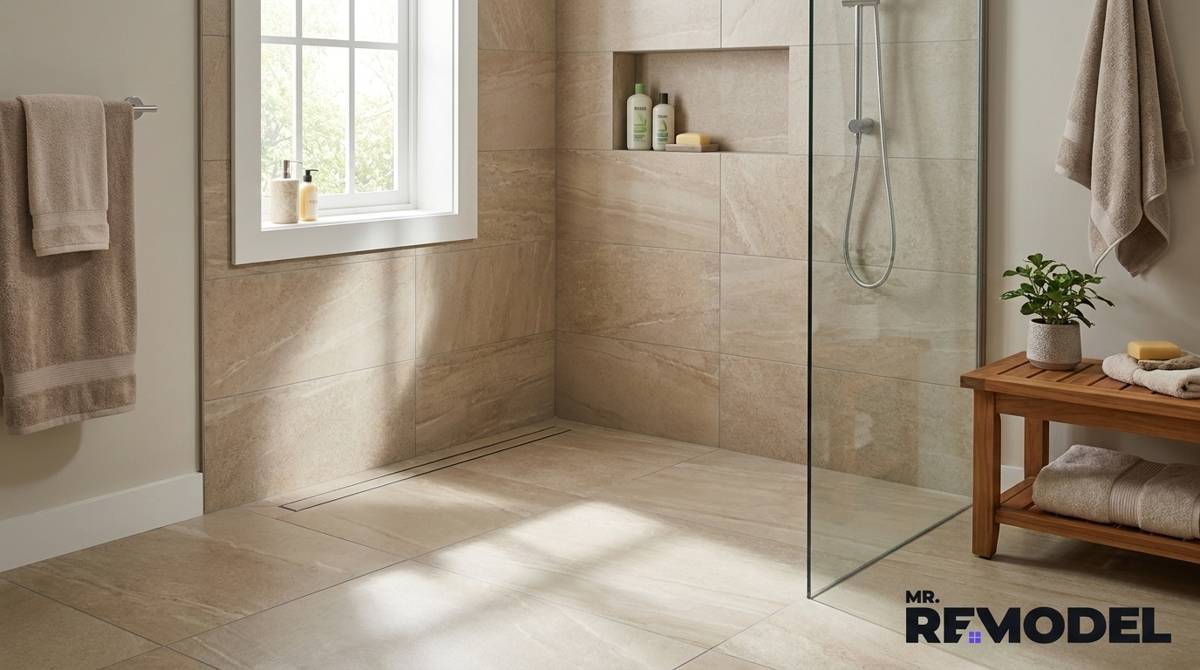
In a small master bathroom, the goal is to maximize space. This could mean replacing a bulky tub with a spacious shower, complete with a shower niche for storage.
Bigger Renovations
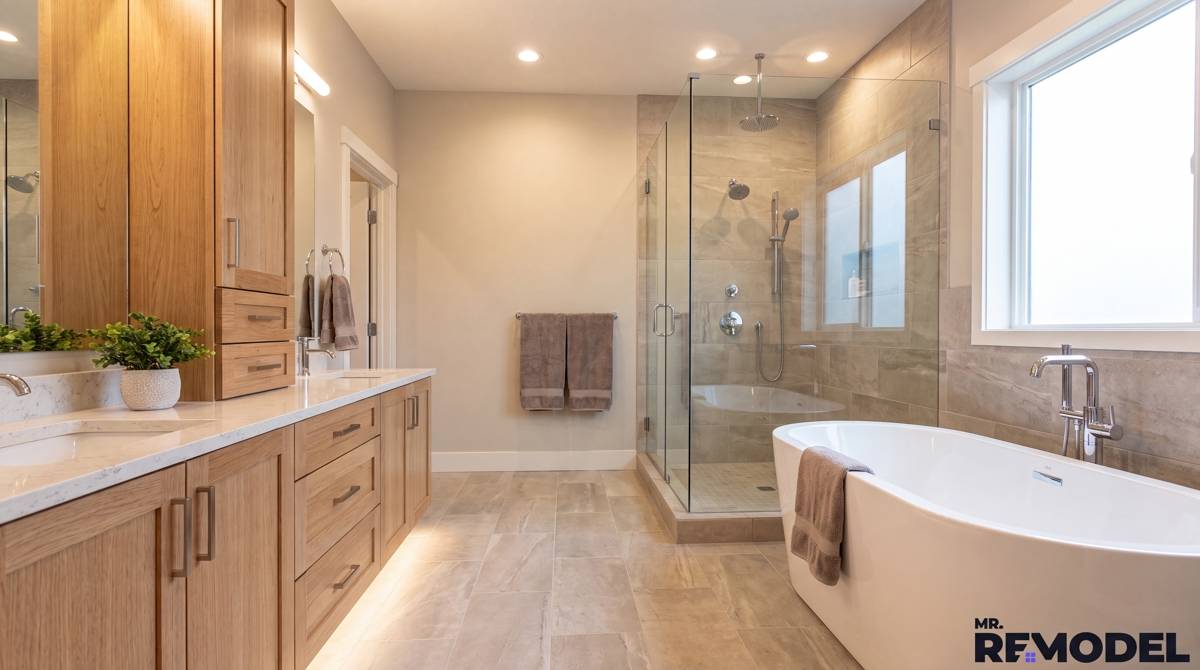
If you're borrowing space from a closet, you might have room for a freestanding tub and a separate shower. While this creates a more spacious bathroom, it also increases the overall bathroom remodel cost.
Safety
Modern floor plans incorporate better visual balance and safety. The U.S. Consumer Product Safety Commission (CPSC) mandates GFCI outlets in all bathrooms to prevent electric shock, a critical update for old electrical boxes.
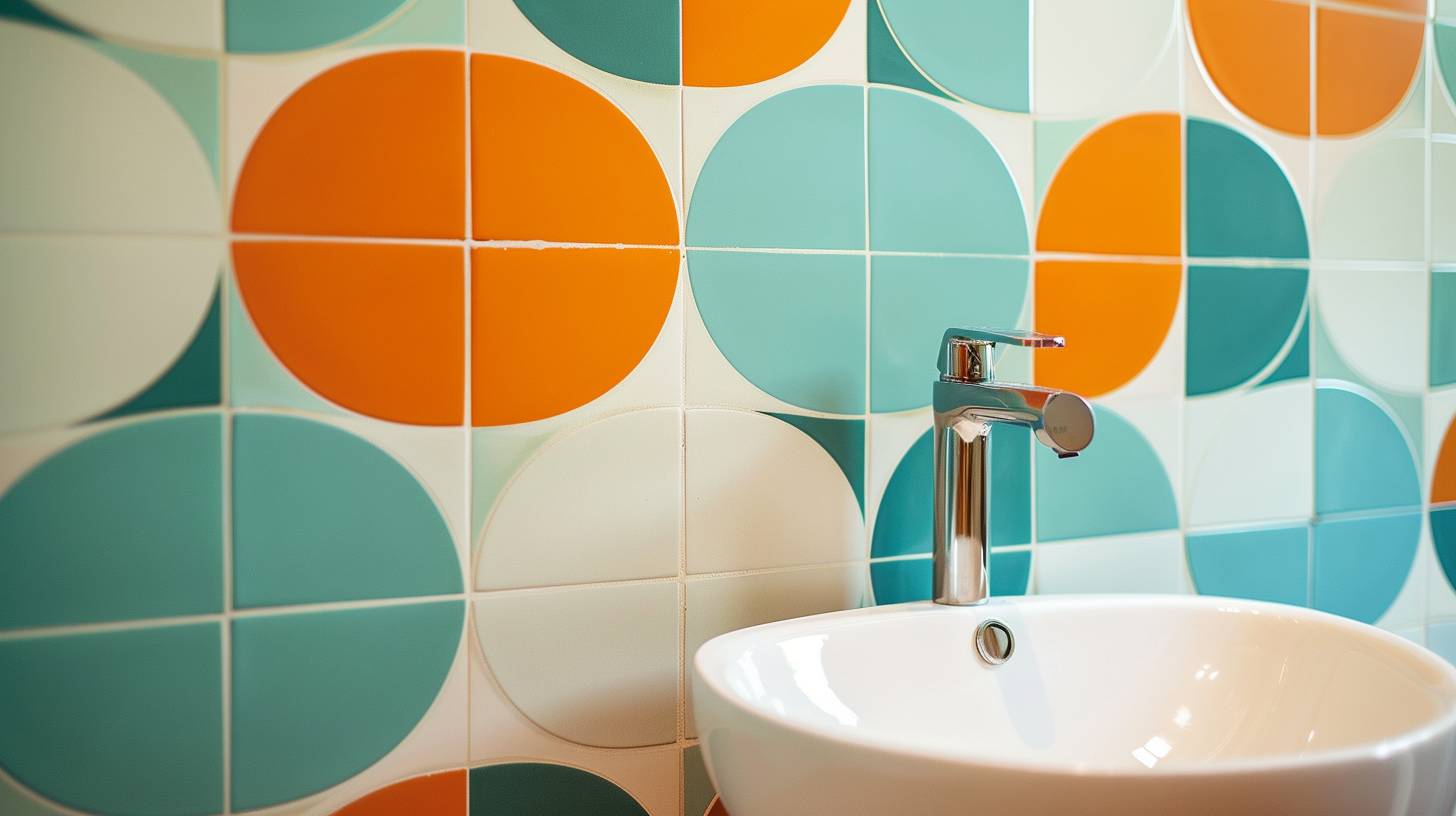
Mid-Century Modern Design and Tile Options
You don't have to fight the mid-century modern vibe. Remodeling trends, popularized by designers like Joanna Gaines, often embrace a home's original era.
- Wall Color: A new wall color can make the biggest impact. Look for palettes from that era, like Sherwin Williams' Delightful Jade or a modern Sherwin Williams SW 6190 Filmy Green.
- Tile Options: If you're replacing old tile, you can easily find modern materials that honor the style. For floors, porcelain tile in a hexagon tile or small mosaic tile pattern is a classic choice. For shower walls, you can't go wrong with timeless white subway tile.
- Accent Wall: Create a stunning focal point with removable wallpaper. Look for bold, geometric mid-century modern laminate patterns (like the iconic boomerang laminate) to add authentic flair.
- Finishing Touches: Complete the look with period-appropriate art prints or a vanity stool. You can often find affordable retro-style accessories at stores like Hobby Lobby or TJ Maxx.
Technical Challenges in a 1960s Home
A 1960s bathroom remodel is more than a DIY project; it's a home renovation that requires general contractors. The home's age means you will likely encounter hidden issues.
- Rough Plumbing: Pipes are over 60 years old and may be corroded or leaking. This all needs to be inspected.
- Electrical: Besides adding GFCI outlets, the wiring inside the walls is likely outdated and may not be grounded.
- Hazardous Materials: This is a major concern. The U.S. Environmental Protection Agency (EPA) warns that homes built before 1978 likely contain lead paint. Your contractor must be certified in lead-safe practices. Asbestos was also common in 1960s flooring and "popcorn" ceilings.
Because of these complexities, hiring a qualified pro is not optional. The Federal Trade Commission (FTC) provides a guide on how to hire a contractor, get detailed bids, and check references.
FAQs About Your 1960s Bathroom Remodel
Can I keep my colorful vintage tub?
Yes, if you love it! If the blue bathtub is in good shape, you can design the new room around it. If it's chipped or stained, you can have it professionally reglazed for a fraction of the cost of a new tub.
What is a hudee ring?
A hudee ring is that thin, metal ring that clamps an old drop-in sink to a laminate countertop. It's a classic 1960s feature, but one that most bathroom renovation projects are happy to leave behind in favor of undermount sinks.
What about a heated floor?
A heated floor is a fantastic luxury to add during a 1960s bathroom remodel. Since you will already be replacing the floor tile, that is the perfect time to have your contractor install an electric heated floor system.
Start Your Vintage Bathroom Renovation
A 1960s bathroom remodel is a wonderful opportunity to create a space that celebrates vintage style while delivering modern safety and comfort. From bathroom designers to general contractors who can handle old plumbing, finding the right team is the first step.
Mr Remodel simplifies your search by connecting you to a vast network of trusted professionals in your area. Our service is quick and easy, providing you with no-obligation quotes from licensed, reviewed, and reliable experts.
Get a free quote for your 1960s bathroom remodel today.