1-855-QUOTEMR

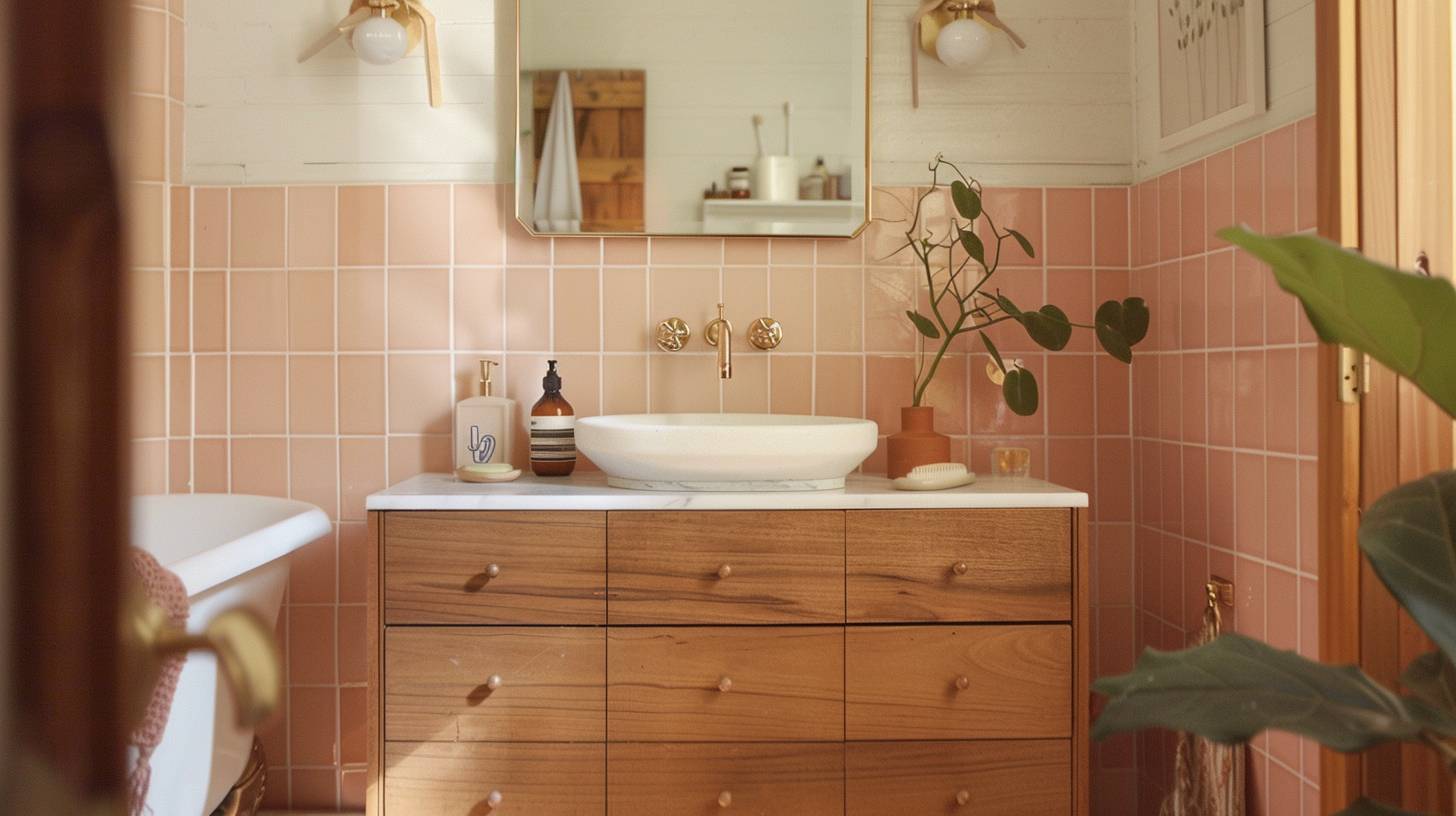
Table of Contents [hide]
A 1950s bathroom remodel is a project in balancing charm and function. These vintage home bathrooms, whether mid-century modern or a Spanish Revival holdover, are famous for their solid construction, pastel tiles (think Mamie Pink), and unique architectural features. But they also come with 70-year-old plumbing and outdated lighting fixtures.
A successful bathroom remodeling project will preserve the vintage elements you love while bringing the safety and comfort up to modern codes. This guide covers what to consider for your home improvement project.
Preserving the Charm: What to Keep
Unlike a modern home, a 1950s bathroom remodel often involves restoration, not just replacement.
The Original Tiles
1950s pastel tiles were built to last. If the tile is in good shape, a professional can deep-clean the tile grout and re-glaze any chipped pieces. Keeping the original tile is a huge win for character.
The Cast-Iron Bath Tub
That heavy tub is likely far superior to modern acrylic tubs. If it's a "bad" color, it can be professionally reglazed for a fraction of the cost of replacement.
Solid Wood Vanities
Many 1950s vanities are solid wood. They can be refinished, painted, and updated with new drawer pulls or cabinet knobs.
Unique Architectural Features
Items like arched doorways, glass-block windows, or built-in shelving are desirable design elements.
Modern Upgrades: What to Replace
To make the space functional, some things must go.
Plumbing
All interior fixtures, from the toilet to the showerhead and towel bar, should be replaced. Old pipes are a major risk, so updating the plumbing behind the walls is a smart investment.
Lighting
A single, buzzing fixture over the mirror is not enough. A modern bathroom remodel requires new lighting fixtures, including sconces and a proper vent fan.
The Subfloor
In a 70-year-old bathroom, there is a high chance of old water damage. Your bathroom contractor will remove the old finished floor and install a modern, waterproof backer for the new tile surround and floor.
Windows
If your window is clear glass, a simple sheet of frosted window film adds privacy. If the frame is rotted, it must be replaced.
Design: Blending 1950s Style with Modern Trends
You can honor the 1950s vibe without it feeling like a time capsule.
- Tile: If you can't save the original tiles, replicate the look. Use classic 4x4 squares, or use pencil and chair rail tiles to create that classic two-tone wall. For a high-end look, Carrara marble was also a popular mid-century modern luxury.
- Fixtures: Brass fixtures are a mid-century modern staple and are very popular again. Pair them with a simple, frameless mirror.
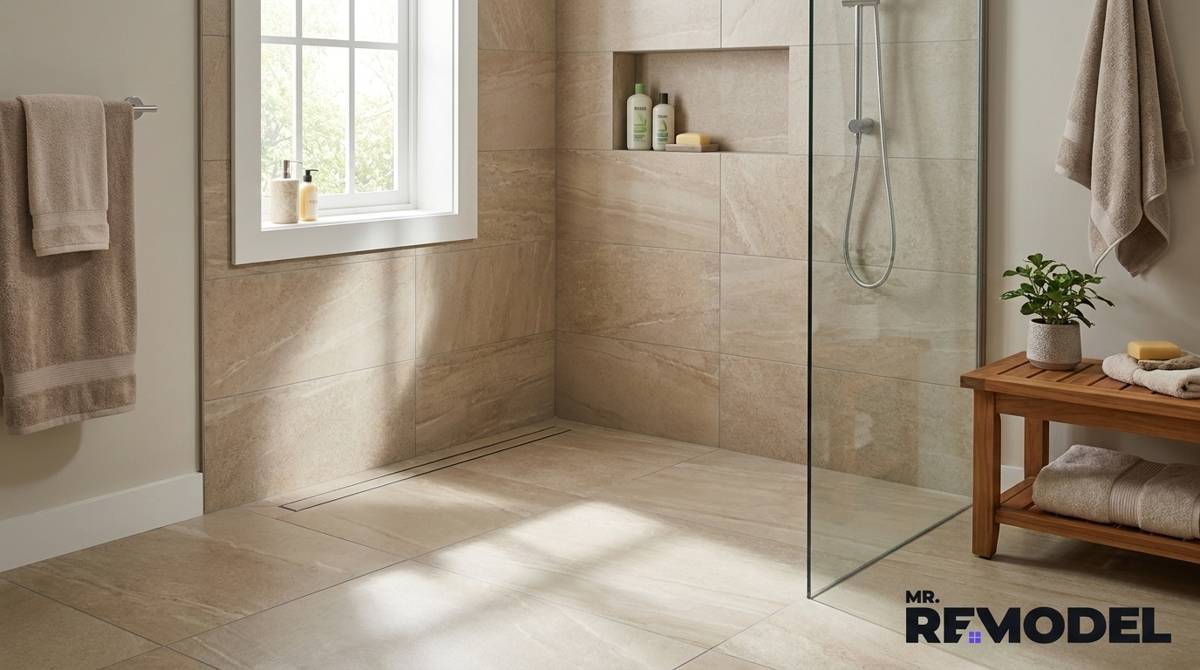
- Shower: Many homeowners are opting to remove the bath tub to create a spacious, zero-threshold walk-in shower with modern shower doors and a shower niche.
- Walls: A shiplap accent wall can add a modern farmhouse touch, or you can use a bold, Art Deco-inspired wallpaper.
The Hidden Dangers: Lead, Asbestos, and Old Wiring
A 1950s bathroom remodel is not a simple DIY project. The home's age means you must hire a professional who is certified to handle potential hazards.
Lead Paint
The U.S. Environmental Protection Agency (EPA) states that any home built before 1978 likely contains lead paint. Your contractor must be certified in lead-safe practices.
Asbestos
This was a common ingredient in flooring tiles, "popcorn" ceilings, and even some tile grout from that era. It is a serious health hazard and requires professional abatement.
Electrical
1950s wiring is often ungrounded. All bathroom remodeling projects must add GFCI (ground-fault circuit-interrupter) outlets to meet modern codes and prevent electrocution, a mandate from the U.S. Consumer Product Safety Commission (CPSC).
FAQs About Your 1950s Bathroom Remodel
My original tiles are in good shape, but the grout is awful. What can I do?
A professional can carefully remove the old tile grout and regrout the entire surface. This makes the tile surround look brand new and ensures it's waterproof without sacrificing the vintage elements.
Is a walk-in shower better than a bathtub?
This depends on your needs. For accessibility and a modern feel, a walk-in shower is a great choice. However, if this is the only tub in the house, keeping a bathtub is better for resale value. Discuss tub-to-shower conversion with a local expert to help you decide.
What about ventilation?
My 1950s bathroom just has a window. Modern building codes require a mechanical vent fan. This is a critical upgrade to include in your bathroom remodel. A vent fan, vented to the outside (not into the attic), is the single best way to prevent mold and protect your new interior door and vanity, according to the U.S. EPA
Find a Remodeler Who Respects Your Home's History
A 1950s bathroom remodel is a rewarding project that requires a contractor who respects vintage elements. Mr Remodel has a vast network of trusted professionals who specialize in older homes, from mid-century modern to Spanish Revival. Our service is quick and easy, providing no-obligation quotes from licensed, reviewed, and reliable experts.
Get your free, no-obligation estimate from a bathroom pro today.