1-855-QUOTEMR


Table of Contents [hide]
Who This Is For
This comprehensive guide is for homeowners who know their windows are failing but feel lost in the sea of industry terminology. If you are trying to decide between a quick pocket insert or a complete tear-out, or if you are wondering if you should switch from wood to fiberglass, this article is your roadmap. It is specifically designed for those balancing budget constraints with the need for long-term performance.
Key Takeaways
- Repair is Rarely the Answer: Our data shows that 98.3% of homeowners choose full replacement over repair, because modern thermal performance cannot be achieved with old glass.
- Two Main Paths: Your primary decision is between Pocket Replacement (keeping the frame) and Full Frame Replacement (removing the frame).
- Material Matters: Vinyl remains the ROI king, but fiberglass and composite frames are gaining market share for their longevity and strength.
- Style Impacts Efficiency: Casement windows seal tighter than double-hung windows. Your choice of operating style affects your energy bills just as much as the glass does.
- ROI is High: Vinyl window replacement offers a 70% to 75% return on investment, according to the 2025 Cost vs. Value Report.
Navigating the maze of window replacement options can feel overwhelming. You might assume it's a straightforward product purchase, but in reality, it is a complex construction project.
While you might be staring at a foggy pane today, fixing it requires evaluating installation methods and thermal technologies. Mr. Remodel’s 2026 market data makes one thing clear: attempting to repair a 20-year-old window is a losing battle. That’s why 98.3% of the 27,000 projects we analyzed opted for full replacement to finally solve seal failures and energy leaks.
Your real decision isn't if you should replace, but how. Let’s break down the right path for your home.
Diagnosing Your Window Problem
Before you spend a dime, you need to confirm that replacement is actually necessary. Sometimes, a window just needs a new crank mechanism or a fresh bead of caulk. However, there are three specific signs that indicate the unit has reached the end of its life.

1. Seal Failure (Foggy Glass)
If you see condensation between the two panes of glass that you cannot wipe off, it means the thermal seal has failed. The argon gas has escaped and been replaced by moist air. When this happens, the window is no longer insulating your home effectively.
2. Drafts and Comfort Issues
If you can feel the wind when you stand near a closed window, the weatherstripping or the frame itself has likely warped. In 2026, with energy costs rising, a drafty window is a monthly liability that drains your wallet.
3. Operation Failure
Windows should open and close effortlessly. If you have to prop a window open with a stick, or if you must use two hands to force it down, the balance system is shot. While balances can be repaired, it is often not worth the cost on an older, inefficient unit.
The Core Decision (Pocket vs. Full Frame)
The most critical technical decision you will make has nothing to do with the brand of the window. It is about what happens to the wood surrounding the glass. You must decide whether to keep your existing window frame or tear it out completely.
Pocket Replacement (Insert)
This method involves leaving your existing window frame, sill, and interior trim exactly where they are. The installer simply removes the moving parts, called sashes, and slides a new, slightly smaller window unit into the old opening. It is fast, affordable, and preserves your interior woodwork. However, you will lose about an inch of glass area on all sides.
Full Frame Replacement
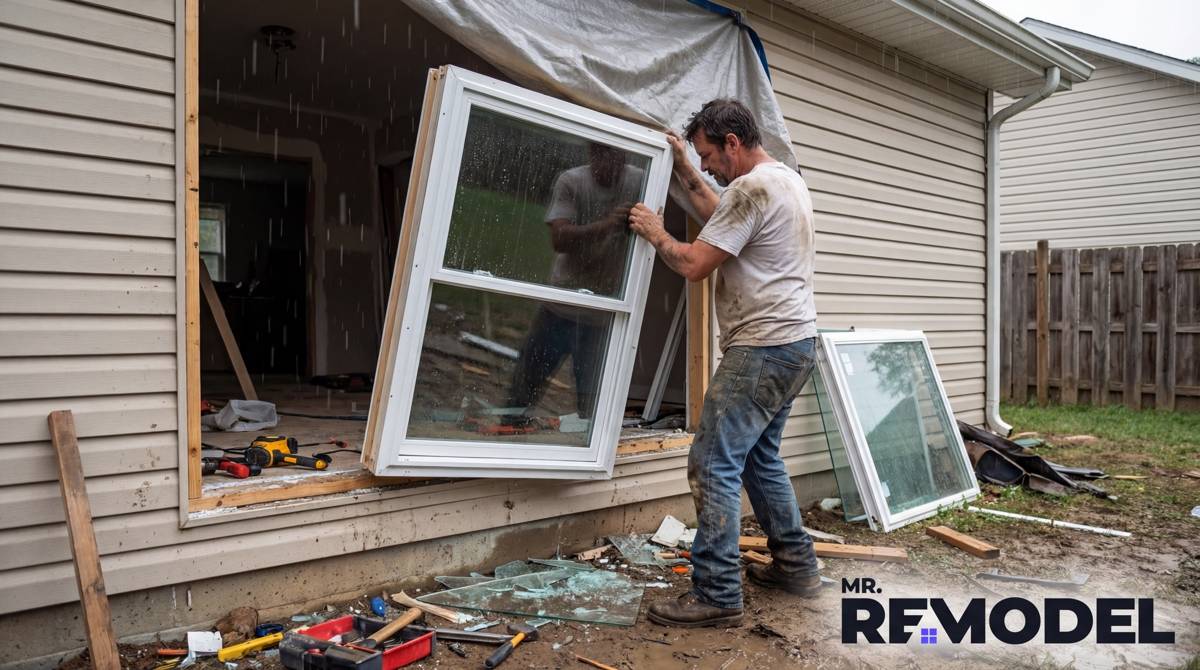
This is the nuclear option. The installer removes the sash, the entire frame, the sill, and the exterior trim right down to the rough studs of your house. They essentially reset the opening as if it were a new home. This is necessary if you have rot, but it costs significantly more.
Which One Do You Need?
Choosing the wrong method can lead to hidden rot or unnecessary expense. We have created a specific guide to help you perform the "Screwdriver Test" on your own frames.
See Related: Pocket vs Full Frame Replacement
The Flange Factor (Retrofit vs. New Construction)
Many homeowners get confused when walking down the aisle of a big box store. You see labels saying "new construction" and assume that means "brand new." If you have siding and drywall already in place on your home, buying a new construction window is almost certainly a mistake.
New construction windows have a nailing fin (flange) designed to go under your siding, while retrofit windows are designed to slide into an existing opening without disturbing the exterior.
Using a flanged window on an existing home often requires cutting back your siding, which opens a Pandora's box of potential leak points. Before you head to the store, understand exactly which product your specific wall construction requires.
https://www.energy.gov/energysaver/update-or-replace-windows
See Related: Retrofit vs New Construction Windows
Frame Material Options
Once you determine the installation method, you need to choose what your new windows are made of. In 2026, you have five primary choices, each with distinct pros and cons regarding maintenance, efficiency, and cost.

1. Vinyl (PVC)
Vinyl dominates the residential market for a reason. It is the most affordable option, and it offers excellent energy efficiency because plastic does not conduct heat.
- Pros: Low cost, high availability, zero maintenance (no painting), and rot-proof.
- Cons: Can look like plastic or cheap if you buy lower grades. It cannot be painted, so you are stuck with the color you choose.
- Verdict: The best choice for ROI and budget-conscious renovations.
2. Fiberglass
Fiberglass is the fastest-growing material segment. It is made from glass fibers and resin, making it incredibly strong. It expands and contracts at the same rate as the glass pane, which protects the seals from failing over time.
- Pros: Stronger than vinyl, allows for thinner frames (more glass), can be painted, and mimics the look of painted wood.
- Cons: Typically costs 30% to 50% more than vinyl.
- Verdict: This is ideal for homeowners who plan to stay in their house for 20+ years.
3. Wood and Wood-Clad
Wood offers unmatched beauty and is a natural insulator. However, solid wood windows are rare today due to maintenance issues. Most are clad in aluminum or vinyl on the exterior to protect them from the elements, while offering real wood on the interior.
- Pros: Highest aesthetic value, historical accuracy, and a warm interior look.
- Cons: High maintenance (interior needs staining/painting), susceptible to rot if neglected, and the highest price point.
- Verdict: Essential for historic districts and luxury homes, but often overkill for standard suburban upgrades.
4. Aluminum
Standard aluminum frames are incredibly strong, but they are terrible insulators. Metal conducts heat rapidly, meaning these windows will feel freezing in winter and hot in summer.
- Pros: Very thin sightlines, modern industrial look, and extreme durability.
- Cons: Poor energy efficiency unless they have a sophisticated thermal break (an internal plastic barrier).
- Verdict: Best for modern architecture in mild climates. Avoid in Northern regions unless purchasing high-end thermally broken units.
5. Composite
Composite windows are made from a blend of materials, often wood fiber and thermoplastic polymer. They aim to offer the strength of wood with the low maintenance of vinyl.
- Pros: Durable, rot-resistant, and eco-friendly (often made from recycled materials).
- Cons: Price is similar to fiberglass or high-end wood.
- Verdict: A solid middle-ground option for those who dislike the look of vinyl but don't want the maintenance of wood.
When Is a Full Tear-Out Required?
While pocket replacement is cheaper, it isn't always safe. If your existing frame has rot, putting a new window inside it is a waste of money. The rot will spread, eventually destroying the new window's anchor points.
Recognizing the early signs of structural frame damage can save you thousands in future repairs.
See Related: When Full Frame Is Required
Window Operating Styles
The way a window opens is not just about airflow or aesthetics. It affects the seal tightness and, consequently, your energy efficiency.

Double Hung
This is the most common window style in America. Both the top and bottom sashes slide vertically.
- Efficiency: Good, but not great. The check rail (where the two sashes meet) is a common source of air leakage.
- Best For: Traditional aesthetic and easy cleaning, as the sashes often tilt in.
Casement
These windows are hinged on the side and crank open outward like a door.
- Efficiency: Excellent. When the wind blows against a closed casement window, it pushes the sash tighter against the weatherstripping, creating a superior seal.
- Best For: Maximum ventilation and hard-to-reach areas, like over a kitchen sink.
Sliding
These windows slide horizontally. Think of them as a mini sliding glass door.
- Efficiency: Moderate. Similar to double hung windows, the meeting rail can allow air infiltration.
- Best For: Wide openings and areas where an outward-opening window would obstruct a walkway.
Awning
These are hinged at the top and open outward from the bottom.
- Efficiency: Excellent (similar to casement).
- Best For: Ventilation during rain. Because the sash acts like a roof, you can leave these open in a light drizzle without water getting in.
Picture (Fixed)
These windows do not open.
- Efficiency: Superior. Because they are sealed shut, there is zero air leakage.
- Best For: Large living room views where ventilation is not required.
Siding & Exterior Constraints
A common fear among homeowners is that replacing windows will destroy their expensive siding or stucco. This fear often leads people to delay necessary upgrades, but it is largely unfounded if you choose the right method.
The Reality:
Pocket replacements typically require zero siding removal. Full frame replacements require more care, but skilled installers can perform them with minimal impact. However, there are specific siding types that require special attention.
See Related: Can You Replace Windows Without Removing Siding?
Timeline & Planning
Real-world data shows that window replacement is a slow process, not an impulse buy. Unless you are buying standard sizes off the shelf (which rarely fit older homes), your windows will be custom-made to 1/8th of an inch.
In 2026, manufacturing lead times for custom units typically range from 4 to 8 weeks. This means if you want new windows before winter, you need to sign a contract in late summer.
See Related: Window Replacement Timeline Explained
Cost, Value, & ROI (2026 Data)
Windows are a significant investment, but they offer verified returns both in monthly energy savings and home equity.
The Financial Breakdown
- Average Project Cost: $17,187 (National Average).
- Median Cost Per Window: $2,241.
These numbers from Mr. Remodel reflect a mix of pocket and full-frame installations across all material types. Your specific quote will vary based on your local labor rates, the glass package you choose, and the complexity of the installation.
Return on Investment
According to the 2025 Cost vs. Value Report from The Journal of Light Construction, vinyl window replacement recovers approximately 76% of its cost in increased home value. This makes it one of the highest ROI exterior projects you can undertake. Buyers love new windows because they know they won't have to deal with the expense themselves.
Tax Credits: The 2026 Boost
Under the current rules, you can claim a tax credit of 30% of the project cost (up to $600 annually) if your windows meet specific efficiency standards. To qualify, they must meet the Energy Star Version 7.0 Most Efficient requirements. Be sure to check the NFRC Label and consult the IRS Instructions for Form 5695 before purchasing.
What Happens on Installation Day?
Knowing what to expect can reduce stress. Here is the typical workflow for a professional installation crew, so you aren't caught off guard.

1. Arrival and Prep
The crew arrives and lays down drop cloths throughout your home. They will ask you to move furniture away from the windows and take down curtains and blinds. They will also cover your landscaping outside to prevent damage.
2. The Rip Out
They remove the old sashes. If doing a full frame replacement, they pry off the interior and exterior trim. This is the noisiest and dustiest part of the day.
3. The Install
They set the new window into the opening. They use shims to ensure it is perfectly square, level, and plumb. This is critical; a window that isn't square will not lock properly.
4. Insulation and Flashing
They apply low-expanding spray foam around the perimeter to seal drafts. On the outside, they apply flashing tape to prevent water from getting behind the siding.
Note: Ensure they do not use fiberglass batt insulation, which allows air to pass through.
5. Trim and Finish
They install new interior trim (if applicable) and apply high-quality silicone caulk to all exterior joints.
6. Cleanup and Demo
They show you how the windows operate, hand over the warranty paperwork, and haul away your old windows and debris.
How to Hire a Window Contractor
The window industry has a low barrier to entry, so vetting your contractor is crucial. Use this checklist to filter out the bad eggs.
The Red Flags
- "Buy Now" Pressure: Any contractor who says a price is "only good for today" is using high-pressure sales tactics. Avoid them immediately.
- No Physical Address: Ensure they have a local office, not just a P.O. Box.
- Vague Warranty: A lifetime warranty means nothing without reading the fine print. Does it cover labor? Does it cover glass breakage?
Questions to Ask
- Are your installers employees or subcontractors?
Employees are generally preferred, as the company has more control over their quality and training.
- How do you insulate the gap?
If they say "fiberglass batt," ask for spray foam instead. Fiberglass does not stop airflow.
- Who handles the painting/staining?
Most installers leave the wood raw. You need to know if you are responsible for finishing it or if they offer that service.
- What is your procedure for rot?
Ask for the "per foot" price of replacing rotten wood before they start, so you aren't surprised by a change order mid-project.
Frequently Asked Questions
Can I just replace the glass instead of the whole window?
Technically, yes, this is called "glass pack replacement." However, it is rarely recommended for efficiency upgrades. If your frames are old, they likely lack the multi-chambered insulation of modern vinyl or fiberglass. Putting high-tech glass in a low-tech frame is like putting a Ferrari engine in a go-kart. Mr. Remodel’s partner contractors usually recommend full-frame or insert replacements to ensure the entire unit performs to 2026 standards.
Can windows be installed in the winter?
Yes, absolutely. Professionals install windows year-round. They work one window at a time and close the door to the room they are working in to minimize heat loss. In fact, booking a project in January or February is often a great strategy, as lead times are shorter and some contractors offer off-season discounts.
What happens if I find rot during the installation?
Unforeseen rot is common, especially in older homes. Most contracts include a clause for this, typically specifying a "per linear foot" cost for replacing rotten wood. A reputable contractor will stop, show you the rot, and explain the repair cost before proceeding.
Will my new windows block out sound?
Yes, but the level of sound dampening depends on the glass. Standard double-pane windows will reduce some noise, but if you live near a busy street or airport, you should ask about "laminated glass" or Dissimilar Glass Thickness (where one pane is thicker than the other). These options disrupt sound waves much more effectively than standard glass.
Making the Right Choice for Your Home
Replacing your windows is a decision that impacts your home's comfort, efficiency, and value for decades. Don't rush into it.
Start by assessing the condition of your current frames. If the frames are solid, a pocket replacement is likely your most cost-effective path. However, if you find soft wood or want to change the style, you should brace yourself for a full-frame project.
Remember that Mr. Remodel is here to help you navigate these choices. We can connect you with local professionals who understand the specific challenges of your home's construction and your local climate.
Ready to explore your options with a pro?