1-855-QUOTEMR

Table of Contents [hide]
Who This Is For
Homeowners comparing premium siding brands, replacing aging siding, looking for a durable alternative to vinyl, or trying to decide whether James Hardie siding is worth the higher upfront cost.
Key Takeaways:
- Premium Fiber Cement: James Hardie siding is a fiber cement product known for durability and curb appeal.
- Higher Upfront Cost: It usually costs more than vinyl siding.
- Installation Matters: Fiber cement is heavy and should be installed by experienced siding contractors.
- Maintenance Still Applies: Some products may need repainting or finish care over time.
- Best Fit Depends on Goals: James Hardie may be worth it for homeowners who value curb appeal, durability, and a premium exterior finish.
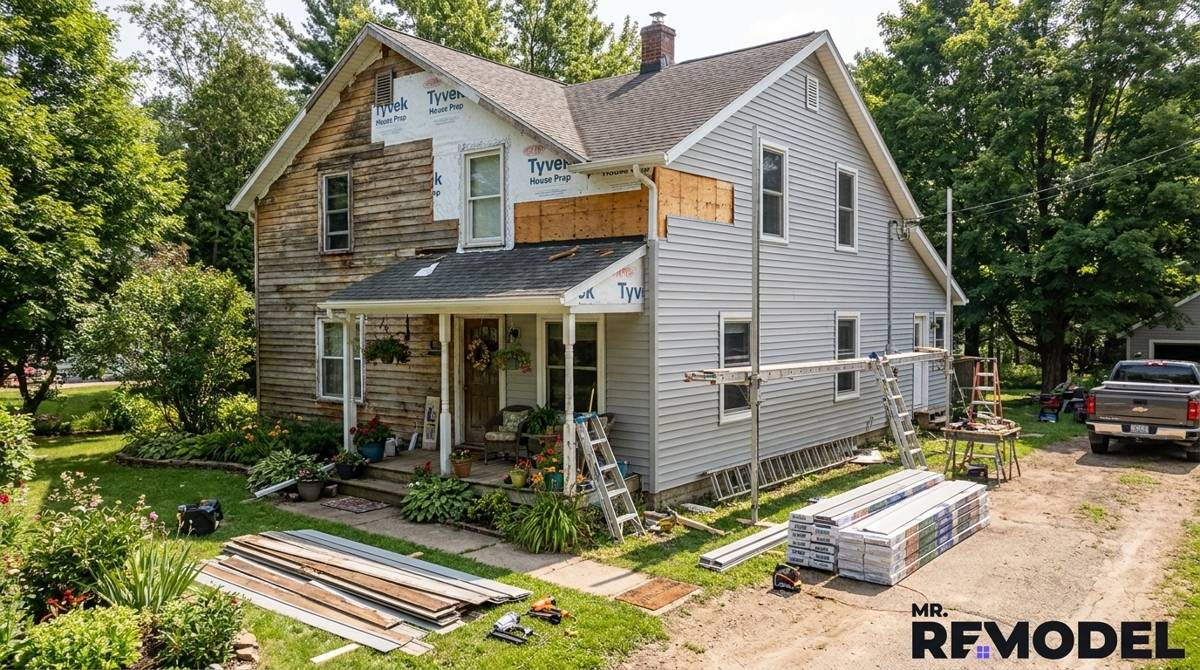
James Hardie siding is one of the best-known premium siding options for homeowners who want durability, curb appeal, and a painted wood look without using traditional wood. It is often considered during full siding replacement projects, especially when homeowners want a stronger upgrade than basic vinyl.
Before choosing it, homeowners should understand what makes James Hardie different, how it compares with vinyl, what maintenance it may need, and why professional installation is important.
What Is James Hardie Siding?
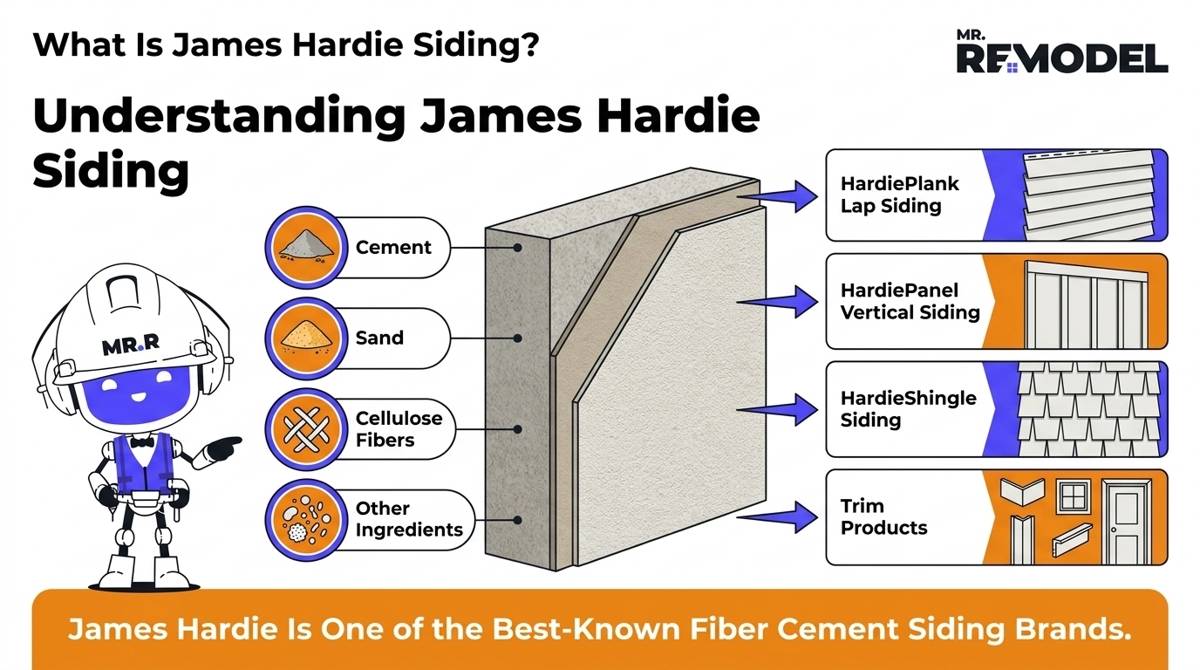
James Hardie is a major fiber cement siding manufacturer. Fiber cement siding is made from a blend of cement, sand, cellulose fibers, and other ingredients designed to create a durable exterior cladding material.
The brand offers several product lines, including HardiePlank lap siding, HardiePanel vertical siding, HardieShingle siding, and trim products. Its James Hardie house siding page explains available styles, product features, finish options, and warranty details.
Many homeowners choose James Hardie because it can resemble painted wood while offering better resistance to some problems that affect natural wood siding. It can work on traditional, craftsman, farmhouse, colonial, and modern homes.
James Hardie also offers ColorPlus Technology, a factory-applied finish designed to provide a consistent color finish. Some homeowners still choose primed products that are painted after installation.
See Related: Types of Siding
Benefits of James Hardie Siding
James Hardie siding is popular because it combines a premium appearance with strong performance. It is often chosen by homeowners who want an exterior that looks polished and holds up well over time.
Durability
James Hardie products are designed for long-term exterior performance. The company’s Why Hardie resources explain the brand’s focus on fiber cement composition, weather resistance, durability, and performance.
Fiber cement can resist some common siding issues better than natural wood, including rot and insect damage when properly installed and maintained.
Fire Resistance
Fiber cement is noncombustible when tested to certain standards. That can make James Hardie appealing in areas where fire resistance is a major concern.
Homeowners in wildfire-prone regions should still check local codes, defensible space guidance, and contractor recommendations before choosing any exterior material.
Moisture Resistance
James Hardie siding can perform well in moisture-prone areas when installed correctly. However, no siding material should be treated as a substitute for proper flashing, drainage, and moisture management.
APA’s guidance on moisture management in exterior wall systems explains why drainage, flashing, and wall assembly details matter for long-term exterior performance.
Pest Resistance
Because James Hardie siding is fiber cement, it is less attractive to many pests than natural wood siding. This can be helpful in areas where termites or wood-boring insects are a concern.
Curb Appeal
James Hardie siding can create a clean, high-end look. Homeowners can choose lap siding, vertical panels, shingles, and trim details to match the home’s style.
Potential Drawbacks
James Hardie siding has strong benefits, but it is not the right choice for every budget or project.
Higher Upfront Cost
James Hardie siding usually costs more than vinyl. Homeowners should compare local quotes carefully and make sure each estimate includes the same scope, product line, finish, removal, trim, flashing, repairs, and warranty details.
See Related: Siding Replacement Guide
Heavier Installation
Fiber cement is heavier than vinyl and some engineered products. That can make installation more labor-intensive.
A contractor should understand cutting, fastening, clearances, flashing, trim details, and manufacturer requirements.
Professional Installation Requirements
James Hardie siding should be installed according to product instructions. Poor installation can affect appearance, water management, and warranty coverage.
The Federal Emergency Management Agency (FEMA) Home Builder’s Guide to Coastal Construction, Fact Sheet No. 1.10, discusses siding and exterior wall performance in coastal and severe-weather settings, including the importance of cladding and wall assembly details.
Repainting Over Time
Some James Hardie products come prefinished, while others are painted after installation. Depending on the finish, climate, and exposure, repainting or finish maintenance may eventually be needed.
Planning a siding replacement? Get a free quote from fully-vetted local siding contractors.
James Hardie Siding vs Vinyl Siding
James Hardie and vinyl are often compared because they serve different homeowner priorities. Vinyl is usually chosen for affordability and low maintenance. James Hardie is often chosen for a more premium look, stronger durability, and fiber cement performance.
Mr. Remodel siding data includes 5,907 total siding inquiries. Of those, 5,462 were installation inquiries, and 445 were repair inquiries. Installation accounts for about 92% of siding demand, which shows homeowners often pursue larger siding projects rather than small repairs.
Vinyl generated 4,057 inquiries, making it the most requested tracked material in the dataset. That makes vinyl the clearest budget-friendly comparison point for homeowners considering a premium fiber cement option like James Hardie.
See Related: Vinyl Siding
How Long Does James Hardie Siding Last?
James Hardie siding can last for decades when installed and maintained correctly. Lifespan depends on product selection, finish, climate, moisture exposure, installation quality, and maintenance.
Homeowners should review the product warranty, finish warranty, and installation requirements before choosing a contractor. They should also ask how long the contractor expects the product to perform in their local climate.
The United States Department of Energy’s Energy Saver design guidance explains that exterior improvements should be considered as part of the home’s overall energy and performance system. Siding replacement can be a good time to review air sealing, house wrap, insulation, and moisture management.
Basic maintenance may include cleaning the siding, checking caulk joints, watching for paint or finish wear, trimming vegetation away from the exterior, and keeping gutters clear.
Is James Hardie Siding Worth the Cost?
James Hardie siding may be worth the cost for homeowners who want a premium exterior, strong curb appeal, and the durability of fiber cement. It is often a better fit for long-term homeowners than for those focused only on the lowest upfront cost.
It may make sense if you:
- Want a wood-like appearance without natural wood siding
- Prefer a premium exterior finish
- Plan to stay in the home for years
- Want stronger durability than basic vinyl
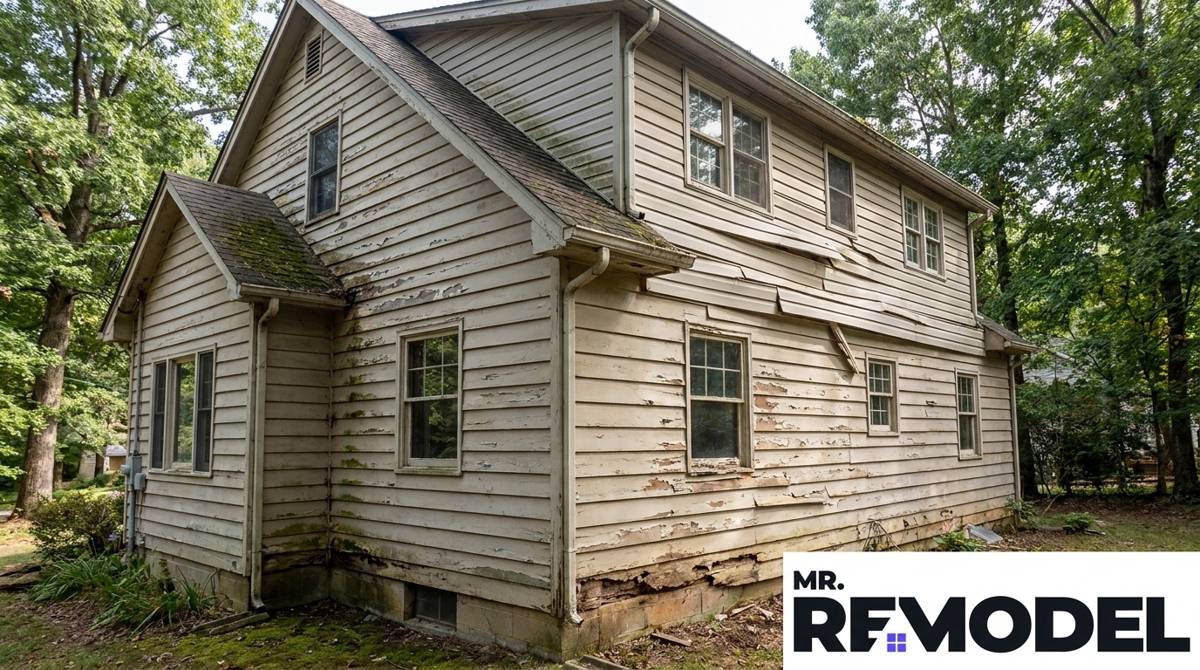
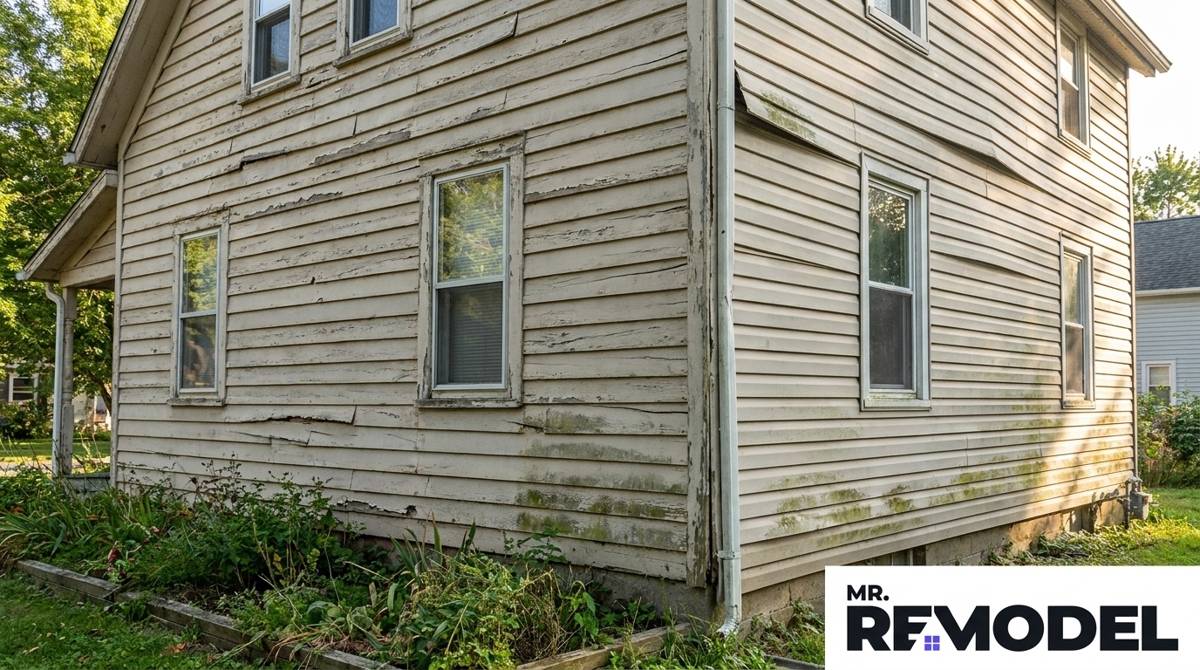
- Are replacing aging or damaged siding
- Want a material with strong brand recognition
- Live in an area where fire resistance or weather performance matters
Mr. Remodel siding data shows that homeowners overwhelmingly pursue installation rather than repair, with 5,462 installation inquiries compared with 445 repair inquiries. This supports the broader point that siding upgrades often happen during larger replacement projects, when homeowners are already comparing premium materials.
Frequently Asked Questions
Is James Hardie siding the same as fiber cement siding?
James Hardie is a leading brand of fiber cement siding, but it is not the same as the entire fiber cement category. Fiber cement describes the material, while James Hardie refers to a specific manufacturer and product line.
How much does James Hardie siding cost?
James Hardie siding usually costs more than vinyl siding because fiber cement is heavier, more labor-intensive to install, and positioned as a premium material. Final pricing depends on home size, product line, finish, labor, removal, repairs, trim, and local market conditions.
How long does James Hardie siding last?
James Hardie siding can last for decades when properly installed and maintained. Lifespan depends on product selection, finish, climate, exposure, installation quality, and maintenance, such as cleaning, caulking, and repainting when needed.
Is James Hardie siding better than vinyl?
James Hardie siding may be better than vinyl for homeowners who want a more premium look, stronger fire resistance, and fiber cement durability. Vinyl may be better for homeowners who want a lower upfront cost and less maintenance.
Does James Hardie siding increase home value?
James Hardie siding may support home value by improving curb appeal, buyer confidence, and exterior appearance, but the exact resale impact varies by market, home condition, installation quality, and project cost. Homeowners should view it as both a protection and a curb appeal investment.
James Hardie Siding: Final Takeaway
James Hardie siding is a premium fiber cement option for homeowners who want durability, curb appeal, and a painted wood look. It usually costs more than vinyl, but it may offer stronger long-term value for the right home and budget.
Before choosing, compare James Hardie with vinyl, engineered wood, and other siding materials. To review options with local pros, connect with fully vetted local siding contractors.