1-855-QUOTEMR

Table of Contents [hide]
Who This Is For:
Homeowners who live in northern climates, experience snow and freezing temperatures, want better insulation, are replacing aging siding, or want siding that can handle winter weather with less maintenance.
Key Takeaways:
- Winter Performance Depends on More Than Temperature: Snow, ice, moisture, wind, and freeze-thaw cycles all affect siding.
- Installation Quality Matters: Proper flashing, house wrap, air sealing, and clearances are critical in cold climates.
- Vinyl Leads Tracked Demand: Vinyl generated 4,057 Mr. Remodel siding inquiries, but demand does not prove winter performance.
- Insulation Can Help Comfort: Siding replacement can be a good time to discuss insulation and air sealing upgrades.
- Local Climate Should Guide the Choice: Fiber cement, insulated vinyl, engineered wood, metal, and wood each have strengths in different winter conditions.
Choosing siding for a cold climate is not just about finding a material that can survive freezing temperatures. The best siding for cold climates should also handle snow, ice, wind-driven moisture, freeze-thaw cycles, and temperature swings.
There is no single best winter siding for every home. A snowy home in Pennsylvania may have different needs than a windy home in New York or a freeze-thaw-prone home in Ohio. The right choice depends on local weather, budget, maintenance expectations, insulation goals, and installation quality.
How Cold Weather Affects Your Siding
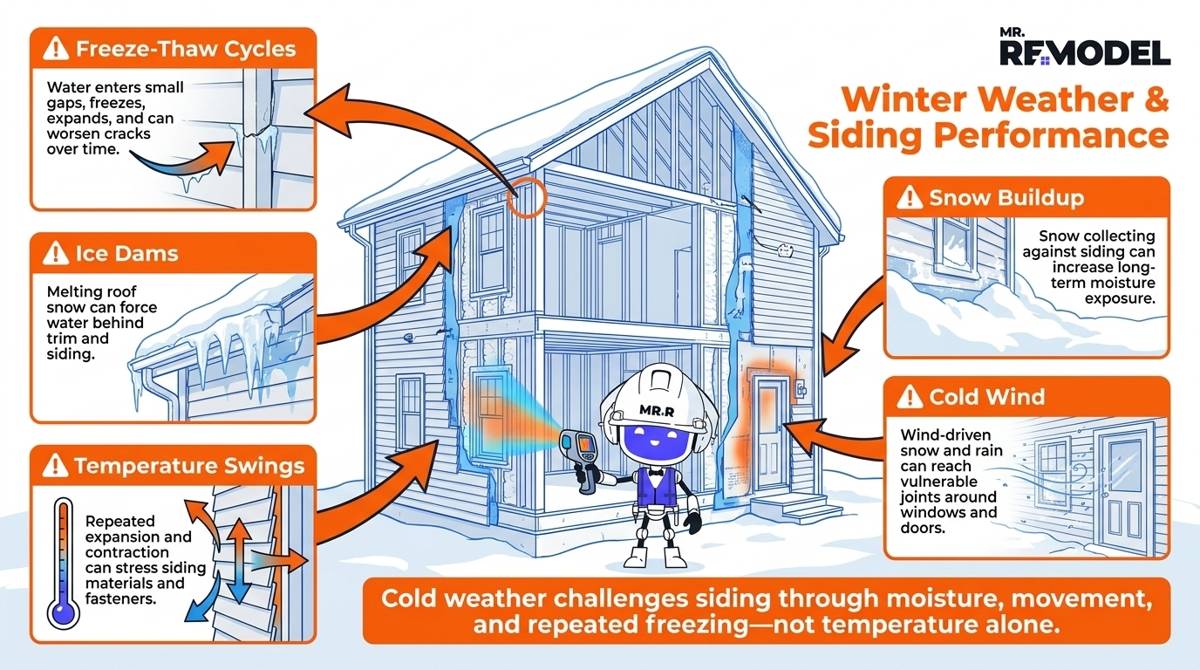
Cold weather can be hard on exterior materials because it combines moisture, movement, snow, wind, and repeated freezing and thawing.
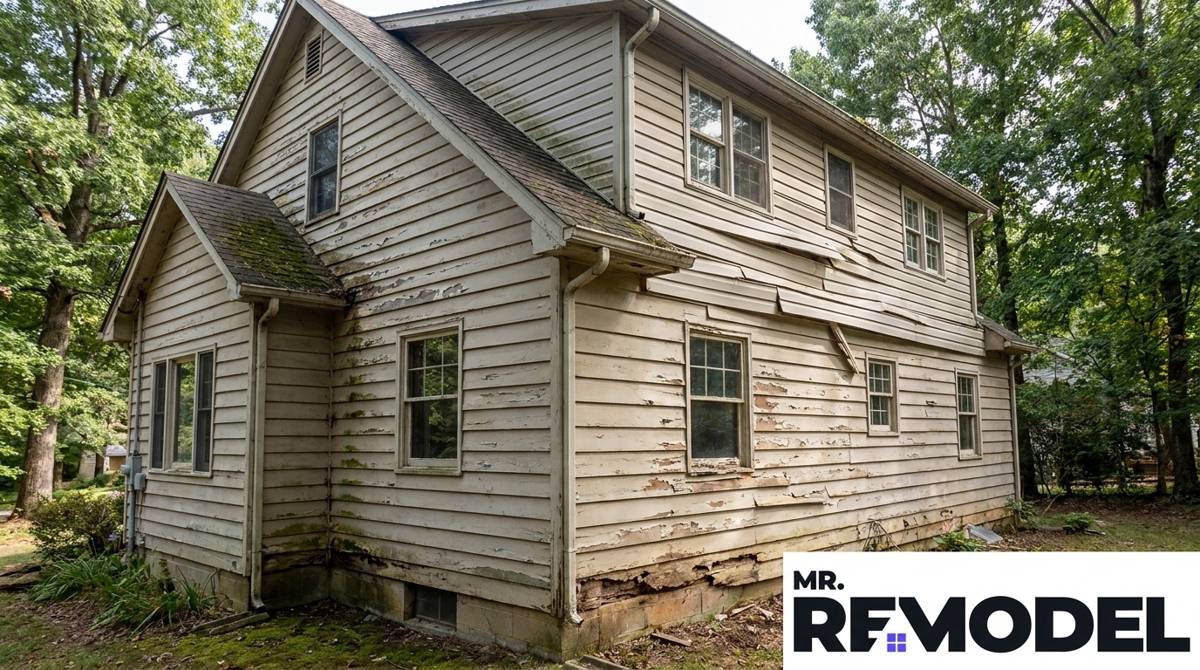
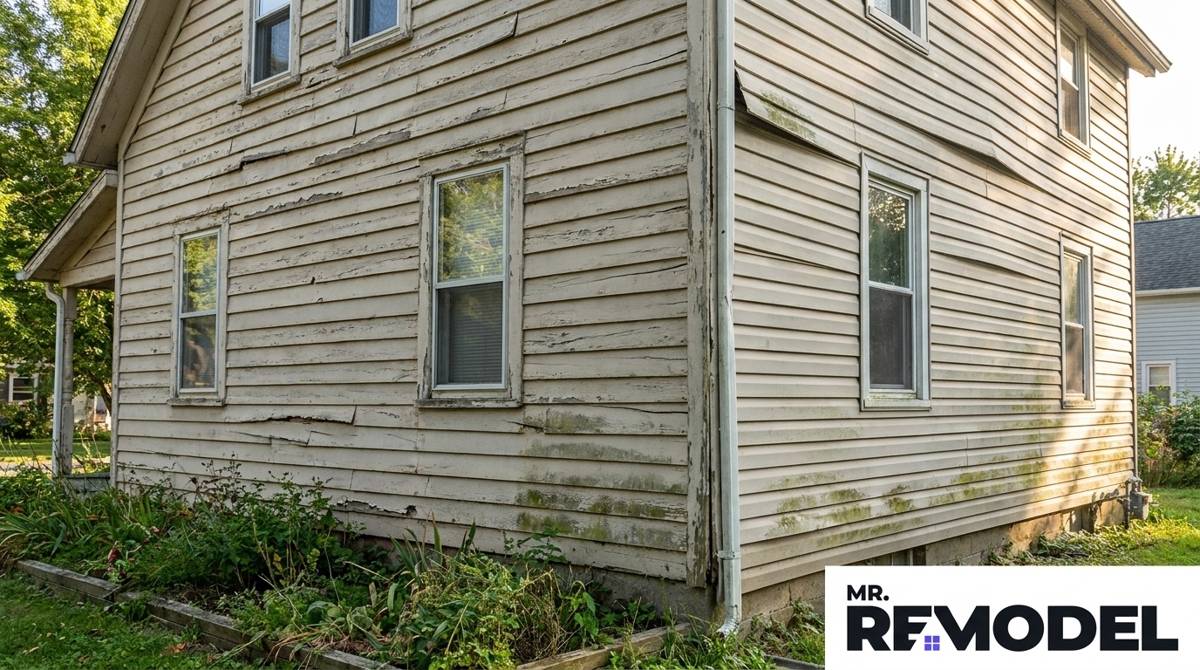
Freeze-thaw cycles happen when water enters small cracks, gaps, or exposed areas, freezes, expands, and then thaws again. Over time, this can worsen damage to siding, trim, caulk, paint, and flashing.
Snow and ice also matter. Snow can sit against siding near the ground, decks, porches, and rooflines. If the siding has poor clearance or weak moisture protection, melting snow can create long-term damage.
Wind-driven rain, snow, and ice can also push moisture into weak areas around windows, doors, seams, and trim. The Federal Emergency Management Agency (FEMA) Home Builder’s Guide to Coastal Construction explains how siding and exterior walls should be designed to manage wind-driven rain and severe weather conditions.
Best Siding Materials for Cold Climates
The best siding for winter weather depends on moisture exposure, temperature swings, snow levels, and insulation goals.
Fiber Cement
Fiber cement is often a strong option for cold climates because it is durable, pest-resistant, and less vulnerable to rot than natural wood. It can also provide a painted wood-like appearance.
Fiber cement may work well for homeowners who want strong durability, a premium exterior look, and lower maintenance than natural wood. The trade-off is installation. Fiber cement is heavy, and it must be installed with proper clearances, flashing, and caulking.
See Related: Fiber Cement Siding
Insulated Vinyl
Insulated vinyl siding can be appealing in cold regions because it pairs vinyl siding with a foam backing. It may help improve comfort when used as part of a larger exterior upgrade.
Vinyl is also the most requested tracked material in the Mr. Remodel dataset, with 4,057 inquiries. It is popular because it is affordable, low-maintenance, and widely available.
The main concern is cold-weather brittleness. Lower-quality vinyl may crack in very cold temperatures, especially after impact. Product quality and installation matter.
See Related: Vinyl Siding
Engineered Wood
Engineered wood siding can offer a warm, natural look while delivering modern design. It may be lighter than fiber cement and can provide strong curb appeal.
In cold climates, engineered wood depends heavily on moisture management. Snow, ice, and freeze-thaw conditions can create problems if edges, cuts, clearances, and finishes are not handled correctly.
Homeowners should ask about sealing, flashing, repainting, and warranty requirements before choosing engineered wood in snowy or wet winter regions.
Traditional Wood
Traditional wood siding offers authentic character, especially on historic homes, cottages, cabins, and custom homes. It can be painted or stained and repaired by skilled carpenters.
The United States Department of Agriculture (USDA) Forest Products Laboratory’s Wood Handbook explains wood durability, moisture behavior, and decay considerations. This is important in cold climates because water, snow, and freeze-thaw cycles can speed up wood damage if maintenance is poor.
Wood may work well for homeowners who want a natural appearance and are comfortable with regular painting, staining, caulking, inspection, and moisture protection.
Metal
Metal siding can be durable in cold climates, especially when homeowners want pest and fire resistance and a long lifespan. Steel and aluminum perform differently.
Metal can work well in snow-prone areas, but homeowners should ask about denting, corrosion protection, thermal movement, fasteners, and noise during rain or hail.
Stucco
Stucco can be more challenging in cold climates, especially in areas with frequent freeze-thaw cycles. If water enters cracks and freezes, damage can worsen over time.
Stucco may still work in some cold regions when installed correctly, but it is usually more climate-sensitive than fiber cement, insulated vinyl, metal, or well-detailed wood siding.
Energy Efficiency and Insulation Considerations
Siding alone does not make a home energy efficient. However, siding replacement can be a smart time to improve the exterior wall system.
The U.S. Department of Energy’s insulation guidance explains how insulation reduces heat flow and improves comfort. In cold climates, this can be especially important during long heating seasons.
Insulated siding may improve comfort when properly installed. It should not be treated as a full replacement for proper wall insulation, but it can be part of a broader exterior upgrade.
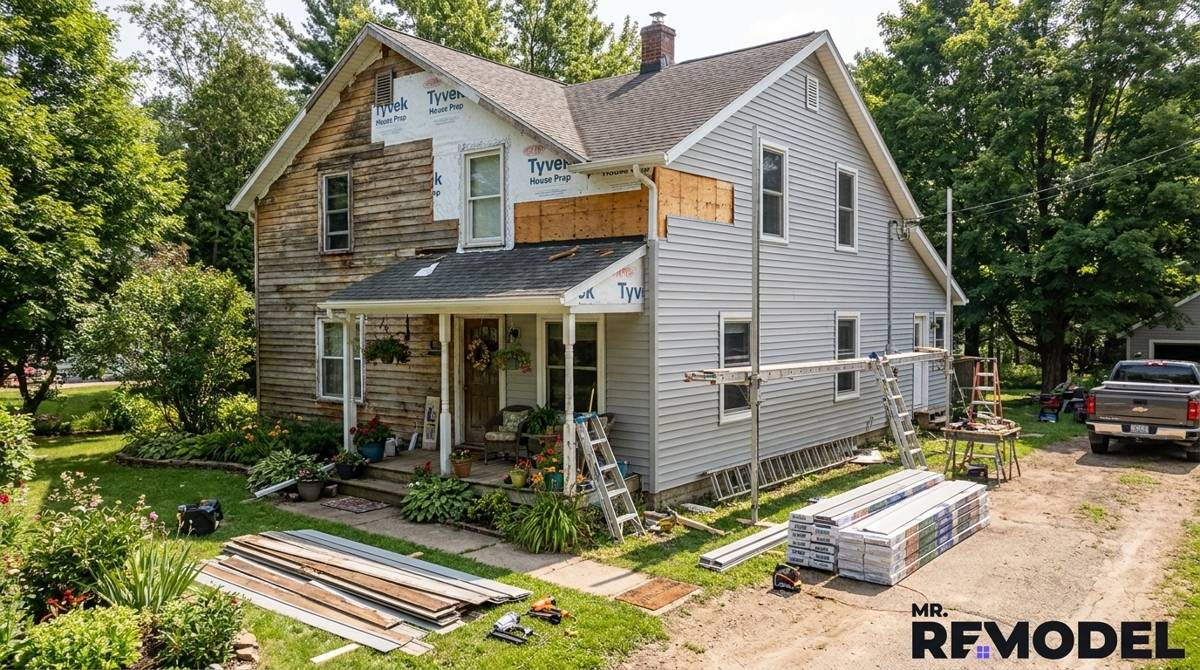
House wrap, air sealing, and flashing also matter. These details help protect the home from wind and moisture, which is especially important in cold climates where small air leaks can affect comfort.
Planning a siding replacement before winter? Get a free quote from fully vetted local siding contractors.
Common Mistakes to Avoid
Choosing siding for cold weather should be based on local performance, not just price or appearance.
Avoid choosing based only on the lowest quote. Some estimates may leave out house wrap, flashing, insulation, trim, disposal, or hidden repairs.
Do not overlook moisture resistance. Winter moisture can cause long-term damage when water gets behind siding or sits against the home.
Also, ask about expansion and contraction. Cold weather causes materials to move, and poor installation can lead to buckling, gaps, cracks, or loose panels.
Finally, do not hire inexperienced installers. Installation mistakes matter more in harsh climates, so choose contractors who understand winter weather, local codes, and manufacturer requirements.
See Related: Siding Replacement Guide
Frequently Asked Questions
What is the best siding for cold climates?
Fiber cement, insulated vinyl, metal, engineered wood, and well-maintained wood can all work in cold climates. The best choice depends on snow levels, moisture exposure, freeze-thaw cycles, budget, maintenance expectations, and installation quality.
Does vinyl siding crack in freezing temperatures?
Vinyl siding can crack in freezing temperatures, especially if it is lower quality, older, brittle, or hit by impact. Higher-quality vinyl and proper installation can improve performance in cold climates.
Is insulated siding worth it in cold weather?
Insulated siding may be worth considering in cold weather if you want added rigidity and some exterior insulation benefit. It works best when combined with proper wall insulation, air sealing, house wrap, and moisture control.
Is fiber cement good for snowy climates?
Fiber cement can be a good option for snowy climates when installed correctly. It resists rot and pests better than natural wood, but it still needs proper clearances, flashing, caulking, and maintenance.
Best Siding for Cold Climates: Final Takeaway
The best siding for cold climates depends on freezing temperatures, snow, moisture, wind, insulation goals, and how much maintenance you want to handle. Fiber cement, insulated vinyl, engineered wood, metal, and traditional wood can all work in different winter conditions.
The right choice depends on your climate, budget, wall condition, and installation quality. To compare winter-ready siding options, connect with fully vetted local siding contractors.