1-855-QUOTEMR

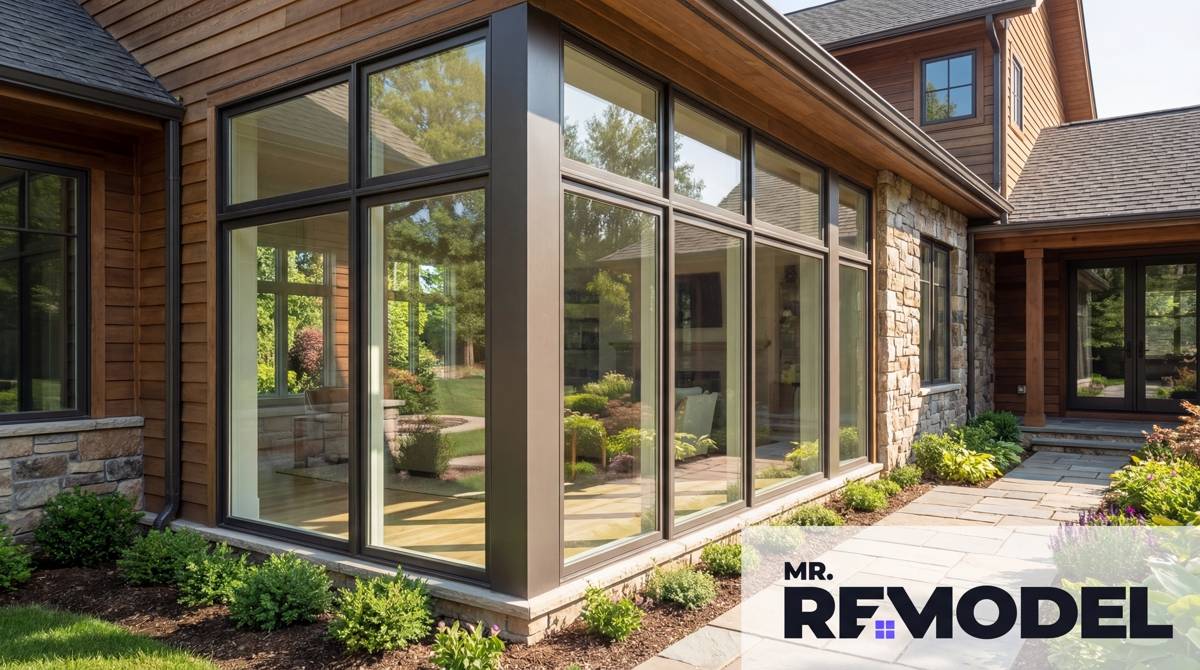
Table of Contents [hide]
Who This Is For
This guide is designed for homeowners planning to replace multiple windows. It is specifically for those looking to understand how project scale impacts pricing, energy efficiency, and available federal tax incentives.
Key Takeaways
- Bulk Savings: Increasing your project size from 5 to 10 windows can reduce your per-unit cost by approximately 36%.
- Energy Impact: Old windows are responsible for 25% to 30% of residential heating and cooling energy use, according to the U.S. Department of Energy.
- Tax Incentives: Homeowners can claim a 30% tax credit, up to 600 dollars annually, for installing ENERGY STAR Most Efficient windows.
- Strategic Budgeting: The medium-sized project (6 to 10 windows) offers the highest value-to-cost ratio for modern residential upgrades.
Replacing windows is one of the most significant investments a homeowner can make. The focus has shifted from simple repairs to full-scale efficiency upgrades. This shift is driven by rising energy costs and new federal standards.
According to data from the U.S. Department of Energy, heat gain and loss through windows are responsible for nearly one-third of a home’s energy use. This makes replacement a necessity for long-term financial health.
However, the price you pay depends heavily on the scale of your project. Many homeowners assume that replacing windows one by one is more budget-friendly. Current data suggests the opposite is true.
Understanding Window Replacement Costs by Project Scale
The total investment for your home is not a simple linear calculation. Instead, it follows a model of diminishing per-unit costs as the volume increases. This is known as the economy of scale in home remodeling.
Mr. Remodel 2025 data shows that mobilization costs and labor logistics remain constant whether you install one window or five. By increasing the scope, you spread these fixed costs across more units.
The Small Project: 1 to 5 Windows
Small projects typically involve replacing a few damaged units or focusing on a single room. While the total price is lower, the price per window is at its highest point.
|
Project Metric |
Average Value |
|
Window Count |
1 to 5 Windows |
|
Average Total Investment |
$13,107 |
|
Average Cost Per Window |
$3,831 |
At this scale, you are paying a premium for the contractor's time and setup. This is often the least efficient way to upgrade a home's exterior.
The Medium Project: 6 to 10 Windows (The Value Sweet Spot)
The medium-sized project is where most homeowners find the best balance of cost and performance. This scale typically covers a full floor of a home or a significant portion of a medium-sized residence.
|
Project Metric |
Average Value |
|
Window Count |
6 to 10 Windows |
|
Average Total Investment |
$22,239 |
|
Average Cost Per Window |
$2,436 |
By moving to this tier, you achieve a 36% saving on every single window installed. This represents a reduction of over 1,300 dollars per unit compared to a small project.
Large Scale Projects: 11+ Windows
For large homes or total property overhauls, the pricing scales further by volume. These projects often involve custom solutions for architectural frames and high-performance composite materials.
For these larger installations, prices vary significantly based on the chosen materials and the complexity of the home’s structure. High-end luxury projects in this category can reach peaks of over 84,000 dollars for specialized architectural glass.
If you are still struggling to decide the best window financial plan for your home, platforms like Mr. Remodel can help you connect with the right window contractor for you. Get a free, no-obligation quote from local experts around you.
Why Unit Costs Drop as Your Project Size Increases
You might wonder why a larger project results in a lower price per window. The answer lies in the soft costs associated with professional installation.
Research from the National Renewable Energy Laboratory (NREL) indicates that soft costs make up approximately 45% of the total price of home upgrades. These costs include labor, permitting, and the acquisition of materials.
Labor Efficiency and Setup
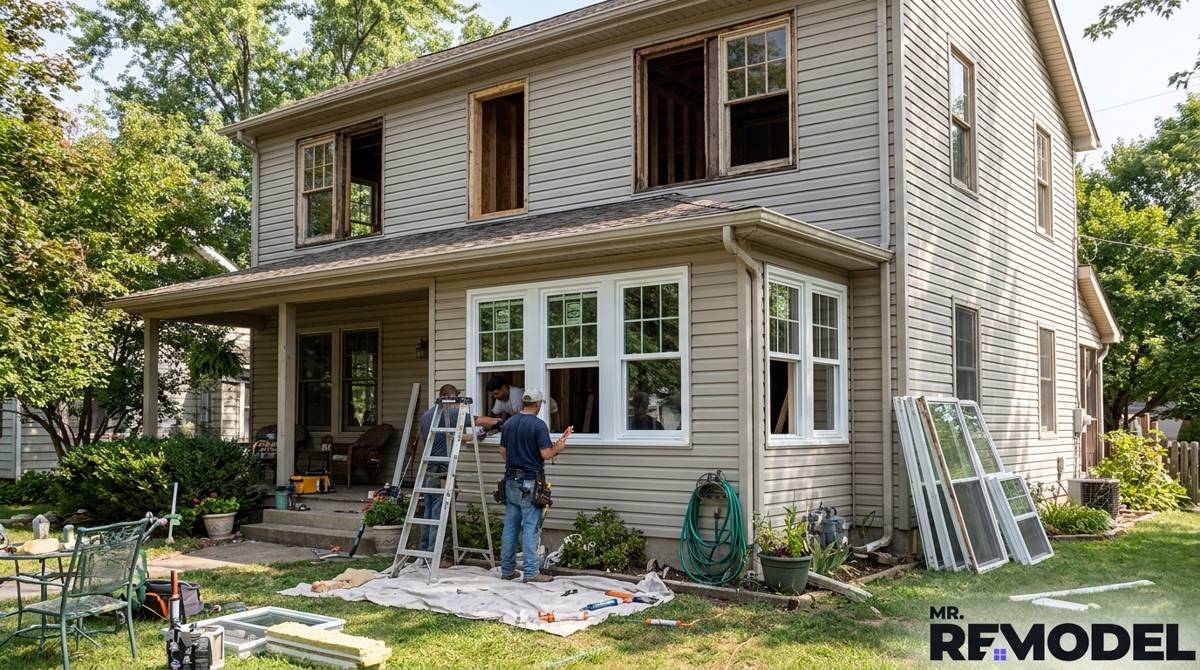
Contractors must transport equipment, set up safety staging, and dispose of old materials. These tasks take nearly the same amount of time for three windows as they do for eight windows.
When a crew is already on-site, the incremental time required to install additional windows is relatively small. This allows the contractor to offer a lower per-unit rate for larger batches of work.
Purchasing Power
Ordering 10 windows from a manufacturer often triggers wholesale pricing or shipping discounts that are not available for single-unit orders. These savings are frequently passed down to the homeowner to secure the contract.
Material and Efficiency Standards
The material you choose for your frames will dictate both the upfront cost and the long-term return on investment. High-performance vinyl and composite materials dominate the market.
Frame Material Cost Comparison
- Vinyl: The most popular choice for its balance of low maintenance and high insulation value.
- Wood: Offers a classic aesthetic but requires the highest maintenance and carries a premium price.
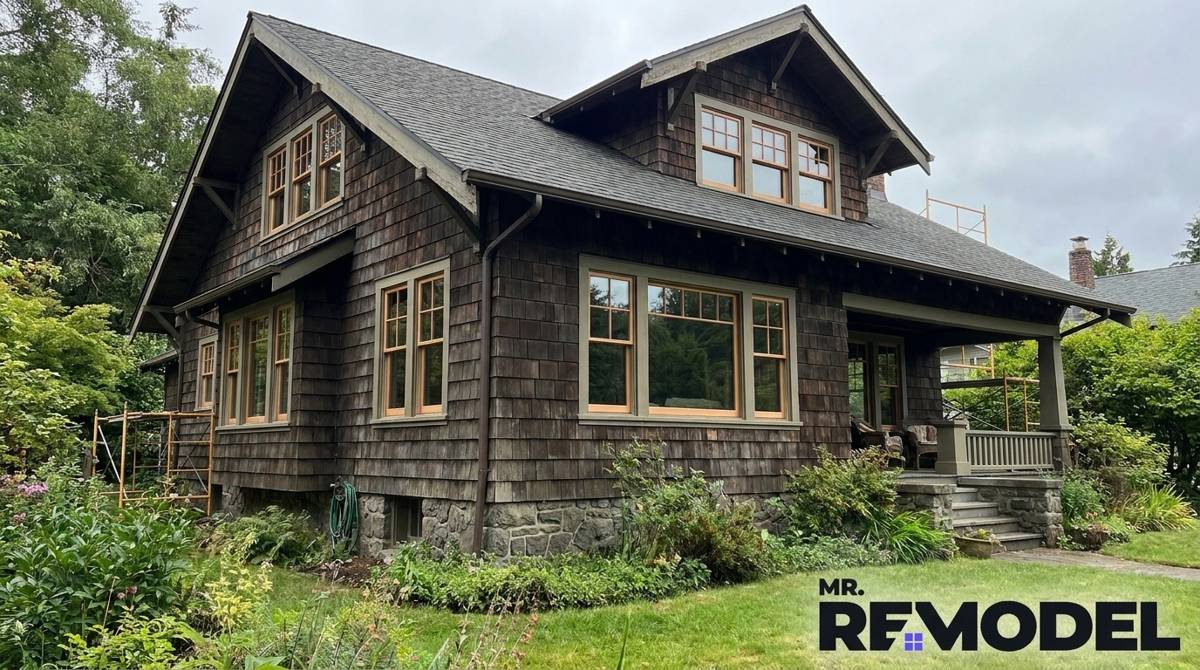
- Composite: A modern blend of wood fibers and polymer that offers the durability of vinyl with the look of wood.
- Aluminum: Mostly used in warmer climates where thermal transfer is less of a concern.
The Role of High-Performance Glass
Modern windows utilize low-emissivity (Low-E) coatings and argon or krypton gas fills. These features are designed to reflect infrared light and keep heat inside during the winter or outside during the summer.
Investing in these technologies qualifies you for significant federal incentives. The Internal Revenue Service (IRS) allows homeowners to claim the Energy Efficient Home Improvement Credit via Form 5695.
Factors That Influence Your Final Investment
Beyond the number of windows, several variables will determine where your project falls within the pricing spectrum.
Window Style and Operation
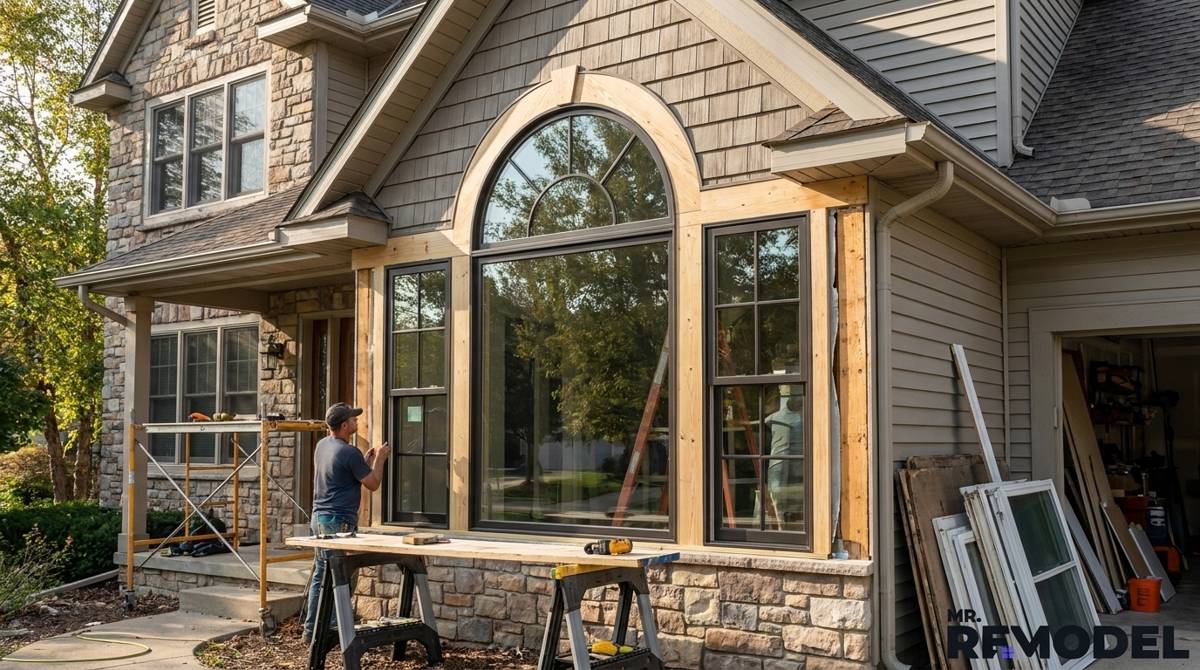
Double-hung windows are the industry standard for most homes. However, if your project includes casement, picture, or bay windows, the cost will increase. Casement windows require more hardware and complex manufacturing, raising the unit price.
Installation Type: Full-Frame vs. Insert
A "pocket" or insert installation keeps the existing frame in place. This is faster and cheaper. A full-frame installation replaces everything down to the studs, which is necessary if there is rot or if you want to change the window's size.
Geographical Labor Rates
Labor costs fluctuate based on your local market. Urban areas with a higher cost of living generally see higher installation fees. Conversely, rural markets may have lower labor rates but higher shipping costs for materials.
How to Budget for Your Window Project
To build an accurate budget, you should start by counting every window in your home. Group them into priority and secondary categories.
If your budget does not allow for a full-home replacement, aim for at least 6 windows. As the Mr. Remodel data suggests, this is the threshold where you begin to see significant savings on labor and materials.
Remember to factor in the 30% federal tax credit. This can significantly offset the initial cost of high-efficiency units. Always ensure the windows you select meet the latest ENERGY STAR criteria for your specific climate zone.

Frequently Asked Questions
How much does it cost to replace windows in a 2,000 sq. ft. home?
The cost usually ranges between 15,000 and 30,000 dollars, depending on the number of windows. A typical home of this size has 15 to 20 windows, placing it in the large project category where custom quotes are necessary.
Is it cheaper to replace all windows at once?
Yes. Because of mobilization and soft costs, replacing all windows in one project can save you up to 36% per unit. Platforms like Mr. Remodel help by matching you with contractors who offer these volume-based discounts.
What is the average cost of a single window replacement in 2026?
A single window replacement can cost between 800 and 1,500 dollars. However, if it is part of a larger project, the unit cost can drop significantly.
How do I claim the window replacement tax credit?
You can claim the credit by filing IRS Form 5695 with your annual tax return. Ensure you keep the manufacturer’s certification statement for your records.
How long does a full-home window installation take?
A professional crew can typically replace 10 to 15 windows in two days. Larger projects or those requiring full-frame replacements may take up to a week.
Maximizing Your Home Remodeling Investment
Choosing to replace your windows is a smart move for both your home's value and your monthly utility bills. By understanding the economies of scale, you can avoid the high per-unit costs associated with small, piecemeal projects.
The data is clear. Moving from a small project to a medium-sized project of 6 to 10 windows provides the best financial return. You not only save on the initial installation but also begin seeing the 30% energy savings immediately.
Ready to start your project? Mr. Remodel makes it easy to compare options. Receive free quotes and connect with the most reliable local contractors in your area. Get your free window replacement quotes.