1-855-QUOTEMR

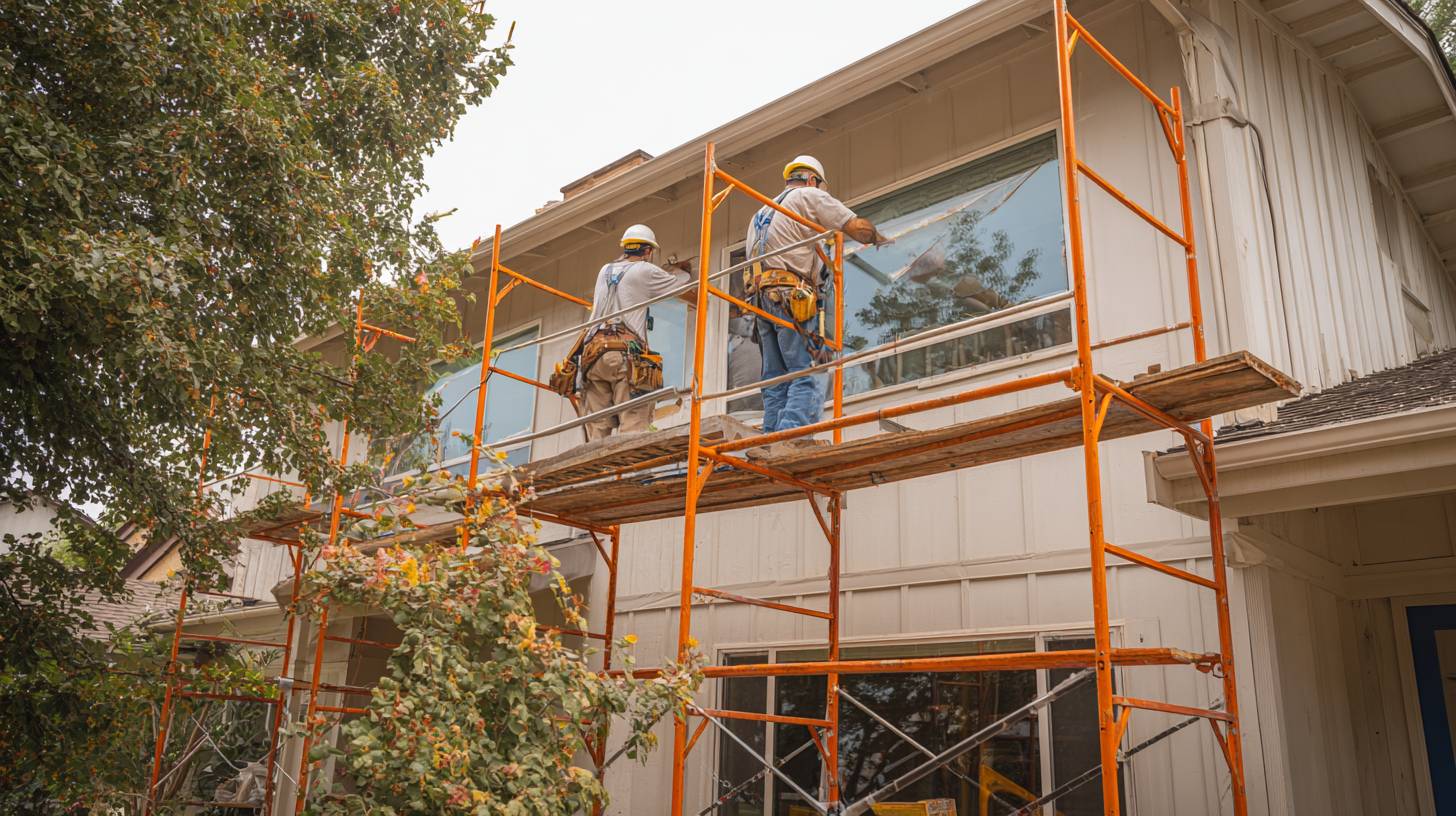
Table of Contents [hide]
Homeowners want a straight answer on the labor cost for window installation. This article explains what labor includes, how national averages translate to your home, and how window type, installation method, and climate shift the bottom line.
At a Glance: Fast Answers on Labor, Materials, and Energy
National installed cost (labor + materials) averages about $485 per window across all data sources, rising to around $570 when only actual invoices are considered. Soft costs, including installation labor, overhead, sales, permits, shipping, and profit, average around 32% of the total, and around 42% when excluding estimating tools.
Expect higher pricing for full-frame installation, multi-story work, and tight access; adders for upper floors are commonly noted in industry validation.
For energy picks, use ENERGY STAR® criteria and NFRC labels to compare U-factor (insulation) and SHGC (solar gain). The 2025 “Most Efficient” recognition shows stringent U-factor/SHGC targets; check labels before ordering. DOE’s Energy Saver has plain-language guidance on frames and glazing.
National Averages Explained: What “Labor Cost for Window Installation” Includes
When contractors discuss the labor cost for window installation, they mean removal, opening prep, shimming, setting, sealing, trim, and cleanup, plus required site protection. In NREL’s model, labor sits inside “soft costs,” alongside overhead and other non-hardware items.
The installed price per window averaged $485 across mixed sources and $570 when looking only at invoices, confirming that real projects include overhead beyond estimating tools.
Repairs are different from replacement. Minor fixes to a window pane or hardware are not in the same scope as replacement windows that change the window frame or integrate new flashing. Crew output per day varies with site and installation complexity. Second-story and access issues add time and equipment.
Regional Multipliers & Setting: Coastal, Inland, Urban, Suburban, Rural
To localize national numbers, apply construction location factors used by DOE/PNNL studies. Example multipliers drawn from state analyses: around 0.833 (Mississippi), around 0.916 (Maine), and around 1.124 (Connecticut).
These factors adjust national costs for regional wage and market conditions and are commonly used to regionalize building cost estimates.
Settings matter. Urban jobs can need street permits and coordinated access; suburban tract homes often use standard window sizes; rural work can include travel time. Climate also shapes detailing and product picks, from hot-humid to cold/mountain and marine/mixed zones.
Scope & Installation Method: Insert, Full-Frame, and New Construction
Insert installation (retrofit) keeps the existing frame, so labor is faster when openings are sound and square.
Full-frame replacement removes frames and trims, integrates weather barriers, and often adds finish carpentry. That is more labor than insert work.
New construction windows with flanges suit additions and home renovation where the wall is open. Professional practice starts with an in-home consultation, field measurements, ordering, installation day sequencing, and a punch list.
Window Types & Frame Materials: How Choices Affect Labor
Window types, such as single-hung, double-hung, sliding, casement/awning, fixed, and bay/bow, change handling time. Heavier hardware and larger units take longer. Custom windows or unusual sizes add fitting and trim.
Vinyl frames install quickly and resist moisture. Fiberglass is dimensionally stable and precise. Wood window frames deliver classic profiles but often need more finishing.
DOE notes that vinyl, wood, and fiberglass generally insulate better than bare aluminum, which can conduct heat. Regionally, older Northern housing often retained wood windows for availability and insulation value; Sunbelt expansion popularized aluminum and later vinyl for cost and maintenance.
Glass & Efficiency Options: Double-Pane, Triple-Pane, Low-E, and Gas Fills
Double-pane glass/insulated glass is standard. Triple-pane improves U-factor in cold regions but weighs more, affecting handling. Low-E coatings and argon gas cut heat transfer and can lower energy bills. Compare whole-unit ratings on the NFRC label, and check current ENERGY STAR criteria for your zone.
Codes, Health, and Compliance: Do It Right, Once
Local building codes set egress, safety glazing, and energy performance. Many projects require permits and inspections. If your home was built before 1978, EPA RRP rules require lead-safe practices that add setup and cleanup steps to the job.
Coastal and wildfire-risk areas may require specific performance ratings. In historic contexts, appearance and profile compatibility are required.
How Quotes Are Built: From Line Items to Bottom Line
A clear estimate separates installation labor, window unit prices, trim, disposal, and any window repair costs. Use national installed averages ($485 to $570 per window) as a baseline, then apply regional multipliers (for example, ×0.83 or ×1.12).
Remember: “soft costs” (including labor) are typically around 32% to 42% of the total. That context explains why two similar products can produce different totals in different markets.
Professional Installation vs. DIY Project: Where Labor Really Pays
DIY can seem cheaper, but water and air leaks are costly. Professional window installation follows manufacturer specs, integrates flashing, and protects warranties. DIY fits small fixes; full replacements with full-frame installation or multi-story access are better for pros.
Timeline & Expectations: The Window Installation Process in Practice
Pros verify window materials, window style, glass type, and opening condition, then order and schedule crews. Retrofit installation is faster than full-frame replacement because it leaves the frame. Expect more time for second-story or complex units and for lead-safe containment in older homes.
Historical Context—Why This Knowledge Matters
Many pre-war and post-war homes used wood, double-hung windows for cost, craft, and regional lumber supply. Later decades saw aluminum (low first cost, easy to mass-produce), followed by vinyl and fiberglass as codes and energy prices tightened.
Knowing the era helps contractors anticipate rot at sills, weight pockets, irregular openings, and trim styles, with issues that change labor minutes and detailing choices. Preservation standards often favor repair or like-kind profiles, which can shift the scope from replacement to restoration or to compatible, efficient units.
FAQ
How much should I budget per window, installed?
Use $485–$570 per window as a national average, then apply a location factor (for example, around 0.83 to around 1.12) and add scope and access.
Does energy-efficient glass change labor time?
Not much. Triple-pane windows can add weight and handling, but the steps are similar. Check ENERGY STAR and NFRC labels to compare performance.
Why do historic homes take longer?
Profiles, trim, and sash details must align with standards. Openings may be out of square and require careful carpentry. Some projects favor repair over replacement.
Get Clarity On Labor Cost for Window Installation—Then Compare Quotes
Use the national average, regional multipliers, scope notes, and code checks to frame your labor cost for window installation.
Ready to get your project started? Mr Remodel can connect you with vetted local window contractors for professional installation, an efficient process, and clear quotes based on your home’s age, style, and climate.