1-855-QUOTEMR

Table of Contents [hide]
If you’re replacing one to three windows, most pages on window installation prices won’t fit your reality. Small jobs have different math. This guide shows what to look for, like window type, window frame material, labor costs, and install method, so your quote matches the work and the results.
This explains minimums and trip fees, when insert versus full-frame makes sense, and which glass type upgrades improve energy efficiency and lower energy bills. Use these facts to align the scope with your contractor and avoid surprises.
Small Jobs, Big Questions: What 1–3 Replacement Windows Should Cost
Small scopes carry higher per-unit totals because fixed tasks, like setup, protection, clean-up, and haul-away, don’t change much for a single unit. As national reference points, full-home projects average about $22,000 for vinyl and $26,800 for wood when many windows are replaced at once. On 1–3 units, expect:
- Insert (vinyl) per window: $650 to $1,050 installed
- Insert (fiberglass) per window: $900 to $1,300 installed
- Insert (clad wood) per window: $1,000 to $1,500 installed
- Full-frame (most materials) per window: $1,200 to $1,900 installed
- Projection units (bay/bow): usually $3,000 to $6,000+ each, depending on structure and finishes
Regional factors matter. In many coastal/metro markets like Seattle, totals run +10% to 20% on labor and logistics. Many inland Midwest/South markets like Kansas City run –5% to 15% versus national norms.
At-A-Glance: What Drives Window Installation Prices On 1–3 Unit Jobs
The bill reflects fixed steps (mobilization, masking rooms, removal of old window panes and window sills), plus materials (frame, spacers, sealants, Low-E coatings) and labor (demo, prep, set, insulate, trim).
Adders: difficult access, upper stories, tight parking, or condo rules. Building codes add safety glass near doors and tubs, and bedrooms typically need egress-sized openings. Pre-1978 paint may trigger lead removal work practices. Standard sizes and straightforward access usually produce the most predictable window replacement costs.
Scope & Method: Why Installation Method Changes Price, Risk, And Timeline
Your method drives both performance and price.
Insert Installation (Pocket Replacement)
Use this when the existing frame is square and dry. The installer removes sash parts and fits a vinyl replacement window (or fiberglass/clad wood insert) into the old frame. It’s fast and clean—ideal for 1–3 windows.
Typical totals fall in the ranges listed above. Quality hinges on air sealing, shimming, and insulation. Good fits: double-hung windows, sliding windows, and many custom windows sized to standard depths.
Full-Frame Replacement (Down To The Rough Opening)
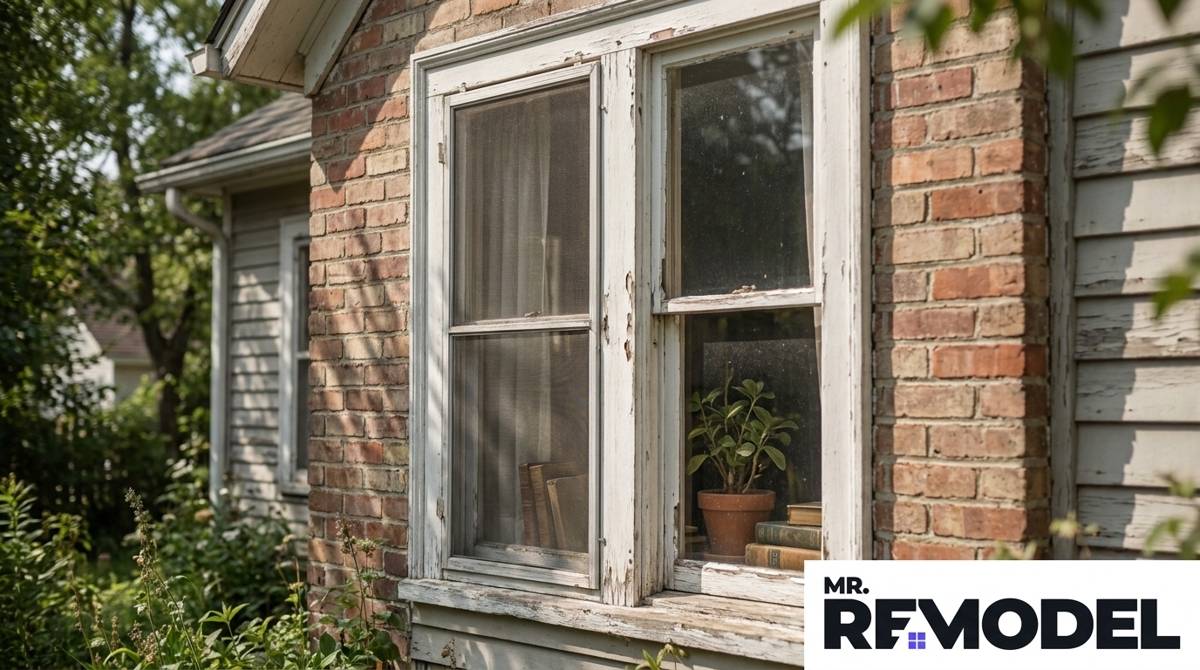
Choose this for rot, leaks, size changes, or when upgrading from single-pane windows to dual-pane windows with fresh interior/exterior trim. The crew integrates flashing with a sill pan and nailing fin for durable water management. Costs are higher per unit but pay off in tighter air control and long-term durability—especially on older wood windows.
Labor Costs, Minimums, And Trip Fees: Why One Window Costs What It Does
Even one window installation requires scheduling, loading, protection, installation, testing, and cleanup. Many crews set a half-day or day minimum that forms the floor for window costs.
Expect adders for ladder work, tricky staging, and interior paint/stain. One tactic: batch small tasks during the same visit (screen repairs or weather-stripping) to spread that minimum.
Frame Material Ladder: Vinyl, Fiberglass, Clad Wood, Aluminum
- Vinyl windows/vinyl window frames: Most affordable; low maintenance; broad ENERGY STAR options. Insert range: $650 to $1,050 per unit.
- Fiberglass windows (composite): Higher upfront window replacement price ($900 to $1,300 insert), excellent stability in hot/cold swings.
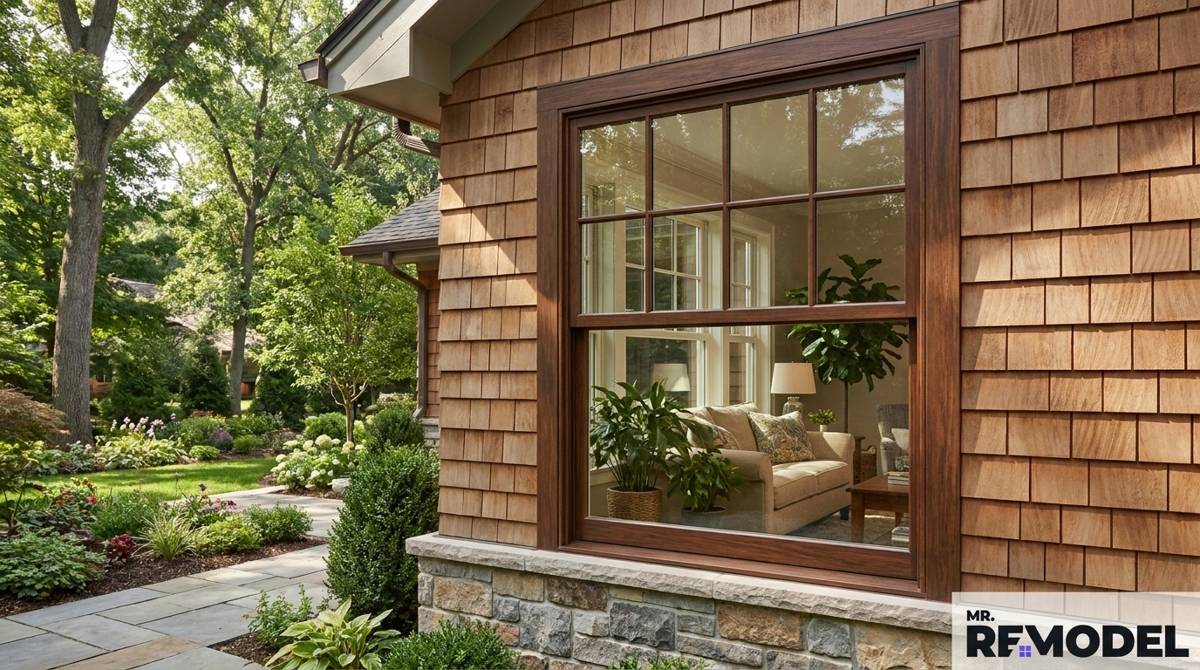
- Clad wood / insulating wood windows: Premium look and curb appeal; more finish time. Insert: $1,000 to $1,500; full-frame can exceed $1,900.
- Aluminum window: Slim, strong; choose thermally broken frames in colder zones to avoid condensation.
Historic context (why it is the way it is):
- Northeast/Midwest: Older housing often used site-built wooden window frames and double-hung sashes for storm compatibility and serviceability. Today, many owners choose clad wood or fiberglass for similar sightlines with lower upkeep.
- Sunbelt/Suburban growth areas: Aluminum and early vinyl found favor for mass production and cost. Modern replacements upgrade to insulated, low-U-factor units to cut heat gain and drafts.
Contractors who recognize era and region can recommend the right window frame material and details the first time.
Window Types And Styles: How Operation And Shape Move Price
- Double-hung / single-hung windows: Most common; efficient installs within insert ranges.
- Sliding windows: Similar labor; confirm drainage paths.
- Picture window: No hardware; glass size/weight drive labor; $700 to $1,400 typical.
- Awning windows: Hardware adds time; usually $800 to $1,300 insert.
- Bay window/bow window: Structure, roofing, and seat work raise totals ($3,000 to $6,000+).
Regional context: In colder mixed climates, double-hung remained popular for ventilation control; in hot-dry areas, large sliders and picture windows favored views and natural light. Licensed window contractors should match operation to climate, exposure, and ventilation needs.
Glass And Efficiency: Low-E, Gas Fills, And “Thermal Windows”
Upgrading window glass type changes comfort and cost. Insulated glass with Low-E glass (or Low-E coatings) and gas fills can add $75 to $250 per unit, depending on size and package. Tune U-factor for insulation and SHGC for sun control by region. Safety glazing is required in specific locations by code.
Match packages across all 1–3 units to reduce micro-variations and simplify warranties. Expect real energy savings over single-pane, especially with ENERGY STAR targets met.
Codes, Safety, And Health: Egress, Tempered, And Lead-Safe Work
Bedrooms often require egress-sized openings. Near baths and doors, tempered glass is typical. Proper integration, like sill pan, flashing, and air sealing, guards against moisture that causes window malfunctions. In pre-1978 homes, ask about lead-safe containment and cleanup. Confirm labels, ratings, and inspection steps before work starts.
Batching Strategy: Price Scenarios For 1, 2, And 3 Windows
- One window: You’ll feel the minimum. Bundle small tasks to stretch value.
- Two windows: Better efficiency; keep sizes or window styles similar.
- Three windows: Often the sweet spot for small jobs. Group by room or window type to reduce setup changes.
Keep the same window manufacturer and finish to avoid small-order premiums and protect color match.
FAQ
Will one window cost more per unit than ten?
Usually, yes. Minimums and trip fees make single-window jobs costlier per unit than multi-window projects.
Is the insert installation reliable for older frames?
If the frame is sound and square, yes. For rot, leaks, or size changes, choose full-frame for better long-term performance.
Which upgrades reduce energy bills the most?
Insulated, ENERGY STAR-rated units with Low-E and gas fills (argon or krypton) deliver consistent gains when sized and sealed correctly.
How To Compare Quotes And Get The Best Window Installation Prices
Request apples-to-apples details: window material and finish; exact window glass type/Low-E coatings; insert installation or full frame replacement; flashing (nailing fin, sill pan), air sealing, haul-away, and paint/stain. Confirm ENERGY STAR targets for your climate and ask about warranties and financing options.
Mr Remodel can connect you with trusted local contractors nationwide so your window installation prices align with scope, performance, and timeline. Compare quotes and plan your 1–3-window project today.