1-855-QUOTEMR

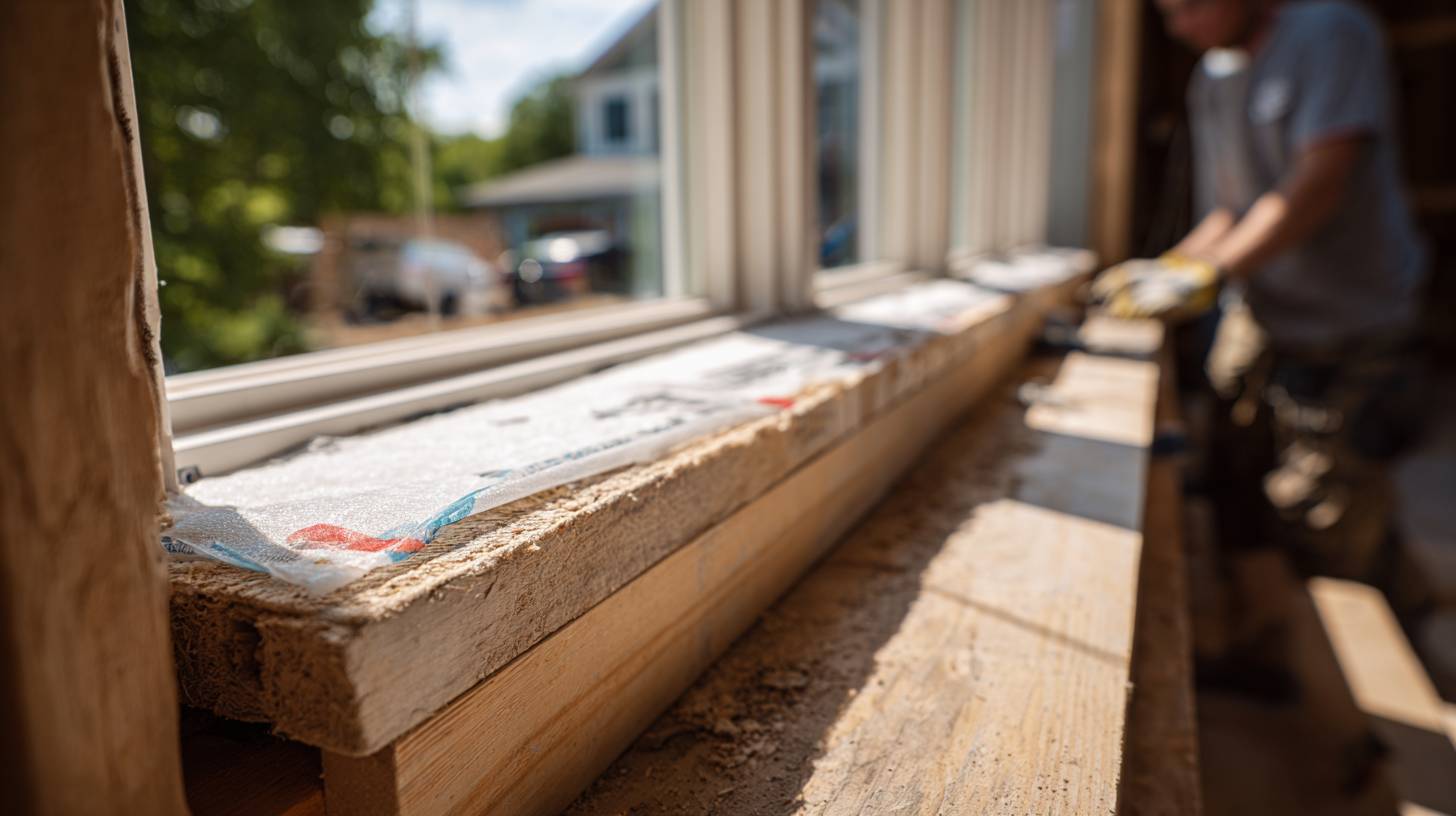
Table of Contents [hide]
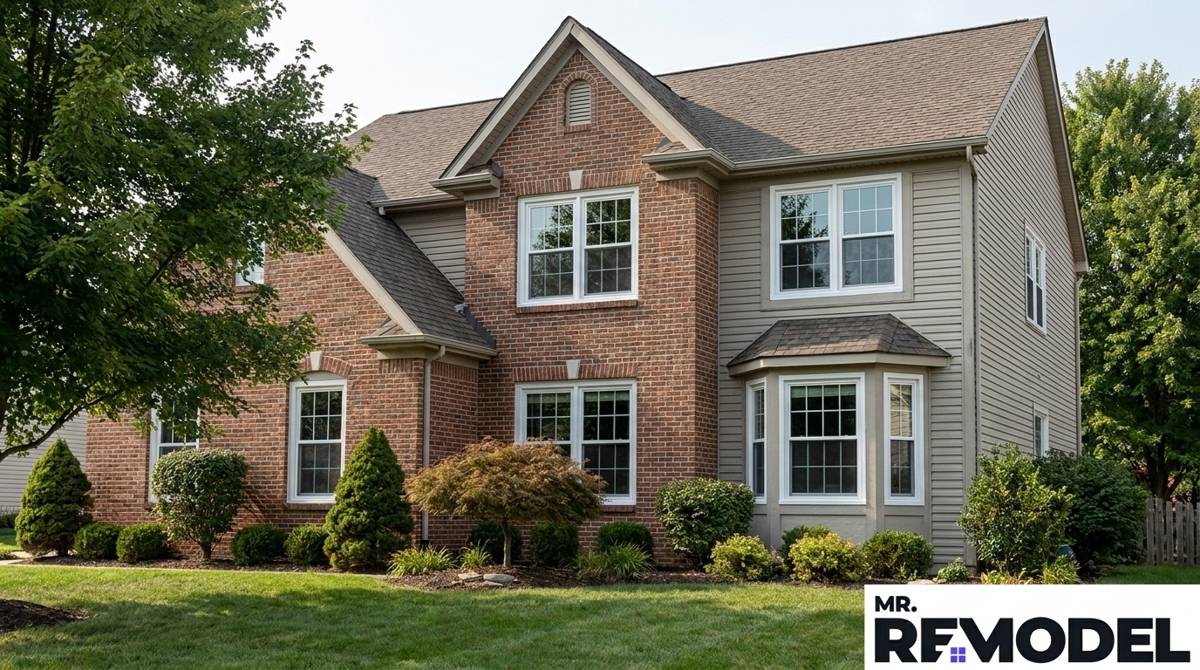
Searching for “window installation near me” can generate an overwhelming amount of search results. It can be difficult to decide which contractor to go with. This guide will empower you with the information you need to choose the right contractor.
The smart move is to hire a local, licensed, and insured professional who installs to recognized standards and puts warranties in writing, so you get peace of mind, not surprises.
This guide shows you how to compare proposals for replacement windows. You’ll see what to check, typical window installation costs, and why regional housing history matters when you choose materials, glass, and methods.
How to Vet a Local Pro for Window Installation Near You (Licenses, Insurance, Warranties)
Start with proof. Ask for an active license, current general liability, and workers’ compensation, and written installation practices aligned with ASTM E2112. Good proposals list scope, product specs, and warranty terms. Price matters, but how the window is installed matters more.
At-a-Glance Checklist (What to Verify in 5 Minutes)
- License number and trade classification.
- Insurance certificates (general liability and workers’ compensation).
- Written scope: retrofit (pocket) or full-frame; disposal; flashing; air sealing and insulation.
- Labels: NFRC ratings and ENERGY STAR®, where appropriate for energy-efficient windows.
- Warranty terms: manufacturer vs. workmanship; definitions of a “lifetime warranty.”
- Code duties: who handles permits, energy code compliance, and egress.
- Lead-safe work practices for pre-1978 homes.
- A reachable project manager or customer care center contact.
Licenses & Codes: The Non-Negotiables
Validate license status and ask how the contractor meets energy code targets (U-factor and solar heat gain coefficient). Bedrooms may require operable egress windows such as casement windows, double-hung windows, or sliding windows.
For older homes, confirm lead-safe practices if paint could be disturbed. Licensed and insured professionals protect you legally and financially.
Insurance Proof That Actually Protects You (GL & Workers’ Comp)
Certificates should show insurer names, policy numbers, effective dates, and coverage limits. Ask to be listed as the certificate holder. Workers’ compensation matters if a crew member is injured during installation. Request updated documents at contract signing.
Installation Standards & Crew Qualifications
ASTM E2112 calls for sill pans, correct flashing, shims, anchoring, and insulation at the rough opening.
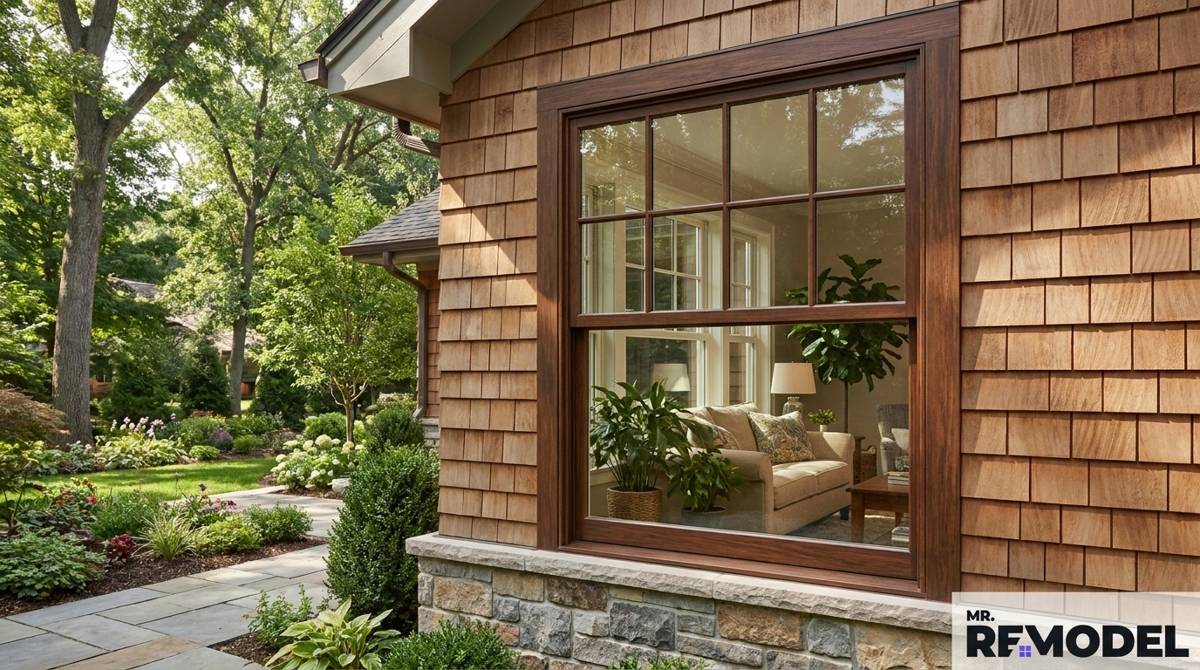
Match experience to your window materials and window type: vinyl windows, wood windows, fiberglass windows, or aluminum windows, as well as larger units such as a picture window or bay and bow windows. Ask who the installation specialist is and who signs the site inspection.
Decoding the Proposal: Apples-to-Apples Comparison
Line items keep bids honest: retrofit versus full-frame; counts and types of windows; sizes; glass type (double- or triple-pane, low-e, laminated), gas fill, grid pattern, and insulated frames; interior trim and paint; vinyl siding touch-ups if disturbed; hardware; disposal; labor costs; permits; and any in-home consultation fee credited at install.
Typical installed costs (per opening):
According to the Journal of Light Construction, the cost for window installation ranges from the following:
- Vinyl, retrofit: ~$450 to $800; full-frame: ~$700 to $1,100.
- Fiberglass, retrofit: ~$650 to $1,050; full-frame: ~$950 to $1,500.
- Clad or wood, retrofit: ~$700 to $1,200; full-frame: ~$1,000 to $1,700.
Bundled scopes, such as entry doors, a fiberglass front door, or a patio door, can change schedule and price; get them itemized.
Warranties: Manufacturer vs. Workmanship vs. “Lifetime”
Most manufacturers separate coverage for frame, insulated glass, and hardware. Workmanship covers air and water performance tied to installation. “Lifetime” often has limits or proration; demand the warranty PDFs up front. Energy savings on energy bills depend on both the product and a tight, well-flashed install.
In-Home Estimate & Site Inspection: What Pros Should Evaluate
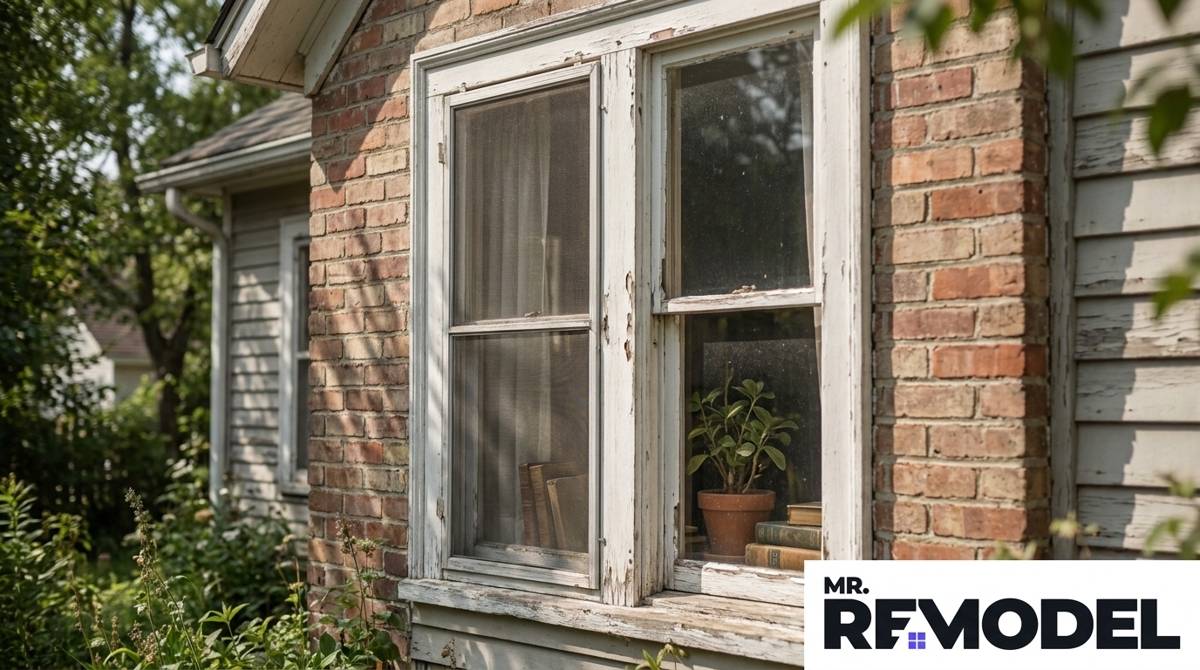
A thorough in-home estimate measures every opening, checks each window frame for square, rot, and water staining, and confirms building codes (including tempered glazing near doors or wet areas). Discuss custom design details, like color, built-in blinds, and grid patterns, and match the window type to the room.
Examples: a bay window for seating, a bow window for daylight, and awning windows for ventilation under light rain. Expect advice on energy-efficient models suited to your region.
Financing Options, Scheduling & Service Signals
Ask about financing options, progress payments, and start dates. Reliable customer service shows up as clear service areas, a responsive sales team, and a named project manager.
Be cautious with “price match” claims unless specifications and scope are identical. Big-box quotes from a home center can be a reference, but use them as a benchmark, not a decision-maker.
Why Housing History and Region Still Matter
Before 1945: Most homes used site-built or factory wood, single-pane windows, chosen for local lumber and low cost. Today, these openings often need full-frame replacement, careful air sealing, and, in many cases, insulating wood windows to keep character while improving comfort.
Post-war to 1960s (Sunbelt influence): Aluminum frames appeared where heat and supply chains favored metal. They’re durable but conduct heat; upgrading to thermally improved frames and low-e glass raises energy efficiency.
1970s–1990s: Vinyl rose with double-pane insulating glass. Early units can have failed seals or UV wear; modern vinyl with reinforced sashes and better low-e coatings performs far better.
2000s–present: Fiberglass and composite frames gained traction for strength and stability in large openings and in mountain or desert regions with big temperature swings.
Coastal zones may require impact-rated glass; wildfire-exposed areas often prefer tempered dual-pane configurations. A competent contractor reads this history, then recommends the right window materials and glass packages for climate, codes, and your home’s style.
FAQs
How much does window replacement cost?
For a typical 10-window project, national averages often land around the low- to mid-$20,000s for vinyl and the mid-$20,000s for wood, depending on scope and region. Per-opening ranges commonly run from about $450 to $1,700 based on material and whether it’s retrofit or full-frame.
What affects installation costs the most?
Labor rates, access, material choice, glass type, and whether framing or trim needs work. Impact-rated or specialty glass increases price.
Do I need a permit?
In many regions, yes, especially when structural changes, egress, or energy code compliance are involved. Ask the contractor to handle permits and inspections.
Get Trusted Help for Window Installation Near You
Verify licenses, insurance, standards, and warranties, then compare itemized proposals. Mr Remodel can connect you with vetted local pros for window installation near me, align your in-home estimate with goals, and help you compare quotes for real value.