1-855-QUOTEMR

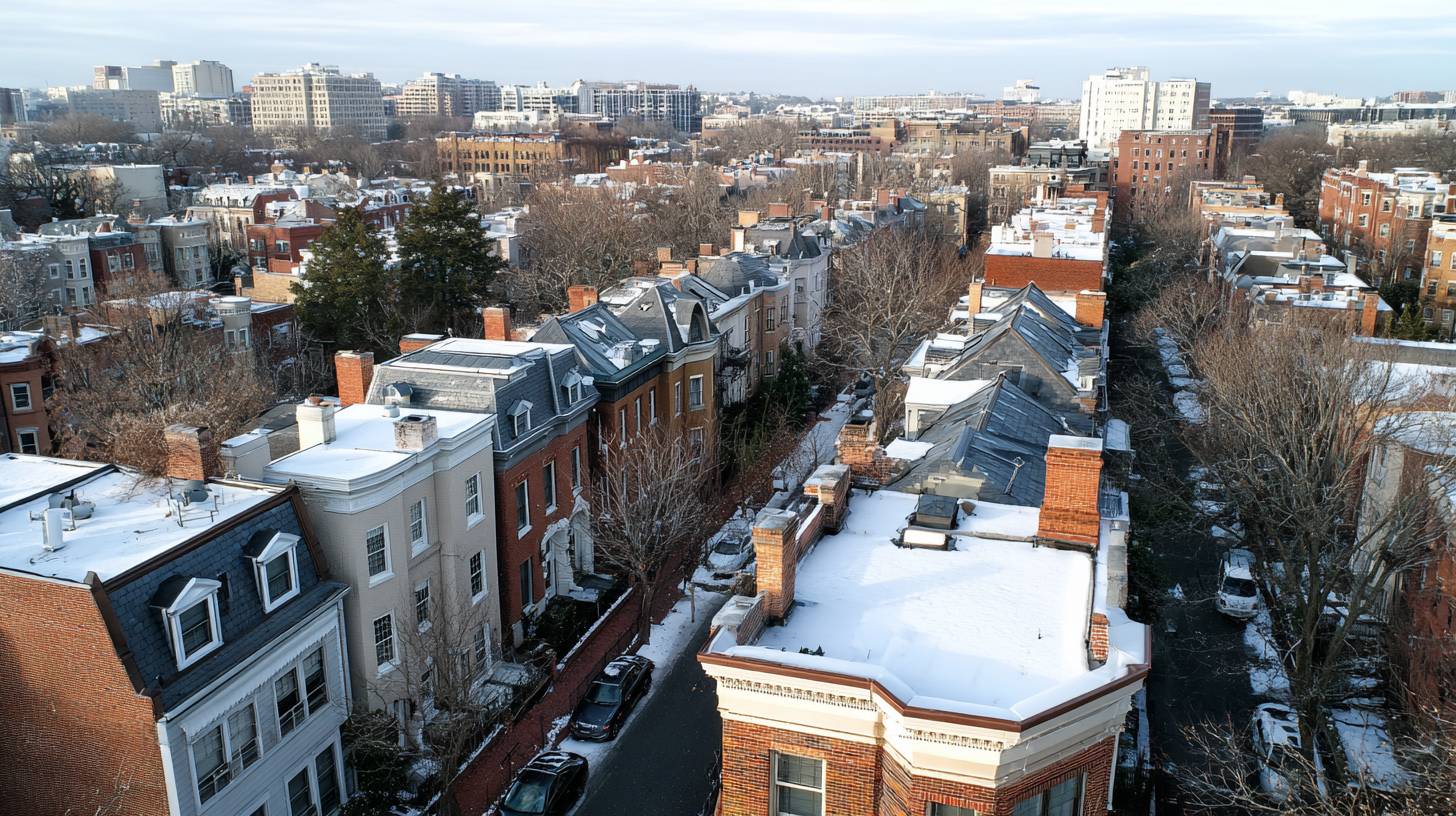
Table of Contents [hide]
In Washington, D.C., a roof does more than shed water. It must handle the intense heat island effect of the city's summer and the freezing cycles of a Mid-Atlantic winter. Whether you are maintaining a flat roof on a row home in H Street Corridor or restoring a slate mansard in Georgetown, your roof is a critical asset protected by some of the strictest building codes in the nation.
Mr. Remodel is your connection to the top roofing talent in D.C. We partner with licensed and insured contractors who understand the complexities of D.C. regulations. The experts in our network know how to navigate everything fromHistoric Preservation Review Board design guidelines to the specific "Postcard Permit" process for minor repairs.
Get a free, no-obligation quote from a vetted Washington, D.C. roofer.
Why D.C. Homeowners Use Mr. Remodel
1. Flat Roof and Row Home Specialists
The majority of D.C. homes are row structures with flat or low-slope roofs. These specific types of roofs need specialized materials like torch down or TPO membranes, not standard shingles. The roofing contractors we connect you with are experts at sealing party walls: the shared masonry walls between neighboring homes. These party walls are a very common source of roof leaks in the city.
2. Historic District Compliance
If you live in a historic district like Capitol Hill, LeDroit Park, or Dupont Circle, you cannot simply swap materials. Our partners are experienced in working with theHistoric Preservation Office (HPO). They know how to source slate or approved synthetic alternatives that satisfy the preservationists while keeping your home watertight.
3. DOB Licensed Pros
TheDepartment of Buildings (DOB) requires strict licensing for home improvement work. Every pro in our network carries a valid D.C. Basic Business License for General Contracting or Home Improvement. This protects you from fines and ensures the work is bonded and insured.
Average Cost of Roofing in Washington, D.C.
Roofing costs in the District are higher than the national average due to labor rates, difficult street access for dumpsters, and parking permit fees. Below are estimates for typical D.C. homes.
|
ROOFING MATERIAL |
AVERAGE COST (per sq. ft.) |
TYPICAL PROJECT TOTAL |
LIFESPAN |
|
Modified Bitumen (Torch Down) |
$12.00 to $18.00 |
$12,000 to $22,000 |
15 to 20 Years |
|
TPO (Cool Roof) |
$12.00 to $22.00 |
$15,000 to $28,000 |
20 to 25 Years |
|
Slate |
$25.00 to $45.00+ |
$40,000 to $90,000+ |
75+ Years |
|
Asphalt Shingles |
$7.50 to $11.00 |
$10,000 to $18,000 |
20 to 25 Years |
Common Roofing Challenges in the District
1. Ponding Water
Most D.C. row homes have flat roofs that settle over time. This creates low spots where water sits (ponds) for days after rain. The pros in our network use tapered insulation systems to re-slope the roof, ensuring water flows to the internal drain or rear gutter instead of sitting on the membrane.
2. Shared Party Wall Leaks
In neighborhoods like Petworth and Columbia Heights, a leak in your ceiling might actually be coming from your neighbor's roof. Water can seep into the shared brick firewall and travel sideways. The experts we recommend are trained to identify these transitional leaks and properly flash the parapet cap to seal the gap between properties.
3. Internal Drain Failures
Many Victorian row homes use internal drains rather than external gutters. If these cast iron pipes crack inside the walls, it causes major water damage. Our network partners can inspect these drains and install new liners or retrofit the system to move water safely off the roof.
4. Urban Heat Island
D.C. gets incredibly hot in July. Black rubber roofs absorb that heat and radiate it into your top floor. The teams we work with often recommend Cool Roof white membranes (TPO) or aluminum coatings to reflect UV rays and lower your cooling costs.
Modified Bitumen vs. TPO (Cool Roof)
For the thousands of flat-roof owners in D.C., this is the main material decision.
Option A: Modified Bitumen (Torch Down)
- Best For: Roof decks with heavy foot traffic or HVAC units.
- Pros: It is tough, multi-layered, and resists punctures well. It is the traditional choice for D.C. row homes and handles winter freeze cycles effectively.
- Cons: It is usually black or dark grey, meaning it absorbs massive heat in the summer. It relies on open-flame installation, which requires a skilled crew.
Option B: TPO (Thermoplastic Polyolefin)
- Best For: Energy efficiency and modern renovations.
- Pros: It is a single-ply white membrane that reflects sunlight. This helps meet D.C. green building goals and keeps your upper floors cooler. It is seamless and heat-welded for a watertight bond.
- Cons: It can be slippery when wet and shows dirt more than black roofs. It costs slightly more upfront than standard torch down.
Expert Advice: If you pay high AC bills in the summer, TPO is the superior choice. If you have a roof deck or frequent foot traffic, the durability of Modified Bitumen is often better.
How Mr. Remodel Works
We navigate the bureaucracy so you don't have to.
- Permit Handling: The contractor manages the permit application with the DOB. This includes "Public Space Permits" if they need to block the sidewalk or alley for a dumpster.
- Historic Review: If your roof is visible from the street in a historic district, the pro submits the necessary photos and material samples to the HPO for approval.
- Green Roof Incentives: Our partners can help you navigate programs like RiverSmart Rooftops, which offers rebates for installing green roofs to manage stormwater.
Serving All of Washington, D.C.
Mr. Remodel connects you with pros across all eight wards.
- Neighborhoods: Capitol Hill, Georgetown, Petworth, Columbia Heights, Brookland, DuPont Circle, Adams Morgan, H Street Corridor, and Navy Yard.
- Surrounding Areas: Takoma Park, Chevy Chase, Silver Spring, Bethesda, Arlington, Alexandria.
FAQ: Roofing in Washington, D.C.
Do I need a permit to replace my roof in D.C.?
Yes. Almost all roofing work requires a permit from theDepartment of Buildings (DOB). Minor repairs might qualify for a "Postcard Permit," but a full replacement requires a standard building permit.
Are there rebates for new roofs in D.C.?
Yes. TheDepartment of Energy & Environment (DOEE) offers incentives for "Green Roofs" that hold plants to reduce stormwater runoff. The DC Sustainable Energy Utility (DCSEU) also occasionally offers rebates for insulation upgrades done during roofing projects.
Can I put a deck on my flat roof?
It is possible, but complicated. You will need a structural engineer to verify the roof can hold the weight, and you must get a specific building permit. If you are in a historic district, the railing cannot be visible from the street.
How do I check if a roofer is licensed?
You should always verify that the contractor has a D.C. Basic Business License. You can search theScout database provided by the DOB to verify their license status and check for any past infractions.
What if my neighbor refuses to fix their side of the party wall?
This is a common D.C. issue. Water enters their side and leaks into yours. While a roofer cannot touch their property without permission, the pros in our network can install a "dividing curb" or special flashing to isolate your roof and protect your home from their leaks.
Get Your Free D.C. Roofing Quote
Don't let a ponding roof threaten your historic home. Whether you need a slate repair in Georgetown or a TPO replacement in Petworth, Mr. Remodel is your link to the best licensed pros in the District.
Ready to protect your investment? Request Your Free Quote Today.