1-855-QUOTEMR

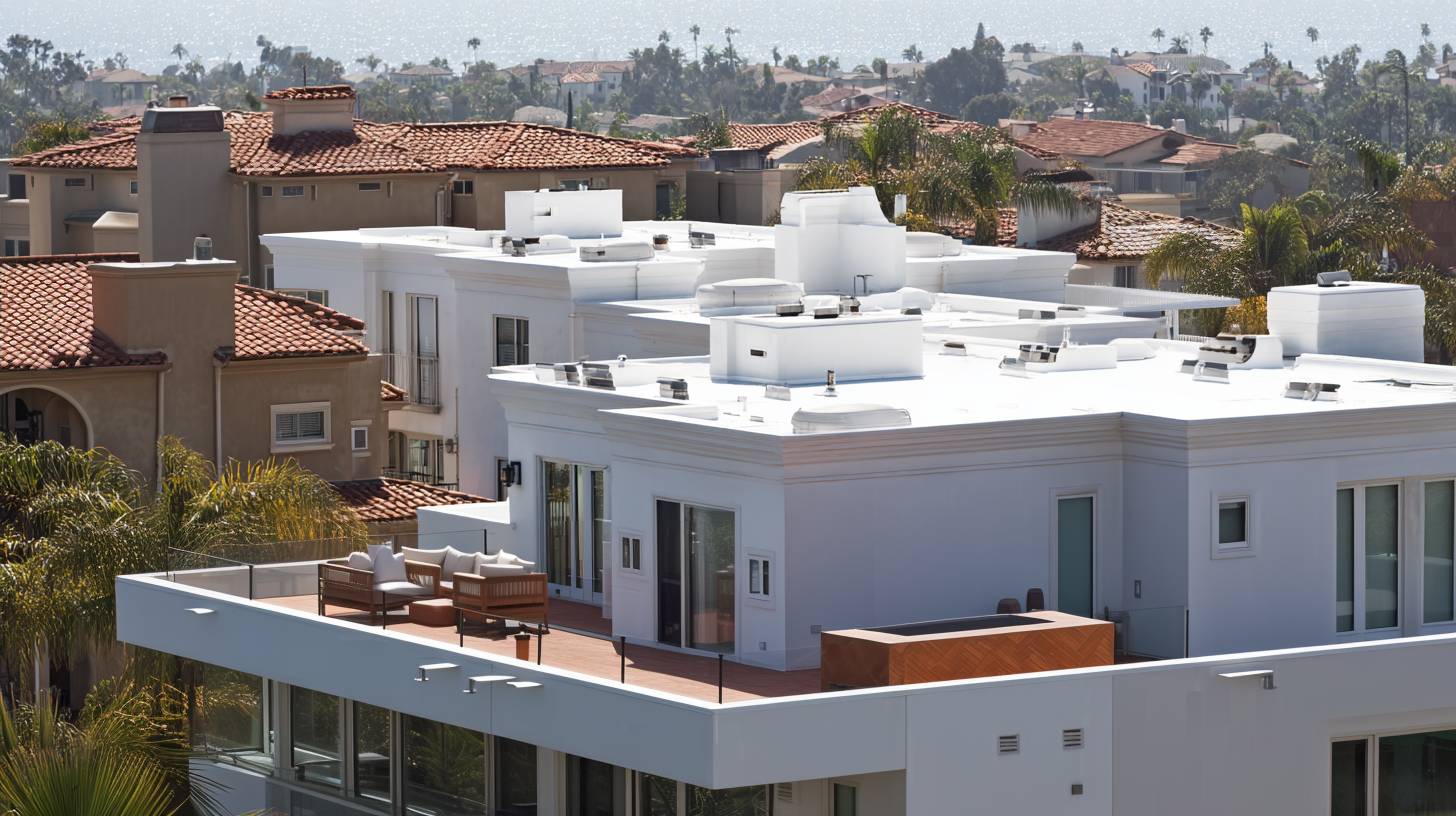
Table of Contents [hide]
San Diego weather is often called perfect, but it is actually a complex mix of microclimates. A roof in La Jolla battles constant salt spray and marine layer moisture, while a roof in Poway faces intense dry heat and wildfire risks. Whether you are preserving a Mission Hills craftsman or updating a mid-century home in Clairemont, your roof must be built to handle your specific zone.
Mr. Remodel is your connection to the top roofing talent in America’s Finest City. We partner with licensed C-39 contractors who understand the nuances of Climate Zone 7 (Coastal) and Climate Zone 10 (Inland). The experts in our network know how to navigate everything from Historic Resources Board reviews to the strict Wildland-Urban Interface (WUI) fire codes required for homes near the canyons.
Get a free, no-obligation quote from a trusted San Diego roofer.
Why San Diego Homeowners Use Mr. Remodel
1. Wildfire and WUI Zone Experts
If you live near a canyon in neighborhoods like Scripps Ranch or Tierrasanta, you are likely in a Fire Hazard Severity Zone. You cannot just install any roof. The contractors we connect you with specialize in Class A Fire-Rated roof systems. They know how to "harden" your home against ember cast using specific vents and non-combustible materials.
2. Title 24 Cool Roof Compliance
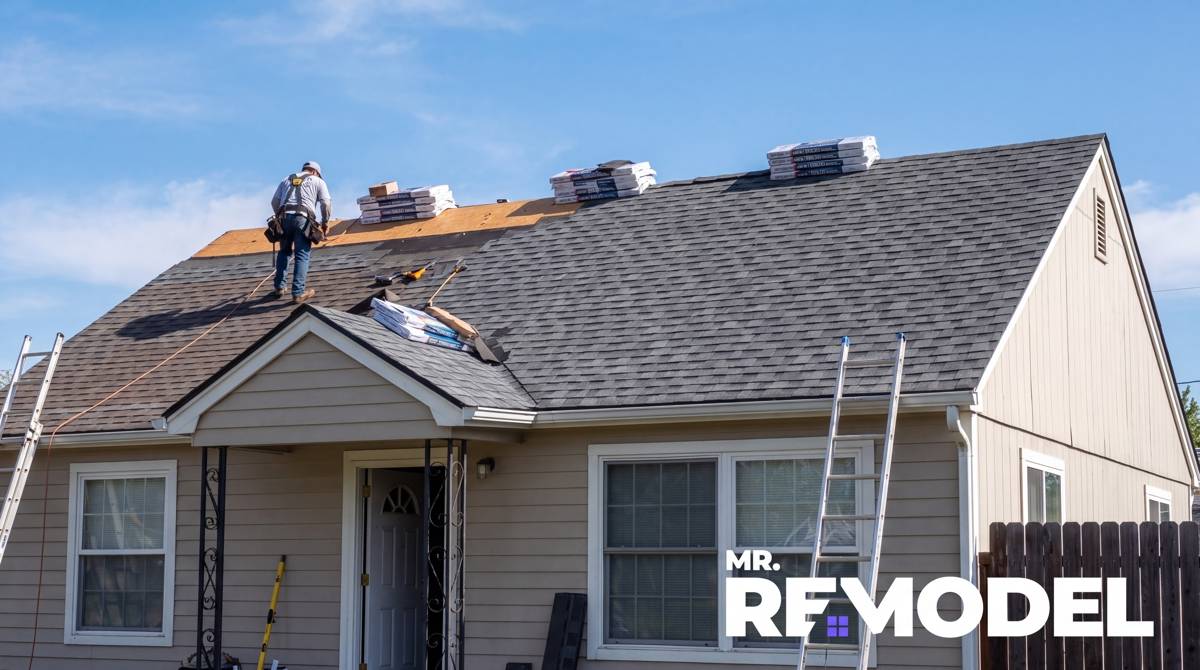
California energy codes are strict. If you replace more than 50% of your roof, you often need to install Cool Roof materials that reflect sunlight. Our network pros know exactly which shingles meet the Solar Reflectance Index (SRI) required for your specific address, ensuring you pass inspection without ruining your curb appeal.
3. Historic Preservation Knowledge
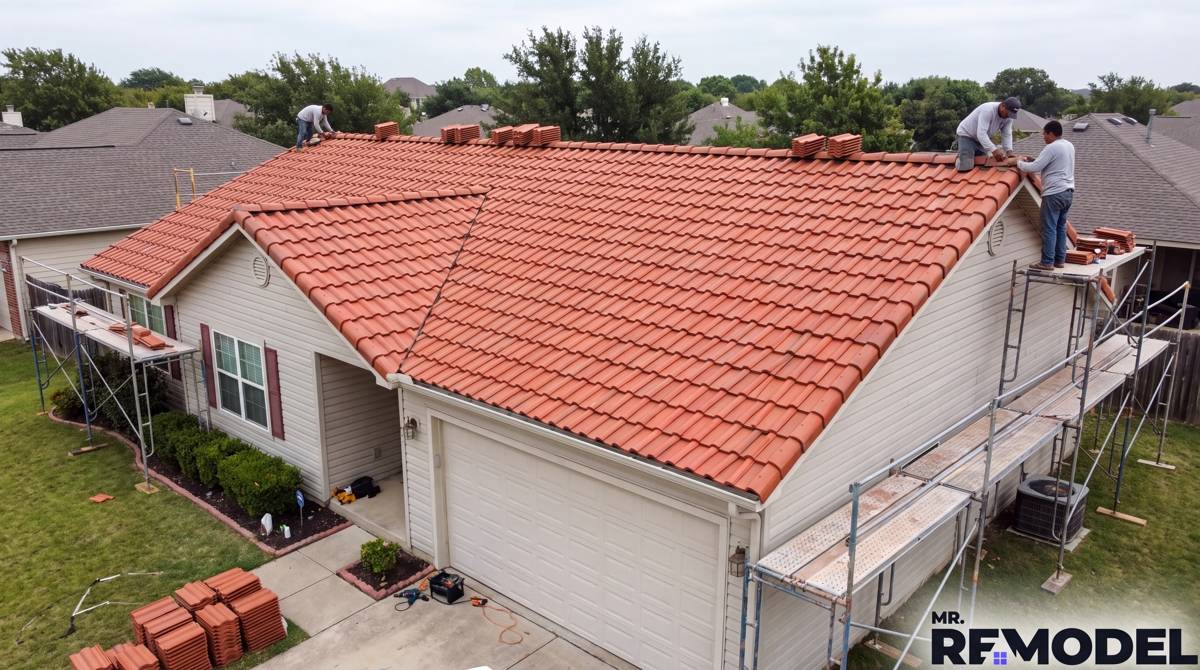
San Diego has many designated historic districts, like Burlingame and Gaslamp. Renovating these homes often involves the Mills Act Program. Our partners are experienced in sourcing materials that meet the City of San Diego Historical Resources guidelines, such as replacing clay tile with historically accurate replicas.
Average Cost of Roofing in San Diego
Roofing costs in San Diego are higher than the national average due to strict disposal fees and labor costs. Below are estimates for typical homes in the county.
|
ROOFING MATERIAL |
AVERAGE COST (per sq. ft.) |
TYPICAL PROJECT TOTAL |
LIFESPAN |
|
Cool Asphalt Shingles |
$5.50 to $8.75 |
$11,000 to $17,500 |
20 to 25 Years |
|
Concrete Tile |
$11.00 to $16.00 |
$22,000 to $32,000 |
40 to 50 Years |
|
Clay Tile |
$16.00 to $25.00+ |
$32,000 to $50,000+ |
75+ Years |
|
Flat Roof (TPO/Torch) |
$6.50 to $10.00 |
$13,000 to $20,000 |
15 to 20 Years |
Common Roofing Challenges in San Diego
1. Salt Air Corrosion
If you live west of I-5, salt mist is a daily reality. This corrodes standard metal flashing and fasteners rapidly. The pros in our network use copper or stainless steel flashing in coastal zones like Del Mar and Point Loma. This prevents the metal from rusting out before the roof itself fails.
2. Termites in Open Eaves
Many San Diego bungalows have open rafter tails where the roof beams stick out past the wall. These are prime targets for dry rot and termites. Unlike other cities where gutters hide this wood, ours is exposed. The teams we recommend include wood repair specialists who can replace damaged rafter tails during the roof project.
3. Santa Ana Wind Damage
When the hot winds blow from the east, they can gust over 60 mph. This lifts lightweight shingles and cracks brittle tiles. The experts we work with prioritize high-wind installation techniques. This includes using six nails per shingle and ensuring clay tiles are properly fastened to the deck.
4. Solar Integration
San Diego has one of the highest solar adoption rates in the nation. A roof replacement is the best time to check your system. The contractors in our network coordinate with solar teams to “detach and reset” your panels. They also install proper stand-offs to protect the new roof warranty.
Clay Tile vs. Cool Shingles
This is the classic San Diego debate. Do you go with the Spanish look or the modern efficiency?
Option A: Authentic Clay Tile
- Best For: Spanish Revival homes in Kensington and Mission Hills.
- Pros: It defines the San Diego aesthetic. It is fireproof and lasts 50 years or more.
- Cons: It is heavy and expensive. Walking on it to clean gutters is risky because tiles crack easily.
Option B: Cool Asphalt Shingle
- Best For: Ranch homes in Clairemont and Mire Mesa.
- Pros: Affordable and lightweight. New Cool Roof versions reflect heat to meet Title 24 codes and keep your AC bill down.
- Cons: They do not have the same lifespan as tile. The intense inland sun will dry them out faster than in cooler climates.
Expert Advice: If you are in a historic district or WUI fire zone, Tile is the best investment. For standard suburban homes, Cool Shingles offer the best value.
How Mr. Remodel Works
We handle the logistics so you can enjoy the sunshine.
- Permit Management: The contractor handles the permit application with theSan Diego Development Services Department.
- Fire Safety: Pros ensure your roof vents are ember-resistant to meet new fire codes.
- Energy Compliance: The contractor provides the CF1R energy forms required to prove your roof meets state efficiency standards.
Serving All of San Diego County
Mr. Remodel covers the coast, the inland valleys, and the foothills.
- San Diego Neighborhoods: La Jolla, North Park, Hillcrest, Point Loma, Pacific Beach, Clairemont, Scripps Ranch, Rancho Bernardo.
- Surrounding Cities: Chula Vista, Carlsbad, Oceanside, El Cajon, Encinitas, Poway, Escondido.
FAQ: Roofing in San Diego
Do I need a permit to replace my roof in San Diego?
Yes. A building permit is required for re-roofing projects. This is to ensure the new roof meets fire safety and energy codes. You can check permit requirements at theSan Diego Development Services Department.
What is the WUI Zone?
WUI stands for Wildland-Urban Interface. These are areas where homes are close to natural vegetation (canyons). If you live in a WUI zone, your roof must meet stricter fire standards, such as having a Class A fire rating and ember-resistant vents. You can check your zone at the San Diego Fire-Rescue Department.
What is a Cool Roof?
A Cool Roof reflects more sunlight than a standard roof. In California, Title 24 energy standards often require cool roof materials when replacing more than 50 percent of the roof. This helps reduce the "urban heat island" effect. Learn more at the California Energy Commission.
How do I handle my solar panels during a re-roof?
You will need a "detach and reset" service. The roofing contractor coordinates with a solar crew to remove the panels, store them, and reinstall them after the roof is done. This is critical to preserving your solar warranty.
Can I install wood shakes in San Diego?
It is generally not allowed or highly restricted. Wood shakes are a fire hazard. In WUI zones, they are prohibited. Even in other areas, we recommend synthetic shakes that look like wood but carry a Class A fire rating.
Get Your Free San Diego Roofing Quote
Don't let a leaky roof ruin your investment. Whether you need a tile restoration in Kensington or a cool roof upgrade in Mira Mesa, Mr. Remodel is your link to the best pros in the county.
Ready to upgrade your home? Request Your Free Quote Today.