1-855-QUOTEMR

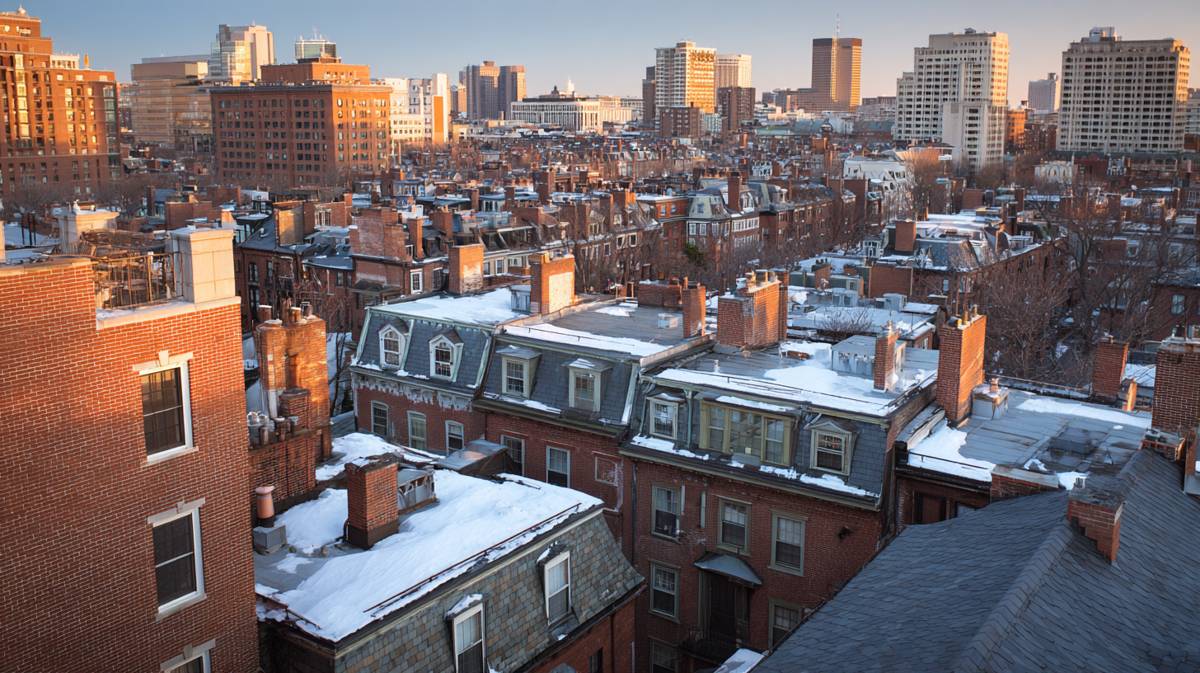
Table of Contents [hide]
Boston's climate is a test of endurance for any home. From the salt air battering triple-deckers in Dorchester to the heavy snow piling up on Beacon Hill brownstones, a roof here needs to be more than just shingles. It also needs to be a shield. Whether you are restoring a Victorian in Jamaica Plain or maintaining a flat roof in the South End, you need a roofing contractor who understands New England’s unpredictable weather.
Mr Remodel simplifies the process of finding that expertise. Our platform connects you with licensed, insured professionals who specialize in Boston’s unique architecture. The contractors in our network know how to navigate everything from steep slate mansard roofs to the strict permitting rules of the Boston Landmarks Commission.
Get a free, no-obligation quote from a top-rated Boston roofer.
Why Boston Homeowners Turn to Mr Remodel
1. Experts in “Ice Dam” Defense
New England winters are notorious for ice dams that clog gutters and force water into your walls. For roofing in Boston, the pros in our network prioritize proper ventilation and high-grade ice-and-water barriers to stop this freeze-thaw cycle from damaging your eaves.
2. Historic District Specialists
Renovating in a historic zone like Beacon Hill or Bay Village requires precision. Our partners are experienced in securing "Certificates of Design Approval" and matching period-specific materials, such as slate or copper, to satisfy local preservation standards.
3. Verified Licensing and Compliance
We take safety seriously. Every roofer we connect you with holds a valid Massachusetts Home Improvement Contractor (HIC) registration and carries full liability insurance. You can rest easy knowing the work on your home meets state and city regulations.
Average Cost of Roofing in Boston
Pricing in the city depends on accessibility (parking a dumpster on a narrow street can add cost) and materials. Below are roof replacement estimates based on typical Boston home styles.
|
ROOFING MATERIAL |
AVERAGE COST (per sq. ft.) |
TYPICAL PROJECT TOTAL |
LIFESPAN |
|
Asphalt Shingles |
$5.50 to $8.50 |
$11,000 to $17,000 |
20 to 25 Years |
|
Rubber (EPDM Flat Roof) |
$6.00 to $10.00 |
$9,000 to $15,000 |
15 to 25 Years |
|
Slate |
$20.00 to $35.00+ |
$40,000 to $80,000+ |
75 to 100+ Years |
|
Composite Slate |
$12.00 to $18.00 |
$24,000 to $40,000 |
40 to 50 Years |
Common Roofing Challenges in Boston
1. Ice Dams and Salt Corrosion
Coastal wind drives salt spray inland, corroding metal flashing, while snow buildup creates ice dams. The experts we work with use non-corrosive copper or aluminum flashing and install improved intake vents to keep the roof deck cold and prevent melting.
2. The “Triple-Decker” Flat Roof
Many homes in East Boston and Southie feature flat or low-slope rubber roofs. These are prone to "ponding" water if not pitched correctly. Our pros specialize in tapered insulation systems that ensure water drains off rather than sitting and degrading the membrane.
3. Historic Slate Maintenance
A 100-year-old slate roof is beautiful but brittle. "Slipped slats" can fall and injure pedestrians. The specialists in our network are skilled in slate restoration, replacing only the damaged tiles to extend the roof's life and help you avoid the roof replacement cost of a full tear-off.
4. Tight Urban Access
Roofing in the North End or Charlestown often means no driveway and strict street permit rules. The roofing contractors we link you with are experts at urban logistics, obtaining the necessary street occupancy permits for dumpsters and boom trucks.
Asphalt vs. Rubber (EPDM): A Boston Guide
Most Boston homes fall into two categories: pitched roofs or flat roofs. Here is how our pros compare the best roofing materials for each.
Option A: Architectural Asphalt Shingles
- Best For: Detached homes in Roslindale, Hyde Park, and West Roxbury.
- The Look: Classic texture that mimics wood shake or slate.
- Why Pros Use It: It handles high wind well and is the most cost-effective option for steep roofs.
- Drawback: Shorter lifespan than slate; granule loss can accelerate in sun-exposed areas.
Option B: EPDM Rubber (Flat Roofing)
- Best For: Row homes and triple-deckers in South Boston and Eastie.
- The Look: A durable black or white rubber membrane.
- Why Pros Use It: It is waterproof, handles foot traffic (great for roof decks), and is easy to patch.
- Drawback: Black rubber absorbs heat, making top-floor apartments hot in July (white TPO is a cooler alternative).
Expert Advice: For flat roofs, our pros often recommend White TPO or coating your black EPDM with silver paint to reflect UV rays and lower cooling bills.
How Mr. Remodel Works
Finding a contractor shouldn't be a second job. Our process is designed to be seamless and respectful of your time and property.
- Ventilation Assessment: Pros inspect your attic to ensure airflow meets code, preventing winter ice dams.
- Permit Handling: The contractor manages all City of Boston Building Department paperwork and street occupancy permits.
- Urban Protection: Teams use sidewalk sheds or chutting systems to keep pedestrians safe during tear-offs on busy streets.
- Magnetic Clean-Up: A final sweep ensures no stray nails are left in your yard or on the sidewalk.
Serving All of Greater Boston
Mr. Remodel is your link to top-tier roofing talent across the hub. From the cobblestones of Beacon Hill to the avenues of Brighton, we have a pro ready to serve.
- Neighborhoods: Beacon Hill, Back Bay, South End, South Boston, Charlestown, East Boston, Dorchester, Roxbury, Jamaica Plain, West Roxbury, Roslindale, Hyde Park, Mattapan, Brighton, Allston.
We match you with contractors based on your specific location, so you get a pro who understands local codes and what they mean for your roof replacement.
FAQ: Roofing in Boston
Do I need a permit to replace a roof in Boston?
Yes. A "Short Form" or "Long Form" building permit is required, depending on the scope. If you are in a Landmark District, the contractor must also secure approval from the preservation commission. Check current fees at the Boston Inspectional Services Department.
What is the best material for a flat roof in Boston?
Our network pros typically recommend EPDM Rubber or TPO. EPDM is time-tested and durable for New England winters, while TPO is reflective and helps keep upper floors cooler during humid summers.
How can I verify a Boston roofer's license?
Contractors must hold a Home Improvement Contractor (HIC) registration for residential work. You can verify any pro's status using the Massachusetts Consumer Affairs License Lookup. This is also worth checking when hiring contractors for other major projects, such as bathroom remodeling or window installation.
How do I stop ice dams on my eaves?
Ice dams are caused by heat escaping the attic. The experts we connect you with will recommend sealing attic bypasses and increasing insulation to keep the roof deck cold. They also install heated cables in gutters as a backup for severe winters.
Are slate roofs required in Beacon Hill?
Generally, yes. If your roof is visible from a public way, the Beacon Hill Architectural Commission usually requires replacing slate with slate (or a high-quality approved synthetic). You can view the guidelines at the Boston Landmarks Commission.
Get a Free Boston Roofing Quote
Don't let a small leak turn into a rot problem in your historic walls. Whether you need a slate specialist for a townhouse or a flat-roof expert for a triple-decker, Mr Remodel is your connection to the city's best talent.
Ready to secure your home? Request Your Free Estimate Today.